Energy
Resources and climate
Mongolia will buy fuel wherever it can find it
The industry minister says supply now outranks price in Mongolia’s fuel purchases. The zeroed customs duties have an end date, 1 February 2027, and the cabinet has cancelled its conferences and forums to pay for winter.

July’s missing oil gets its first price tag
An energy commentator has put a dollar figure on Kazakhstan’s July production losses: more than $700 million of revenue in a single month. No official loss figure has surfaced, and the pipeline consortium has now said nothing in its own name for 8 days.

Tajikistan triples its fuel imports from the neighbours
Tajikistan took 34,000 tonnes of motor fuel from Turkmenistan, Uzbekistan and Kazakhstan in July, three times the June volume, while Russian petrol shipments to the country halved. The Moscow Times relayed the Reuters figures on Thursday, citing two industry sources.

Chartering a tanker for the CPC terminal now costs $338,000 a day
The shipping market has repriced Kazakhstan's main export route. Daily charter rates for tankers calling at the Caspian Pipeline Consortium terminal have reached about $338,000, war-risk cover for calls at Black Sea terminals has climbed to as much as 2% of a vessel's value, and August-loading CPC Blend was offered this week at nearly $4 a barrel below Brent.

Mongolia zeroes its fuel taxes at the border
With rationing in force in Ulaanbaatar and 11 days to COP17, the cabinet has cancelled the excise on petrol and diesel and cut customs duties on every petroleum product to zero, giving up a revenue line to lower the cost of every imported litre.
Rationing meets high season in Mongolia
Mongolia’s tour guides went public on Wednesday with what fuel rationing is costing the strongest tourist season in four years. The UN’s desertification summit opens in Ulaanbaatar in 12 days.
The first count of July arrives from an unnamed source
Kazakhstan pumped 14% less oil a day in July than in June, the first month-scale measure of what the tanker war costs. The figure comes from an industry source through Reuters. The consortium that runs the route has still published nothing under its own name.

Bishkek prices the day the caps lapse
Kyrgyzstan’s cabinet chairman Adylbek Kasymaliev said on Tuesday that diesel could reach 130 to 140 som a litre and petrol 110 to 120. The caps in force run to 30 September: 93.9 for diesel, 79.9 for AI-92. The head of government has now priced what comes after them.

Tashkent sends its geologists deeper
The same day its office published the demand number that sends jet-fuel buyers abroad, Uzbekistan’s presidency reviewed the supply answer: $38.8 million for seismic modernisation, surveys reading down to 8,000 metres and a directive on uninterrupted fuel.
Mongolia rations the pump, and Bishkek pays double
From today Mongolian filling stations serve cars by the last digit of the plate, with each purchase capped at 50,000 tugriks, roughly $13. In Bishkek the cabinet orders tight control of a market where petrol now costs nearly twice what it does across the Kazakh border.
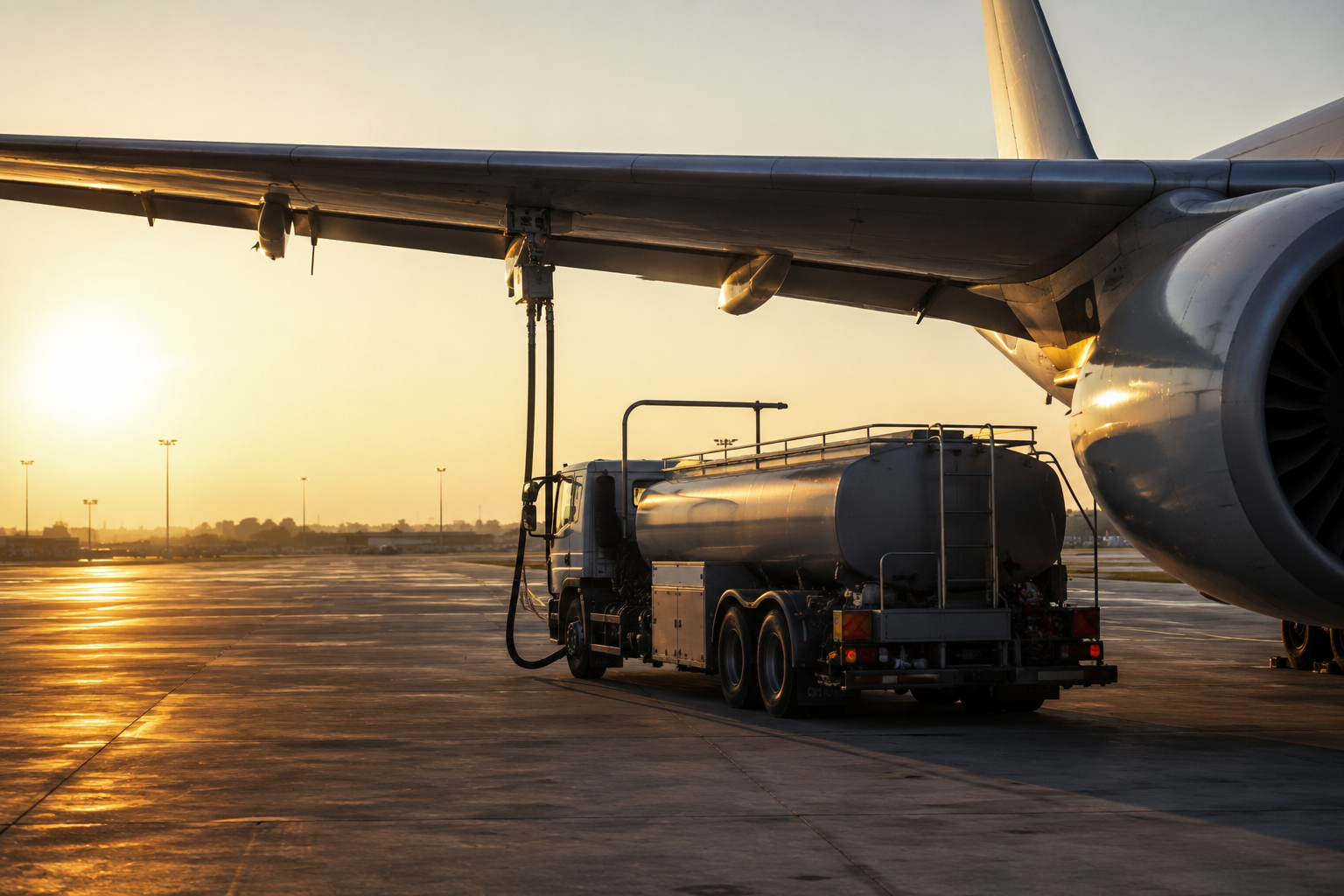
A 27% jump in demand sends Uzbekistan’s jet-fuel buyers to Georgia and Iraq
Tashkent says it needs 375,000 tonnes of aviation fuel in the second half of the year, 27% more than a year earlier, and the supplier that used to cover the region’s gap has all but left the market: Russian jet-fuel deliveries to Central Asia fell by more than 92% in June against May.
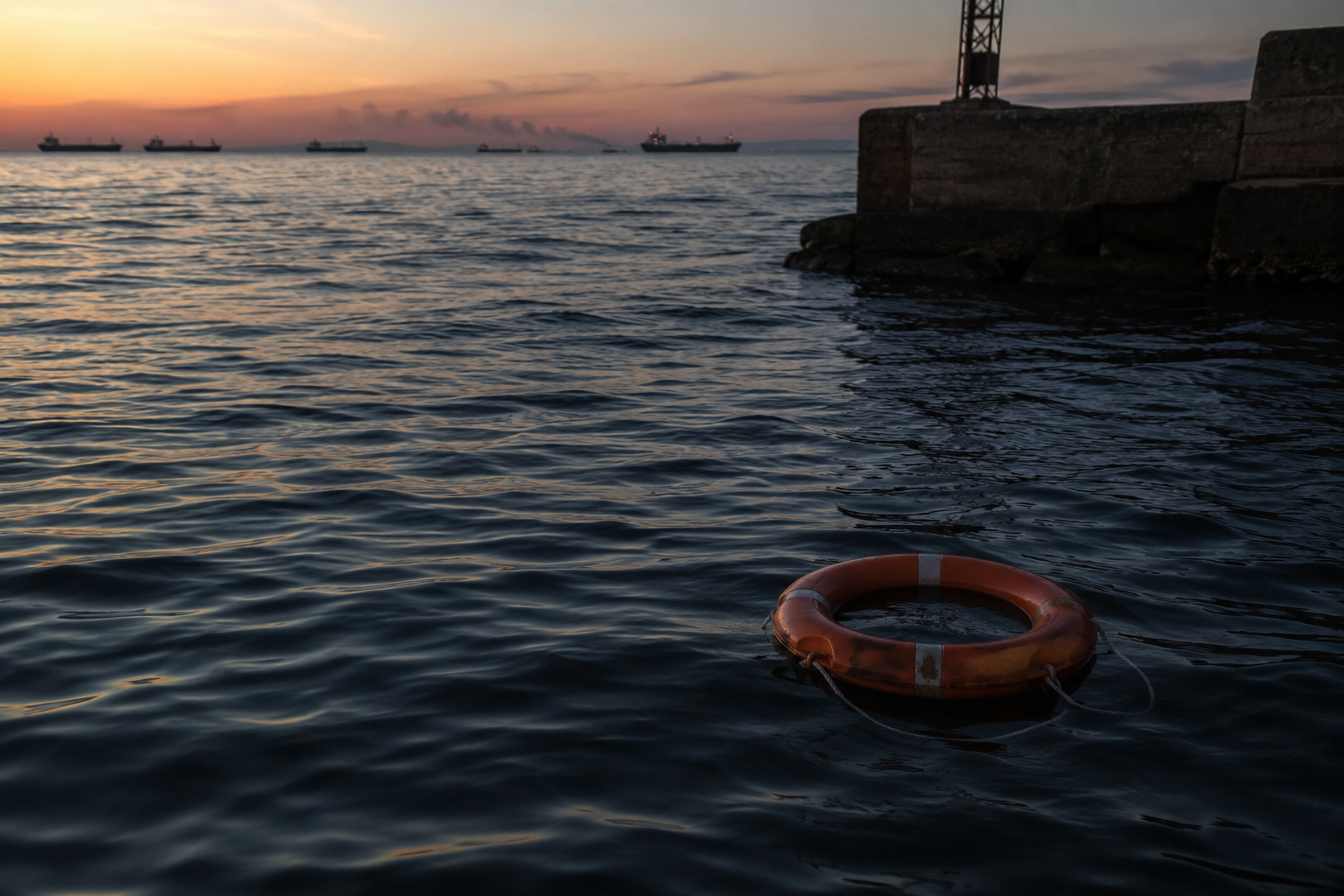
The drone war off Novorossiysk stops sparing crews
Since Saturday the approaches to Kazakhstan’s main export outlet have seen a cargo ship sunk and a Turkish-crewed freighter set ablaze, with three sailors gravely wounded. The terminal that carries more than 80% of Kazakh oil exports keeps loading at a third of its June intake, and July’s total has still not been published.
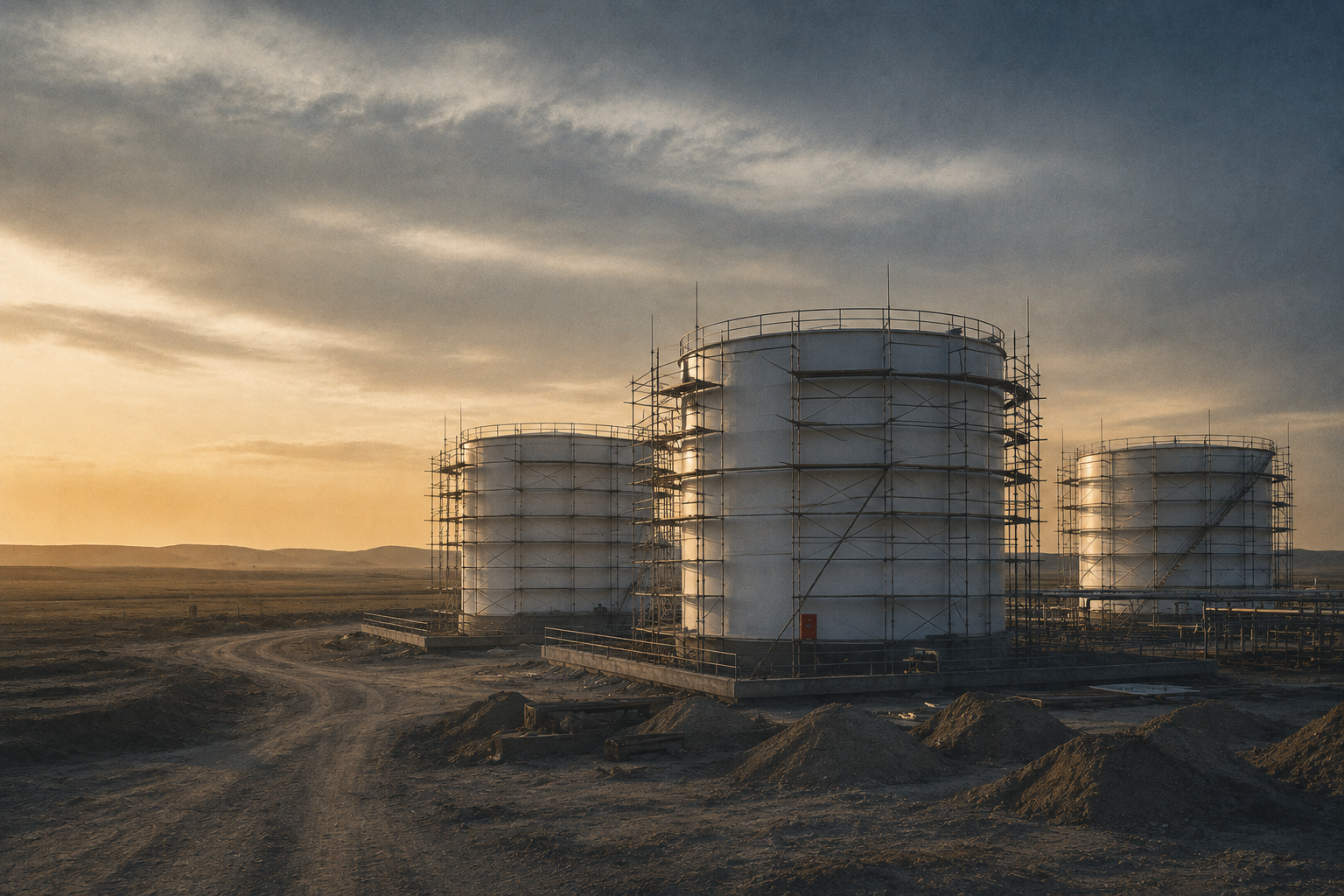
Mongolia queues for petrol two weeks before COP17
AI-92 stocks fell by nearly half in three weeks to 17 days of consumption, queues at the pumps run five and six hours, and the government’s answer is measured in storage tanks and years.
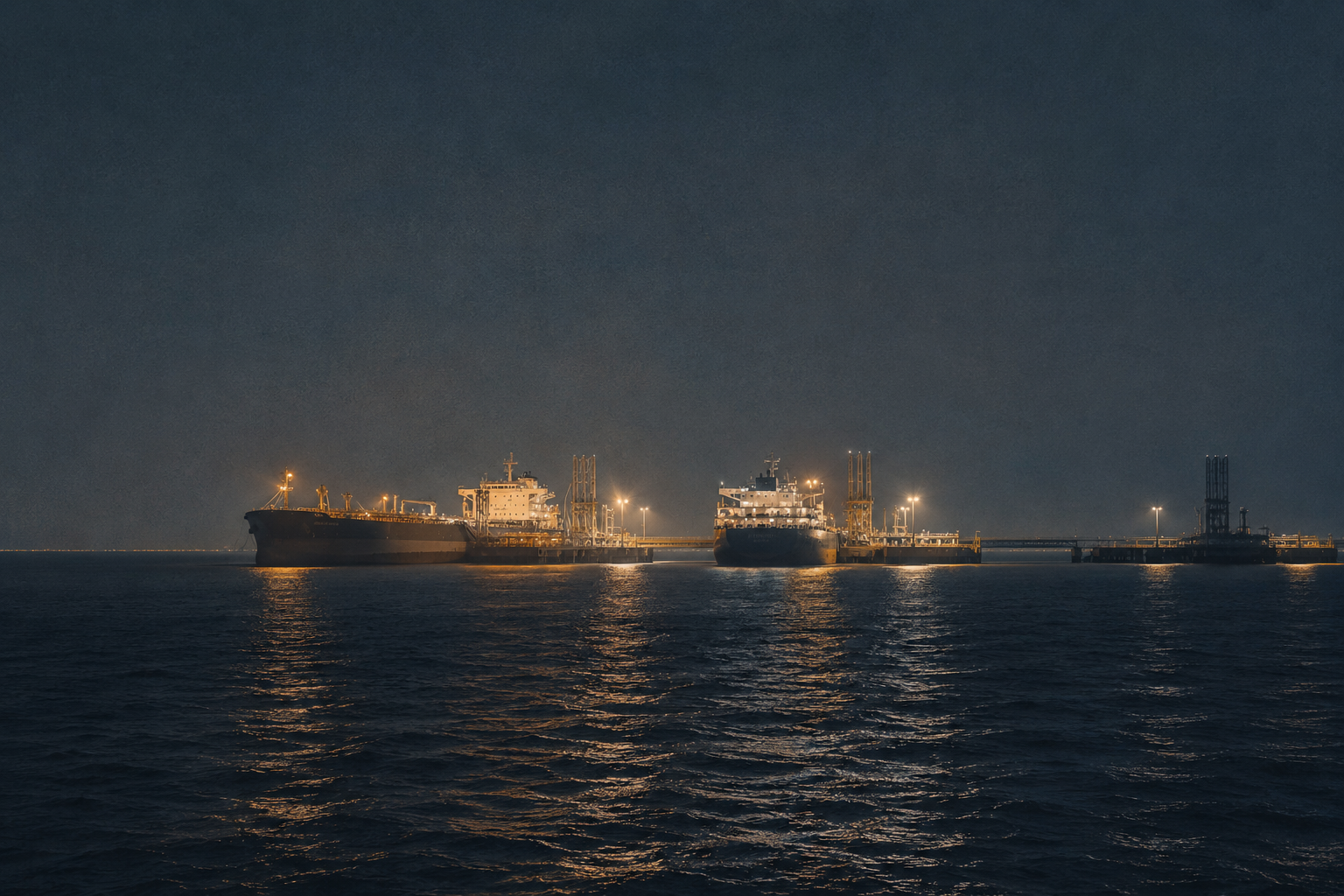
Chevron speaks first on the CPC
The fullest account of the damaged export route came from Houston on Friday: the pipeline is flowing, two of three moorings are working, and Washington and Astana are discussing guarantees to keep it that way.
The fuel wall arrives, and the region answers with signatures
From Saturday, Russia’s gasoline export ban covers every exporter, and for August the diesel ban reaches even the producers. The decree leaves one door open, intergovernmental agreements, and the region spent the week queueing at it.
The CPC’s reprieve lasts three days
Drones struck two tankers serving the Caspian Pipeline Consortium’s Black Sea terminal early on Thursday, and the consortium stopped loading for the second time in 10 days. The route carries more than 80% of Kazakhstan’s oil exports.
Moscow writes the fuel wall into a decree, and adds diesel
Russia’s government published the decree on 30 July: the gasoline export ban now runs from 1 August to 31 January 2027 and covers all exporters, and for the month of August diesel and marine fuel join it. Exports under intergovernmental agreements and humanitarian aid stay exempt.
A $90 barrel reaches the region from both ends
Brent traded above $90 on 29 July, up more than 6% in a day, after a Houthi attack on a Saudi tanker and American-Saudi strikes in Iraq. Central Asia meets the rally shipping at a fraction of its June tempo and importing fuel at world prices.
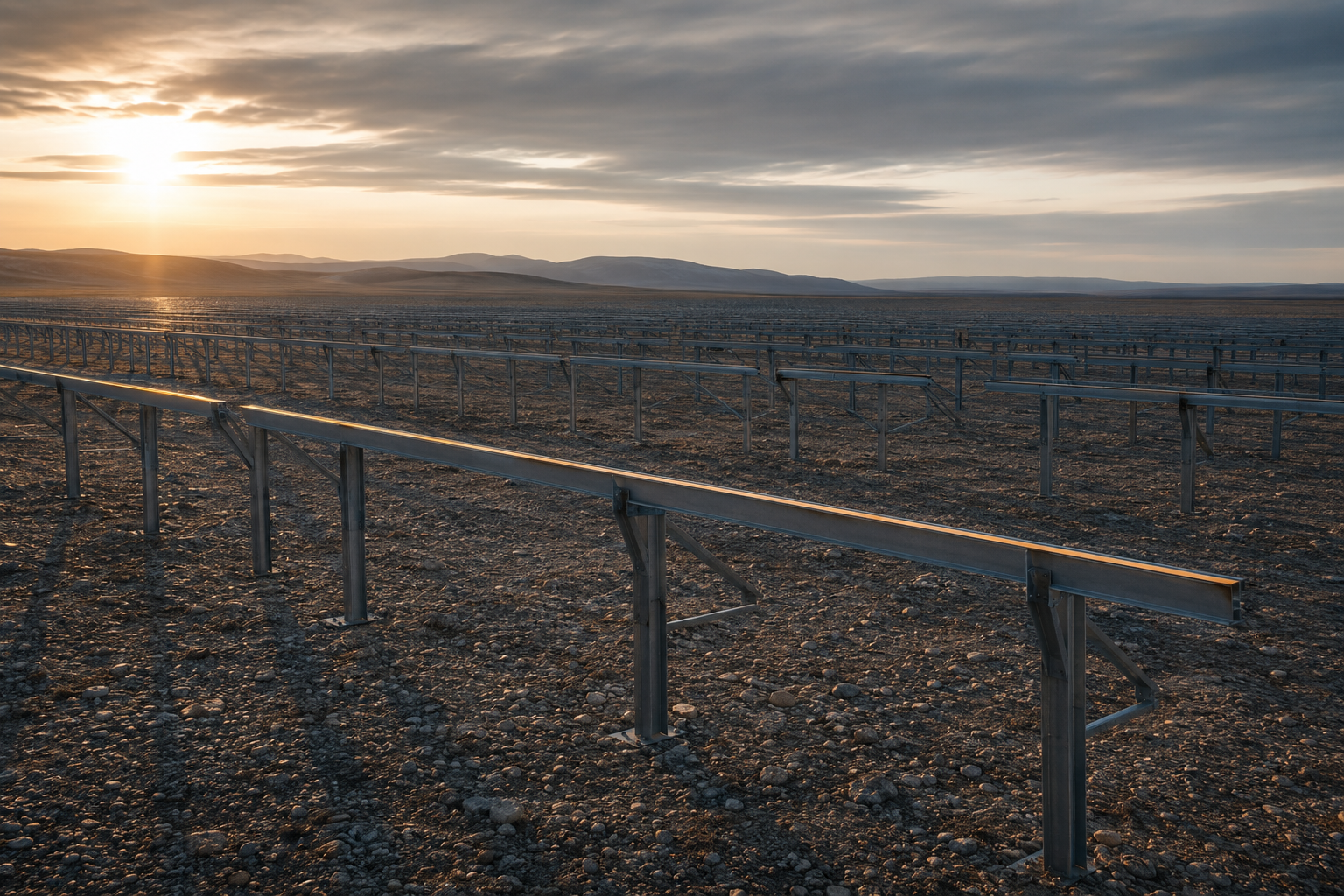
Dushanbe opens two Chinese generation tracks in one day
Tajikistan’s energy minister met China Energy about a 200 MW solar plant in the north and China Gezhouba about two hydropower plants on the Zarafshan, both on Tuesday.

Bishkek petrol runs up to 8.5 som over the state cap
The ceiling for AI-92 is 79.9 som a litre. Five Bishkek networks were selling it between 84.9 and 88.4 on Tuesday. The state’s answer that afternoon was a voluntary agreement with the traders