
Uzbekistan sets a 300,000 tonne quota on food makers’ white sugar imports from 2027
From 1 January 2027 Uzbekistan limits imports of white sugar by food-industry enterprises to 300,000 tonnes a year, under an unpublished Cabinet resolution of 30 July whose copy Gazeta.uz obtained. The quota, split equally between beverage makers, confectioners and other food producers, will be sold at online auctions, and the same resolution restructures the two sugar plants’ loans and taxes.

Perfectum sells its Tashkent head office for 98 billion sums ahead of the VEON takeover
Shareholders of Rubicon Wireless Communication, the operator behind the Perfectum brand, approved on 16 October the sale of its Tashkent head office and 2,012 items of fixed assets to the businessman Oybek Tursunov for 98.37 billion sums including VAT, about $8.3 million, Gazeta.uz reported on Monday. Three days later VEON announced its agreement to buy the operator for about $207 million including debt.
Kazakhstan’s trade with Tajikistan passes $1 billion in eight months on wheat and fuel gas
Trade between Kazakhstan and Tajikistan exceeded $1 billion in January to August, 34 percent more than a year earlier, Kazakhstan’s ambassador in Dushanbe, Valikhan Turekhanov, said at a Republic Day reception on Monday. Asia-Plus puts the nine-month figure at about $1.13 billion, with wheat, liquefied petroleum gases, steel rebar and alumina the largest lines from Kazakhstan and zinc concentrate the largest the other way.
Tenge at 451.05 per dollar, 2.3 percent weaker than on 1 October
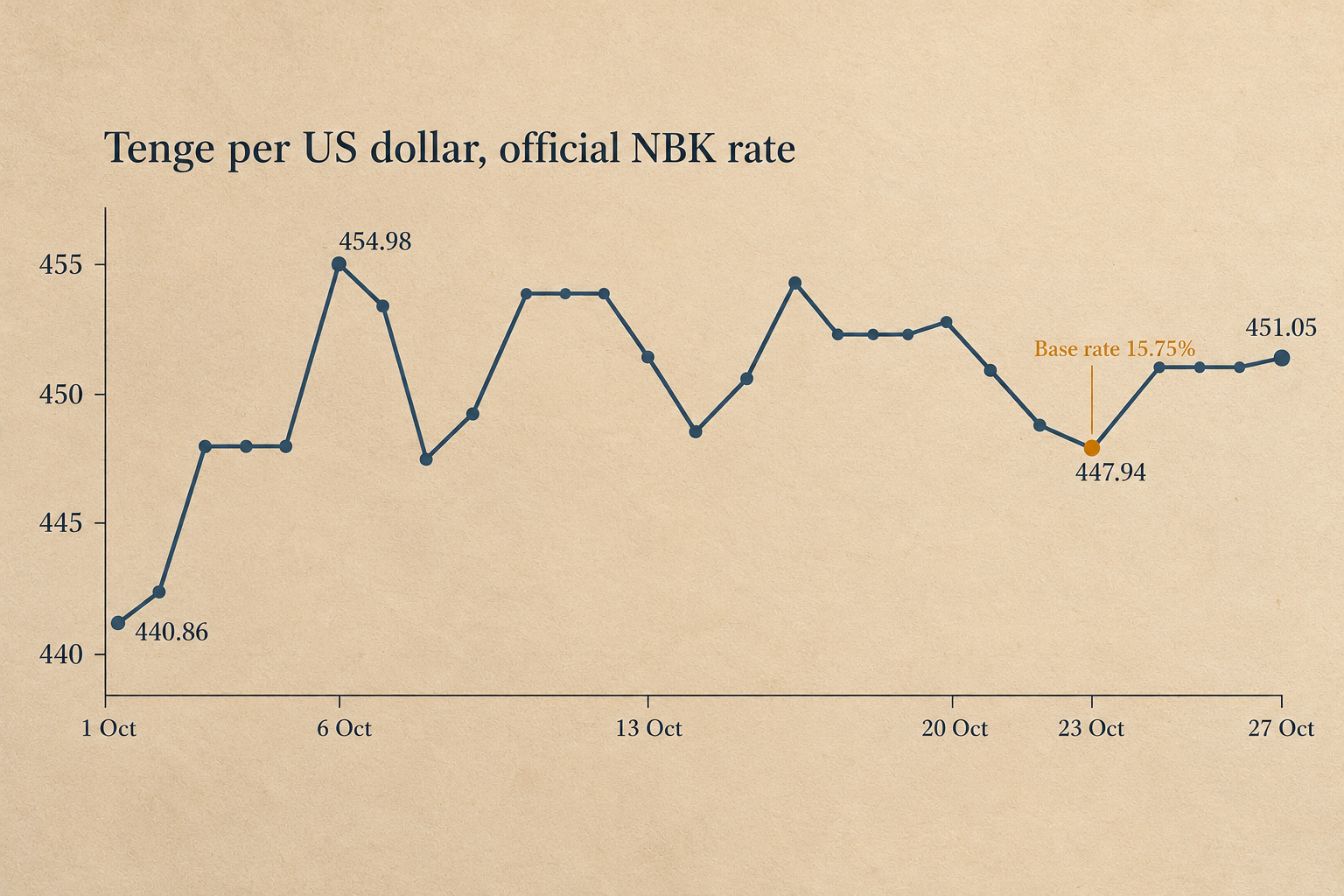
The National Bank of Kazakhstan’s official rate for 27 October is 451.05 tenge to the dollar, the fixing set from Friday’s trading, since Monday was a day off in Kazakhstan. Since 1 October the tenge has given up 10.19 tenge, or 2.3 percent by CAW’s arithmetic. Against 20 October, the Monday of the rate decision week, it stands 1.54 tenge stronger.

Tajikistan’s budget surplus grows as energy takes more than a quarter of spending
Tajikistan collected 50.9 billion somoni in January to August and spent 42.3 billion, a surplus of about 8.6 billion against 3.5 billion a year earlier, according to finance ministry figures published by Asia-Plus. Energy took 26.4 percent of spending, up from 20 percent, much of it, Asia-Plus writes, the Rogun dam. The minister has visited the site of an 800 megawatt dam downstream.
Oyu Tolgoi’s ₮3 trillion stays in Mongolia’s 2027 draft after the spending bill is dropped
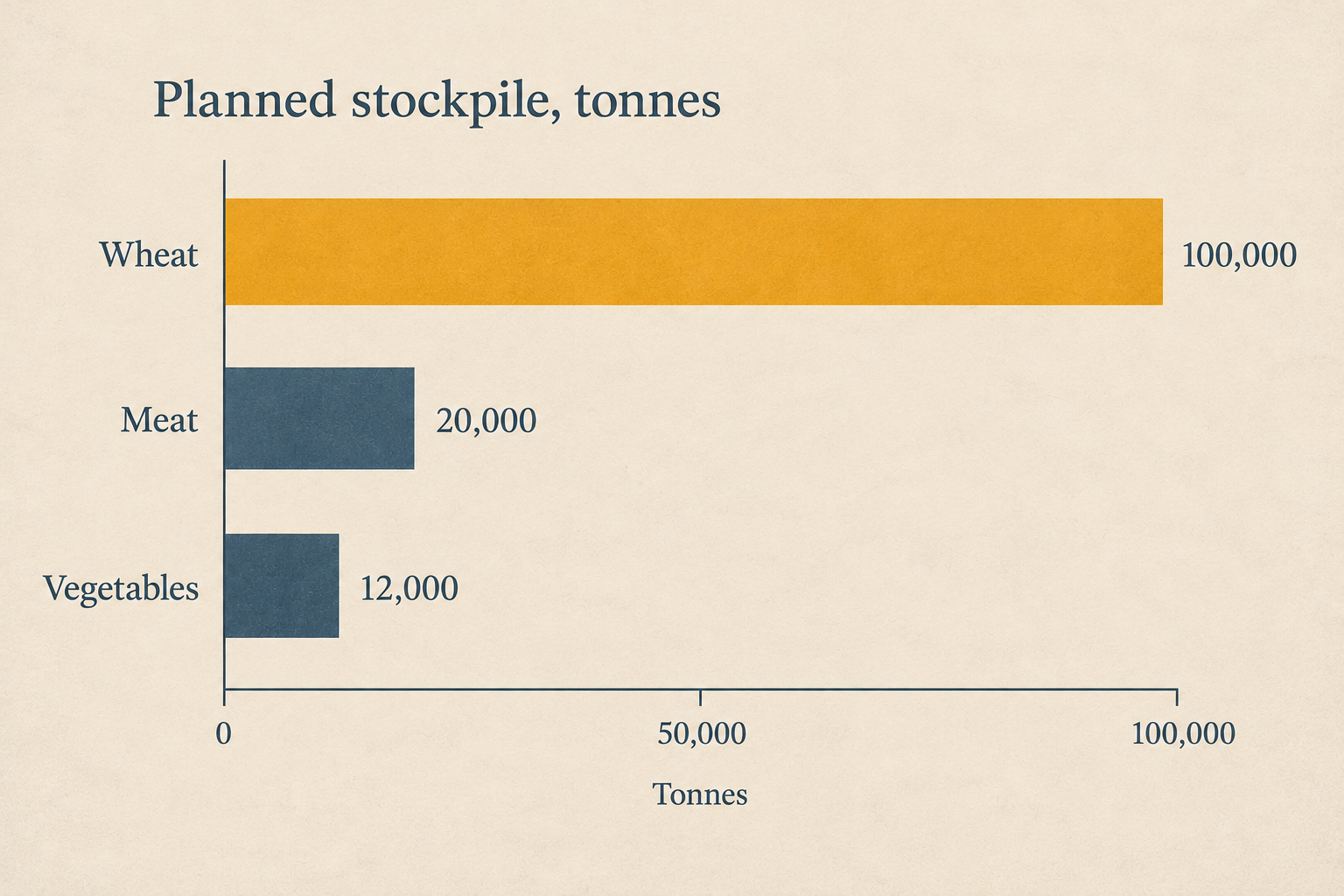
Prime Minister N. Uchral told residents of Sukhbaatar district in Ulaanbaatar on Saturday, a day after his cabinet withdrew a bill to spend ₮2 trillion of the Oyu Tolgoi dividend, that the 2027 budget draft still counts on the ₮3 trillion and will pay it into the Savings Fund. He listed stockpiles of 20,000 tonnes of meat, 100,000 tonnes of wheat and 12,000 tonnes of vegetables.
Jensen Huang proposes Kazakhstan as a hub of physical AI and receives the Order of Dostyk
Nvidia’s co-founder and president told President Kassym-Jomart Tokayev in Astana on Friday that Kazakhstan has the energy and the people to become a hub of what he called physical AI. He named Firebird AI, Kazakhtelecom and Higgsfield as the company’s partners in the country. Tokayev awarded him the Order of Dostyk, first class, for his contribution to artificial intelligence in Kazakhstan.
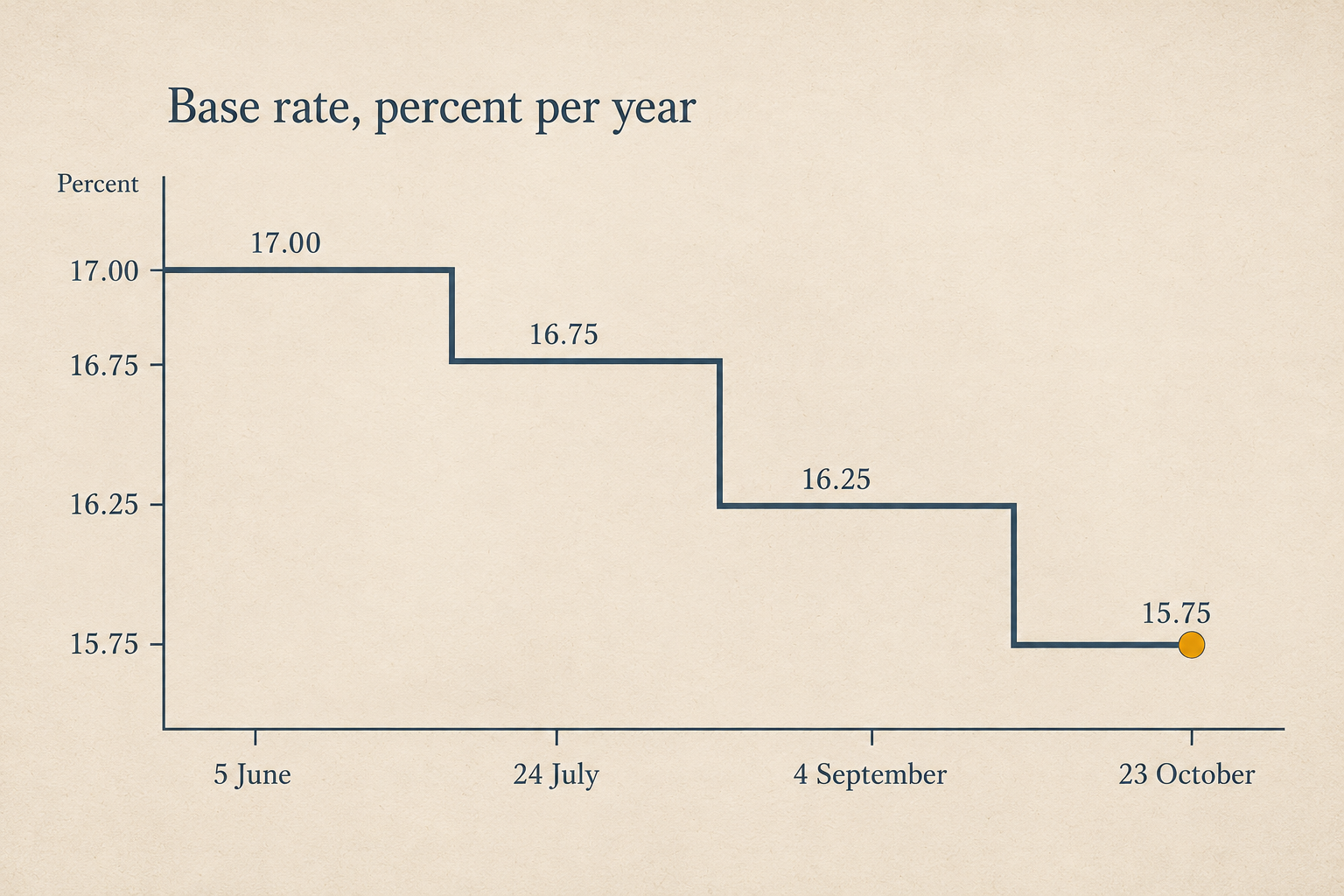
Kazakhstan cuts its base rate to 15.75 percent and calls another change this year unlikely
The National Bank of Kazakhstan cut its base rate to 15.75 percent on Friday and wrote that another change before the end of 2026 is unlikely, with the risks it lists all on the upside. Annual inflation stood at 9.3 percent in September, slowing for a twelfth month. The tenge weakened by 3.11 tenge to 451.05 per dollar on the day of the decision.
Bektenov lists 22 documents for $4.8 billion at KGIR, two memoranda at $1 billion each
Twenty-two documents worth $4.8 billion were signed on the sidelines of the ninth Kazakhstan Global Investment Roundtable in Shymkent on 22 October, the prime minister’s office said: three investment agreements led by a $730 million wind farm in Kostanay region, and memoranda including $1 billion for a Kuryk port terminal with China’s Guoyou Materials Group and $1 billion for 20 inclusive schools.
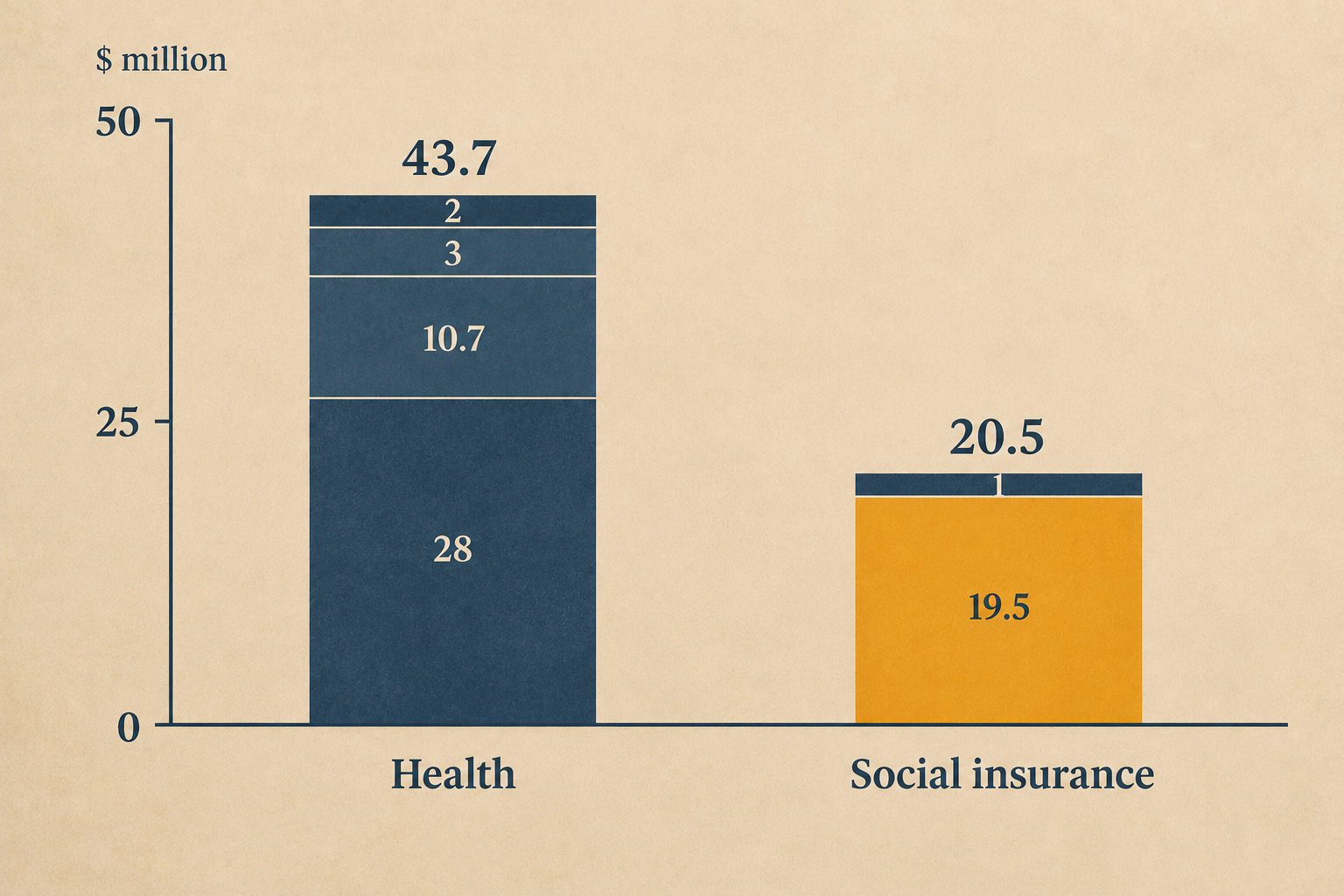
ADB grants Tajikistan $63.77 million for health and the pension system’s digital overhaul
Finance Minister Faiziddin Kahhorzoda and ADB country director Ko Sakamoto signed two grant agreements in Dushanbe on 21 October: $43.7 million for health security and primary care and $20.5 million to digitise social insurance and widen pension coverage, Avesta reported on 22 October citing the bank. The components add up to $64.2 million against the stated total of $63.77 million.

Kyrgyzstan shuts 52 firms and 240 accounts over sanctions risk, envoy tells diplomats
Bakyt Sydykov, the president’s special representative on sanctions policy, briefed foreign heads of mission on 21 October: 52 legal entities have ceased activity, forced liquidation has begun against 57, 25 companies are under inspection and state banks have closed more than 240 accounts, the economy ministry said in a 24.kg report at 16:32 Bishkek. Kroll is being hired to assess sanctions compliance.

Tashkent signs a cooperation agreement with Oppenheimer on possible municipal bonds
The Tashkent city administration signed a cooperation agreement with Oppenheimer & Co.’s investment banking arm on 22 October after discussing access to international capital markets, including a possible municipal bond, the hokimiyat’s press service said. No amount, tenor or timing was named. A day earlier Andijan region had discussed a $300 million eurobond with the same bank.
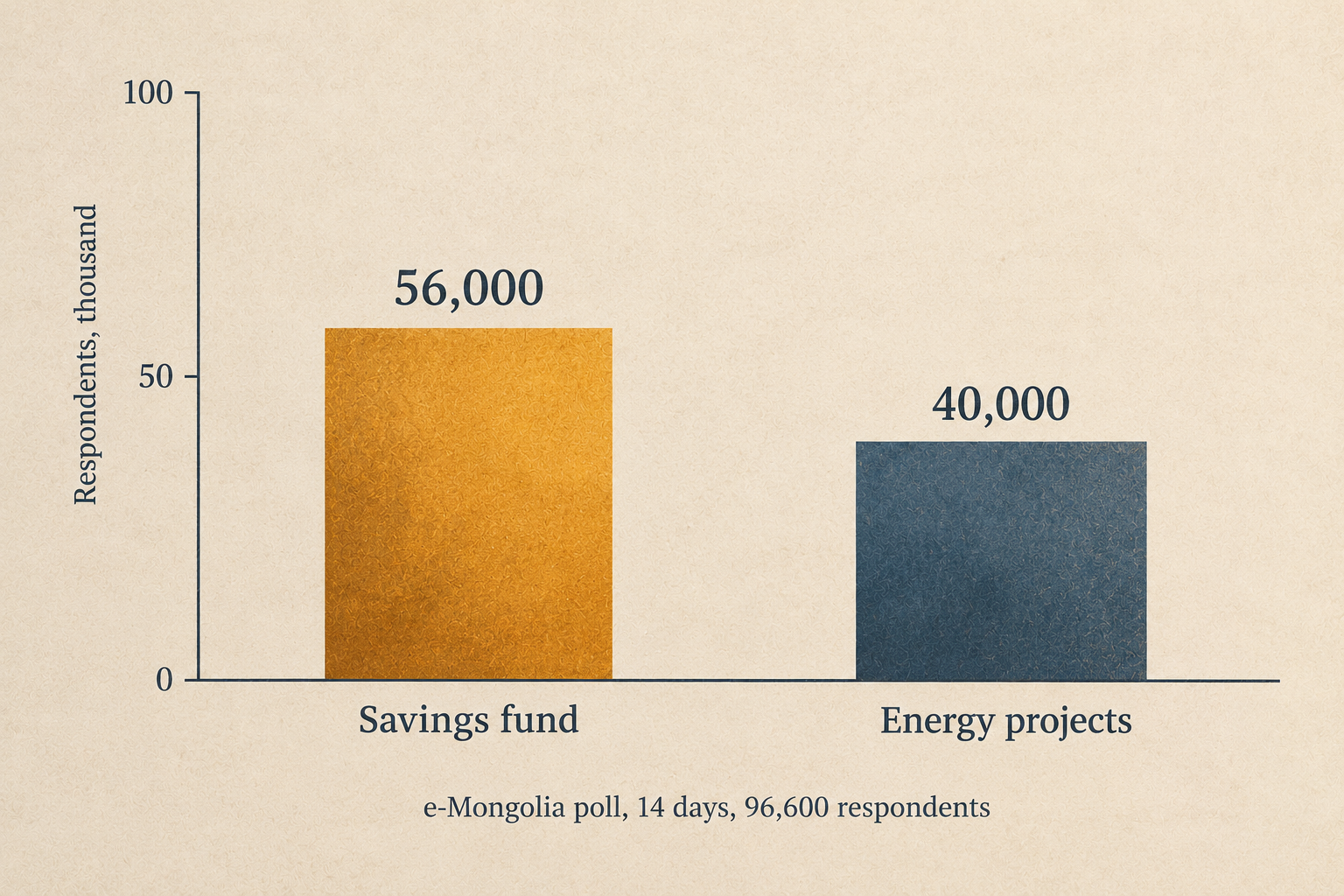
Mongolia drops its Oyu Tolgoi dividend spending bill, citing an e-Mongolia poll
On 23 October the government withdrew the one-off bill that would have put ₮2 trillion of the ₮3 trillion Oyu Tolgoi dividend expected in 2027 into a 300 MW power plant, ten provincial heating plants and dormitories. Finance Minister Mendsaikhan gave two reasons: a budget the debate was making unrecognisable, and an e-Mongolia poll in which about 56,000 of 96,600 respondents chose the Savings Fund over energy projects.

Mongolia’s Democrats ask whether Oyu Tolgoi’s ₮3 trillion is a dividend at all
The Democratic Party group in Mongolia’s parliament said on 22 October that the ₮3 trillion the government expects from Oyu Tolgoi in 2027 has not been shown to be a dividend by the mine’s board or in its accounts, that a dividend of that size to the state’s 34% would imply ₮6 trillion for Rio Tinto’s 66%, and that the money, if it comes, belongs in the Wealth Fund.

Andijan region plans a $300 million eurobond through its own investment company
A delegation of Andijan region discussed with the US investment bank Oppenheimer raising $300 million on international capital markets through a eurobond issued by Andijon Invest Kompaniyasi, the regional administration’s press service said on 21 October. No tenor, coupon, timing or guarantee was named. The same bank offered in September 2025 to help finance three Andijan projects worth $1.2 billion.
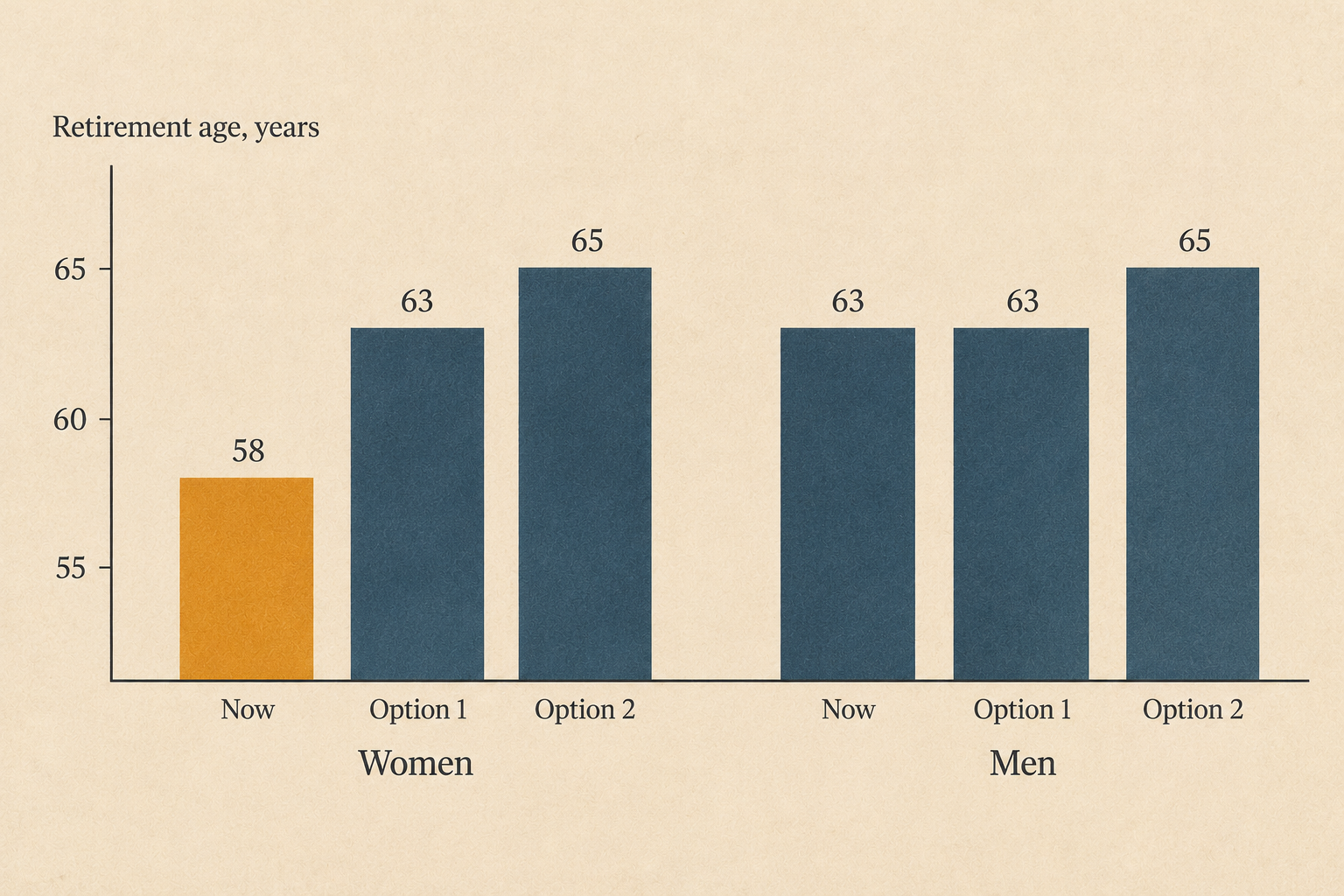
ADB study puts two retirement-age options before Tajikistan, 63 for women or 65 for all
The Asian Development Bank’s country diagnostic study for Tajikistan, dated October 2026, proposes raising women’s retirement age from 58 to 63 or setting 65 for both sexes, and lengthening the minimum contribution period to 30 years. The average old-age pension in 2024 was 22.1% of the average wage. Asia-Plus, which reported the study on 21 October, carried no government response.
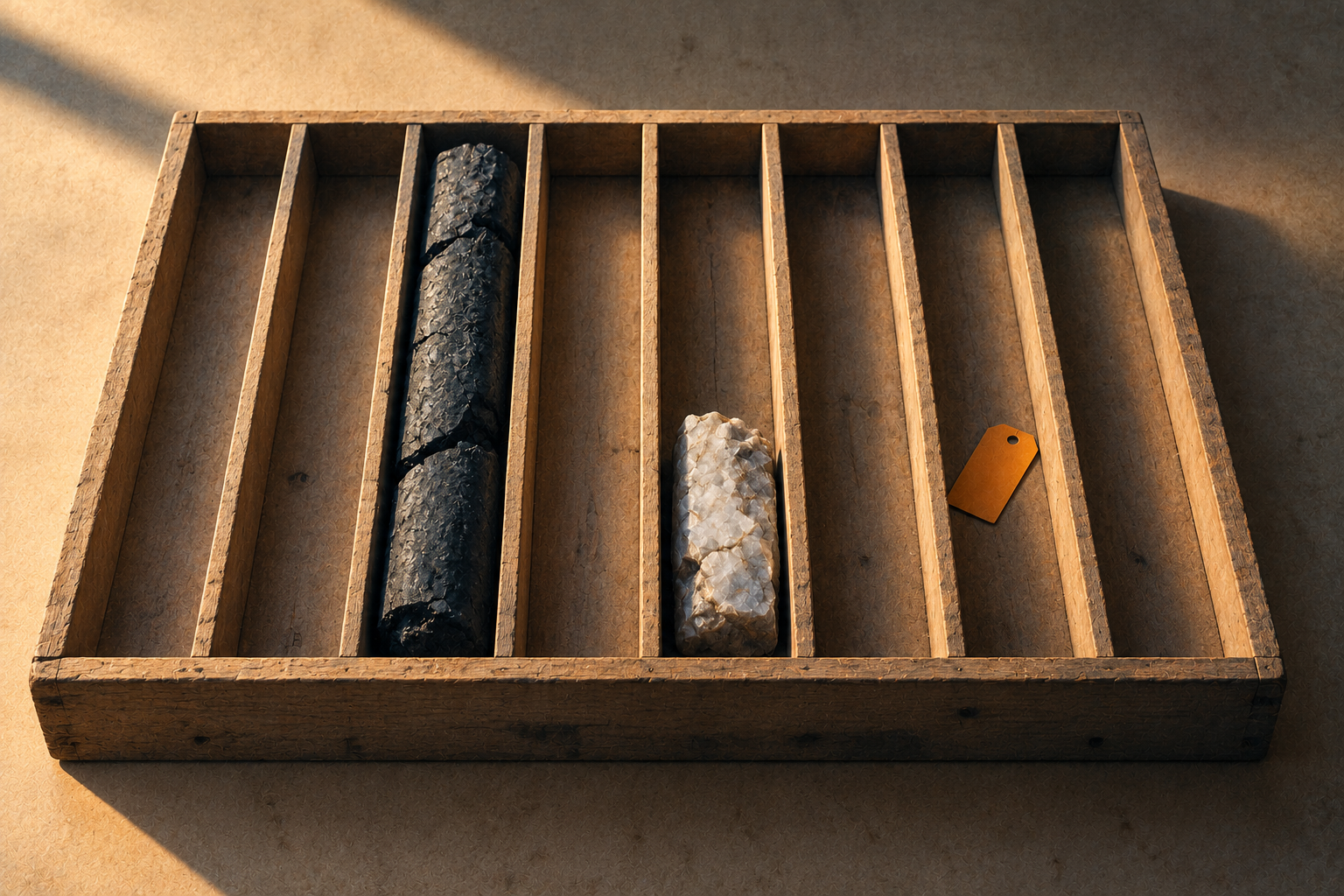
Ten years of UK memoranda on Mongolian mines end in a working group and an unfunded list
Mongolia’s mining sector was put before London on 21 October at a Mongolian-British Chamber of Commerce conference during LME Week. The state’s list of mines seeking investment holds 67 projects asking for ₮3.5 trillion, about $970 million, two thirds of it one Australian-owned coal deposit. Britain’s record since the first mining memorandum of 2016 is a working group, a metro memorandum and a listing programme without an issuer.
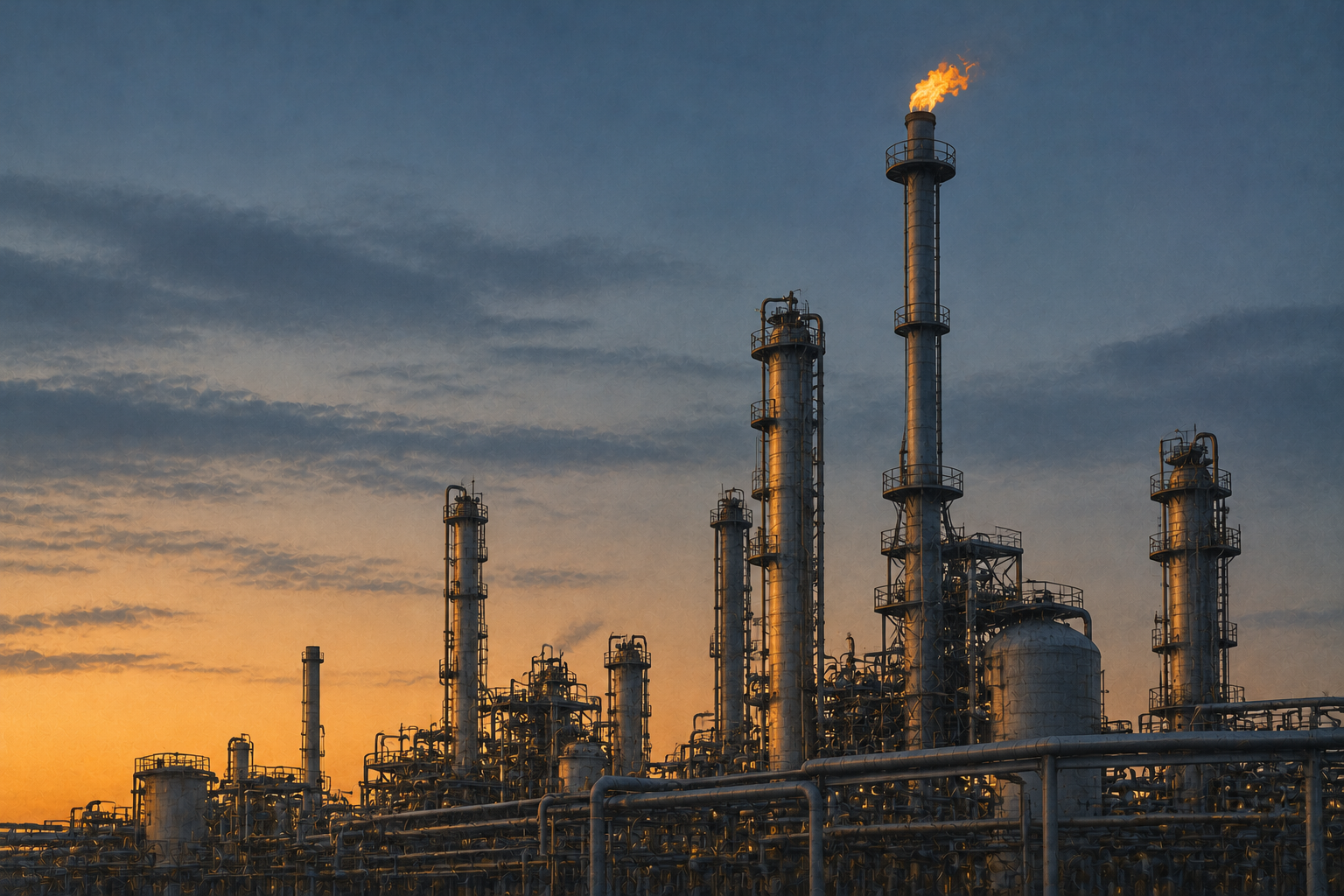
KazMunayGas’s Romanian arm tripled its nine-month profit to $269 million at 97% refinery load
KMG International earned $269 million in January-September, 219% more than a year earlier, on EBITDA of $469 million, up 73%, the national company said in Kapital’s report on Tuesday. Petromidia processed 4.087 million tonnes of crude, 14,670 tonnes a day, and the group’s retail companies sold 2.272 million tonnes of fuel.

Tashkent clears VEON’s Perfectum deal with conditions on tariffs and speed
A special commission approved the purchase of Rubicon Wireless Communication, the company behind Perfectum, by VEON’s UAE-registered holding for about $207 million including about $93 million of assumed debt, Spot reported on Tuesday from the committee’s Telegram channel. Perfectum must run as a separate operator for at least three years and keep its 5G fixed-wireless tariffs for a year.