Russia

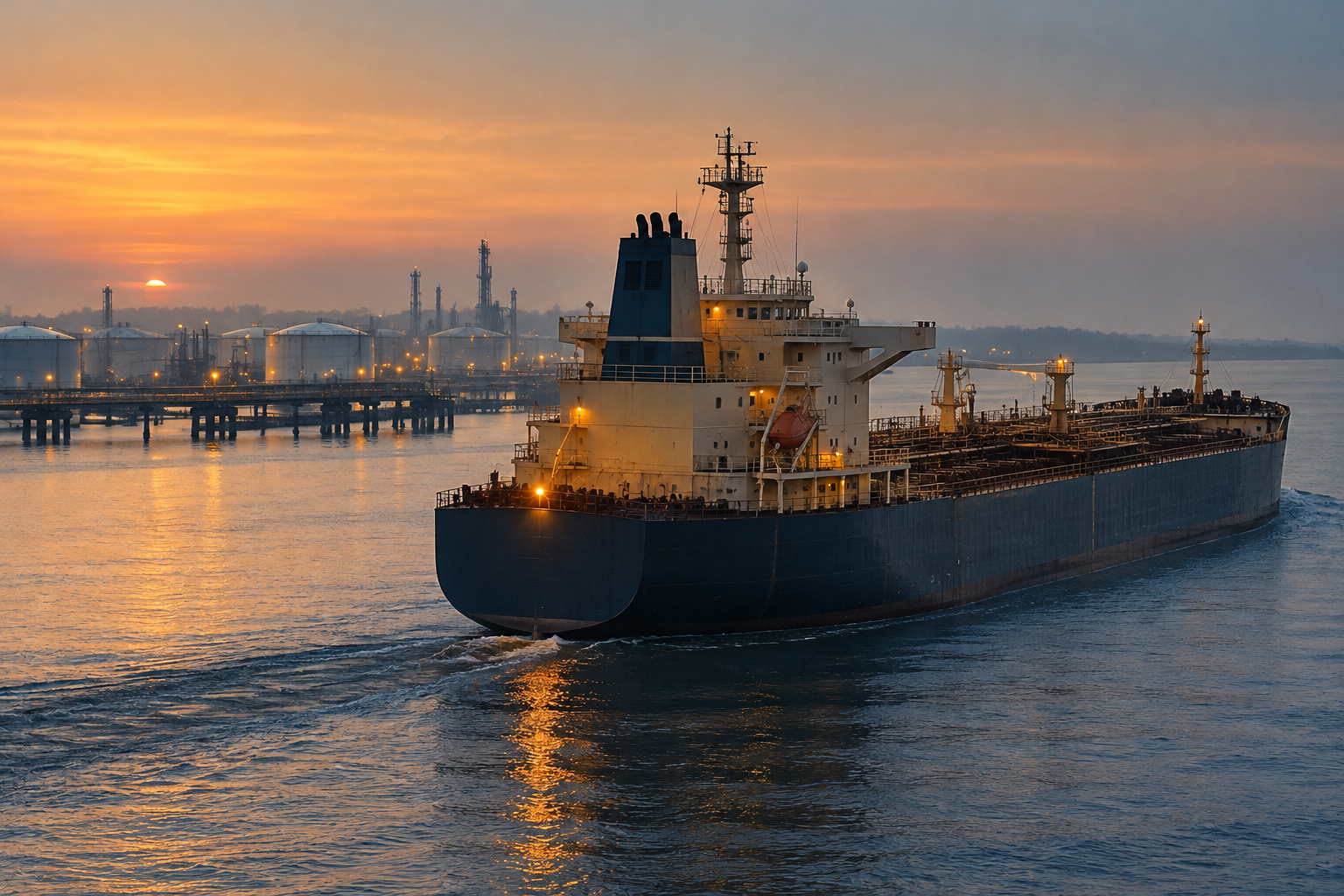
Novak counts three diesel tankers at sea and a 500,000 tonne October export allowance
Three tankers of Russian diesel are at sea toward what Deputy Prime Minister Alexander Novak called the eastern coast of the Atlantic, with Rosneft supplying most of the fuel, he said on Friday, adding that companies may export 500,000 tonnes in October under an eased ban. A Republican congressman has filed a bill to revoke the US licence that admits the cargoes.
Kazatomprom calls a second shareholder vote on supplying uranium to Rosatom’s Uranium One
Kazatomprom’s board will put the natural uranium supply contract with Uranium One, a Rosatom subsidiary, to shareholders again after a first vote went against it, with absentee voting from 25 November to 9 December. In Tashkent, Rosatom’s director general Alexei Likhachev said the company fears no competition for Uzbekistan’s next reactors and will offer its services.

Pashinyan calls the EAEU report a third attempt to change Armenia’s government
Asked on 22 October about the four governments’ report on suspending the EAEU treaty for Armenia, Nikol Pashinyan said member states have no right to expel a member and called the report a third attempt to change the government after 2023 and June 2026. He ruled out an economic apocalypse from gas at $300, and on Friday the CSTO’s secretary general said Armenia had de facto left that bloc.

US order on buyers of Russian oil and gas waives every duty and names no country
Executive Order 14436 reached the Federal Register on 21 October: four pages that set the Graham act’s duties and waive them, with its bank and secondary sanctions, in one text. The 100% duty on the five largest buyers of Russian oil and gas is tied to new purchases from 18 October, the five are unnamed, and the waivers run until the President or the Secretary of State decide otherwise.
Georgia’s party-ban court keeps its judges and Kobakhidze names a Russia envoy
On the first day of the hearing on banning five opposition parties, the Constitutional Court’s plenum rejected the motions to recuse its judges and removed a National Movement leader from the room for the rest of the proceedings. In Tbilisi the same afternoon Irakli Kobakhidze appointed Giorgi Zurabashvili his special representative for relations with Russia and said no new phase was beginning.

Armenia knows of no way to suspend an EAEU member, Mirzoyan says
Armenia’s foreign minister said on 21 October that his government knows of no legal mechanism by which four EAEU members can suspend a fifth, that sovereignty takes precedence over trade, and that he does not know how far a unilateral gas price rise would be in the spirit of partnership. Earlier that afternoon a parliamentary committee voted four to one for the TRIPP agreement with the United States.

SCO governments sign four documents in Dushanbe and hand the council’s chair to Uzbekistan
The 25th Council of Heads of Government signed a joint communiqué, a 2026-2030 trade and economic action plan, a digital freight platform concept and a decision on the regulation of a data bank of investment projects in industry on Tuesday, by the Russian government’s list. Russia’s deputy prime minister Alexei Overchuk said the meeting was “to a greater degree” about a new SCO bank, on whose shares it is “still too early to speak”.
Kazakhstan and Kyrgyzstan sign an EAEU appeal that prices a suspension of Armenia
The heads of government of Russia, Belarus, Kazakhstan and Kyrgyzstan sent the Eurasian Economic Commission on Tuesday a report on what suspending the union treaty for Armenia would cost: gas assumed at $300 instead of $177.50 a thousand cubic metres, trade with the union cut by 55.6%, remittances from Russia halved. Their appeal goes to four presidents and Armenia’s prime minister, two months before the presidents’ December date.
Li Qiang signs five documents with Dushanbe on the eve of the SCO prime ministers’ council
China’s premier met Rahmon on Monday after talks with Rasulzoda the day before, and the two governments signed a development agreement and four memoranda. The Shanghai Cooperation Organisation’s heads of government meet in Dushanbe on Tuesday, with Mishustin already in the city.
Yerevan declares ENA an overriding public interest and sets up a railway group with Russia
Armenia’s government recognised 100% of the shares of Electric Networks of Armenia, or ENA, owned by the Tashir group, as an overriding public interest at its sitting on 15 October, the status Armenian law requires before the state can take property, News.am reported. Tashir’s owner Samvel Karapetyan leads the opposition Strong Armenia alliance. Nikol Pashinyan the same day set up a working group with Russia on the railway concession.
Tokayev ratifies the oil protocol with Russia that saves 30 billion tenge in duties
Kassym-Jomart Tokayev signed the law ratifying the protocol that revives the 2010 Kazakh-Russian agreement on supplies of oil and oil products to Kazakhstan, which had expired on 1 January 2024, Interfax reported on 16 October. The Kurultai’s conclusion puts the saving from duty-free imports at about 30 billion tenge in 2026.
Astana says Russian gas keeps flowing after a pipeline blast and fire in Penza region
A section of the Central Asia-Centre trunk line ruptured and caught fire near the village of Volchkovo in Russia’s Penza region on 13 October, with a flame of about 70 metres, Gazprom Transgaz Saratov confirmed to Kursiv. Kazakhstan’s energy ministry said that evening that Russian gas deliveries to Kazakhstan and transit to Uzbekistan were running to plan.

Russia reopens diesel exports for 500,000 tonnes while a US licence runs to April
Russia’s government partly lifted its diesel export ban on Saturday, for 500,000 tonnes from 10 October, to carry out what Putin and Trump agreed by telephone on Friday. OFAC had licensed the sale, delivery and import of Russian-origin diesel the day before, through 7 April 2027. Neither document says whether the 500,000 tonnes stand beside or count against the duty-free balances under which Russian fuel reaches Kazakhstan.

Putin, Aliyev and Pezeshkian hold the first three-way summit since 2017 at Avaza
Vladimir Putin, Ilham Aliyev and Masoud Pezeshkian held a trilateral meeting after the Caspian Ecological Summit on Friday, Dmitry Peskov confirmed to Interfax, the first sitting of the Russia, Azerbaijan and Iran format since Tehran in November 2017. APA’s correspondent reported the North-South transport corridor as the main topic, Aliyev then received Pezeshkian separately, and Putin boarded his plane at Turkmenbashi after two full-format bilaterals in two days.
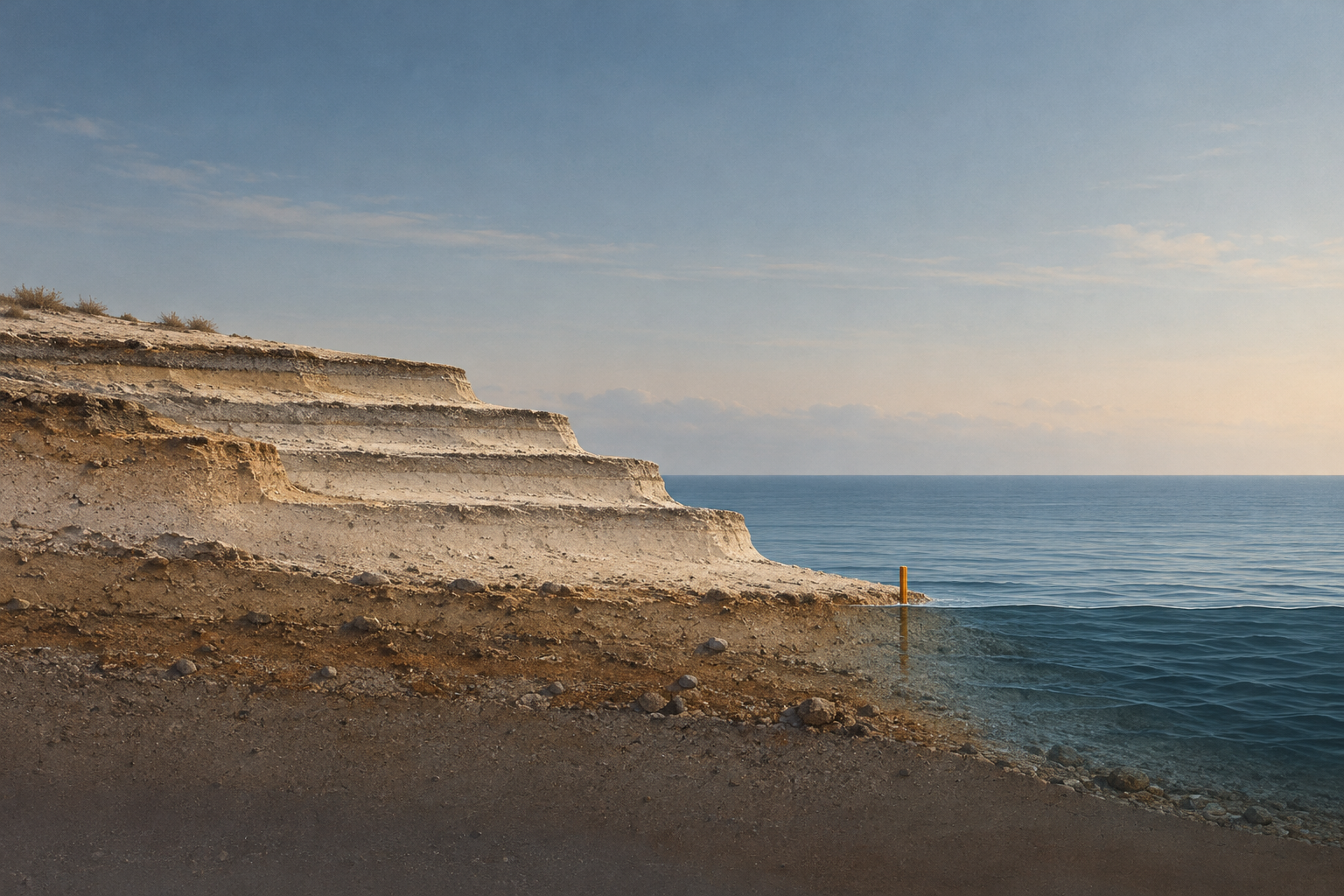
Five presidents create a Caspian commission as Aliyev and Putin differ on the cause
The first Caspian Ecological Summit ended on Friday with a decision by the five heads of state to create a commission of three deputy prime ministers and senior Iranian and Russian representatives on the sea’s falling level, which meets first in Azerbaijan in the first half of 2027. Aliyev named reduced river flow and man-made factors among the causes beside the climate, Putin named climate change the main one.

Rospotrebnadzor ends the Irkutsk watch as Armenia’s new commission sits for the first time
Medical observation of every contact of the laboratory worker who died in Irkutsk has ended, the whole set of preventive measures was completed on 8 October and more than 5,500 laboratory tests found no dangerous pathogen, Rospotrebnadzor said on Thursday, calling social-media reports of a second case false. In Yerevan an interdepartmental commission created by the prime minister’s decision held its first meeting the same evening.
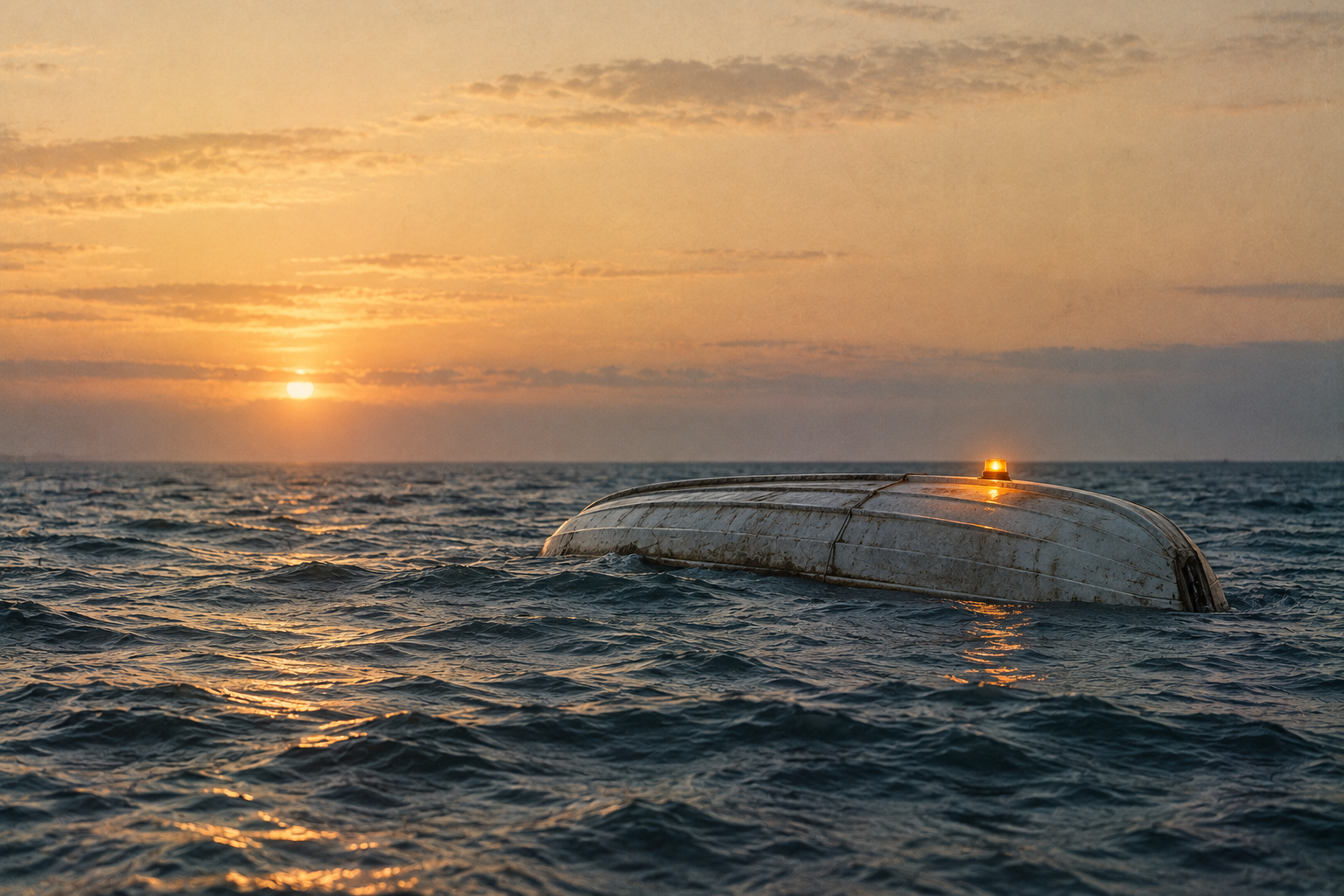
Bulgaria ends the search for ten sailors as Erdoğan raises Black Sea safety with Putin
Bulgaria ended the search for the ten crew of the Turkish-owned Alfa Watan at 17:00 on Tuesday after finding three life rafts, an overturned lifeboat and no one, and expects the second ship hit, the Able, to sink, its rescue chief Rumen Nikolov said in Varna on Wednesday, by Euronews. The same day Erdoğan told Putin by telephone that navigational safety in the Black Sea matters.
Three ministers answer the Irkutsk laboratory death as Moscow clears 90% of contacts
The death of a laboratory worker at Irkutsk’s anti-plague institute, pneumonia of unspecified etiology to Rospotrebnadzor and suspected pneumonic plague to ECDC, drew three answers on Wednesday: Mongolia’s health minister said temperatures are taken at the border and isolation rooms stand ready, Armenia’s minister told parliament arrivals face enhanced checks, and Georgia’s said there is no reason for panic. Moscow reported more than 90% of contacts released from observation.

Avaza’s first day ends with four CIS decisions and no word on the Caspian ministers
The CIS foreign ministers signed four documents at Avaza on Wednesday, among them a decision making 2029 the Commonwealth’s transport year, and fixed their next council for Bishkek in April 2027. Listed for the same day in the host’s programme, the Caspian states’ ministers had no readout on Turkmenistan’s state portal, TDH, the foreign ministry’s site or News Central Asia by Thursday morning as the presidents landed.