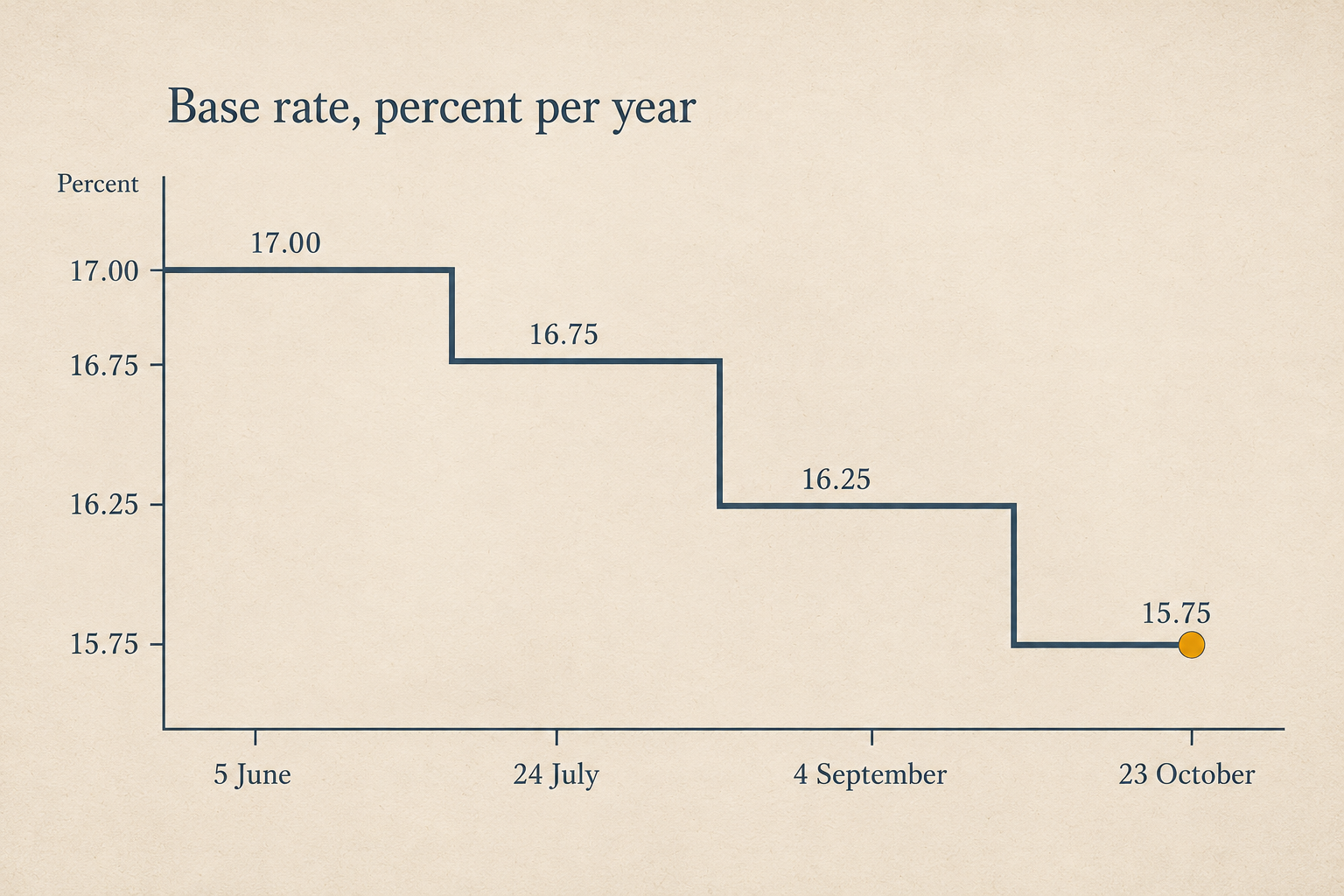
Kazakhstan cuts its base rate to 15.75 percent and calls another change this year unlikely
The National Bank of Kazakhstan cut its base rate to 15.75 percent on Friday and wrote that another change before the end of 2026 is unlikely, with the risks it lists all on the upside. Annual inflation stood at 9.3 percent in September, slowing for a twelfth month. The tenge weakened by 3.11 tenge to 451.05 per dollar on the day of the decision.
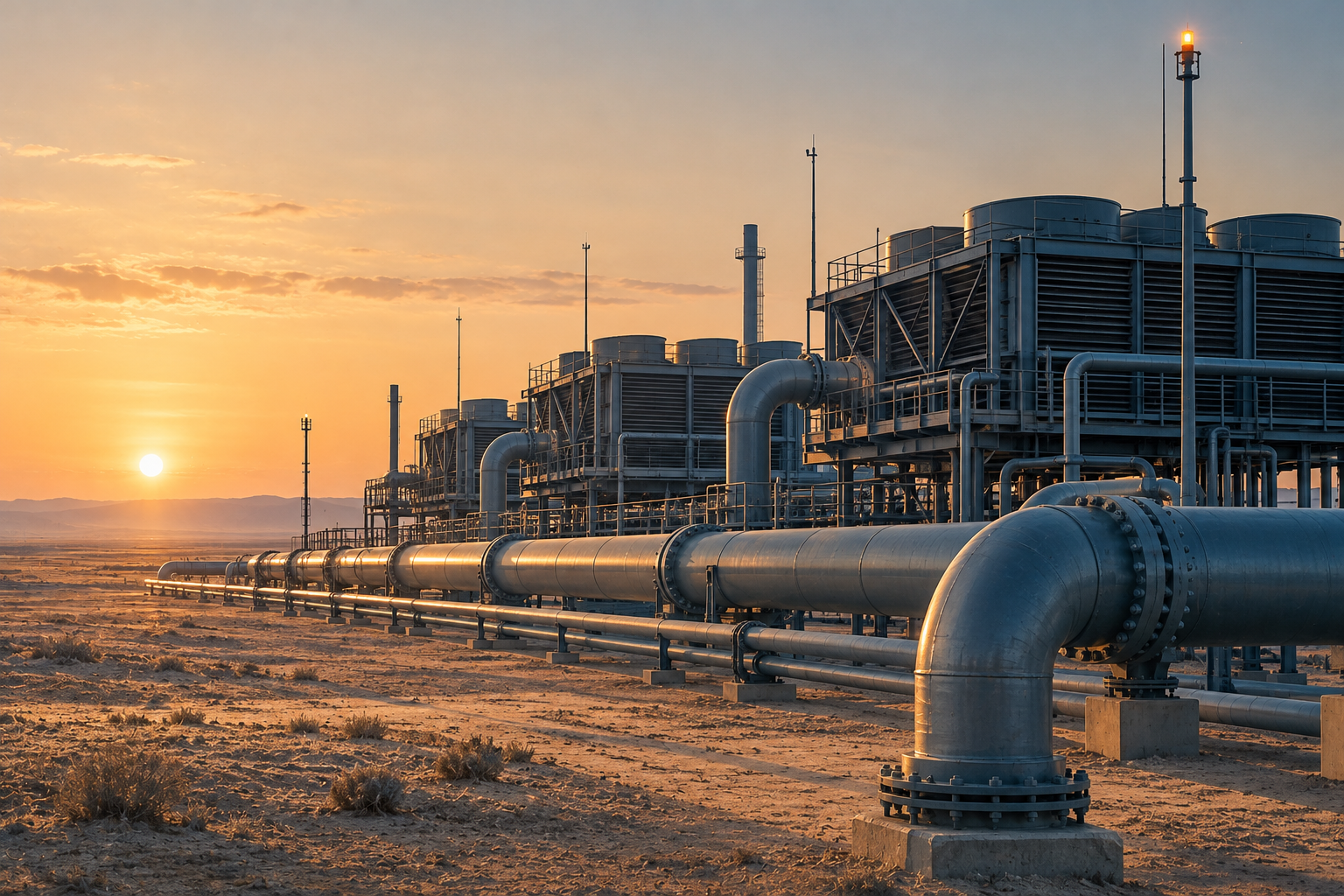
Turkmenistan dates first TAPI gas to mid-2027 and ties it to the Afghan side’s readiness
Turkmengaz expects about 80 billion cubic metres of gas this year and next, roughly half of it exported to China and Uzbekistan. Its chairman told the closing press conference of Oil and Gas of Turkmenistan 2026 on Friday that the Serhetabat to Herat section of TAPI should be complete by the end of this year, with first gas to Afghanistan by mid-2027 if the Afghan side is ready.
AnalysisAll analysis →
Economy
Mongolia drops its Oyu Tolgoi dividend spending bill, citing an e-Mongolia poll
23 OctPoliticsPashinyan calls the EAEU report a third attempt to change Armenia’s government
23 OctEconomyKazakhstan cuts its base rate to 15.75 percent and calls another change this year unlikely
26 OctEnergyTurkmenistan dates first TAPI gas to mid-2027 and ties it to the Afghan side’s readiness
26 OctLatest NewsAll news →
Politics