Energy
Resources and climate

The tanker leaves in the log, and nowhere else
The port-call record for Aegean Dream now shows a departure from Novorossiysk at 07:02 UTC Monday after a 10-hour call. The ship's transponder, dark since 10 August, confirms none of it.
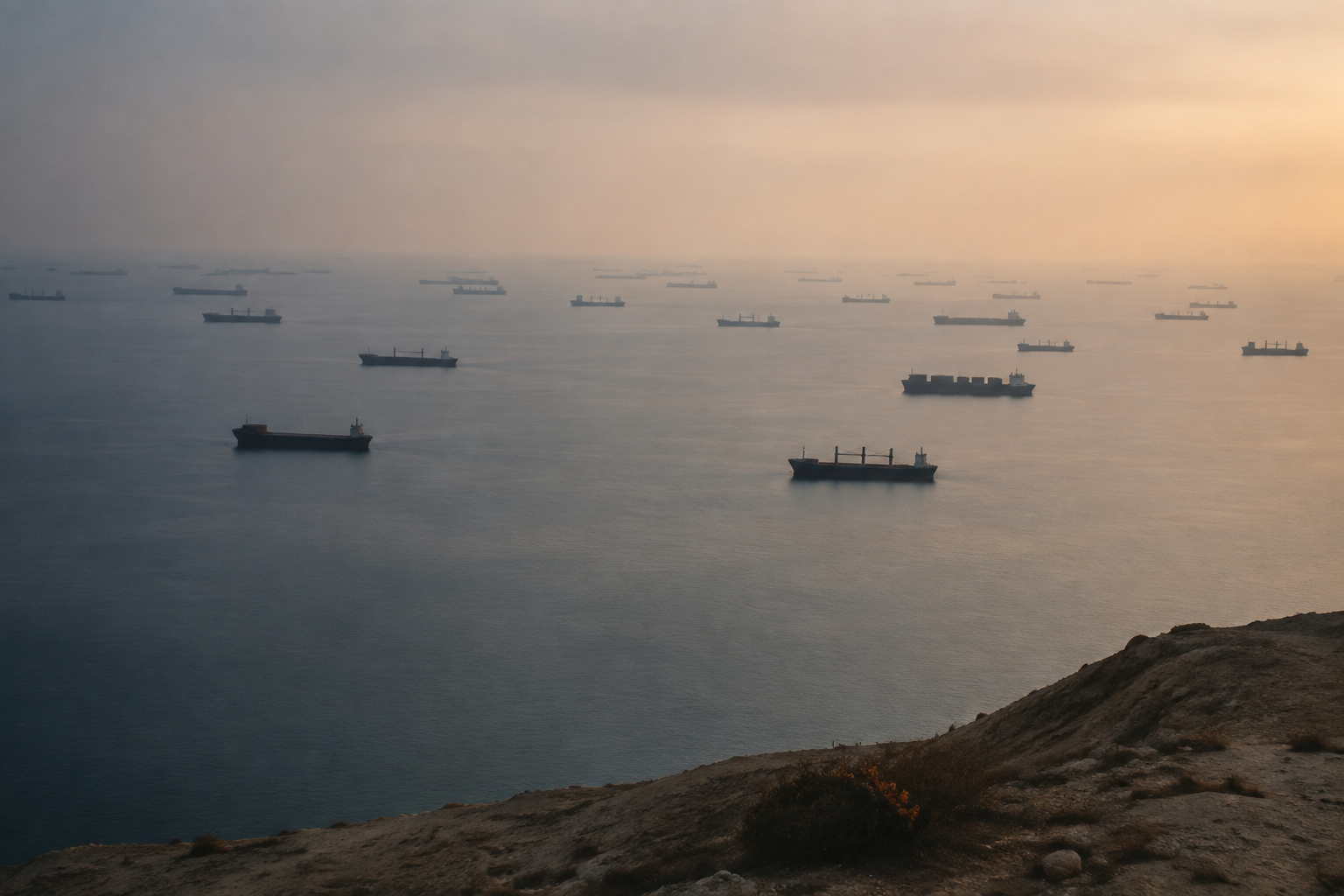
The tanker is inside the port and nothing shows it loading
Aegean Dream’s port call log now reads arrived, Novorossiysk, Sunday 20:45 UTC. Every other signal reads dark: no live AIS fix since 10 August, ballast draught on the last one, no loading recorded, no departure.
Bishkek admits the generators tripped and rejects the blame
Kyrgyzstan’s energy ministry answered Kazakhstan’s account of Friday’s four-country blackout at midday on Monday: yes, two Toktogul hydrogenerators briefly disconnected, and no, that does not make Kyrgyzstan responsible for what followed. The same morning, at home, the cabinet chief was tearing into the ministry for 26 emergency outages in 18 months.

A $10.7 billion corruption claim surfaces inside the Kashagan arbitration
Kazakhstan is arguing in its closed arbitration against the Kashagan consortium that about a dozen contracts worth some $10.7 billion involved self-dealing, unjustified cost increases or bribery, the International Consortium of Investigative Journalists reported on Friday. The allegation is the corruption limb of a claim that has grown to $160 billion.
Four countries lost power in one afternoon, and the operators blame each other
A cascading failure on Friday cut electricity in Kazakhstan, Kyrgyzstan, Uzbekistan and Tajikistan within minutes. Kazakhstan’s operator says the trigger sat at Toktogul, and Bishkek has not answered the claim.
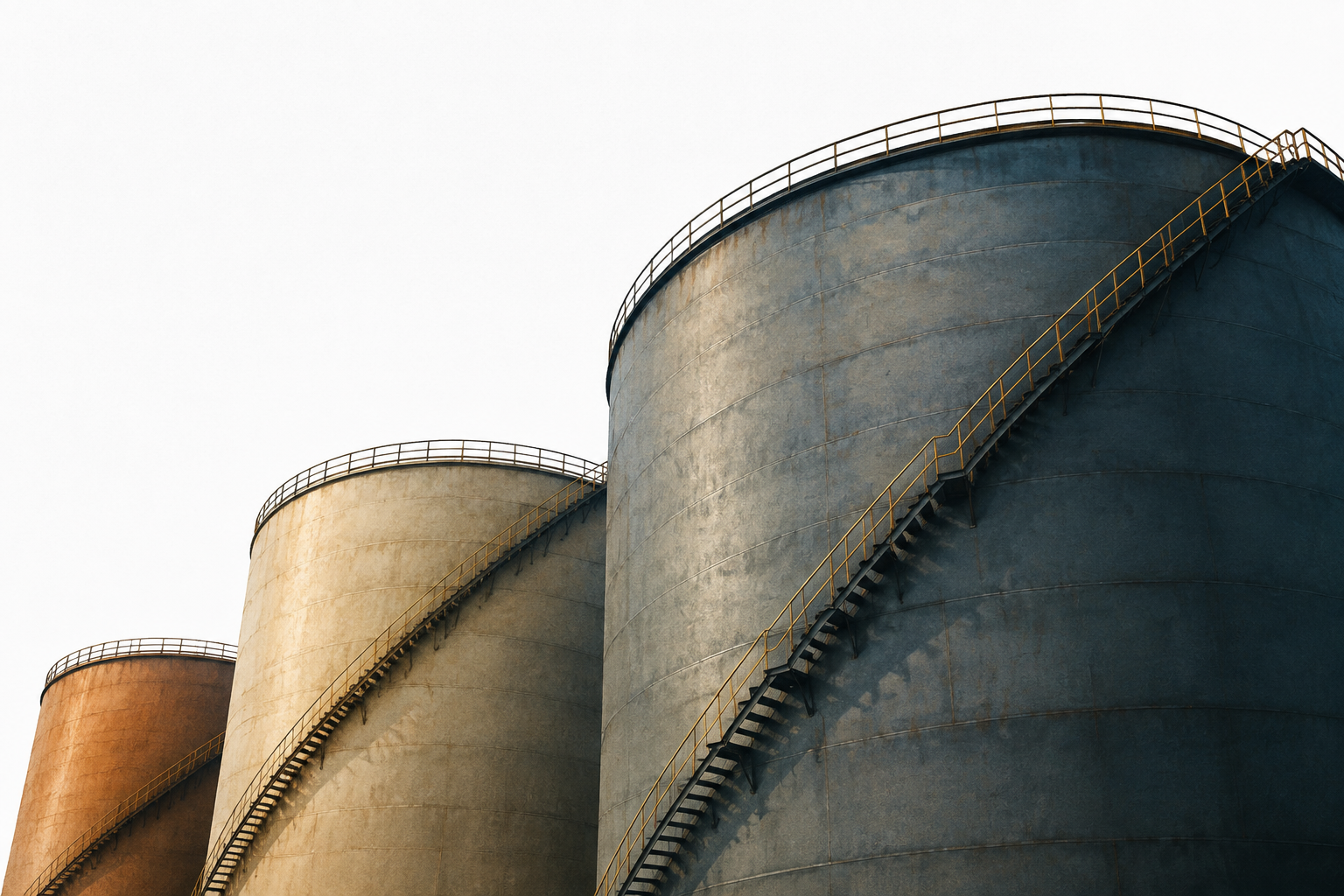
The tank farm is full at Kazakhstan’s other Novorossiysk outlet
Crude exports through Sheskharis, the terminal that ships Kazakhstan’s KEBCO grade alongside Russian oil, halted on Friday after a tanker turned back to sea and the storage behind the pier reached its limit. No restart had surfaced in the wires by Monday morning, and the CPC terminal next door has now said nothing in its own name for 18 days.

Novorossiysk halts its trains and its grain, and Kazakh oil keeps loading
Russian Railways closed loading toward the port for ten days on Thursday. One grain terminal stopped work the same day, another is repairing damage, and the harbour shuts twice today for live artillery practice. Kazakhstan’s crude leaves from a mooring fifteen kilometres west of all of it, and it is the one flow nobody has suspended.

The record rate to ship Kazakh oil is $440,948 a day
Daily earnings for a tanker running from Novorossiysk to Augusta reached $440,948 on Wednesday, the highest figure in a Baltic Exchange series that begins in July 2008. Washington's undertaking with Kyiv, three weeks old, covers the pipe and the terminal. The price is set somewhere else.

Kazakhstan’s oil route now rests on a phone call it was not part of
On 31 July, JD Vance asked Volodymyr Zelensky to stop striking the route Kazakhstan uses to sell most of its oil. Ukraine agreed not to target Caspian Pipeline Consortium infrastructure or non-Russian ships, and a US administration official has confirmed the warning. Last night’s attack on Novorossiysk, the heaviest of this crisis, was the first large test of that undertaking.

Afghanistan signs up to buy the gas it agreed to carry
Türkmengaz and Afghan Gas have signed a memorandum under which Afghanistan will purchase TAPI gas for its own needs. The transit country is becoming a customer, at a price not yet negotiated.
The injured are recounted before the dead can fly home
Uzbekistan's working group reached Nizhnekamsk on Tuesday evening. The special flight it came to organise still has no date, and the official counts of the wounded moved twice in a day.
Nine hours over Novorossiysk, and the tanker due Thursday stays dark
Russia's largest Black Sea port spent the night of 11-12 August under a combined drone attack that ran past nine hours. The crude tanker due at the CPC terminal on Thursday morning has meanwhile been silent on AIS for more than 40 hours.
Mongolia's ministry publishes the Moscow promise, and Russia says nothing
The claim that Russia will send Mongolia an extra 25,000 tonnes of petrol this month moved on Tuesday from a minister's social account to his ministry's own website. No Russian institution has confirmed it.
Rosatom signs for 100 megawatts of Kyrgyz wind
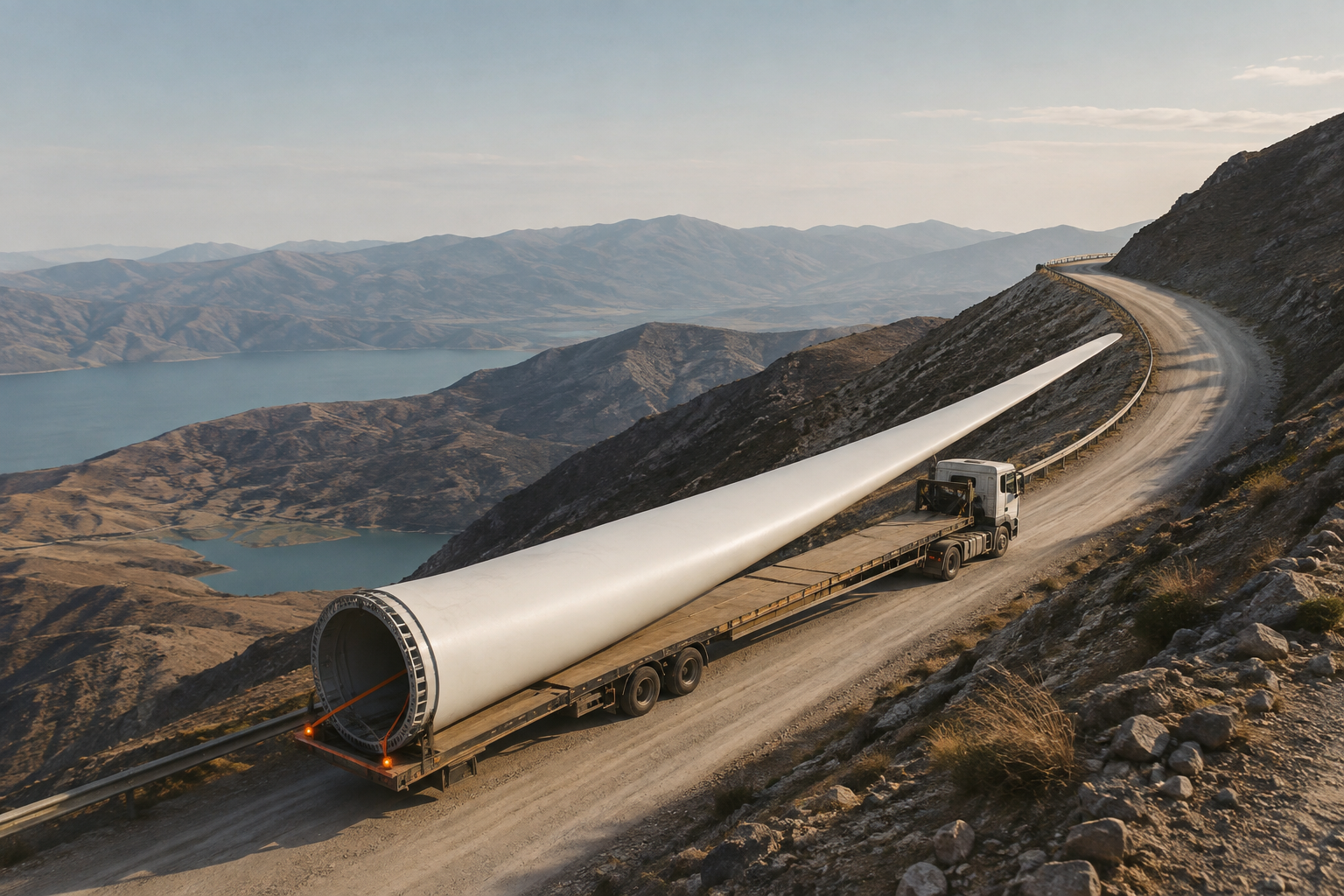
Rosatom’s wind arm, the Russian-Kyrgyz Development Fund and the Eurasian Development Bank have signed for a 100 MW wind farm at Kok-Moinok in the Issyk-Kul region. The signature is five days old; the full public record of it assembled only this week.
Russia agrees to send Mongolia 25,000 more tonnes of petrol
Industry and mineral resources minister Damdinnyam Gongor met Russian energy ministry leadership and executives of Rosneft and Gazprom Neft in Moscow on Monday, and came away with a promise of 25,000 additional tonnes of AI-92 and 5,000 tonnes of jet fuel by 31 August. By his account, that ends the case for rationing.

Nine trips in a year: Mongolia’s fuel envoy starts in Moscow
The minister running Mongolia’s fuel crisis named his route on Sunday: Moscow first, then Kazakhstan, then Beijing. The itinerary carries its own message: whatever China agrees to supply, the system still runs through Russia.

Petronas finds commercial gas in Caspian Block 1
More than 1.3 million cubic metres a day from a well 80 kilometres off Turkmenbashi.

Mongolia asks PetroChina for 12,000 tonnes a month
China agreed 6,000 tonnes of petrol for August. The prime minister wants that doubled and made standing, and he wants it cheaper.

Exxon offers $80 billion for Kashagan, and asks Astana to settle first
ExxonMobil has tied a proposed $80 billion expansion of the Kashagan field to settling Kazakhstan's claims against the consortium that runs it, Kursiv reported on Friday, citing sources close to the talks. Those claims come to about $150 billion.

Two in five people in Mongolia's fuel queue are counted twice
Mongolia's tax office says 40% of fuel customers are people who join one station's line and then another's. The ministry running the rationing is looking at doubling the purchase cap, possibly from Saturday.