Caucasus
Coverage across the South Caucasus — Georgia, Armenia, and Azerbaijan.
Georgia’s party-ban hearing enters its second week with no opposition motion granted
The Constitutional Court resumes at noon today with the presentation of Ana Tsitlidze of the United National Movement, its chairman Revaz Nadaraia said. The plenum of seven judges has granted none of the opposition’s motions since the case opened on 21 October. On Monday Nadaraia warned a UNM representative that doubting the court’s impartiality has its limit.

Armenia’s ruling party tops 18 of 19 local votes, and its leader is ‘by no means happy’
Armenia’s Central Electoral Commission gives Civil Contract first place in 18 of the 19 communities that voted by party lists on Sunday, with shares above 90 percent in five where it ran alone. On Monday Nikol Pashinyan said he was ‘by no means happy’ with such figures and that Armenia needs an opposition that puts the state first. Parliament sits today with the TRIPP agreement on its agenda.

Armenia has effectively already withdrawn from the CSTO, Masadykov says
Taalatbek Masadykov, secretary general of the Collective Security Treaty Organisation, said Armenia no longer takes part in the bloc’s decisions, exercises or core activities and has in effect left, Armenpress reported on Friday, citing TASS. He did not rule out Armenia’s membership coming up at the Collective Security Council in Moscow on 11 November. Armenia’s parliament debates ratification of the TRIPP agreement on Tuesday.
Central Asia’s five foreign ministers meet Georgia’s in Batumi for the first time
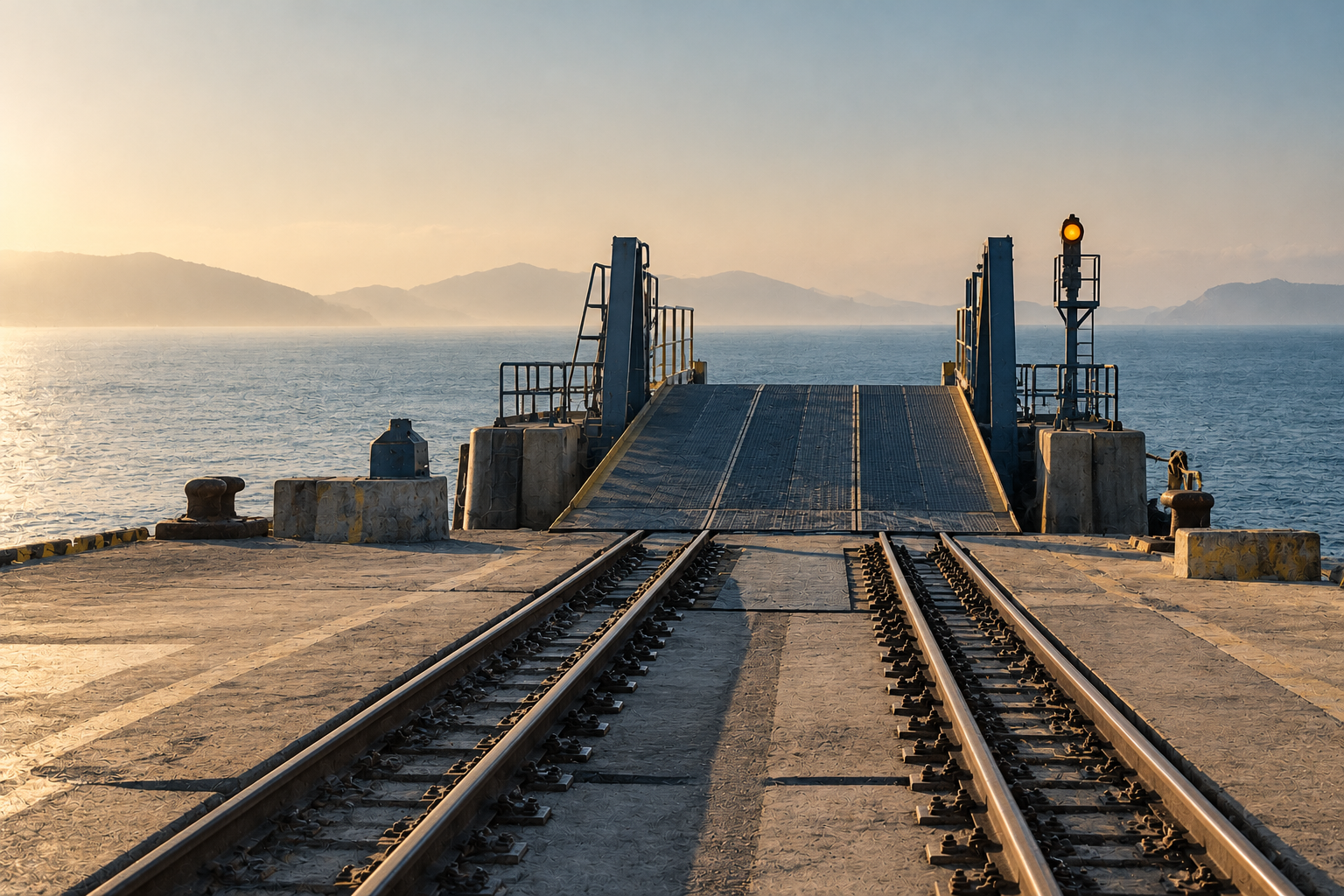
The foreign ministers of Kazakhstan, Kyrgyzstan, Tajikistan, Turkmenistan and Uzbekistan met Maka Botchorishvili in Batumi on Friday in the first meeting of this format, and visited the port with the head of Georgia’s Maritime Transport Agency. The Middle Corridor, digital freight documents and port and rail capacity filled the agenda. Botchorishvili called closer ties with Central Asia a key foreign policy priority for Georgia.

Four governments approve the Black Sea cable study and GECO puts the cost at €22.1 billion
The feasibility study for the Caspian to Black Sea to Europe green energy corridor is complete and approved by the governments of Azerbaijan, Georgia, Romania and Hungary, the project company GECO said in an investment presentation reported by APA on Saturday. The company puts total investment at about €22.1 billion and plans three high-voltage direct current lines of 1.3 gigawatts each, the first in 2032.
Azeri Light ends the week at $126.59 after a 3.8 percent jump on Saturday
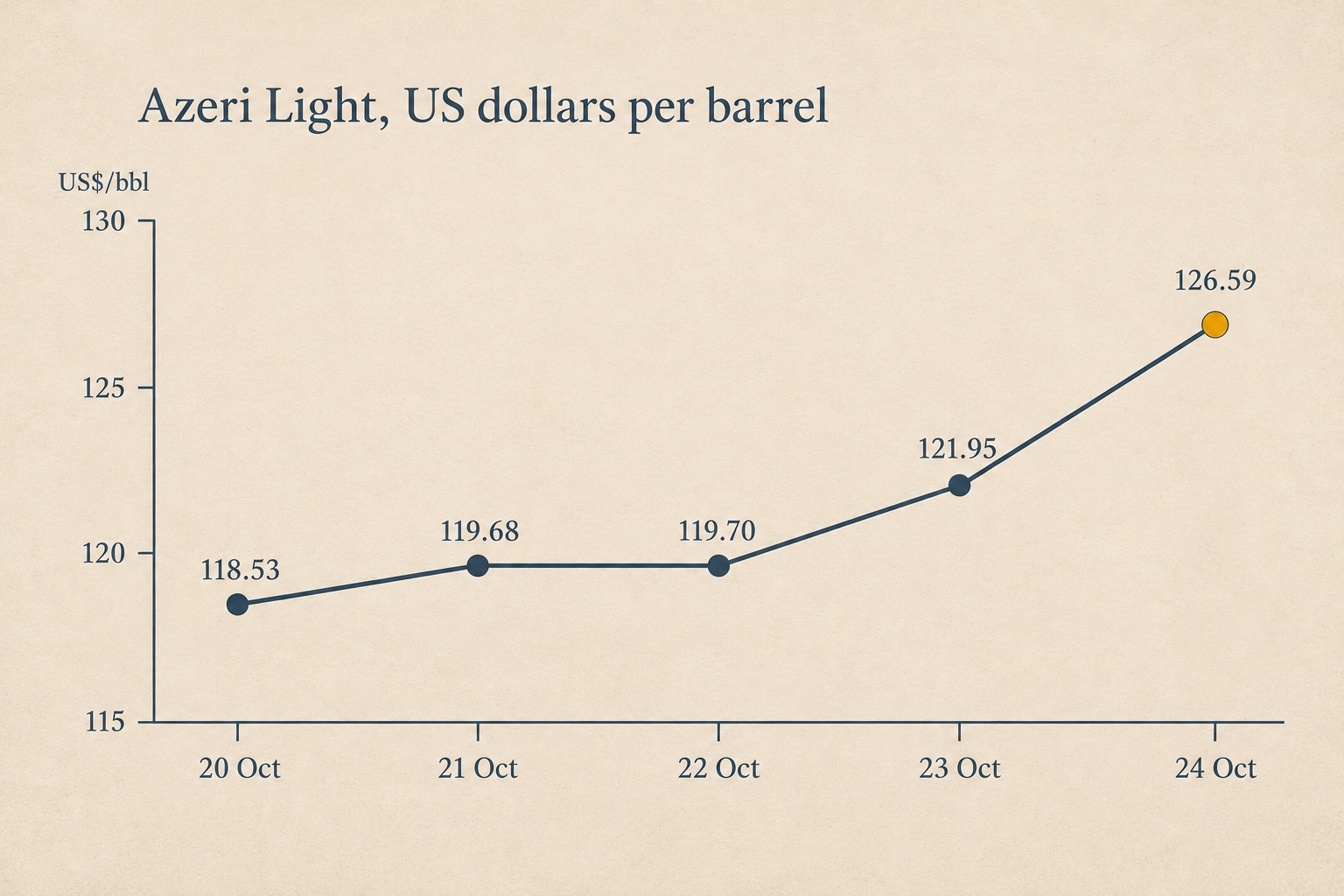
Report.az’s Saturday print put Azeri Light at $126.59 a barrel, up $4.64 on Friday’s print and the largest single step of the week. Over the four prints since Monday’s $118.53 the grade has gained 6.8 percent by CAW’s arithmetic. Azerbaijan’s budget for this year assumes $65.

Georgia’s Constitutional Court rules today on summoning Ivanishvili in the party-ban case
Georgia’s Constitutional Court resumes its hearing on the banning of five opposition parties at 14:00 today, 26 October, after three days of sittings in Batumi. The plenum will first rule on a motion by Gakharia’s party to question Bidzina Ivanishvili and other Georgian Dream leaders as witnesses, then turn to the merits. Prime Minister Irakli Kobakhidze says the five are in reality one party.
SOCAR Turkiye refinances $1.6 billion with 22 banks at SOFR plus 230 basis points
SOCAR Turkiye raised $1.6 billion of five-year financing from 22 banks of Europe, the Far East and the Middle East to refinance existing obligations, Report wrote on 21 October citing the company. First Abu Dhabi Bank and Mizuho led the deal, demand was 1.8 times the target, the margin is SOFR plus 230 basis points and SOCAR guarantees the loan. The refinanced loans are not named.
Lelo’s motions fall on day two in Batumi as Japaridze asks what the party is accused of
The Constitutional Court rejected every motion by Lelo Strong Georgia on the second day of hearing Georgian Dream’s suit to ban five opposition parties, including referral to the European Court of Human Rights and an invitation to Venice Commission experts, Badri Japaridze told reporters on 22 October. The hearing resumes on 23 October. A Georgian Dream committee chairman defended the new channel to Moscow.

Pashinyan calls the EAEU report a third attempt to change Armenia’s government
Asked on 22 October about the four governments’ report on suspending the EAEU treaty for Armenia, Nikol Pashinyan said member states have no right to expel a member and called the report a third attempt to change the government after 2023 and June 2026. He ruled out an economic apocalypse from gas at $300, and on Friday the CSTO’s secretary general said Armenia had de facto left that bloc.
Aliyev approves the alliance treaty with Kyrgyzstan and takes Erdogan’s call about Ankara
Ilham Aliyev signed on 21 October the law approving the Treaty on Allied Relations between Azerbaijan and Kyrgyzstan, signed at Cholpon-Ata on 31 July 2026, Report said at 17:13 Baku. The same evening Recep Tayyip Erdogan telephoned to repeat his congratulations on 35 years of independence and to invite Aliyev to the 13th Organisation of Turkic States summit in Ankara on 29 and 30 October.

Georgia’s party-ban court keeps its judges and Kobakhidze names a Russia envoy
On the first day of the hearing on banning five opposition parties, the Constitutional Court’s plenum rejected the motions to recuse its judges and removed a National Movement leader from the room for the rest of the proceedings. In Tbilisi the same afternoon Irakli Kobakhidze appointed Giorgi Zurabashvili his special representative for relations with Russia and said no new phase was beginning.

Armenia knows of no way to suspend an EAEU member, Mirzoyan says
Armenia’s foreign minister said on 21 October that his government knows of no legal mechanism by which four EAEU members can suspend a fifth, that sovereignty takes precedence over trade, and that he does not know how far a unilateral gas price rise would be in the spirit of partnership. Earlier that afternoon a parliamentary committee voted four to one for the TRIPP agreement with the United States.

TurkPA closes its 15th plenary in Bishkek with a declaration and the next session in Türkiye
The Bishkek Declaration ended the Parliamentary Assembly of Turkic States’ 15th plenary on Tuesday, the assembly’s site reported, after the speakers of Azerbaijan, Kazakhstan, Kyrgyzstan and Türkiye, the Turkish Cypriot speaker as an observer and Uzbekistan’s Senate chair Tanzila Narbayeva as a guest had spoken. On the agenda were four model laws, the 2027 budget and the election of two deputy secretaries general.
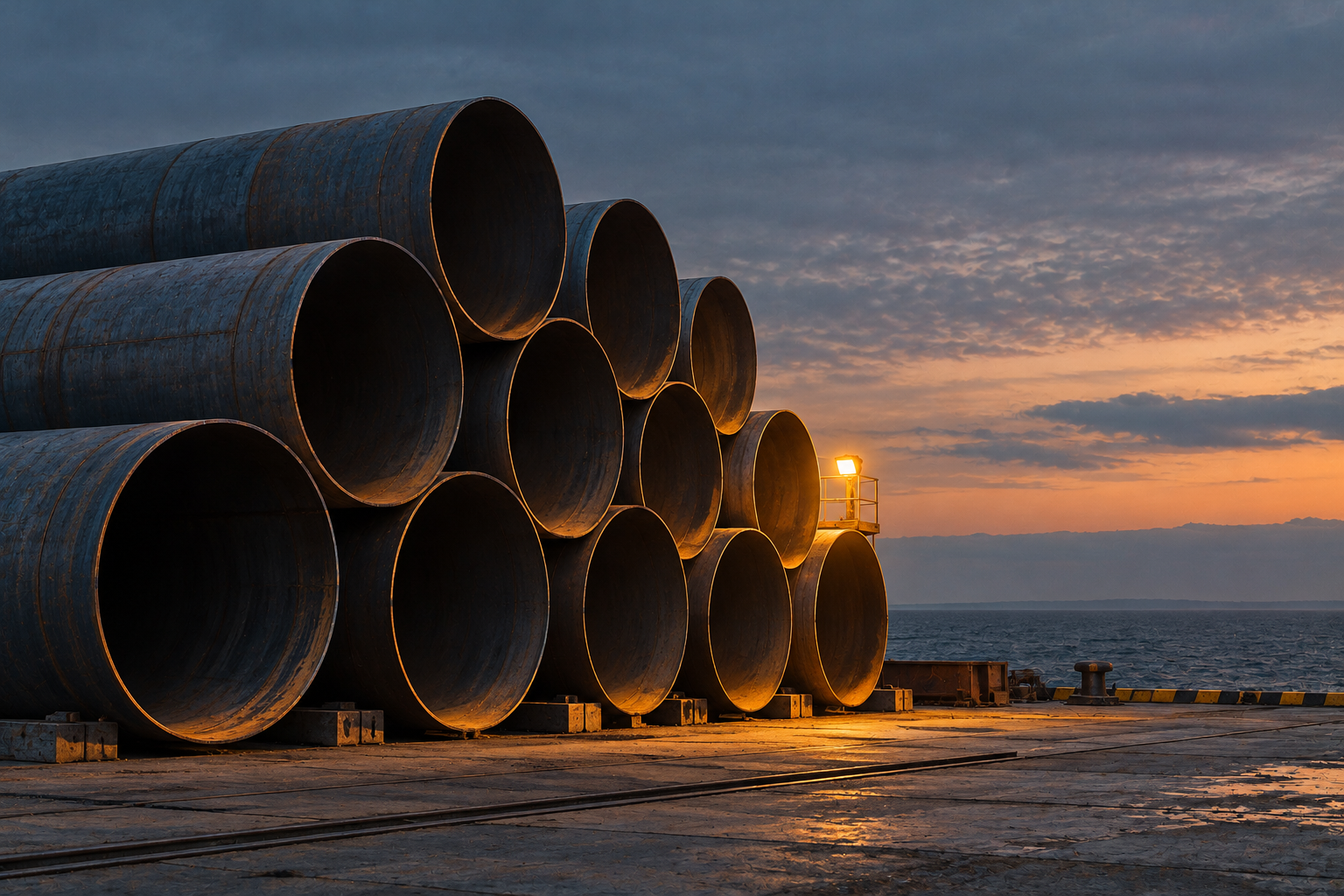
BP starts offshore construction on the $2.9 billion Shah Deniz Compression project
Four piles about 70 metres long and 292 tonnes each now stand where the compression platform’s jacket is to be installed in the first half of 2028, BP Azerbaijan said on Tuesday in the Baku agency Report’s account. The platform is to recover about 50 billion cubic metres of gas and 25 million barrels of condensate, and Azeri Light sold at $118.53 the same morning.

Georgia’s Constitutional Court opens hearings on a bid to ban five opposition parties
A lawsuit signed by 88 Georgian Dream MPs in the 150-seat parliament asks the Constitutional Court to declare five opposition parties unconstitutional: the United National Movement, the Coalition for Change, Strong Georgia, the Federalist Party and Gakharia’s For Georgia. Substantive hearings run in Batumi on 21, 22 and 23 October, and the opposition will protest outside the court from 11:00 while its lawyers sit inside.
Kazakhstan and Kyrgyzstan sign an EAEU appeal that prices a suspension of Armenia
The heads of government of Russia, Belarus, Kazakhstan and Kyrgyzstan sent the Eurasian Economic Commission on Tuesday a report on what suspending the union treaty for Armenia would cost: gas assumed at $300 instead of $177.50 a thousand cubic metres, trade with the union cut by 55.6%, remittances from Russia halved. Their appeal goes to four presidents and Armenia’s prime minister, two months before the presidents’ December date.
Azerbaijan’s crude exports fell 6.9% in volume and rose 13% in value over nine months
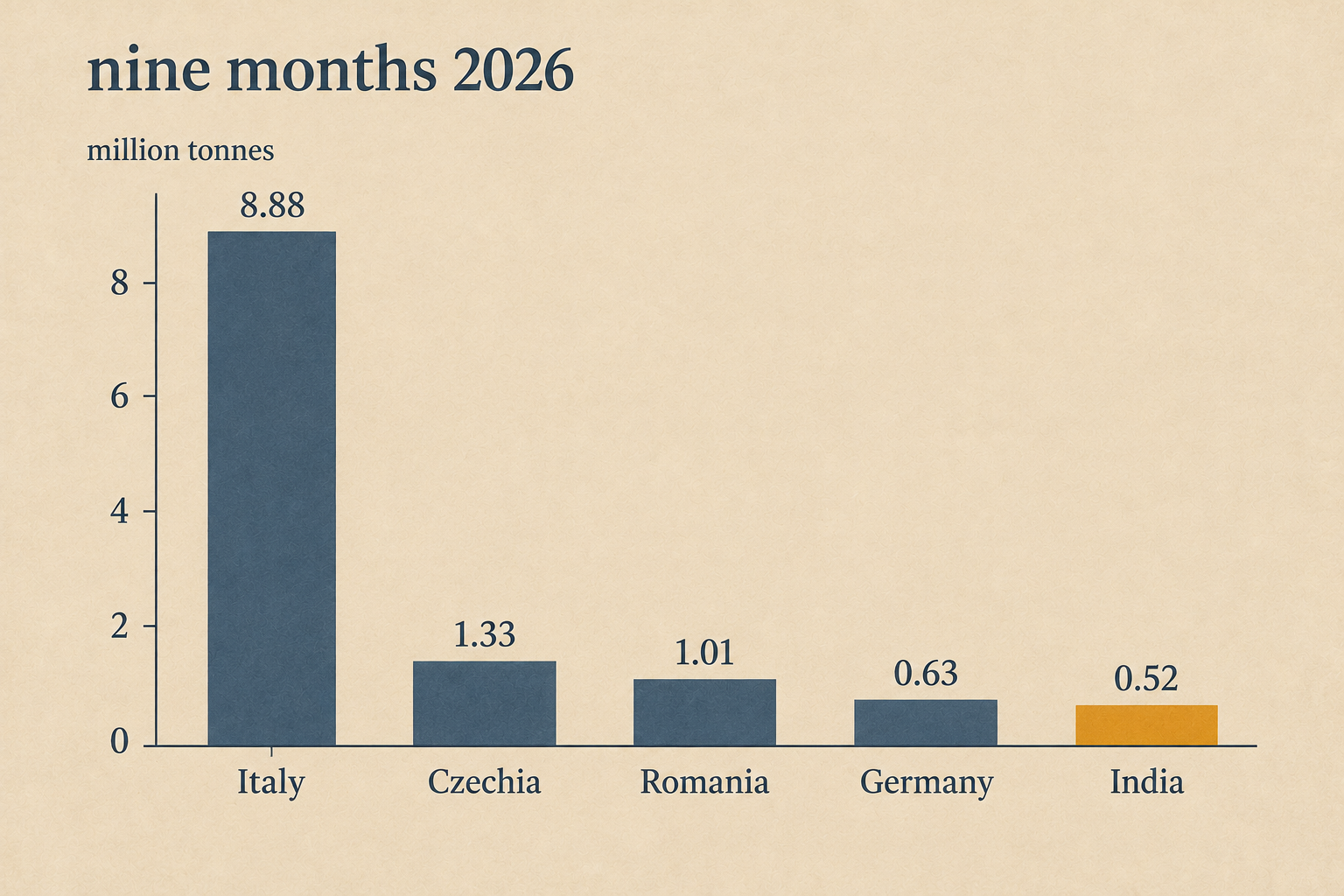
The State Customs Committee’s table for January to September puts crude exports at 15.83 million tonnes worth $10.10 billion, with Italy taking 56% of the tonnage. India’s purchases rose fourfold to 524,000 tonnes, and the agency Report has printed no Azeri Light price since Saturday.
Armenia’s parliamentary committee takes up the TRIPP agreement on Wednesday
The National Assembly’s foreign relations committee debates the ratification of the framework agreement on strategic cooperation with the United States on the Trump Route for International Peace and Prosperity on Wednesday 21 October, with Ararat Mirzoyan as rapporteur. Ratification itself falls to the plenary, which opens on 27 October.