Kazakhstan
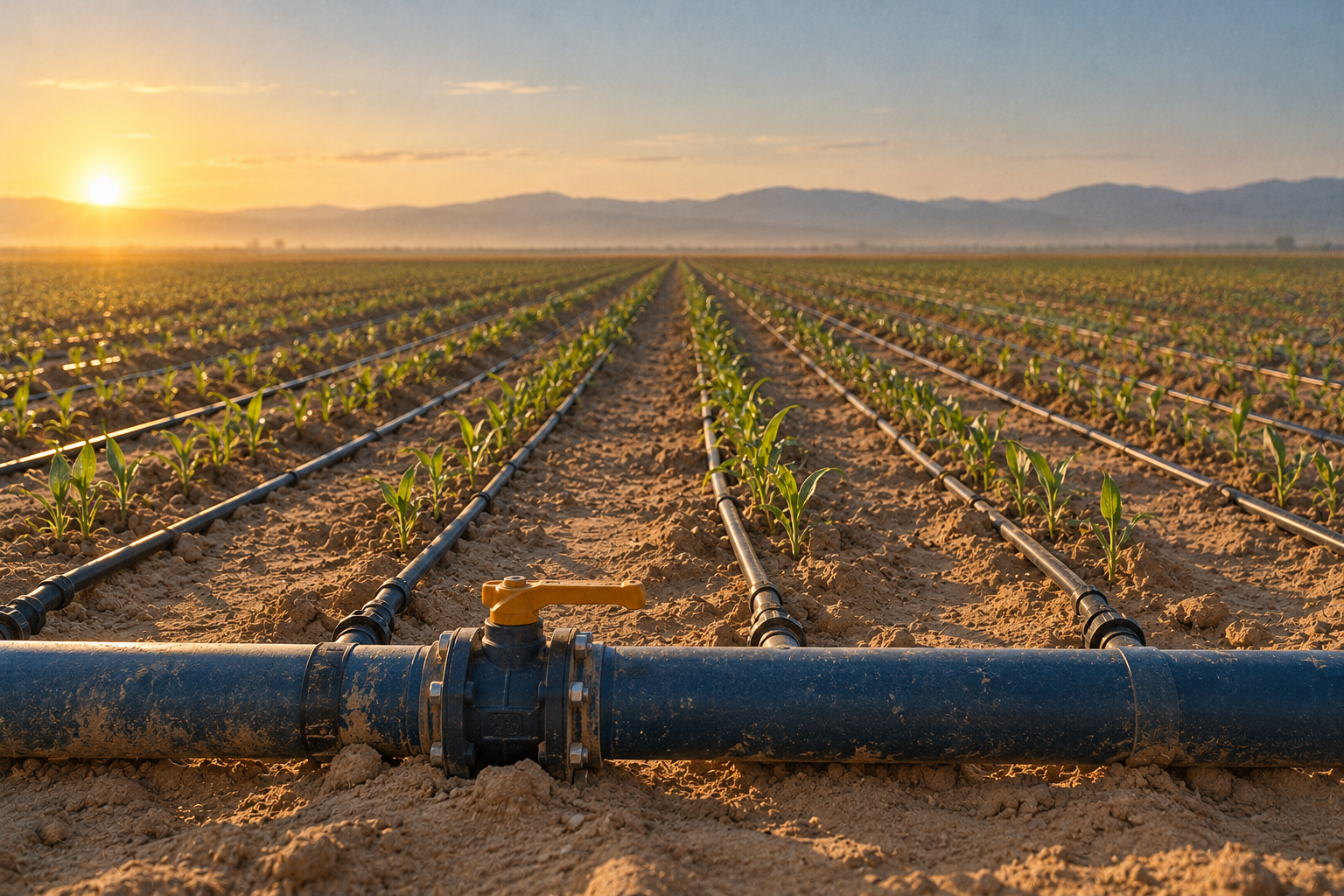
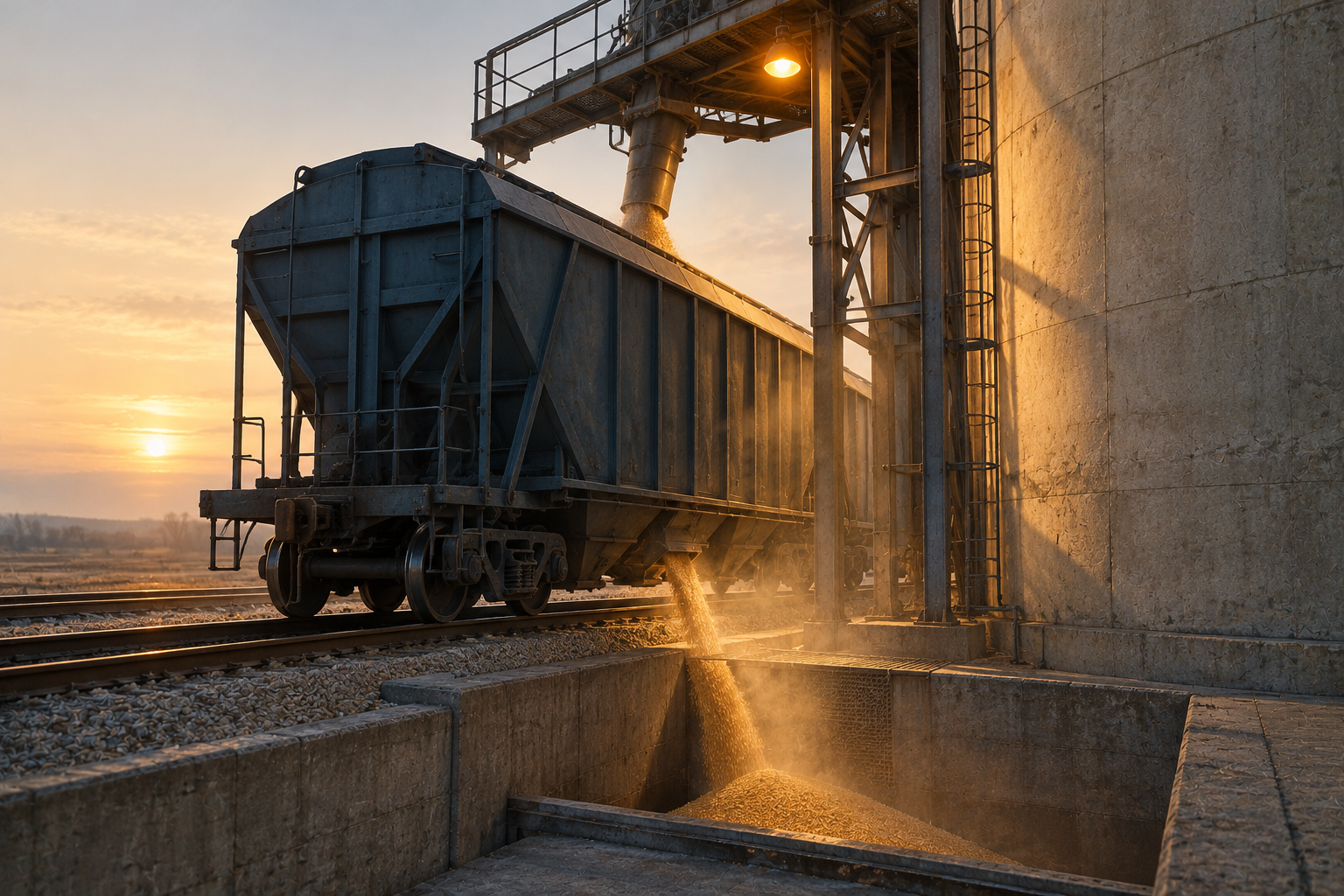
Kazakhstan’s trade with Tajikistan passes $1 billion in eight months on wheat and fuel gas
Trade between Kazakhstan and Tajikistan exceeded $1 billion in January to August, 34 percent more than a year earlier, Kazakhstan’s ambassador in Dushanbe, Valikhan Turekhanov, said at a Republic Day reception on Monday. Asia-Plus puts the nine-month figure at about $1.13 billion, with wheat, liquefied petroleum gases, steel rebar and alumina the largest lines from Kazakhstan and zinc concentrate the largest the other way.
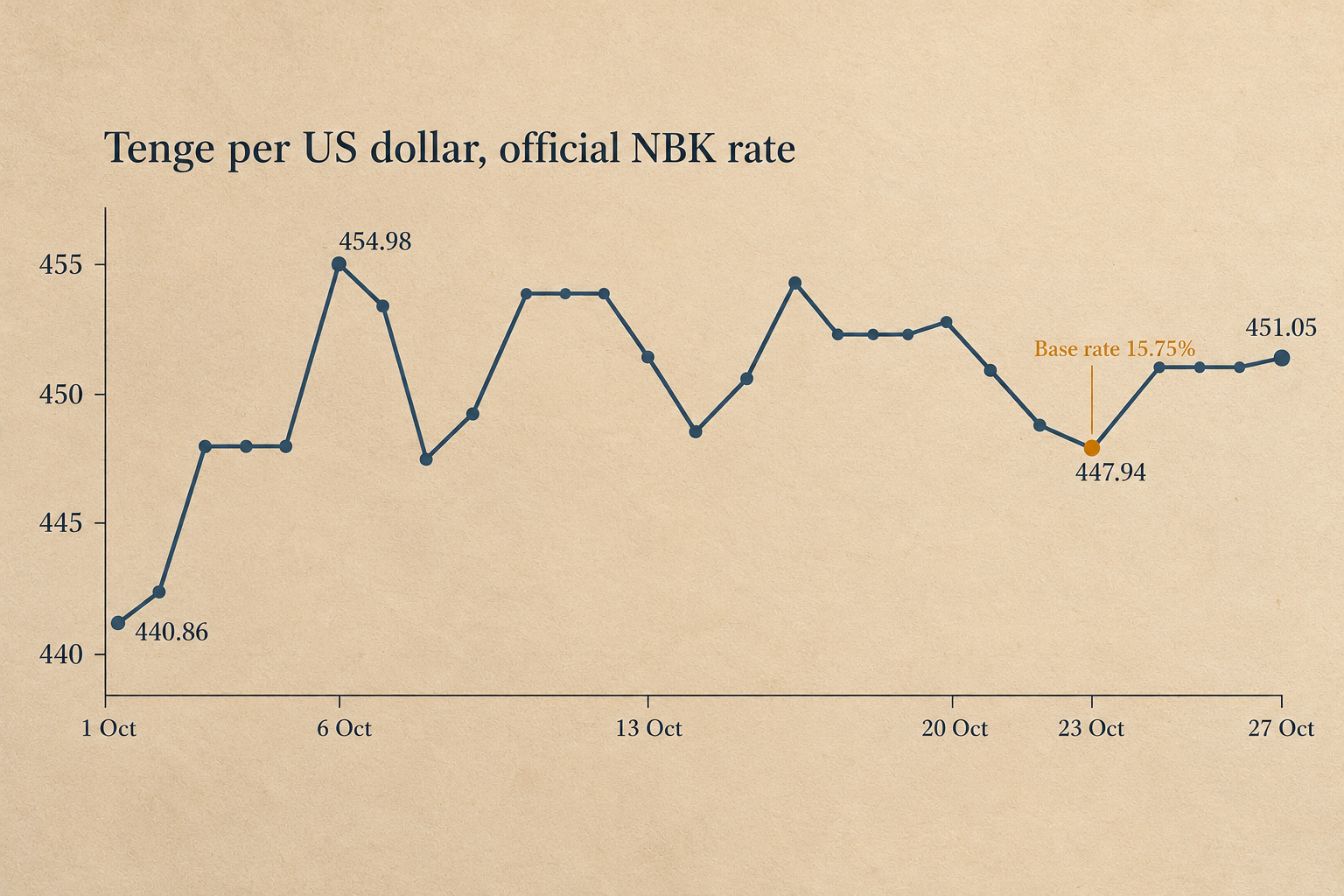
Tenge at 451.05 per dollar, 2.3 percent weaker than on 1 October
The National Bank of Kazakhstan’s official rate for 27 October is 451.05 tenge to the dollar, the fixing set from Friday’s trading, since Monday was a day off in Kazakhstan. Since 1 October the tenge has given up 10.19 tenge, or 2.3 percent by CAW’s arithmetic. Against 20 October, the Monday of the rate decision week, it stands 1.54 tenge stronger.
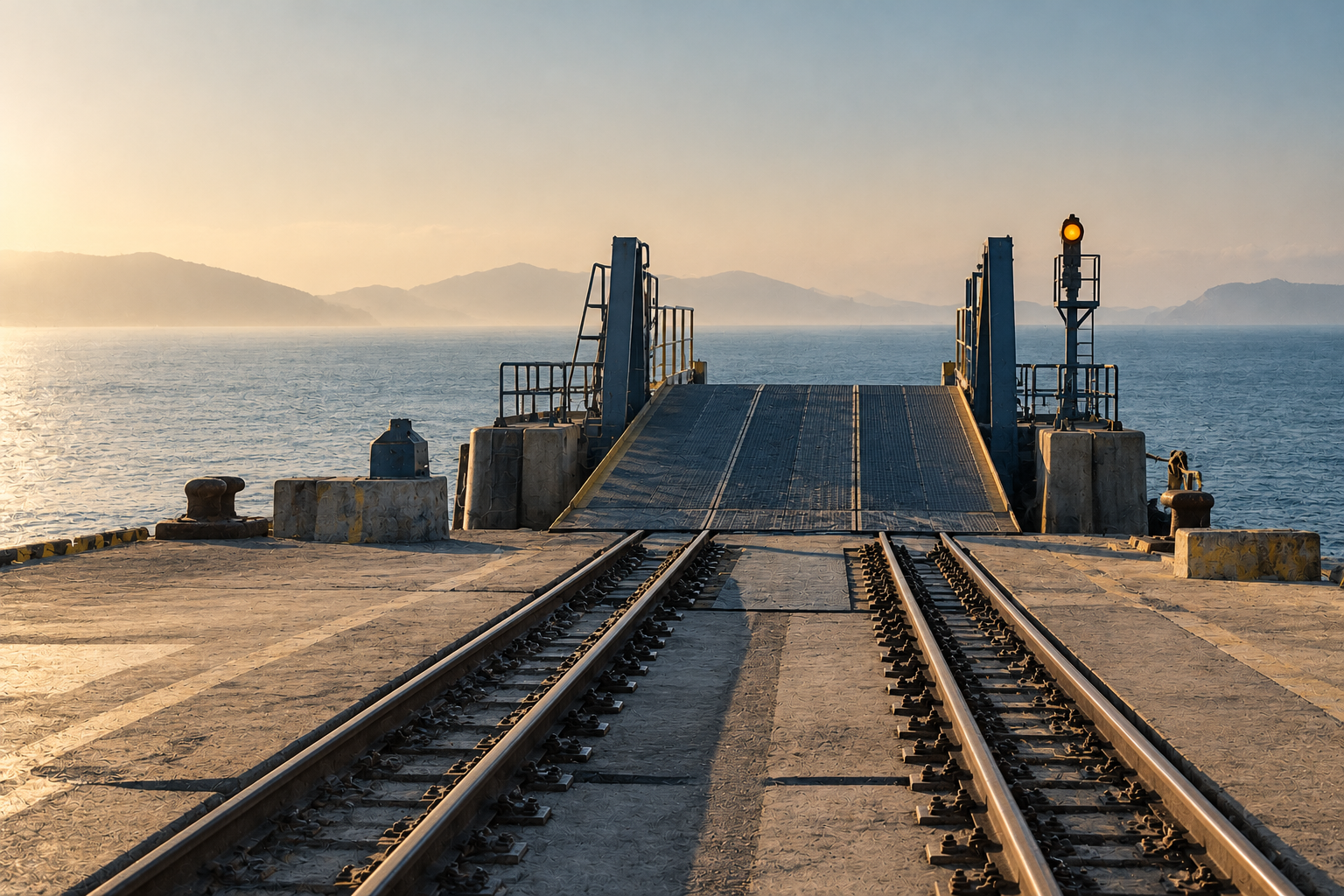
Central Asia’s five foreign ministers meet Georgia’s in Batumi for the first time
The foreign ministers of Kazakhstan, Kyrgyzstan, Tajikistan, Turkmenistan and Uzbekistan met Maka Botchorishvili in Batumi on Friday in the first meeting of this format, and visited the port with the head of Georgia’s Maritime Transport Agency. The Middle Corridor, digital freight documents and port and rail capacity filled the agenda. Botchorishvili called closer ties with Central Asia a key foreign policy priority for Georgia.
Kazatomprom calls a second shareholder vote on supplying uranium to Rosatom’s Uranium One
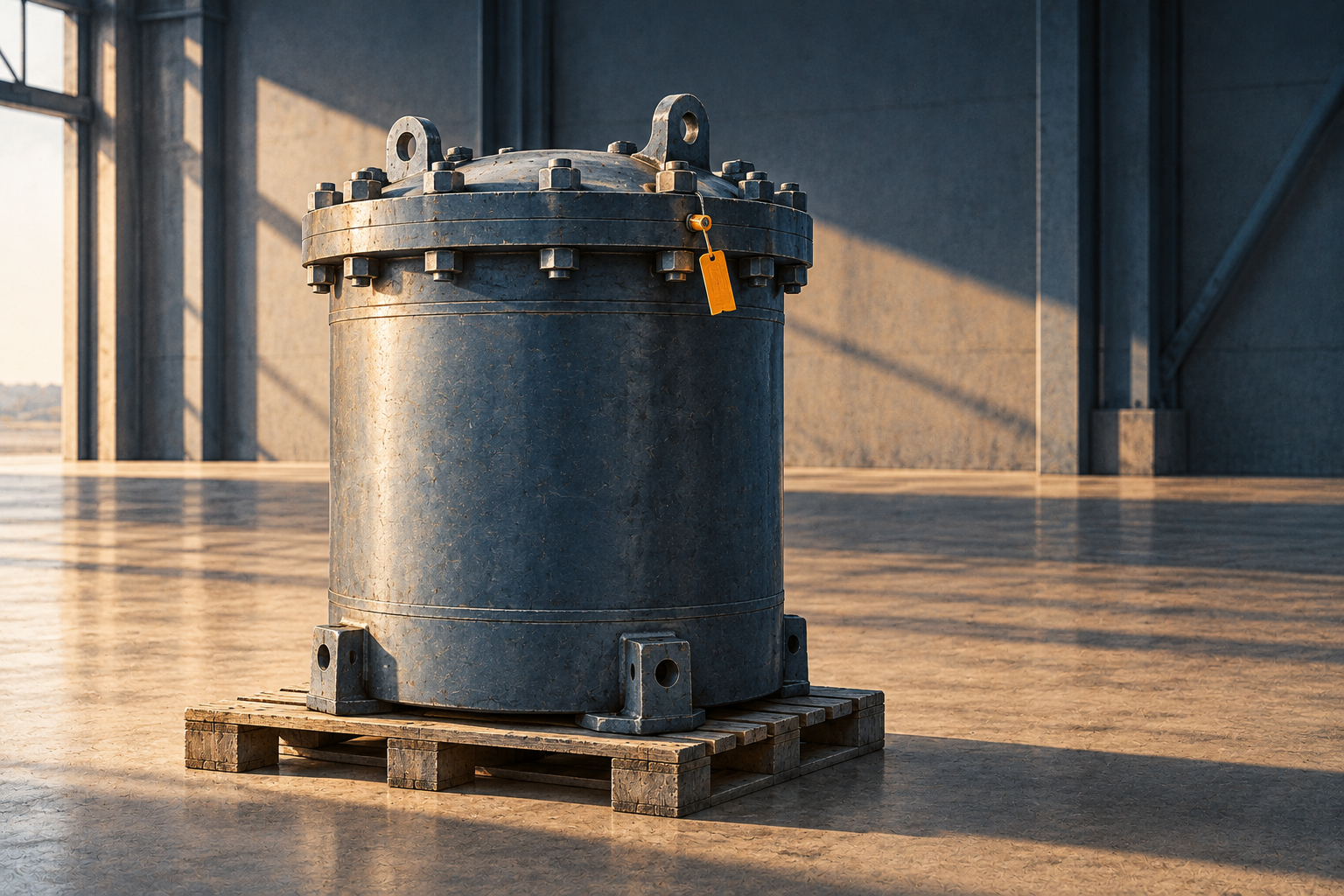
Kazatomprom’s board will put the natural uranium supply contract with Uranium One, a Rosatom subsidiary, to shareholders again after a first vote went against it, with absentee voting from 25 November to 9 December. In Tashkent, Rosatom’s director general Alexei Likhachev said the company fears no competition for Uzbekistan’s next reactors and will offer its services.
Jensen Huang proposes Kazakhstan as a hub of physical AI and receives the Order of Dostyk
Nvidia’s co-founder and president told President Kassym-Jomart Tokayev in Astana on Friday that Kazakhstan has the energy and the people to become a hub of what he called physical AI. He named Firebird AI, Kazakhtelecom and Higgsfield as the company’s partners in the country. Tokayev awarded him the Order of Dostyk, first class, for his contribution to artificial intelligence in Kazakhstan.
Kazakhstan cuts its base rate to 15.75 percent and calls another change this year unlikely
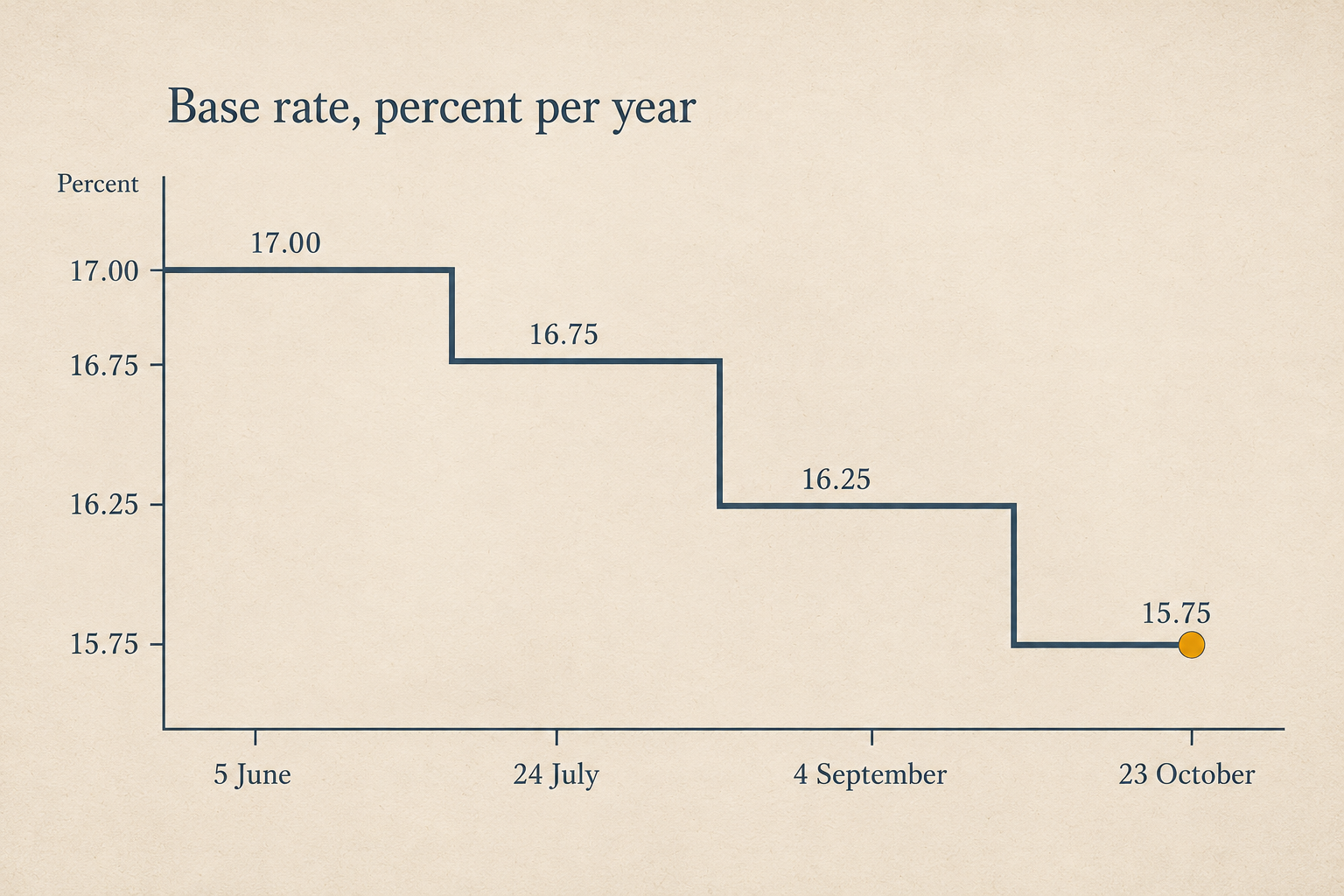
The National Bank of Kazakhstan cut its base rate to 15.75 percent on Friday and wrote that another change before the end of 2026 is unlikely, with the risks it lists all on the upside. Annual inflation stood at 9.3 percent in September, slowing for a twelfth month. The tenge weakened by 3.11 tenge to 451.05 per dollar on the day of the decision.
Bektenov lists 22 documents for $4.8 billion at KGIR, two memoranda at $1 billion each
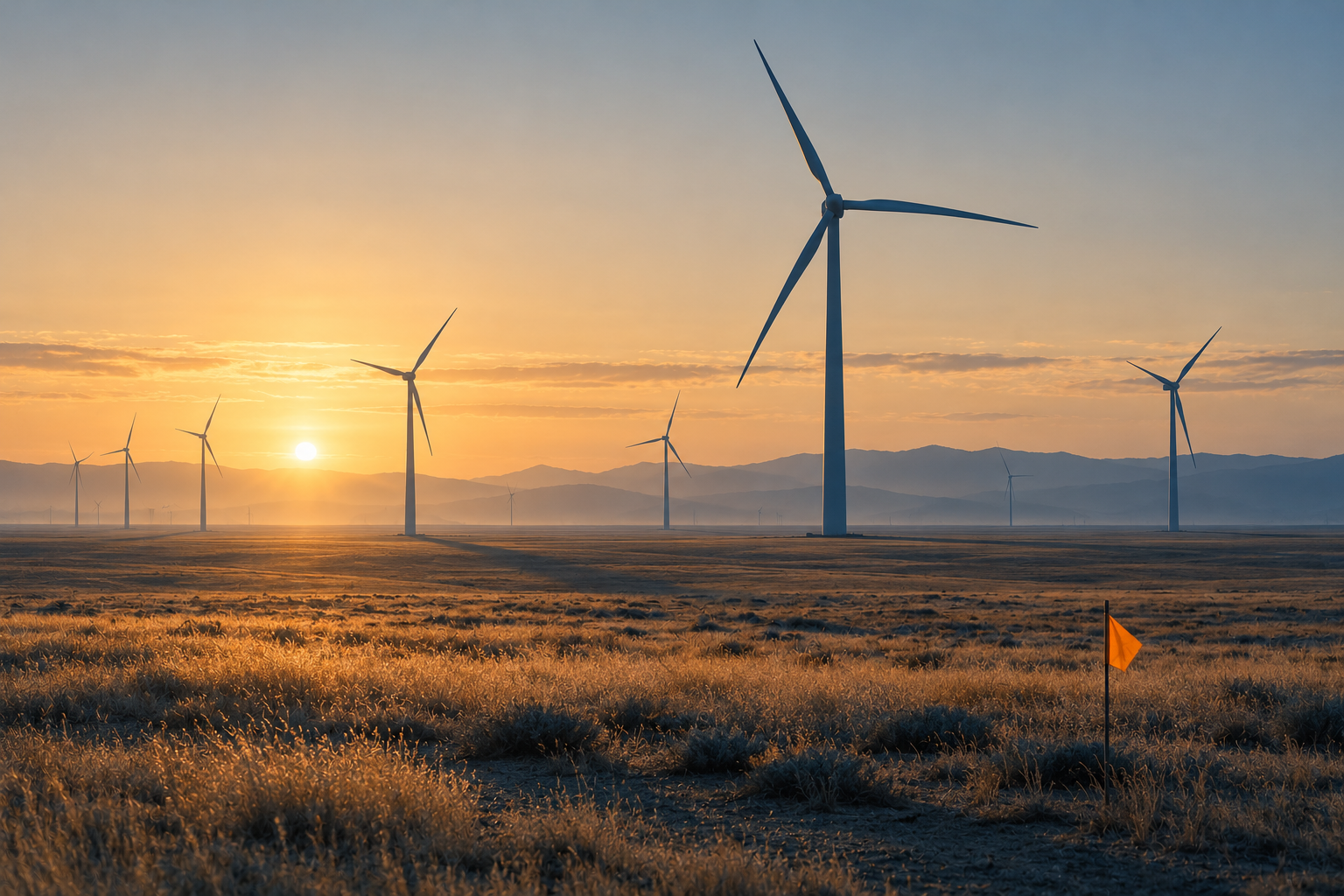
Twenty-two documents worth $4.8 billion were signed on the sidelines of the ninth Kazakhstan Global Investment Roundtable in Shymkent on 22 October, the prime minister’s office said: three investment agreements led by a $730 million wind farm in Kostanay region, and memoranda including $1 billion for a Kuryk port terminal with China’s Guoyou Materials Group and $1 billion for 20 inclusive schools.
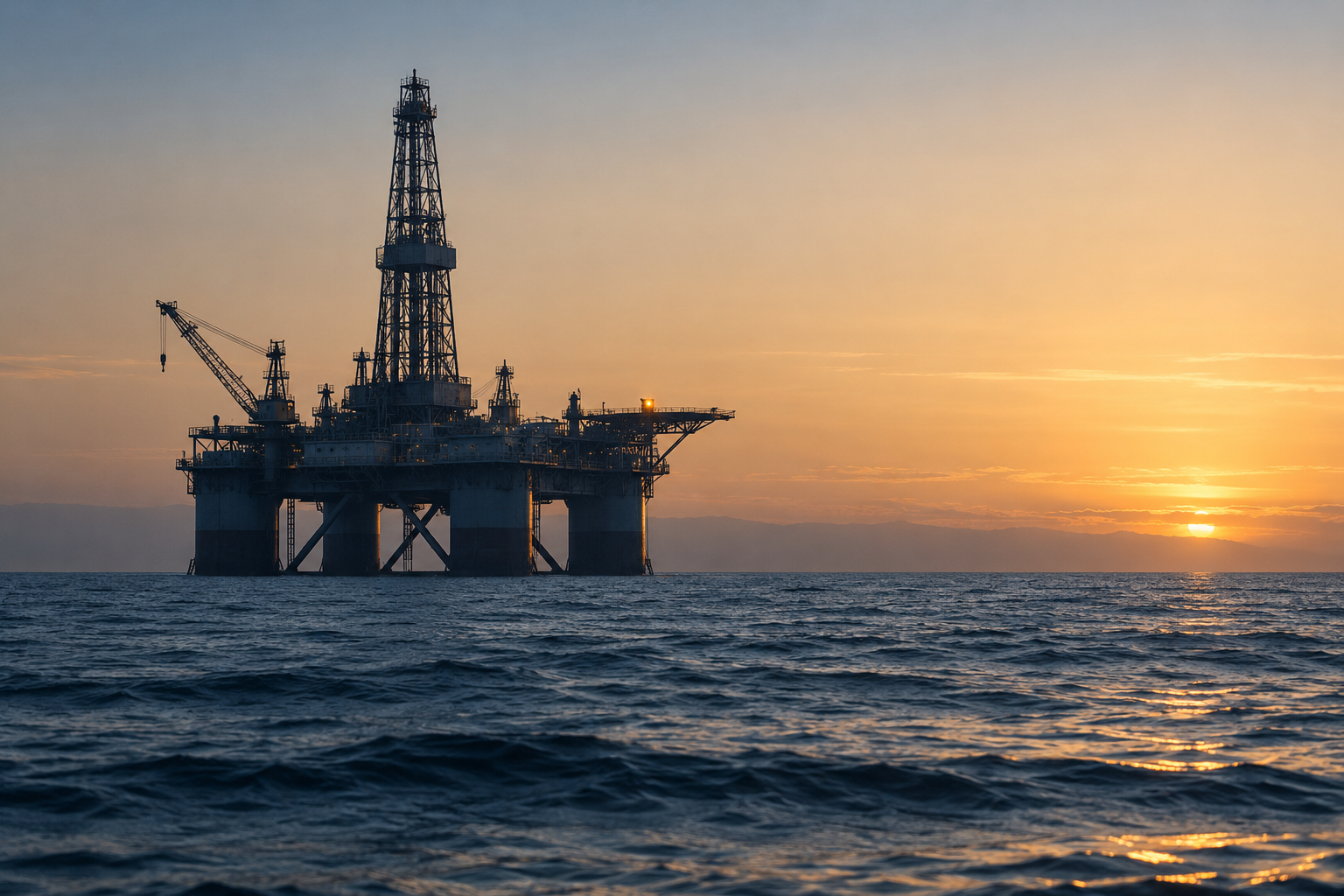
Turkmennebit and CNOOC sign on Caspian blocks among five OGT documents with no sums
After the second day of Oil and Gas of Turkmenistan 2026 on 22 October the state concerns signed five documents: a Turkmennebit memorandum with CNOOC on blocks in the Turkmen sector of the Caspian, a services memorandum with Malaysia’s MPRC and three pipe-supply contracts with plants in Tashkent, Tianjin and Kazakhstan, News Central Asia reported. No values were published.
Kashagan tribunal rejects $12 billion of Kazakh claims as time-barred, Bloomberg reports
An international arbitration tribunal has rejected about $12 billion of Kazakhstan’s claims against the Kashagan consortium’s shareholders over disputed development costs of 2011 to 2015, ruling that the government filed too late, and allowed about $8 billion of other claims to proceed, Bloomberg reported on 22 October citing people familiar with the matter. The process continues, and Astana still seeks more than $150 billion.
US order on buyers of Russian oil and gas waives every duty and names no country
Executive Order 14436 reached the Federal Register on 21 October: four pages that set the Graham act’s duties and waive them, with its bank and secondary sanctions, in one text. The 100% duty on the five largest buyers of Russian oil and gas is tied to new purchases from 18 October, the five are unnamed, and the waivers run until the President or the Secretary of State decide otherwise.
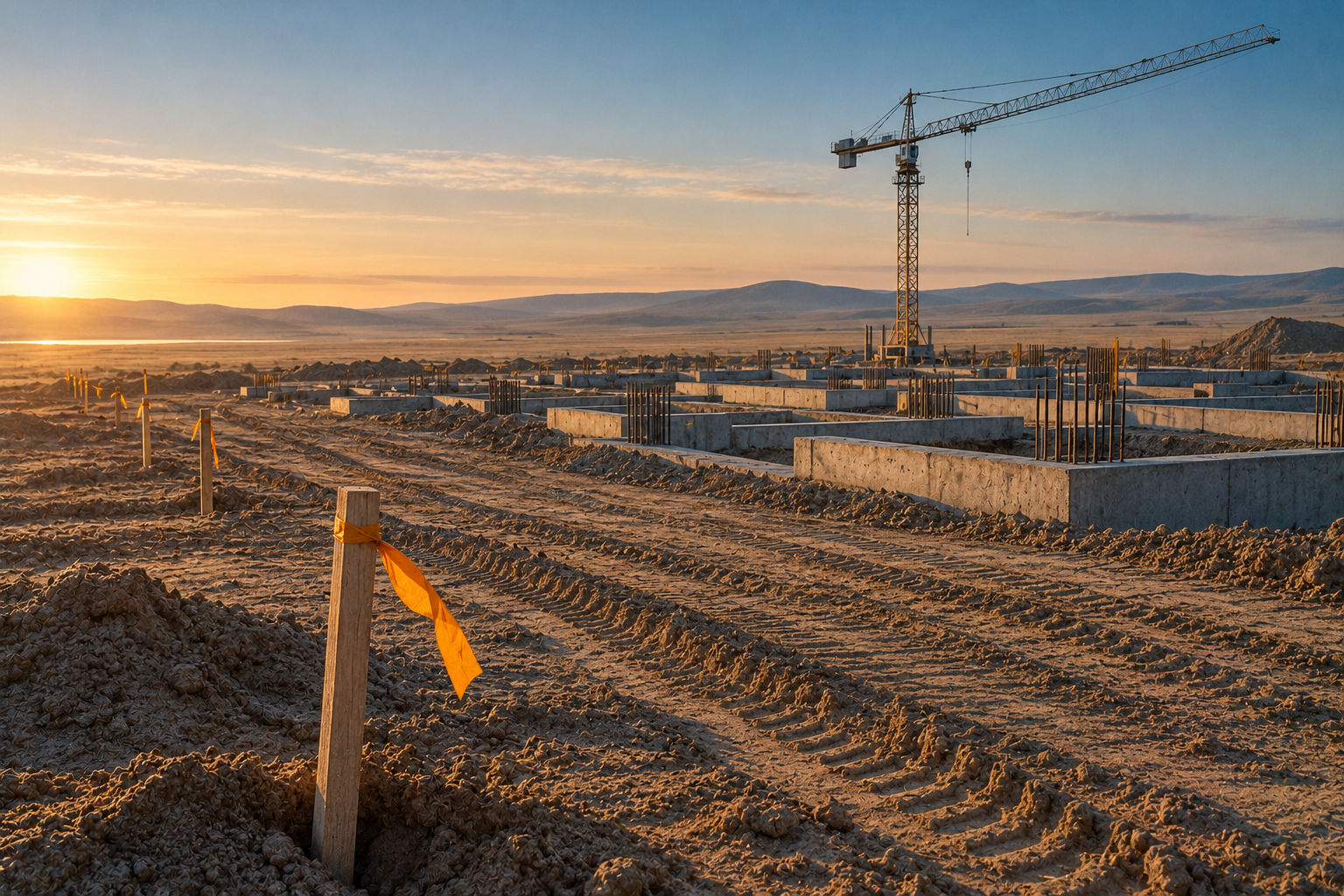
Tokayev launches a $1.8 billion KAZ Minerals copper smelter at Aktogay with China’s NFC
Kassym-Jomart Tokayev started construction of a copper smelter at Aktogay in Abai region by video link on 20 October, Akorda reported. KAZ Minerals is the investor, China’s NFC the engineering partner, the investment about $1.8 billion, the jobs more than 1,000, and the first copper cathode is planned for 2030. The plant will also produce gold, silver and by-products.

Kazakhstan’s Security Council approves a military reform that splits conscription in two
On 21 October Kassym-Jomart Tokayev’s Security Council approved a military reform plan that moves conscripts to six months in training centres followed by six months in units, creates Drone Forces and a Commissioner for Servicemen, and sets the organisational steps for this year and what it calls the main conceptual measures for 2027. The plan’s text, troop numbers and budget are not published.
TurkPA closes its 15th plenary in Bishkek with a declaration and the next session in Türkiye
The Bishkek Declaration ended the Parliamentary Assembly of Turkic States’ 15th plenary on Tuesday, the assembly’s site reported, after the speakers of Azerbaijan, Kazakhstan, Kyrgyzstan and Türkiye, the Turkish Cypriot speaker as an observer and Uzbekistan’s Senate chair Tanzila Narbayeva as a guest had spoken. On the agenda were four model laws, the 2027 budget and the election of two deputy secretaries general.
KazMunayGas’s Romanian arm tripled its nine-month profit to $269 million at 97% refinery load
KMG International earned $269 million in January-September, 219% more than a year earlier, on EBITDA of $469 million, up 73%, the national company said in Kapital’s report on Tuesday. Petromidia processed 4.087 million tonnes of crude, 14,670 tonnes a day, and the group’s retail companies sold 2.272 million tonnes of fuel.

SCO governments sign four documents in Dushanbe and hand the council’s chair to Uzbekistan
The 25th Council of Heads of Government signed a joint communiqué, a 2026-2030 trade and economic action plan, a digital freight platform concept and a decision on the regulation of a data bank of investment projects in industry on Tuesday, by the Russian government’s list. Russia’s deputy prime minister Alexei Overchuk said the meeting was “to a greater degree” about a new SCO bank, on whose shares it is “still too early to speak”.

Turkistan’s new virology laboratory promises faster tests and publishes no turnaround time
Kazakhstan opened a virology laboratory in Turkistan on 10 September under a $58.2 million pandemic-preparedness project, $19.2 million of it a Pandemic Fund grant, for a region that used to send its samples elsewhere. Every speech promised faster diagnosis. No public document sets the time from sample to result, before or after: not the order on especially dangerous infections, not the laboratory standard of 2020, none of the releases.
Kazakhstan and Kyrgyzstan sign an EAEU appeal that prices a suspension of Armenia
The heads of government of Russia, Belarus, Kazakhstan and Kyrgyzstan sent the Eurasian Economic Commission on Tuesday a report on what suspending the union treaty for Armenia would cost: gas assumed at $300 instead of $177.50 a thousand cubic metres, trade with the union cut by 55.6%, remittances from Russia halved. Their appeal goes to four presidents and Armenia’s prime minister, two months before the presidents’ December date.
Kyrgyzstan takes the TurkPA chair from Kazakhstan with a mallet and a list of priorities
Aibek Dadebai, chairman of Kazakhstan’s Kurultai, handed the symbolic mallet of the Parliamentary Assembly of Turkic States to Jogorku Kenesh speaker Marlen Mamataliev in Bishkek on Tuesday. The assembly’s 15th plenary session runs there on 19 and 20 October with the speakers of Azerbaijan and Turkey in the hall.
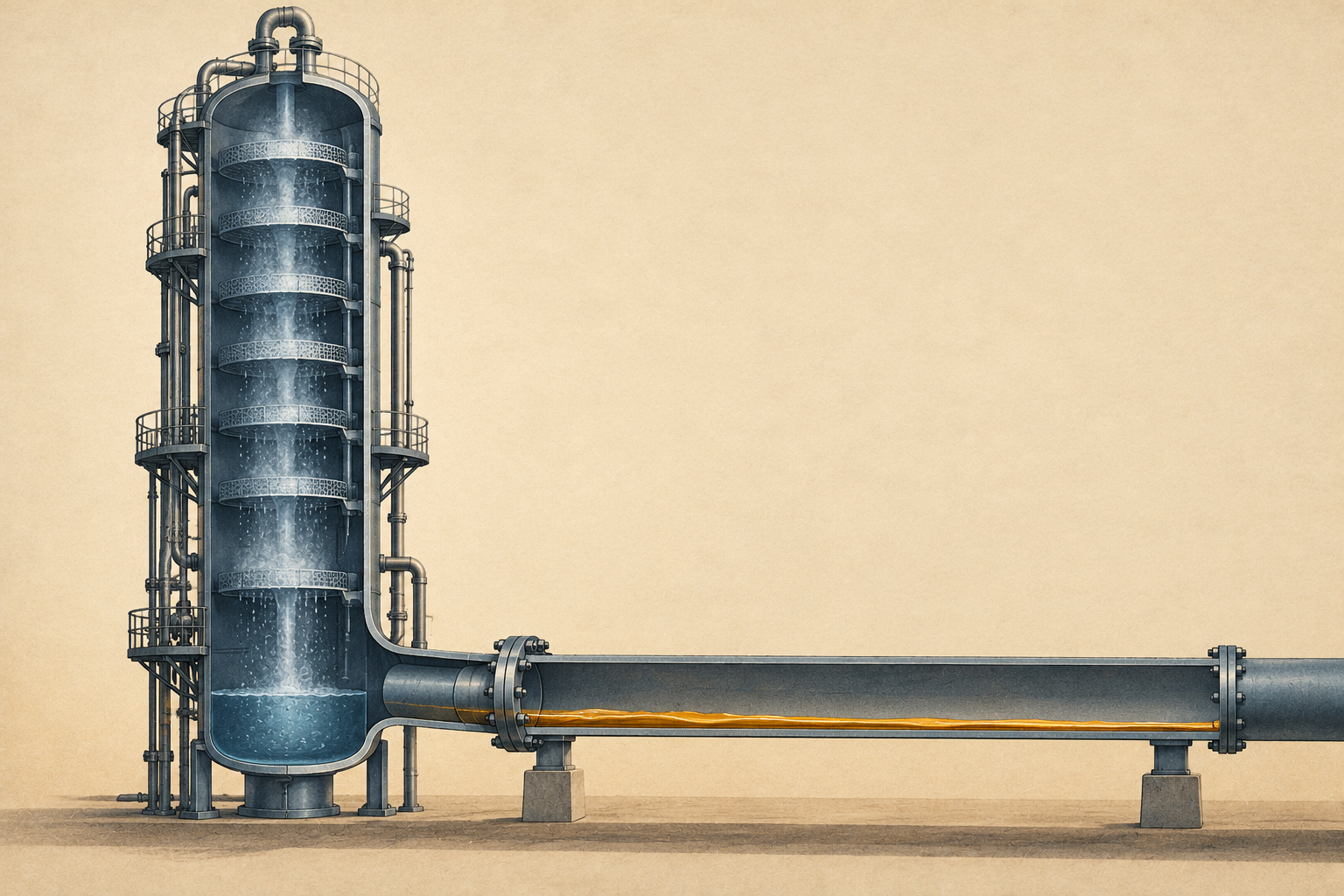
Kazakhstan’s marketed gas fell to 0.5 billion cubic metres in September, a low since 2011
The national statistics bureau’s September figure is 4.3 times below August and 3.3 times below September 2025, by DATA HUB’s reading as inbusiness carried it. West Kazakhstan, home of Karachaganak, produced 370 million cubic metres while the field was under its planned repair.