Gongoryn Damdinnyam, the industry and mineral resources minister, set the doctrine out in an interview published by gogo.mn on Thursday. “We are buying fuel wherever it is available. Our priority is securing supply rather than focusing on price or tariffs,” he said.
The interview closes one of the two numbers CAW flagged as unpublished on Thursday morning. The customs duties zeroed on petroleum products this week run until 1 February 2027. The other number, what the cancelled excise line was worth to the budget, stays unpublished.
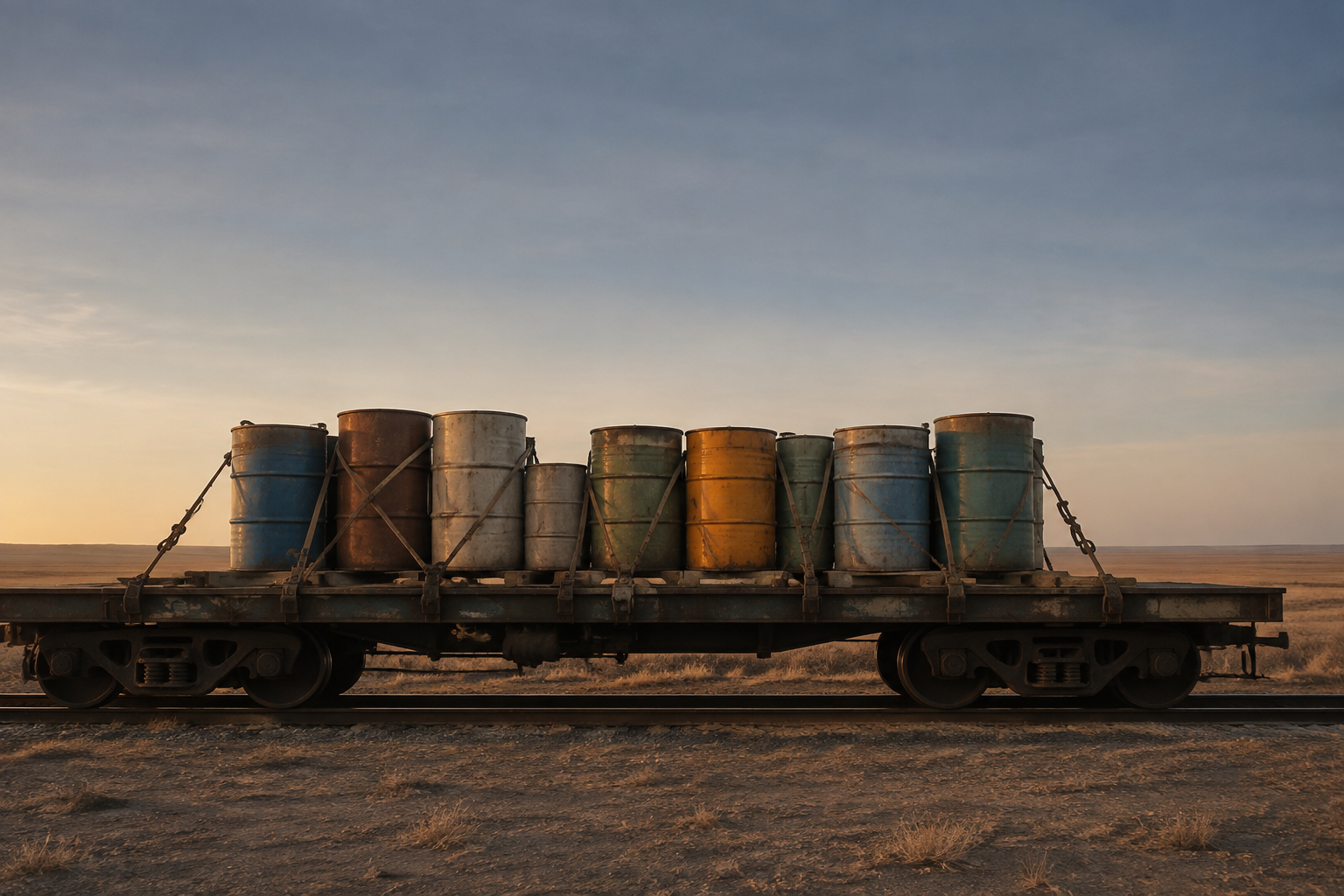
The minister’s consumption figures measure the panic. Mongolia normally burns about 2,000 tonnes of petrol a day; it is currently selling 3,000 to 4,000 tonnes as drivers buy ahead of the queue. Stocks stand at about one month of supply, against targets of two months by 2027 and three by 2028. South Korea and Singapore are on the buying list; Singapore is a new name in this supply story. Fees on foreign railway tank cars have been cut. Russian AI-92 keeps arriving meanwhile: 43 rail tank cars carrying 2,580 tonnes, Montsame reported on Thursday.
The fifth instrument arrived the same day. Prime Minister Nyam-Osoryn Uchral cancelled the government’s conferences, forums and meetings, made official travel abroad conditional on government approval, with essential gatherings to move online where possible, citing the global situation. The savings go to winter preparedness, energy and fuel. The order lands 11 days before Mongolia opens COP17 in Ulaanbaatar, with 4,127 delegates registered; the published account does not say how the ban sits beside the summit.
The week’s toolkit now runs to five lines: purchase caps to 15 August, an August import schedule of 270,910 tonnes, budget austerity of 20%, the border taxes zeroed, and the meetings ban. Pump prices have yet to answer the tax decision in any published account.