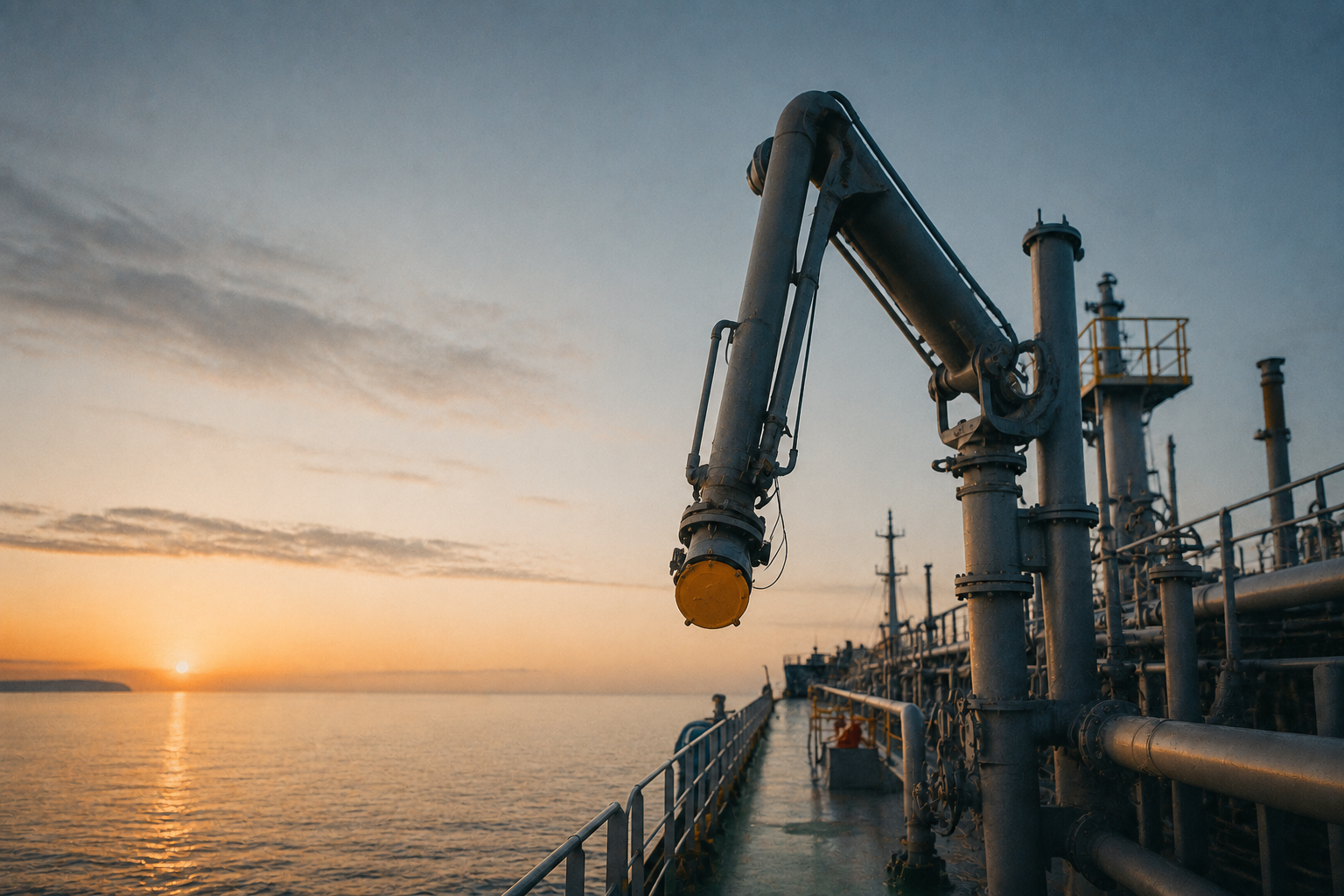
The tanker NISSOS SIFNOS, under the Marshall Islands flag, was loading Tengizchevroil crude at single point mooring SPM-3 when a drone hit its cargo deck near the oil manifolds at 01:48 Moscow time, the consortium said. The crew put the fire out with help from three CPC support vessels. A second tanker, MARATHI, was attacked about 6 nautical miles offshore as it approached the terminal.
CPC reported no injuries and no spill; it gave no detail on the MARATHI’s condition. The NISSOS SIFNOS stays afloat. “Oil loading has been stopped, while pipeline facilities are operating normally,” the consortium said.
“Attacks on international infrastructure cause substantial damage to the economic interests of Kazakhstan and Western shareholders.”
CPC statement, 30 July
Loading had resumed on 27 July after a week-long halt that followed the drone strikes of 17 to 20 July. On 26 July, the day before that restart took hold, output at Tengiz, Kashagan and Karachaganak was running 70 to 90% below June averages. The window lasted three days.
Brent, which hit $90 by Thursday morning after attacks in the Gulf and the Red Sea, traded near $87.3 on Friday. No fresh statement from Kazakhstan’s energy ministry had surfaced on the wires by this edition. When the ministry last addressed a halt, on 23 July, it promised consultations with the consortium and the major shippers “to resume stable Kazakhstan oil export as soon as possible.”
July’s loading total, expected from the consortium in early August, will price the month’s two stoppages. June flows were already 1.699 million barrels a day, down 7% on May.