Energy
Resources and climate
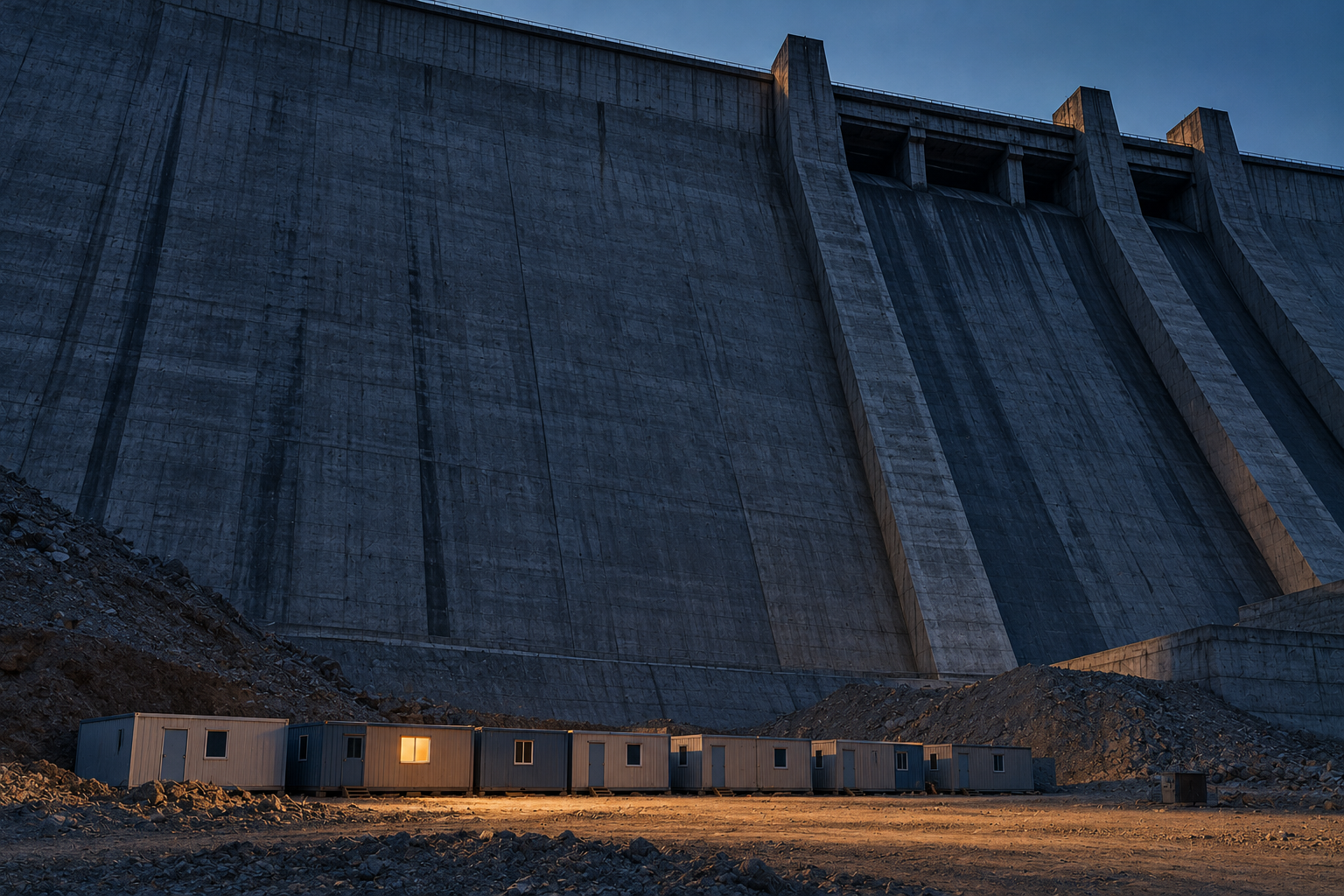
Rogun’s updated labour document dates the dam to 2032 and the cost to $6.6 billion
The labour management procedures for the Rogun project, updated in September 2026 and published on the plant’s site, give 2032 for the dam’s completion where the 2024 edition gave about 2029, and $6.6 billion as the estimated cost of completion against $4.9 billion, Asia-Plus reported on Friday 16 October. The document also counts 20,563 workers in August, 38% more than at the end of 2023.
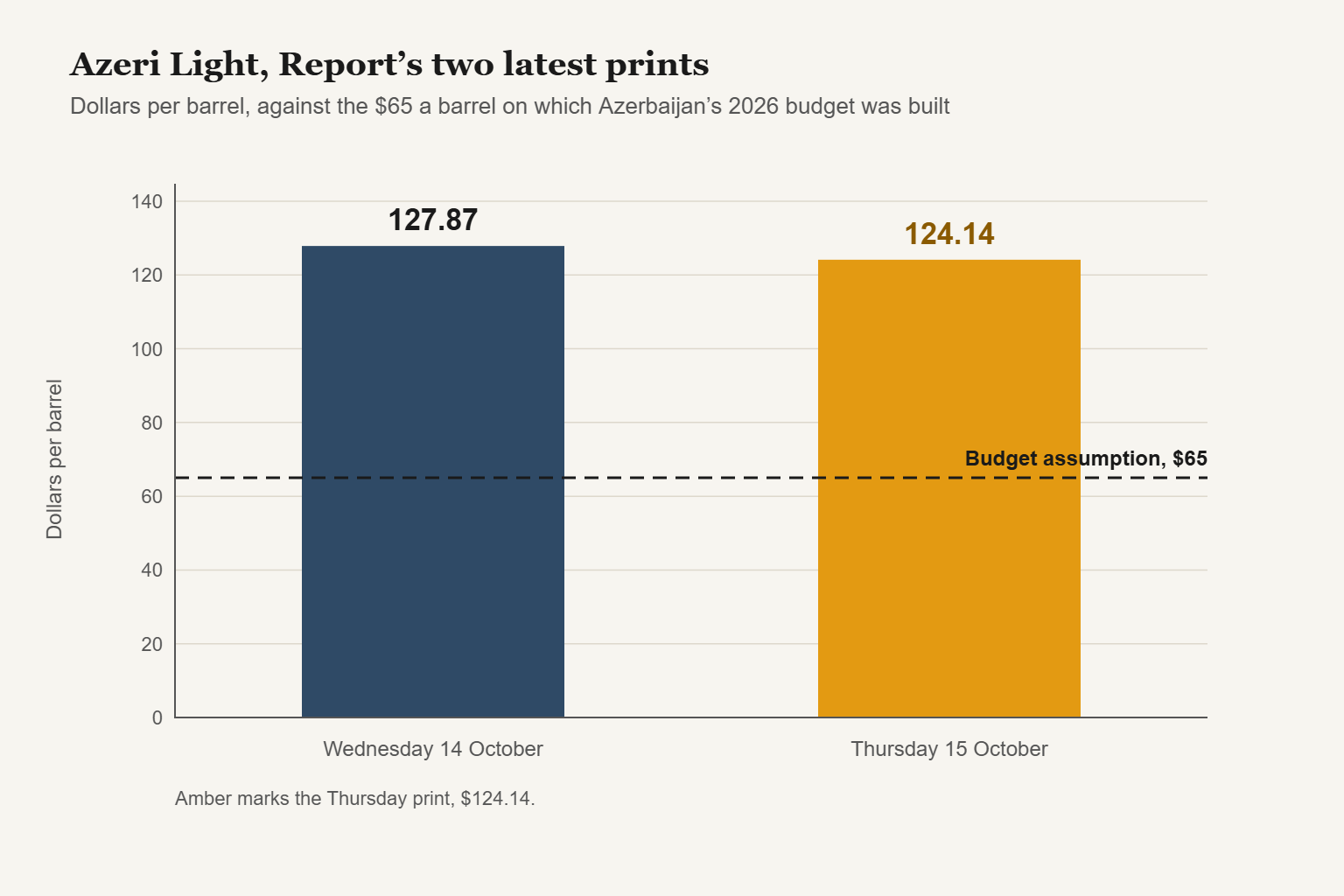
Azeri Light falls 2.91% to $124.14 a barrel on Report’s Thursday print
Azerbaijan’s export blend fell $3.73, or 2.91%, to $124.14 a barrel on the world market, Report wrote at 09:58 Baku time on 15 October, after the $127.87 print of Wednesday. December Brent futures stood at $127.55 a barrel on the same page.
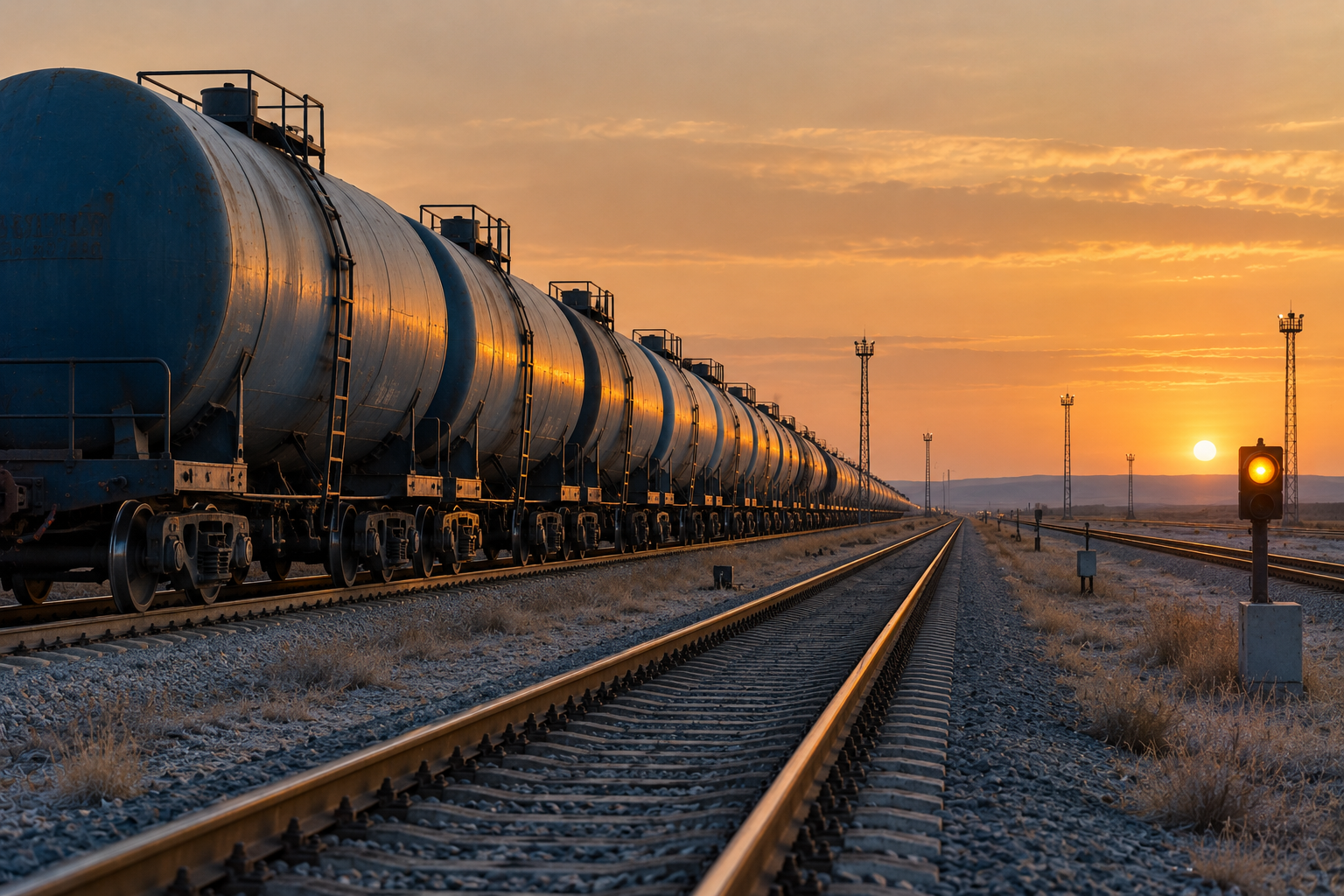
Tokayev ratifies the oil protocol with Russia that saves 30 billion tenge in duties
Kassym-Jomart Tokayev signed the law ratifying the protocol that revives the 2010 Kazakh-Russian agreement on supplies of oil and oil products to Kazakhstan, which had expired on 1 January 2024, Interfax reported on 16 October. The Kurultai’s conclusion puts the saving from duty-free imports at about 30 billion tenge in 2026.
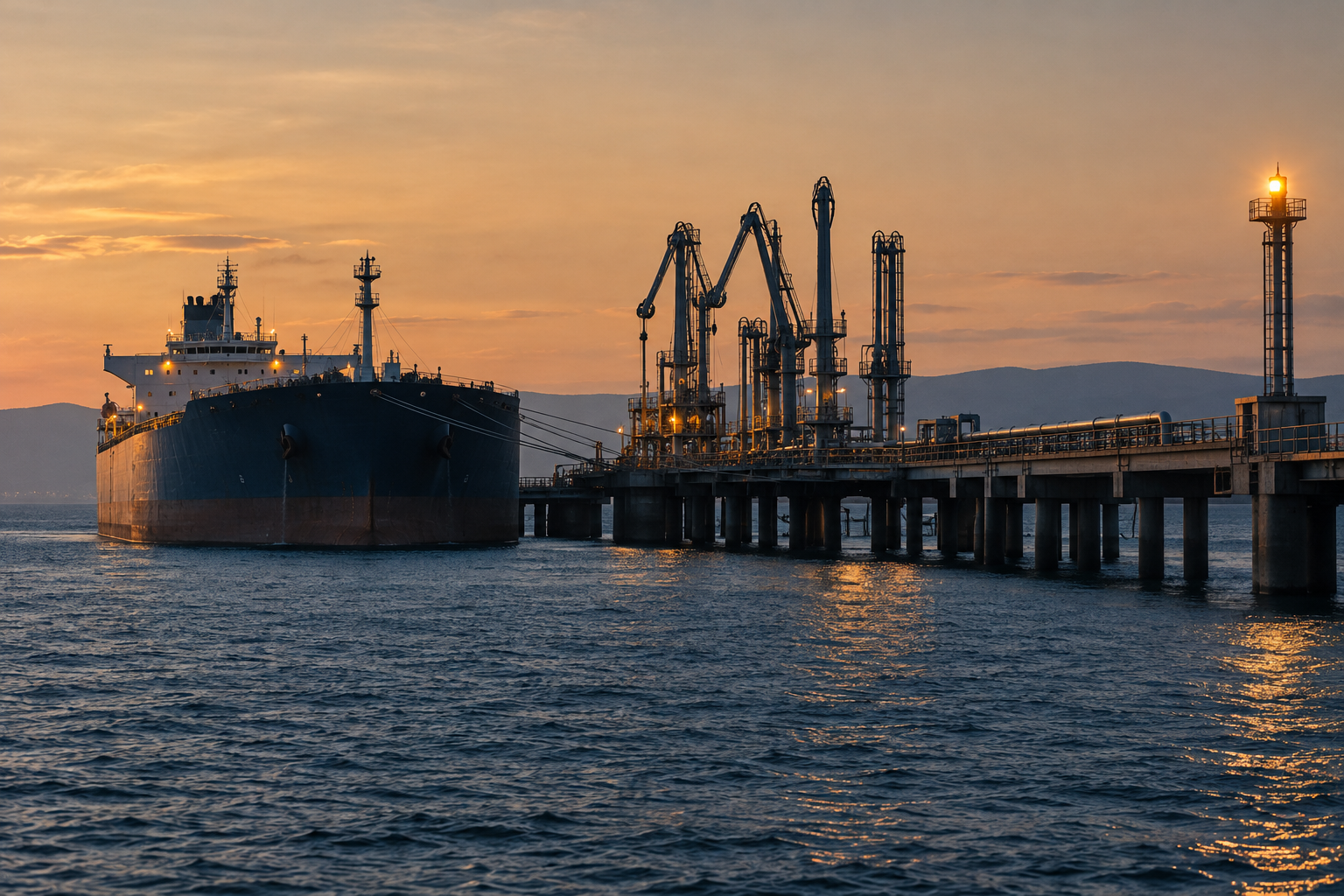
Azeri Light slips 2.85% to $127.87 a barrel, $63 above the budget’s $65
Azerbaijan’s export blend fell $3.75, or 2.85%, to $127.87 a barrel on the world market, Report wrote on 14 October citing an oil-market source, with the FOB Ceyhan price down $4.19 to $116.51. The blend stays about $63 above the $65 a barrel on which the 2026 state budget is calculated.
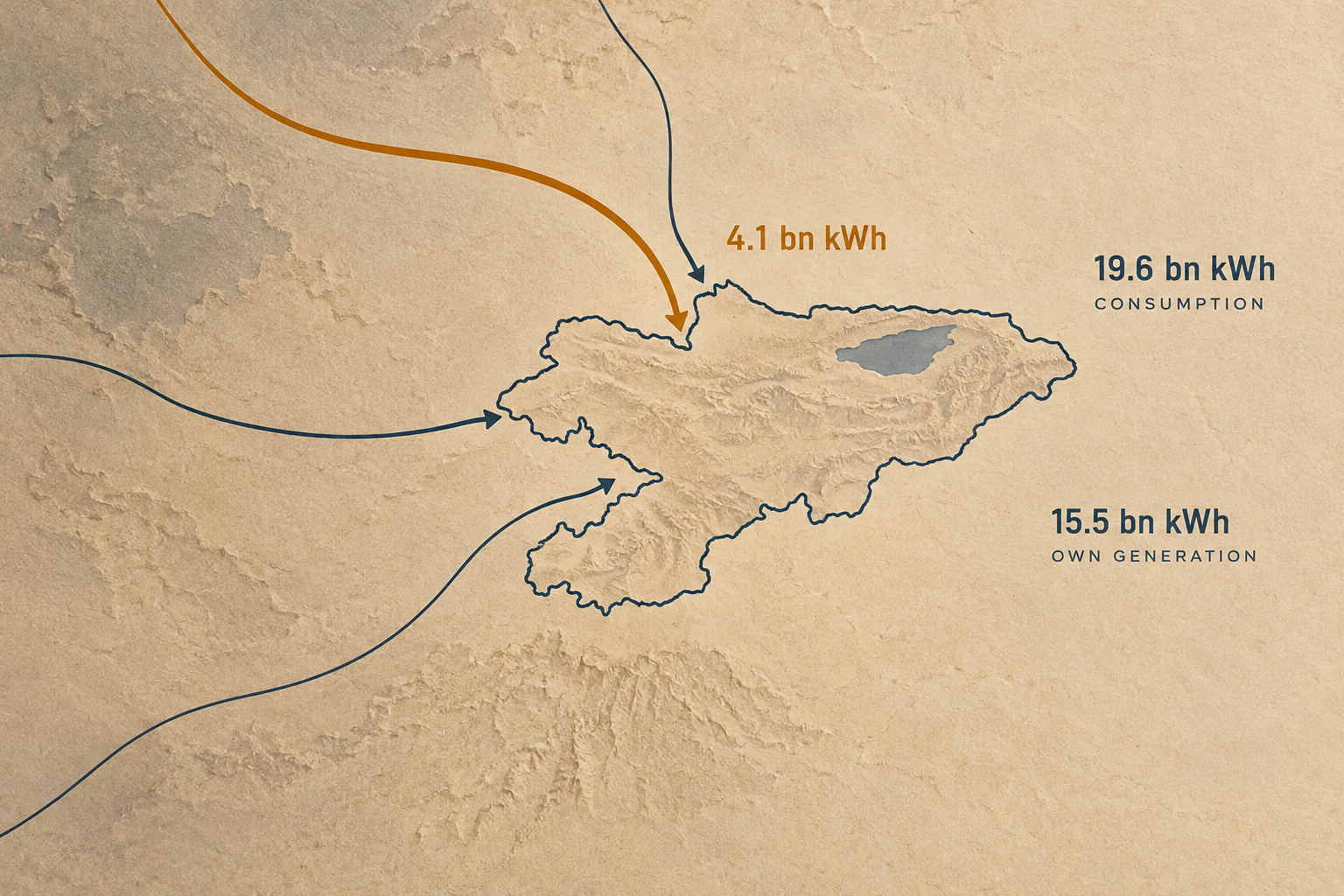
Japarov promises Kadamjai an end to electricity imports within two and a half years
Kyrgyzstan imports about 4 billion kWh of electricity in 2026 to cover demand, and when consumption peaks in Uzbekistan, Kazakhstan, Turkmenistan and Russia the extra supply dries up, President Sadyr Japarov told residents of Kadamjai district and Kyzyl-Kiya on 13 October, explaining the one- to two-hour cuts in some districts. He gave two to two and a half years to end the imports.
Astana says Russian gas keeps flowing after a pipeline blast and fire in Penza region
A section of the Central Asia-Centre trunk line ruptured and caught fire near the village of Volchkovo in Russia’s Penza region on 13 October, with a flame of about 70 metres, Gazprom Transgaz Saratov confirmed to Kursiv. Kazakhstan’s energy ministry said that evening that Russian gas deliveries to Kazakhstan and transit to Uzbekistan were running to plan.

Mongolia’s AI-92 rises 500 to 550 tugrik a litre on dearer Russian supply, with 14 days of stock
Filling stations in Mongolia raised AI-92 petrol by 500 to 550 tugrik a litre on Monday, the government’s fuel task force said, because the price of supplies from Russia rose by $190 this month against last. Deputy industry minister B. Munkhtamir put the country’s stocks at 14 days of AI-92 and 31 days of diesel, with 78,000 tonnes of petrol contracted for October.

Russia reopens diesel exports for 500,000 tonnes while a US licence runs to April
Russia’s government partly lifted its diesel export ban on Saturday, for 500,000 tonnes from 10 October, to carry out what Putin and Trump agreed by telephone on Friday. OFAC had licensed the sale, delivery and import of Russian-origin diesel the day before, through 7 April 2027. Neither document says whether the 500,000 tonnes stand beside or count against the duty-free balances under which Russian fuel reaches Kazakhstan.
Dushanbe takes fuel supply to the US envoy as Russia ships 73% of its oil products
Energy and water minister Daler Juma discussed the supply of Tajikistan’s domestic market with oil products with the US charge d’affaires in Dushanbe on Thursday, the ministry reported, without naming sources or volumes. Tajikistan imported 1.37 million tonnes of fuel and liquefied gas worth $1.13 billion in nine months, and Russia supplied 73.2 per cent of the oil-product bill, by Asia-Plus’s count.
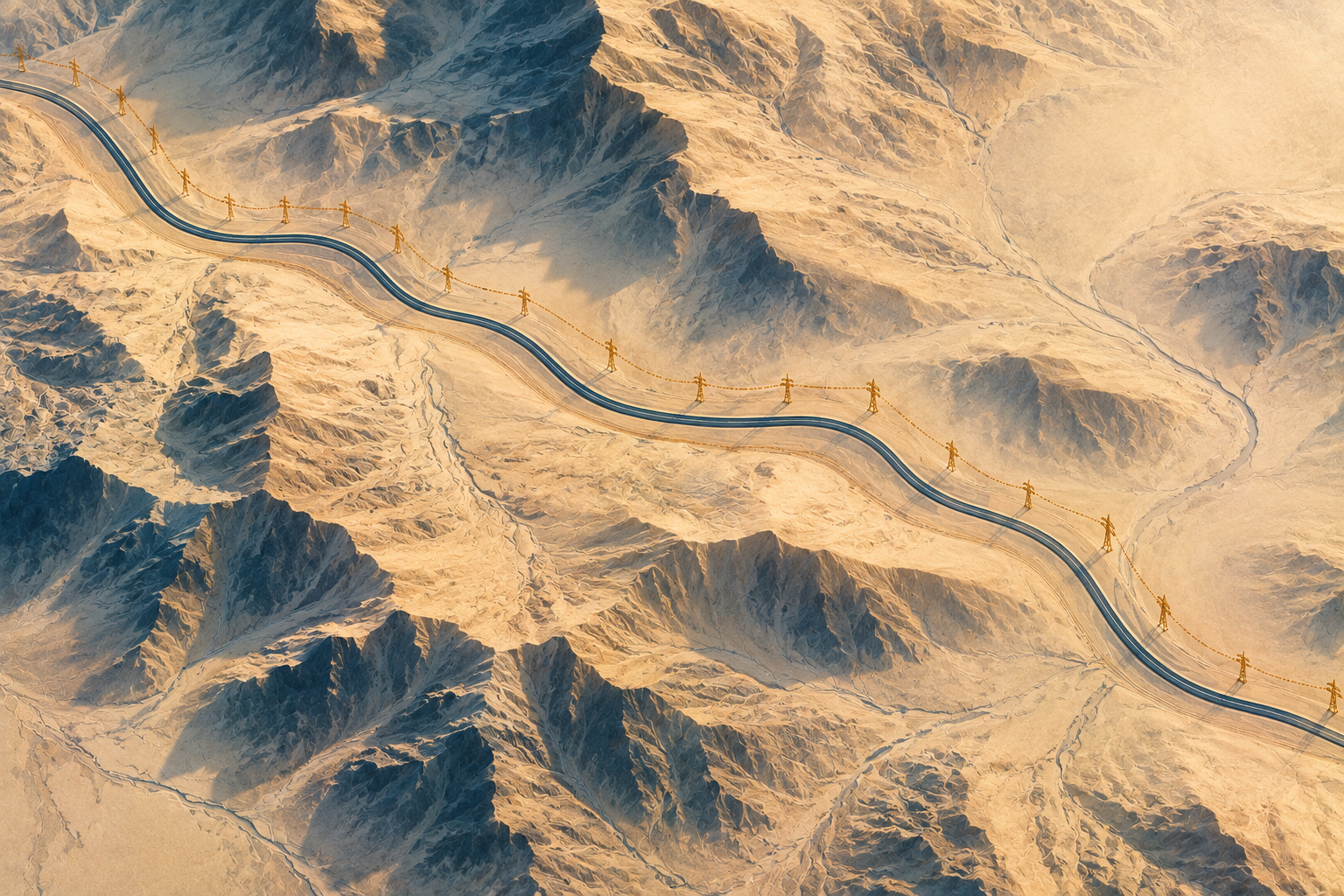
Armenian and Azerbaijani officials meet in Goris on where TRIPP’s power lines will run
Representatives of the relevant structures of Armenia and Azerbaijan held a technical meeting in Goris on Thursday on the placement of power transmission lines within the TRIPP project, Armenia’s Ministry of Territorial Administration and Infrastructure and Azerbaijan’s Cabinet of Ministers said in near-identical texts the same afternoon. The sides discussed technical questions, coordination between their bodies and the next steps needed to move the work forward.
Mongolia opens the 450 MW Tavan Tolgoi plant to private builders on a 30 to 70 split
Tavan Tolgoi’s 450 MW thermal power plant will be built as a public-private partnership in which the state-owned Tavan Tolgoi company invests up to 30 per cent and private capital the rest, with the selection to go to the Cabinet next week, Economy and Development Minister J. Enkhbayar told the Economic Standing Committee on Thursday, by ikon.mn. On Wednesday the Cabinet backed investment agreements for three more plants.
Mongolia drops the fuel duty to zero at three Chinese crossings through the end of 2028
The Cabinet approved on Wednesday a resolution setting the customs duty on 92-octane petrol and diesel imported through Zamyn-Üüd, Bulgan and Shiveekhuren at zero from 21 October 2026 to 31 December 2028, by the government’s readout on the public broadcaster MNB. At the same sitting export revenue was reported at $16.6 billion for nine months, up 54%, and reserves at a record $8.9 billion.
Uzbekneftegaz expects its gas output to fall 9.5% this year, to 22.8 billion cubic metres
Uzbekneftegaz and its subsidiaries produced about 17 billion cubic metres of gas in January to September and expect 22.8 billion for the year, 9.5% less than the 25.2 billion of 2025, Sukhrob Khamraev, the company’s first deputy chairman for finance, said in an interview with the O’zbekiston 24 channel reported by the business site Spot on Tuesday evening. Monday’s presidential readout printed no output figure.
Mirziyoyev hears of five gas discoveries and 80 wells as Uzbekistan’s output keeps falling
Uzbekistan has discovered five gas fields and drilled 80 wells this year, with 40 more due in the fourth quarter and 3D seismic work to reach five times last year’s volume, the presidential press service said after Mirziyoyev reviewed the sector’s large projects on 5 October. The readout prints no output figure, no sum and no partner’s name. Gas output was 16.3% lower in January to August.
Tajikistan plans an 800 MW Hutalon dam between Rogun and Nurek at $2.25 billion
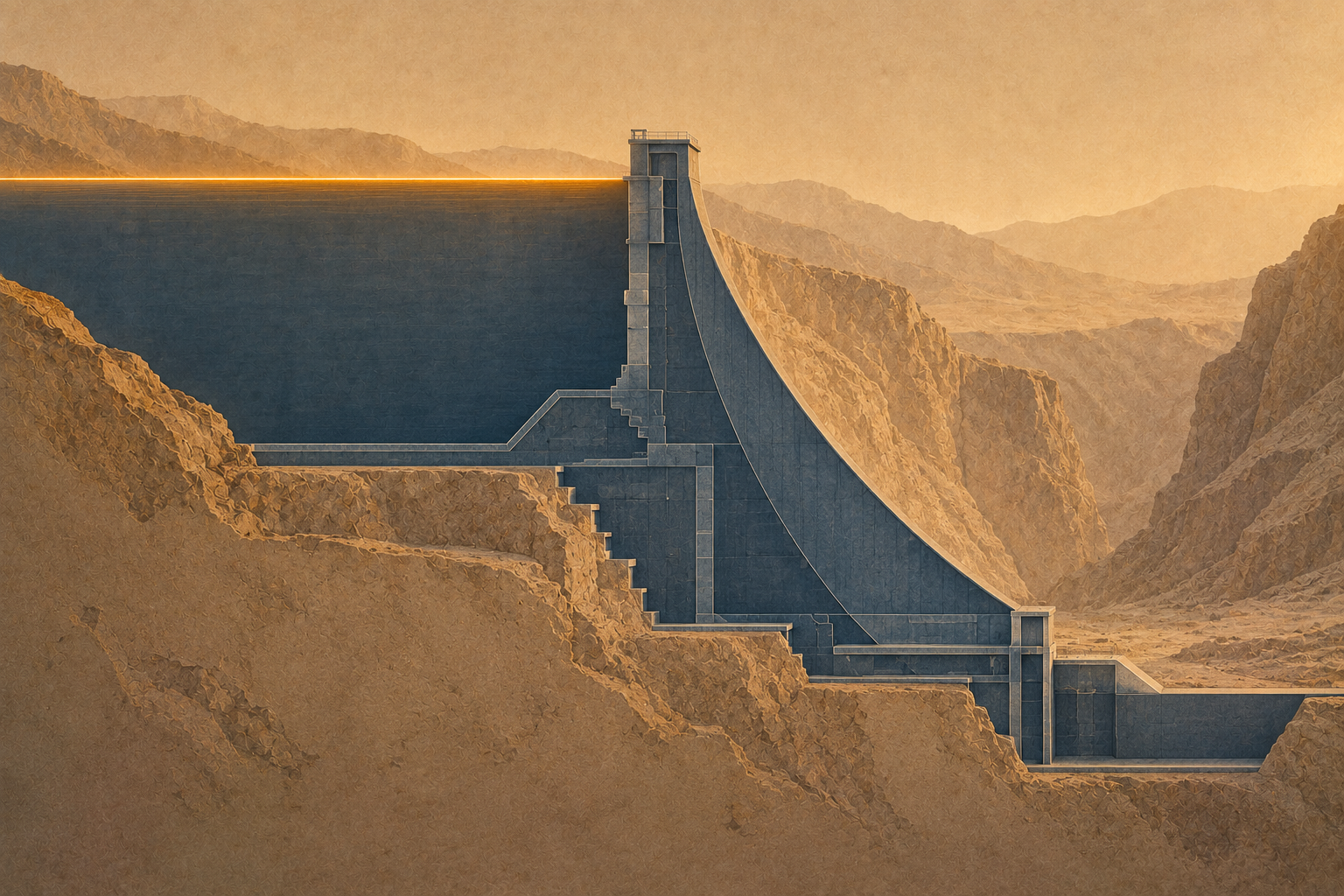
A new hydroelectric plant, Hutalon, is to be built on the Vakhsh between the Rogun plant upstream and Nurek downstream, with a design capacity of 800 MW and a preliminary cost of $2.247 billion, the energy and water resources ministry said after minister Daler Juma visited the site on 4 October, Asia-Plus reported on Monday.
Uzbekistan imported $1.21 billion of gas in 8 months and sold $322 million
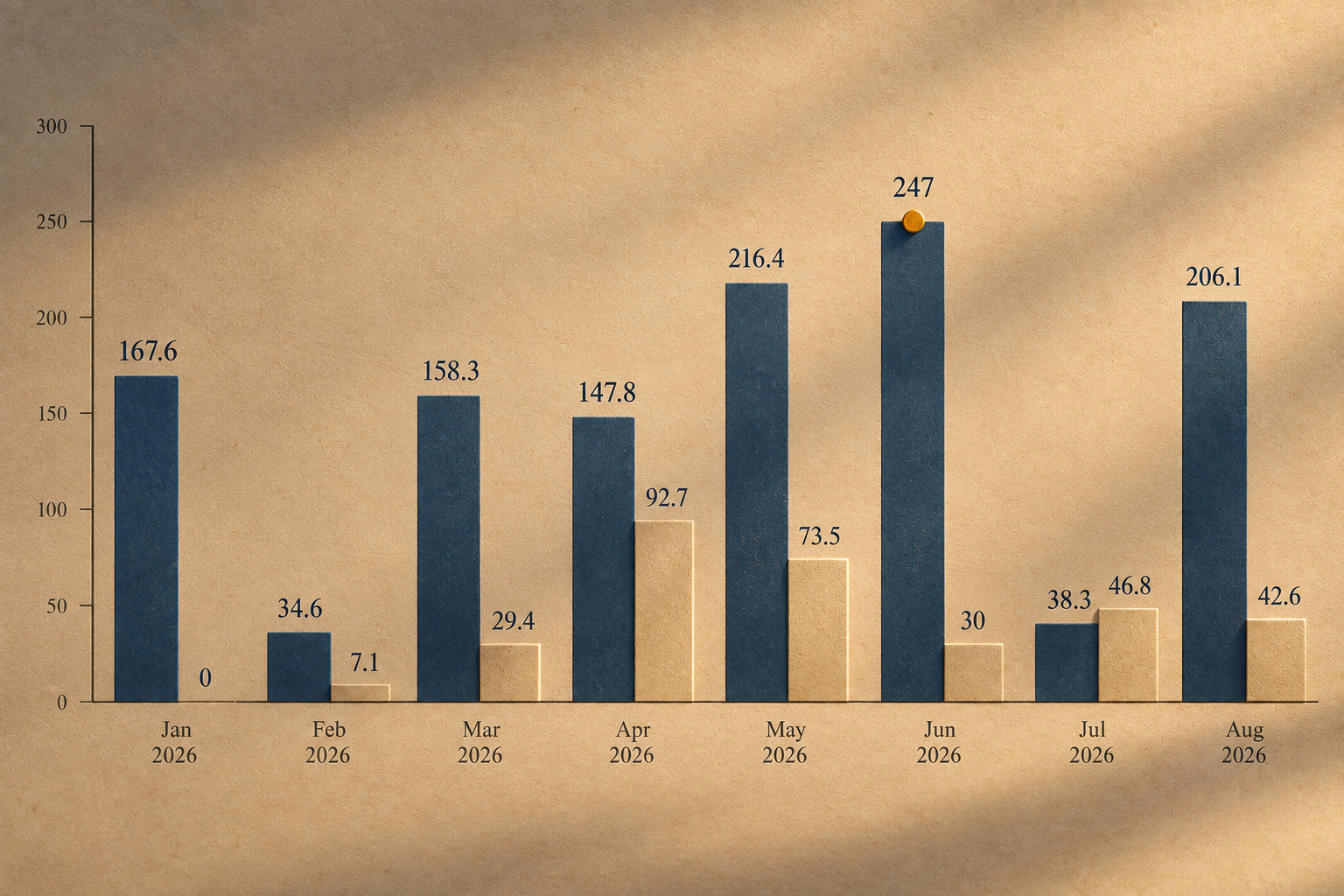
Uzbekistan’s gas imports were worth $1.21 billion in January to August, 15.2% more than a year earlier, while its gas exports fell 34.8% to $322.3 million, by National Statistics Committee figures published on 1 October. The bill is almost 4 times the receipts, and on Thursday the US Trade Representative faces its first deadline under the act aimed at the 5 largest importers of Russian gas.
Tajikistan’s lower house ratifies a second $300 million World Bank grant for Rogun
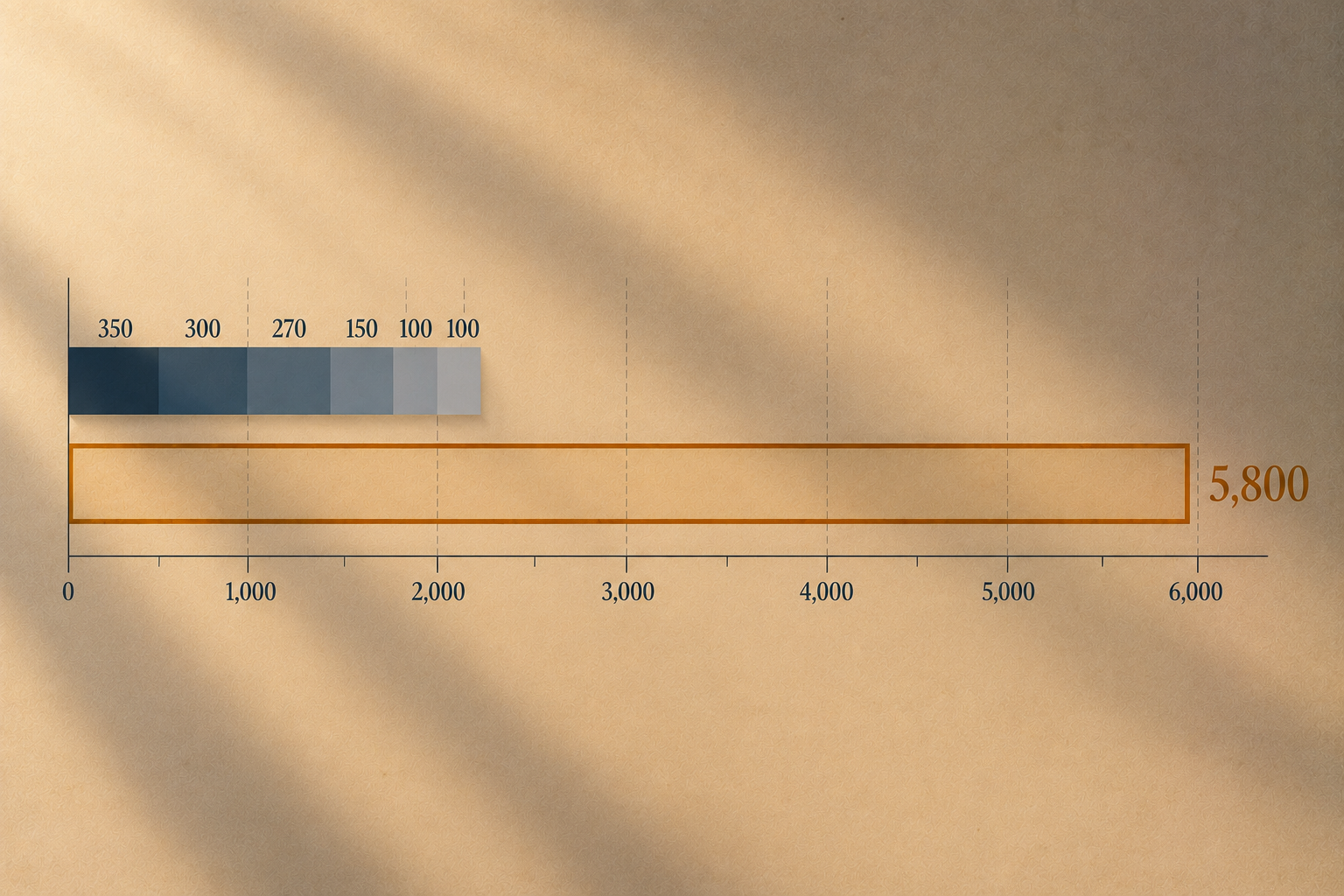
The Assembly of Representatives ratified on Thursday the financing agreement with the International Development Association for the first phase of Rogun’s sustainable financing, a $300 million grant the World Bank’s board approved on 30 June, Asia-Plus reported on Friday. With the first grant of $350 million the IDA’s money for the plant reaches $650 million, against about $5.8 billion that S&P put on the remaining work in August.
Tbilisi says free power to Abkhazia cost Enguri 64 million lari and its 2025 profit
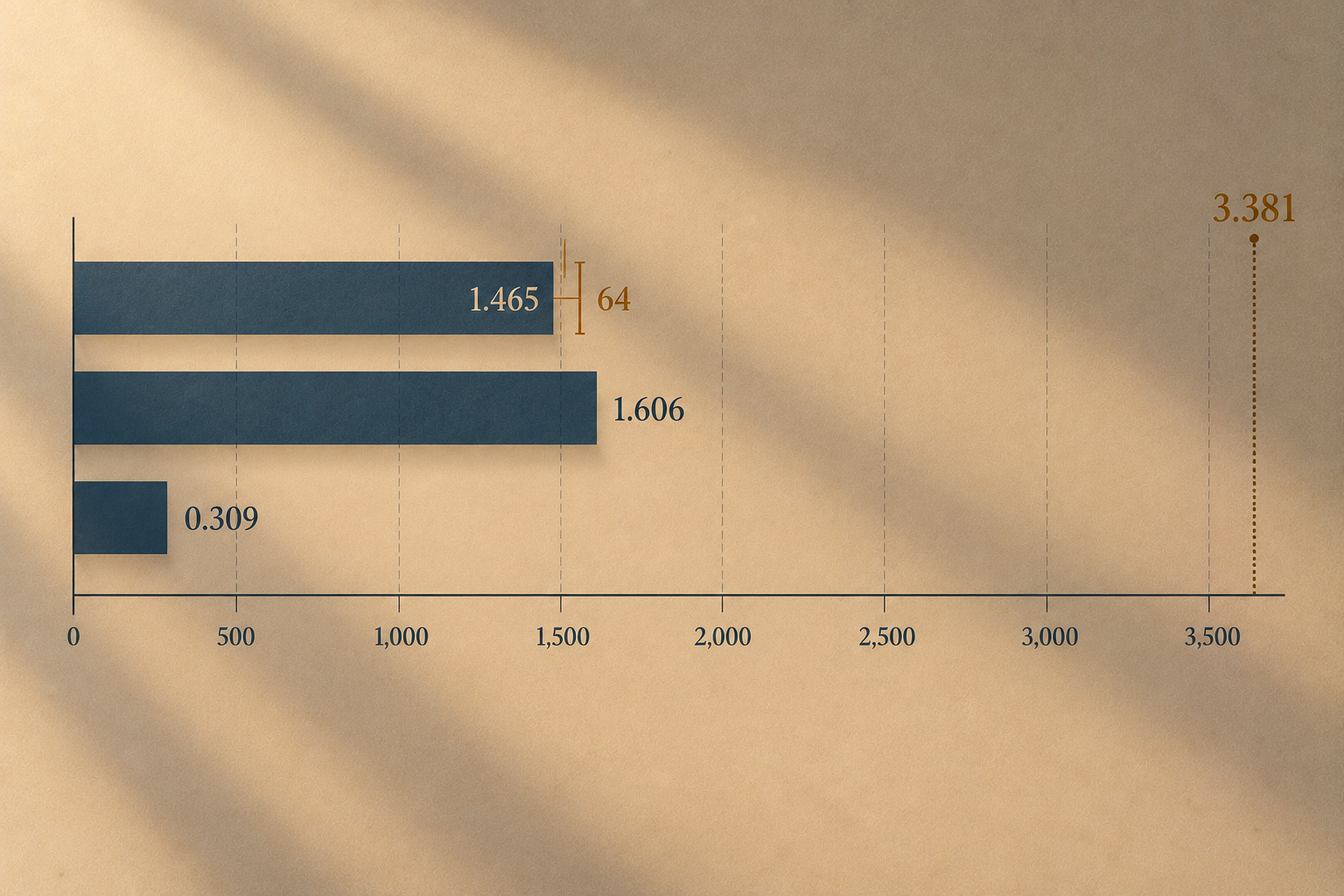
Georgia’s fiscal risks analysis for 2027 counts 64 million lari that Enguri lost in 2025 by supplying Abkhazia free, up from 45 million in 2024, bm.ge reported on Friday. The plant sent 1.465 billion kWh there, sold 1.606 billion at home and exported 309.2 million, and the ministry says it would have made a 61 million lari profit instead of losing 3.7 million.
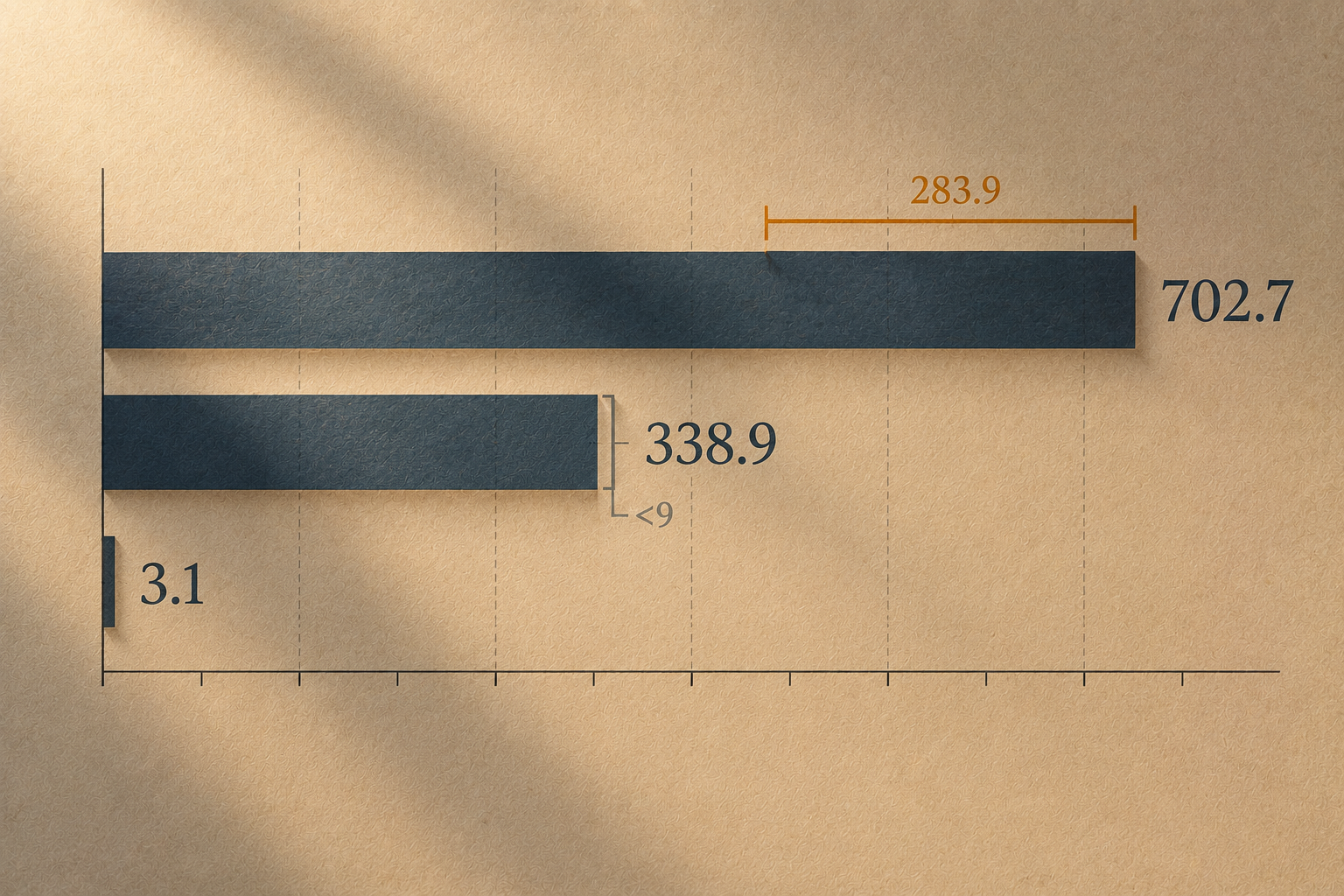
Afghanistan takes two thirds of Tajik power exports before CASA-1000’s last link is built
Barqi Tojik told Afghanistan’s grid company in Dushanbe that it plans a 500 kV line and will consider sending more power, the Afghan side said. The energy ministry’s half-year figures show why Kabul is the one asking for more: of 1,045 million kWh exported from January to June, 702.7 million went to Afghanistan, for 283.9 million somoni. CASA-1000’s Afghan section is due by spring 2027.
Pashinyan: a modular reactor will not be enough as Armenia's surplus turns to deficit
Armenia had surplus electricity a year and 4 months ago and now has a deficit because the investment programmes already approved absorb all of it, Prime Minister Nikol Pashinyan told a briefing on Thursday, and the modular nuclear plant the government had settled on will most likely not be enough. He also said Yerevan has had no signal of a rise in the price of Russian gas.