The grant buys construction, the purchase and installation of electromechanical equipment for generation, technical supervision and project management, Asia-Plus wrote from the agreement. It also covers quality and safety control, environmental and social measures, the resettlement of families displaced by the works and the restoration of their incomes, and stronger hydrometeorological monitoring and forecasting to manage the reservoir and cut flood risk downstream.
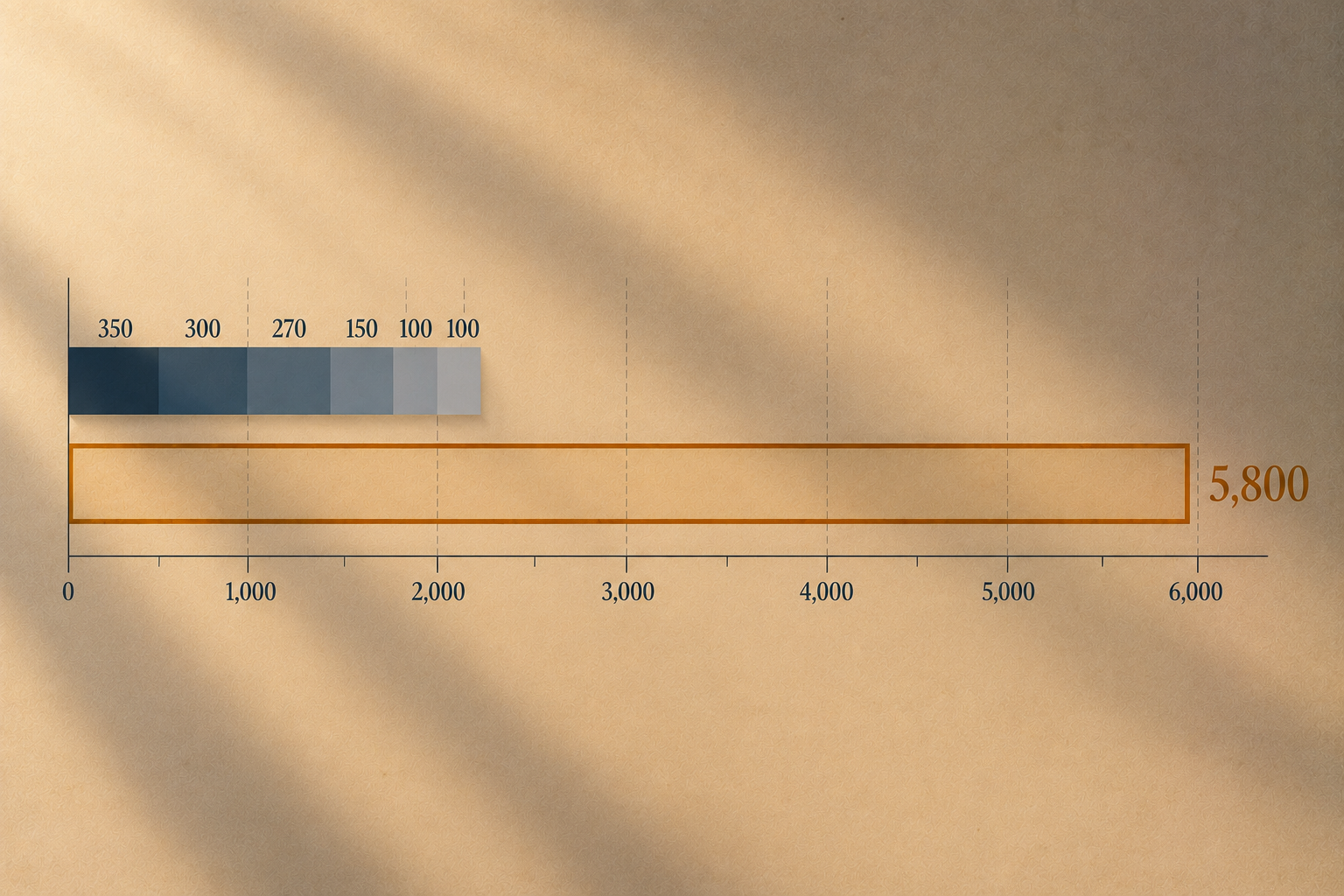
The World Bank coordinates a group of lenders at the government’s request: the Asian Development Bank, the AIIB, the European Investment Bank, the Islamic Development Bank, the Saudi Fund for Development, the Kuwait Fund, the OPEC Fund, the Qatar Fund for Development and the Abu Dhabi Fund among them. Of these, the AIIB signed $270 million in December 2024 towards a ceiling of $500 million, the IsDB approved $150 million in April 2024, the Saudi Fund lends $100 million at 1.5% over 30 years with 8 years of grace, and the OPEC Fund’s $100 million began with a $25 million tranche in October 2024.
The grant buys construction, the purchase and installation of electromechanical equipment for generation, technical supervision and project management, Asia-Plus wrote from the agreement.
At full power the plant is to generate about 14.4 billion kWh a year, about 60% of Tajikistan’s current output, on the World Bank’s estimate, with 3,780 MW installed, the largest hydro plant in Central Asia, and exports to Kazakhstan and Uzbekistan among its stated purposes.
The state’s own money runs ahead of the lenders’. The 2026 budget sets 11.4 billion somoni for the works, 8.4 billion of it spent from all sources in the first 7 months on Rahmon’s August count, after 8.1 billion from the republican budget in 2025 and 60.3 billion since 2008. S&P Global Ratings put the cost of finishing at about $5.8 billion in August, where the World Bank had earlier said about $6.3 billion, a gap Asia-Plus attributes to different calculation periods and the volume of work already done and financed.
Dushanbe’s other development line of the day was smaller. The Asian Development Bank announced a $20.5 million grant to the Agency of Social Insurance and Pensions, $19.5 million from its Asian Development Fund and $1 million from a Japan-financed technology fund, $12.32 million of it from the bank’s package for countries hit by the conflict in the Middle East, to digitise pension services for at least 320,000 contributors and 250,000 pensioners.
The agreement now goes to the upper house, and after it come the first disbursement, the next lender’s signature in the coordinated group and the 2027 budget’s line against the $5.8 billion that remains.