Search
Two lines tripped, and Kyrgyzstan went dark at 40 degrees
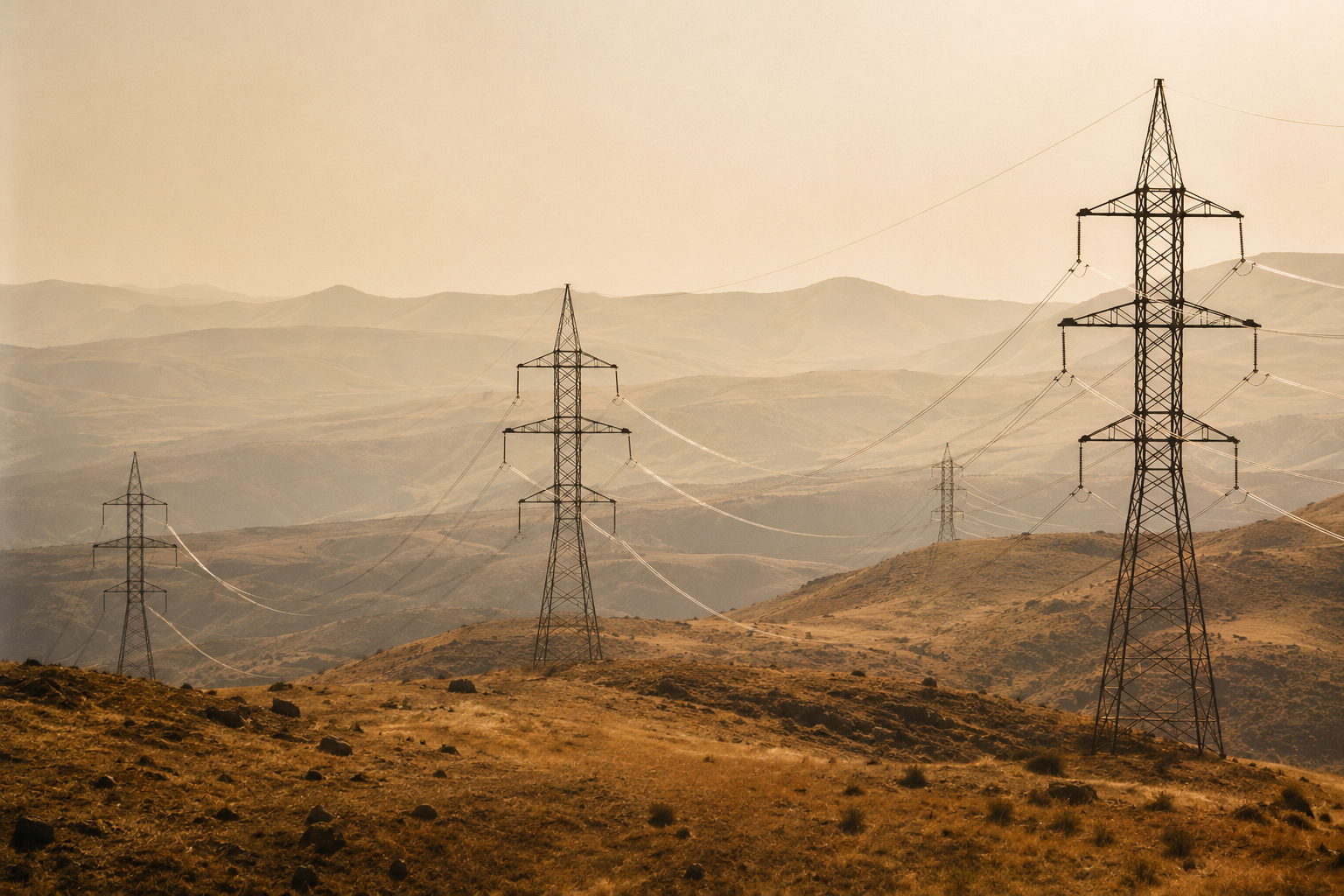
Just after 14:00 on Friday, the 220 kV lines running Kara-Balta to Glavnaya and Glavnaya to Shu disconnected at once, and automatic load shedding cut power to most of Bishkek and to districts across four regions at the peak of a 40-degree afternoon. Supply was largely back by late afternoon; the cause of the double trip is being established.
Uzbekistan’s heat emergency goes national
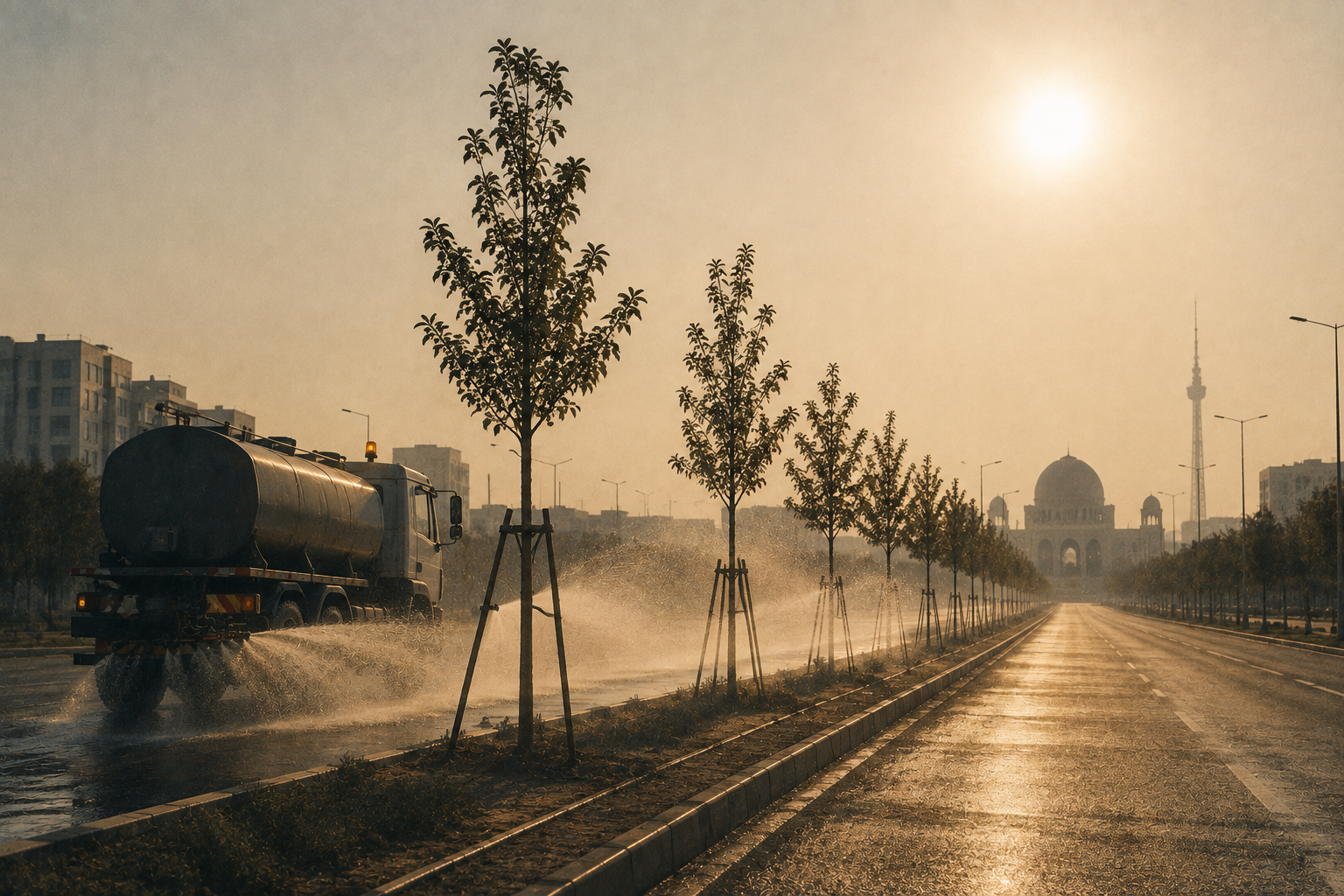
What began as kindergarten closures in Karakalpakstan is now a country-wide footing: all regions have stepped up the watering of trees and greenery on the ecology committee’s orders, closures have spread to Khorezm and parts of Navoi, and Surkhandarya has restricted daytime truck movement. The +44 to +46 warning runs through Friday, and the grid has already set its record.

Karakalpakstan shuts kindergartens as Uzbekistan braces for +46
Uzhydromet has issued an extreme heat warning for 13 to 17 July, with temperatures up to +44 to +46 and dust storms in places. In Karakalpakstan, the country’s driest region, cities and districts began suspending kindergartens on sanitary officials’ orders. The heat is a weather story for a week and an infrastructure story for longer.

Orenburg is back to a quarter of its normal intake from Kazakhstan's Karachaganak
Two weeks after a drone strike forced Kazakhstan to cut oil output at its giant Karachaganak field, the Russian plant that processes its gas is still running far below capacity. Kazakh officials say Orenburg is taking just 28% of its usual volume, and the Caspian Pipeline Consortium is cutting July exports 6% as a result.

Uzbekistan spent $725 million importing gas in five months as its own output slid
Uzbekistan's natural-gas imports rose 84% year on year to $724.7 million in January to May, the state statistics committee reported, while its gas exports to China fell. A country that shipped gas abroad a decade ago now buys it to keep the lights on.
The gasoline Kazakhstan might send Russia would be made from Russian oil
Reuters reported that Kazakhstan agreed to ship 50,000 tons of gasoline to Russia as humanitarian aid. Astana's energy ministry says no formal request has arrived, and the only fuel it might send would be refined from Russian feedstock. That detail decides how to read the story.

Kyrgyzstan asks six countries to keep its petrol flowing
Bishkek has sent official requests for stable fuel supplies to Kazakhstan, Azerbaijan, Uzbekistan, Turkmenistan, Belarus and Russia itself. A country that buys about 90% of its petrol from one supplier is now shopping in every direction at once.
Uzbekistan’s petrol price hits a record as the regional fuel squeeze spreads
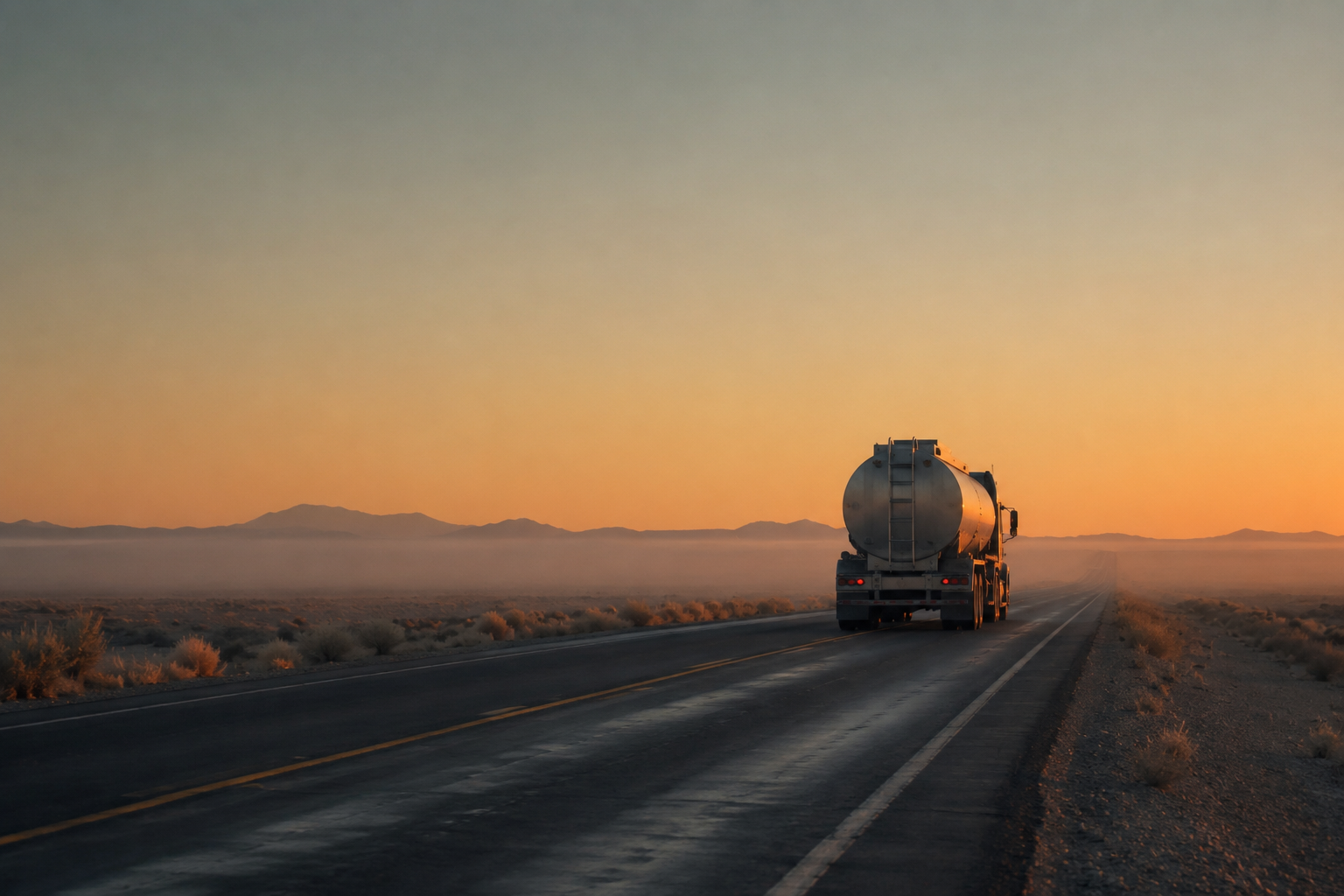
AI-92 petrol on Uzbekistan’s commodity exchange reached 13.9 million soums a ton on 29 June, about $1,160 and the highest level ever recorded. The jump lands while Russia restricts fuel exports, Kazakhstan’s biggest refinery sits in maintenance, and Uzbekistan’s own output keeps falling.
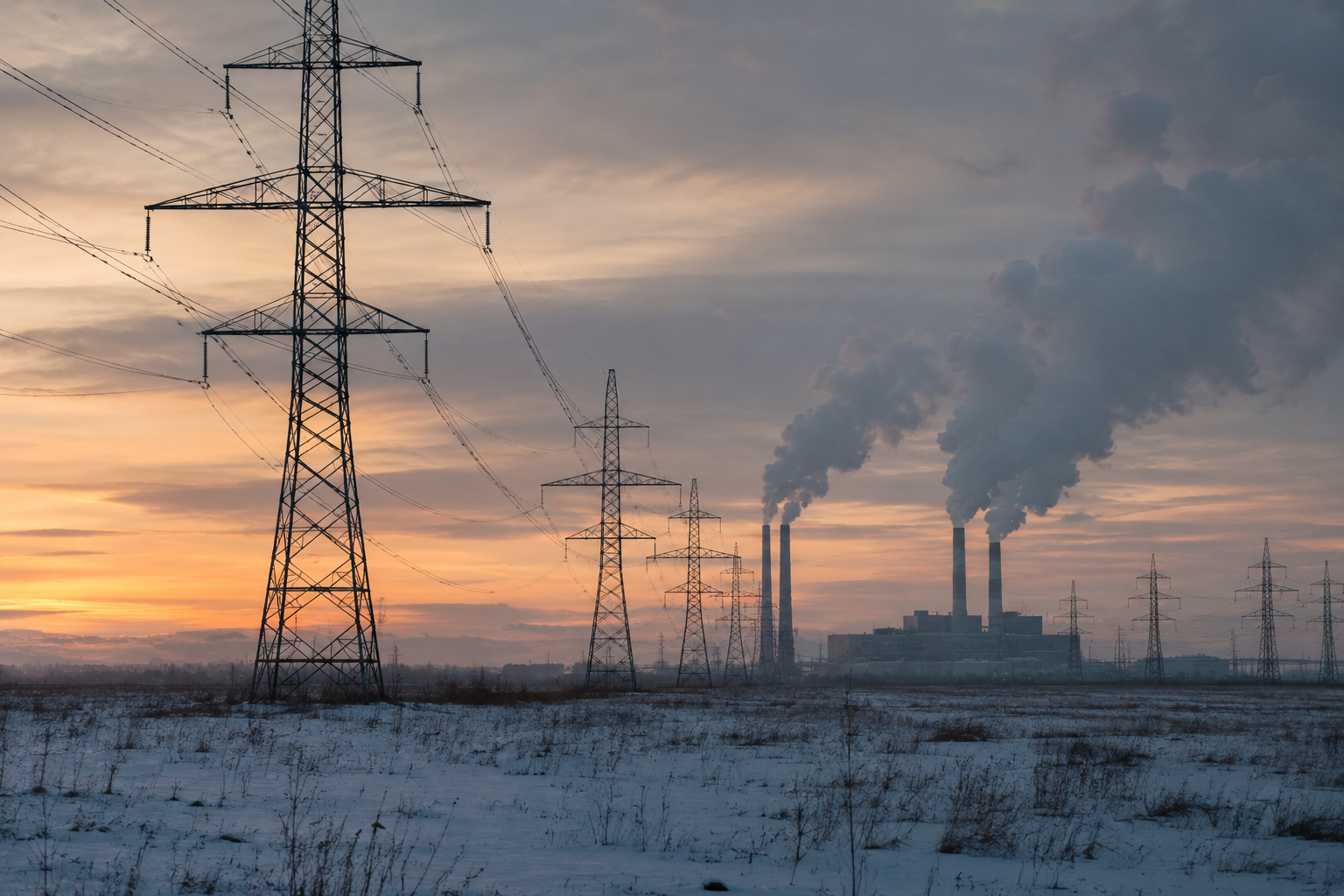
Mongolia’s energy workers begin an indefinite strike, testing a grid that leans on imports
From 8 a.m. on 30 June, energy-sector workers across Mongolia walked out for an indefinite strike after wage talks broke down, their union federation said. Only emergency crews stayed on, leaving a power system that already runs on aging plants and imported electricity under added strain.
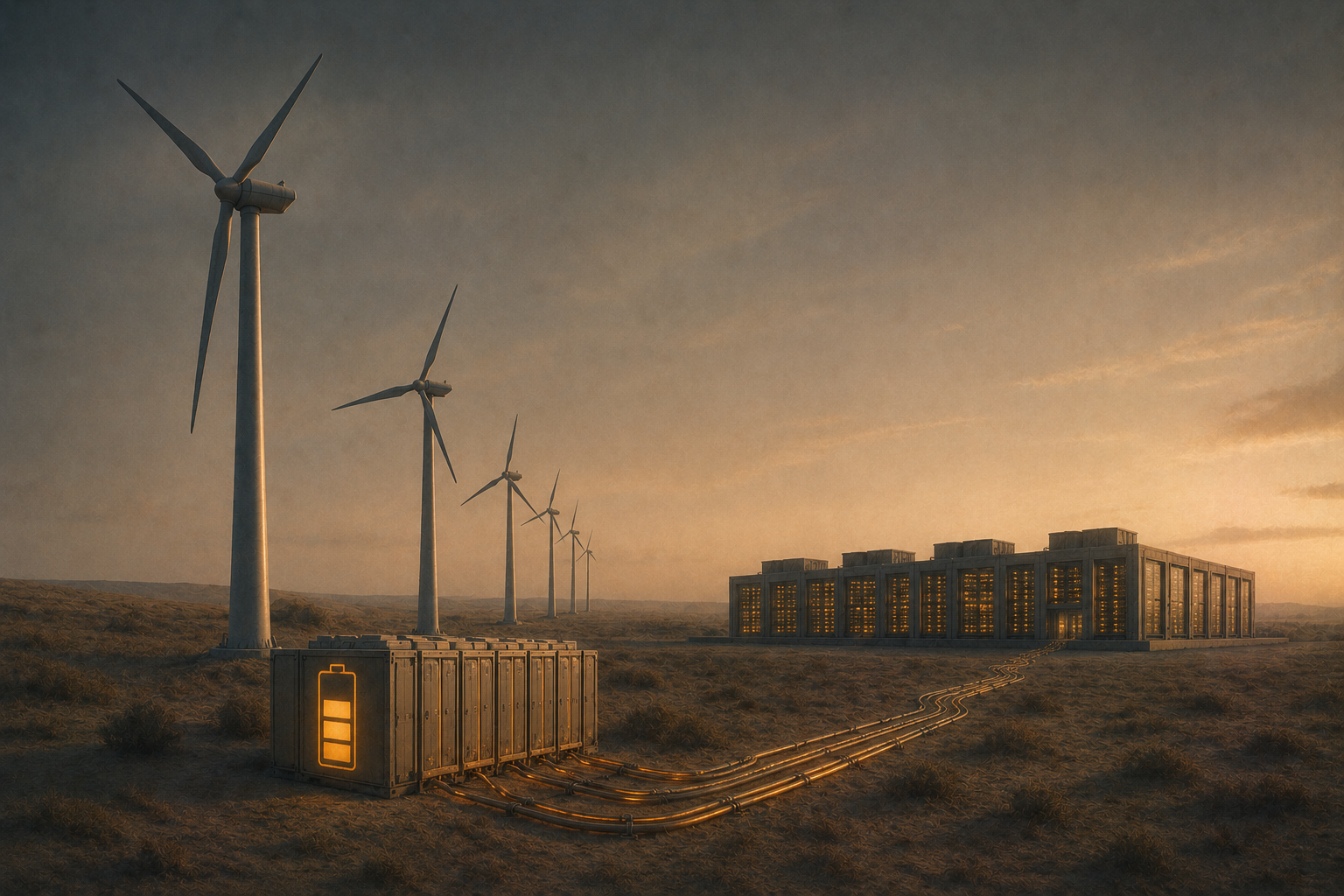
A $1.4 billion Gulf wind farm breaks ground in southern Kazakhstan, aimed at the lights and the data centres
Construction began on 29 June on a 1 gigawatt wind farm in Kazakhstan’s Zhambyl region, led by the Emirati developer Masdar at a cost of $1.4 billion. It is meant to ease southern Kazakhstan’s power shortages, and the same day Masdar signed up to explore round-the-clock clean power for the country’s data centres.

Kazakhstan is Europe’s third-biggest oil supplier now. Its own output is falling
Kazakhstan was the European Union’s third-largest supplier of crude oil in the first quarter of 2026, Eurostat data show, behind only the United States and Norway. It is a prize won from Russia’s exit, and a perch Kazakhstan may struggle to hold, because its own production is sliding.
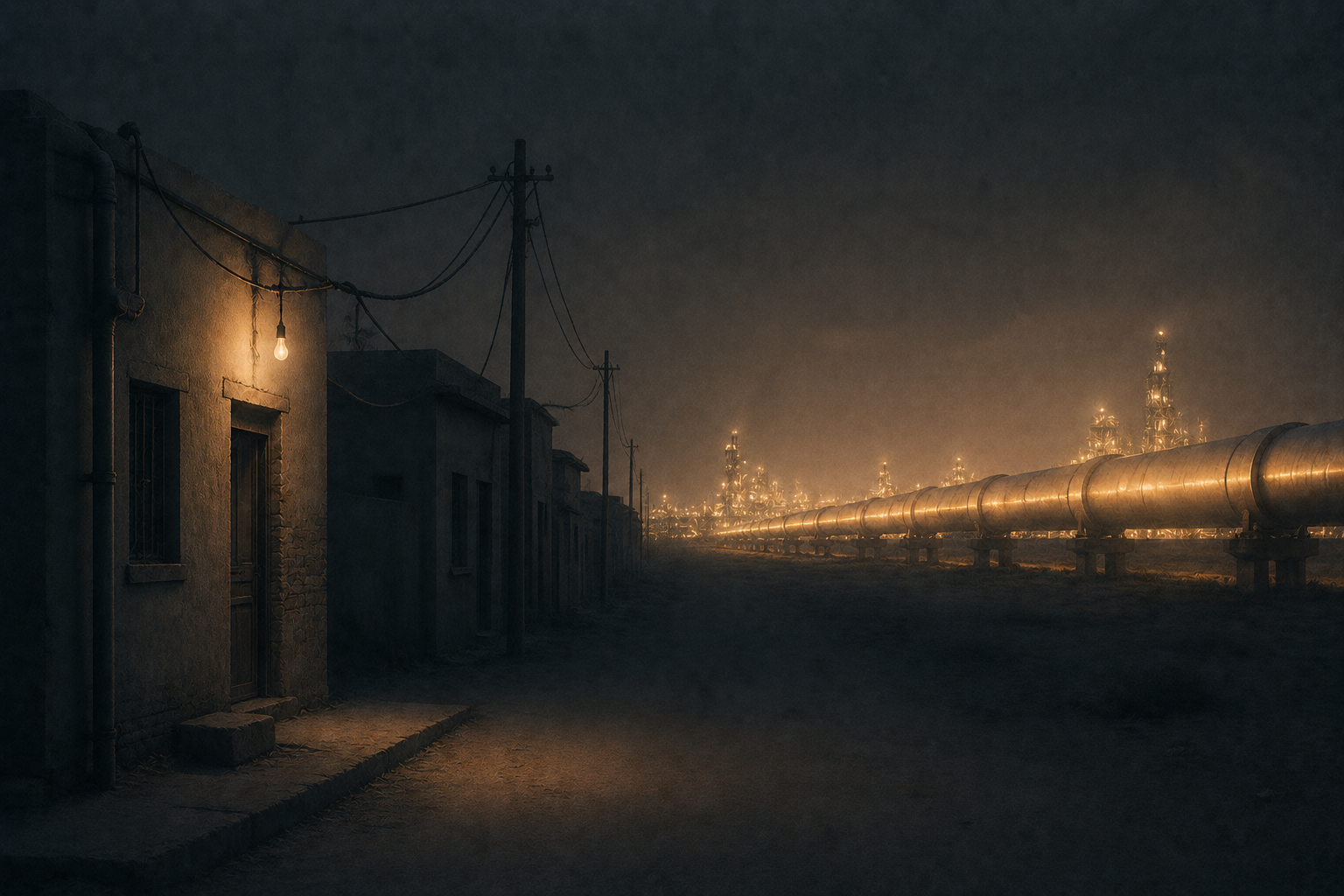
A gas superpower cannot keep the lights on in Mary, so it fired the officials
Turkmenistan holds some of the world’s largest gas reserves. In its Mary Region this month the power went out almost daily in 40-degree heat, a rare street protest followed, and the state’s answer was to dismiss local officials. The lights are still flickering.
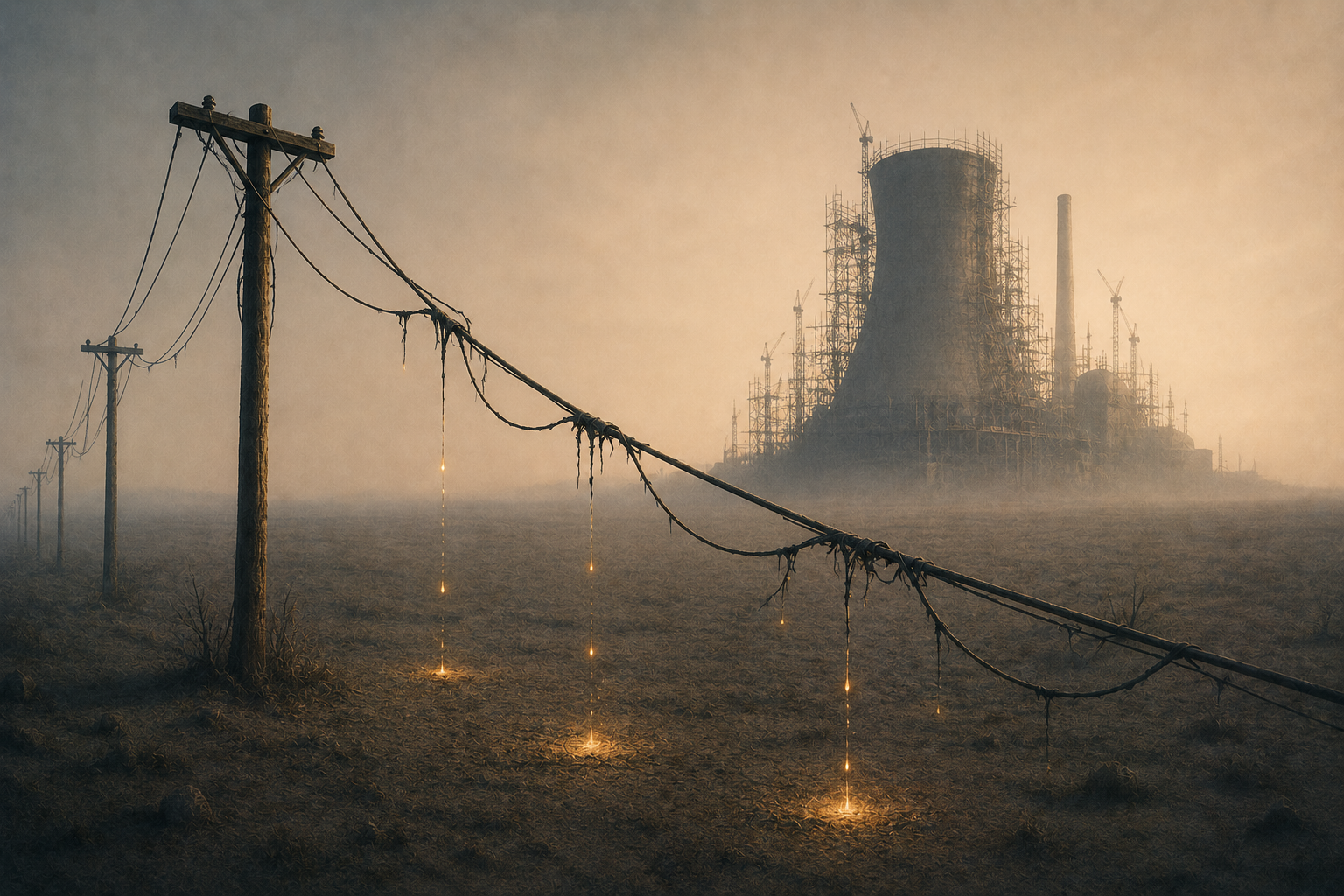
Before the reactors, the wires: Central Asia loses up to a fifth of its power in aging grids
While Astana and Tashkent pour concrete for nuclear plants, the EDB used its Almaty meeting to point at the cheaper problem underneath: aging generation and grids that lose as much as 20% of the electricity they carry.
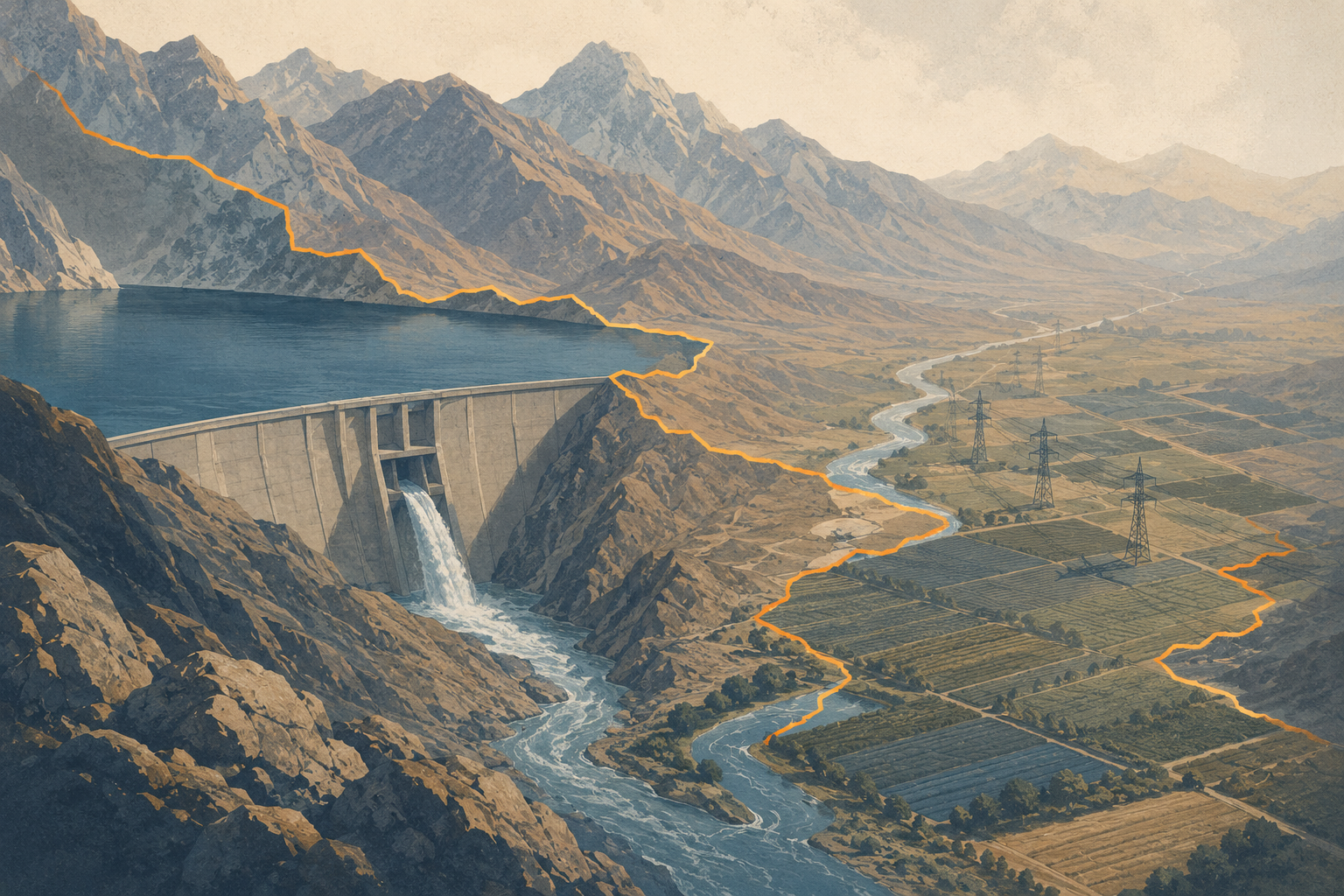
The three Syr Darya states lock in their summer water-for-power deal
Energy and water ministers from Kazakhstan, Kyrgyzstan and Uzbekistan met in Bishkek and signed a protocol governing water releases and electricity supply for July and August. It is the routine machinery of a bargain the region cannot afford to get wrong: upstream water for downstream power, settled season by season.

Central Asia's luck and Central Asia's road run through the same 50 kilometers
The weekend put two Central Asian stories on the Strait of Hormuz at once. Iran's threat to close it props up the premium on Kazakh oil. Kazakhstan's new port plot at Bandar Abbas depends on it staying open. The same water carries the region's windfall and its future, and they pull in opposite directions.

Tashkent's forum showed a country sitting comfortably on every bloc at once
Weekend reporting on the Tashkent forum drew out a quieter result than any dollar figure. With Russia's premier on the plenary stage, US executives in side rooms, the EU courting the Middle Corridor and Albania making a debut, Uzbekistan displayed a multivector balance that one regional report called emphatic non-alignment.

Iran threatens to close Hormuz again, and the wartime premium ticks back
The talks that collapsed on Friday reconvened at the Burgenstock over the weekend and reported guarded progress. But Iran threatened to shut the Strait of Hormuz once more over Israel's strikes on Lebanon, oil edged back toward $80, and the premium Central Asia had been losing all week stopped fading. The deal is holding on paper and fraying in practice.
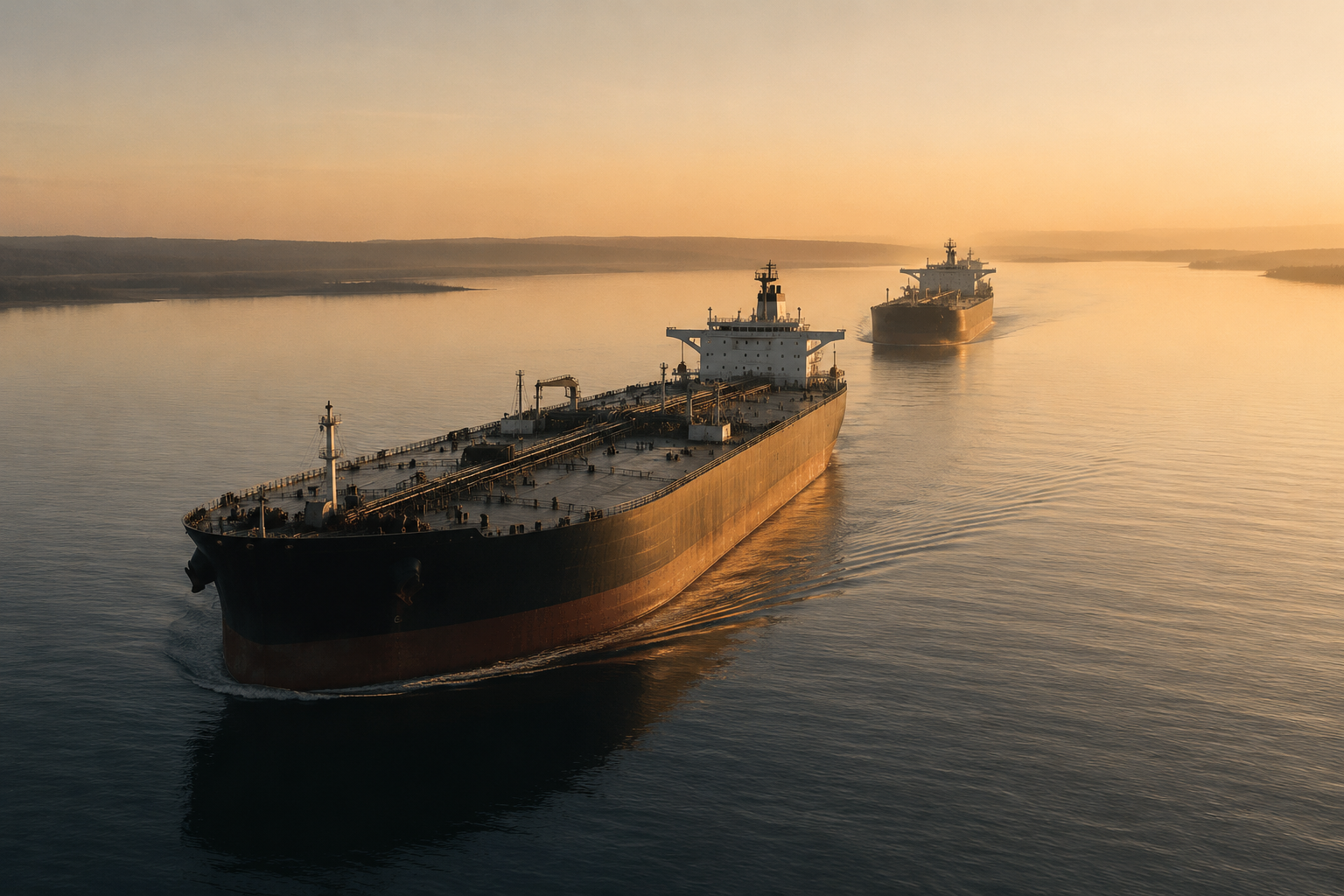
First Iranian oil tankers move through Hormuz since the blockade began
Two Iranian supertankers crossed the Strait of Hormuz on 17 June, the first crude exports to leave since the US naval blockade was imposed in April. The strait is not open, but oil is moving again, two days before the Geneva signing.

The Iran deal heads toward Friday’s signing with its text unpublished and both sides claiming victory
The US and Iran are preparing to sign their interim peace agreement in Switzerland on 19 June, but the deal’s text has not been published, the two governments describe its terms differently, and shippers want to see Hormuz actually reopen before they act on it.
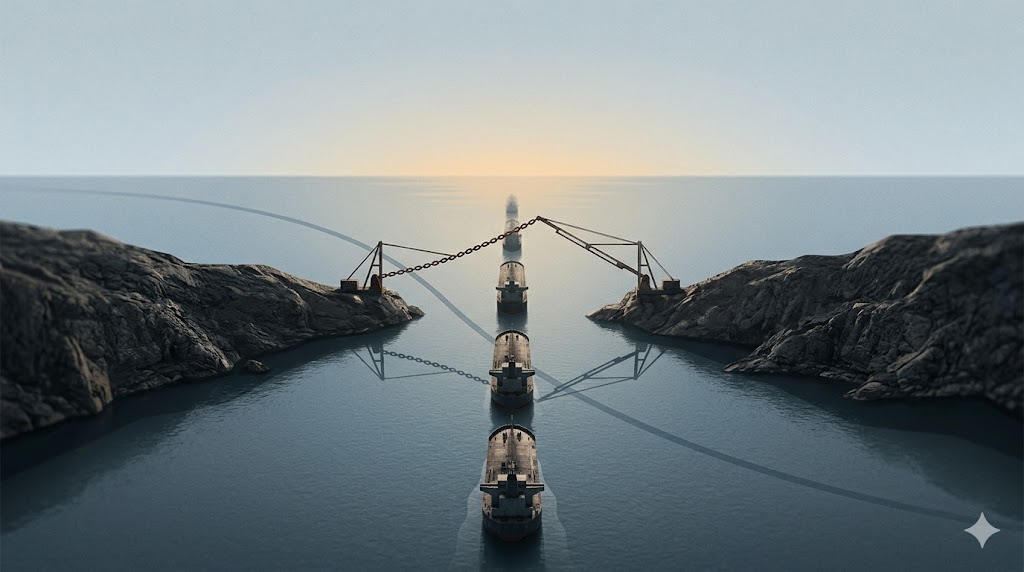
Iran and the US agree to end the war and reopen Hormuz, and oil tumbles
President Trump declared a deal with Iran complete on 14 June, set to reopen the Strait of Hormuz after more than 100 days. Oil fell below $84 on Monday, down from a wartime peak near $126. For Central Asia, the windfall is ending with the war.