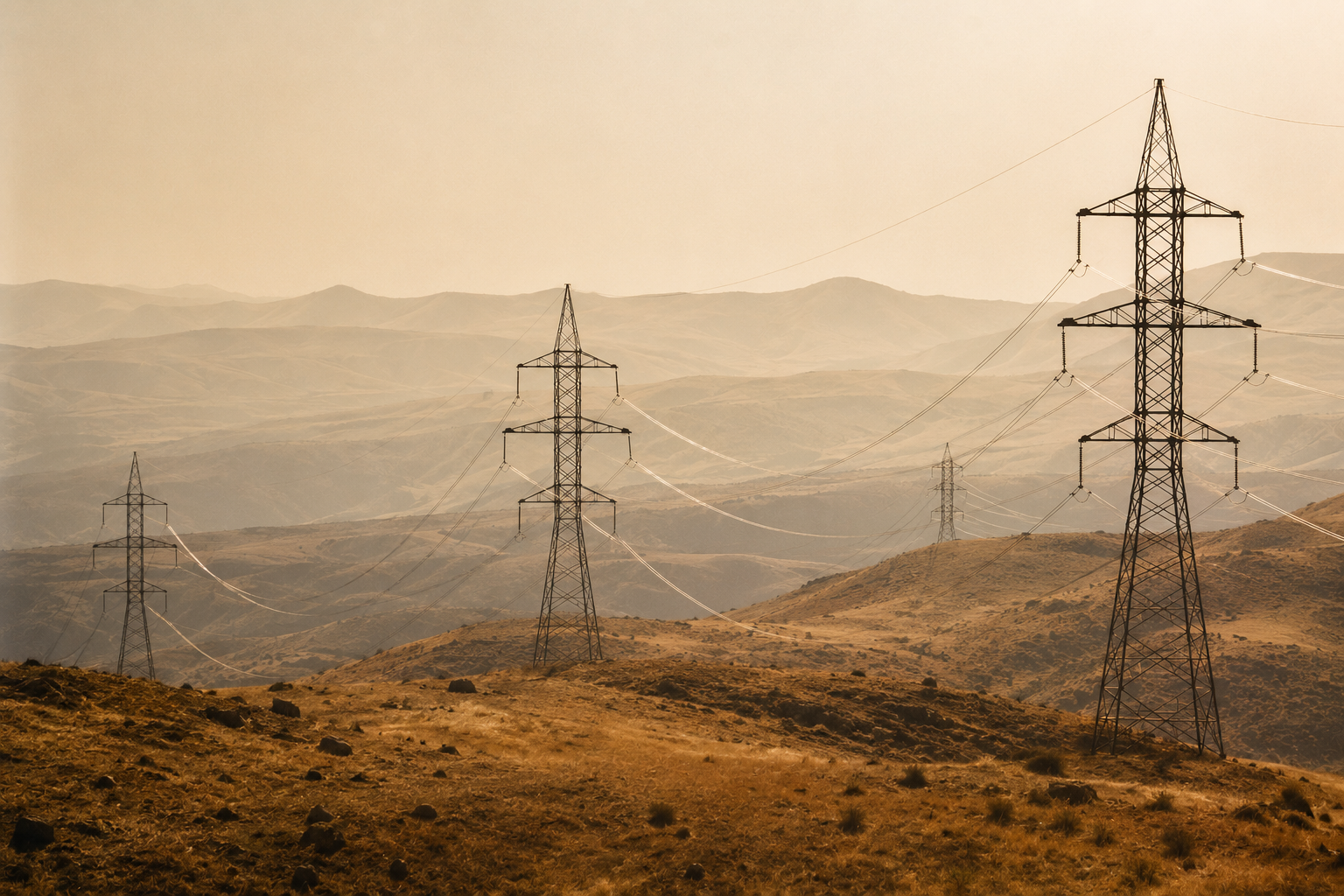
The National Electric Grid of Kyrgyzstan (NESK) said the two high-voltage lines switched off simultaneously and the system’s load-shedding automatics activated. The mechanism matters: the automatics dropped consumers to hold frequency and keep the grid from collapsing outright.
Reports came from most districts of Bishkek, from Kant, and from settlements in the Chui, Osh, Naryn and Jalal-Abad regions, Kyrgyz outlets reported. Traffic lights went out in parts of the capital. Bishkek’s water intake stations stopped with the power; the mayor’s office said supply would return in stages as pumping restarted.
The outage was the protection working: the grid dropped its customers to save itself.
Restoration ran through the afternoon. By around 15:40 local time, 24.kg reported supply back across almost the whole country, with pockets of the capital still waiting. NESK said the precise cause of the simultaneous line trips is under investigation.
The pattern is the story. By 24.kg’s own count this was at least the third large-scale failure in Bishkek and the Chui region in two years and the second notable one in 2026, after a June outage caused by a truck damaging a line and failures on consecutive days in June 2025. Each had a different trigger. The common element is a system with no margin at peak.
And the peak holds. Kyrgyzgidromet forecasts 40 to 42 degrees in Bishkek into the weekend, with cooling load to match. Four days before the blackout, the government answered 11.2% inflation with a one-year price freeze. What a frozen tariff schedule does to the maintenance budget of a grid that trips at summer peak is the question Friday put on the table.