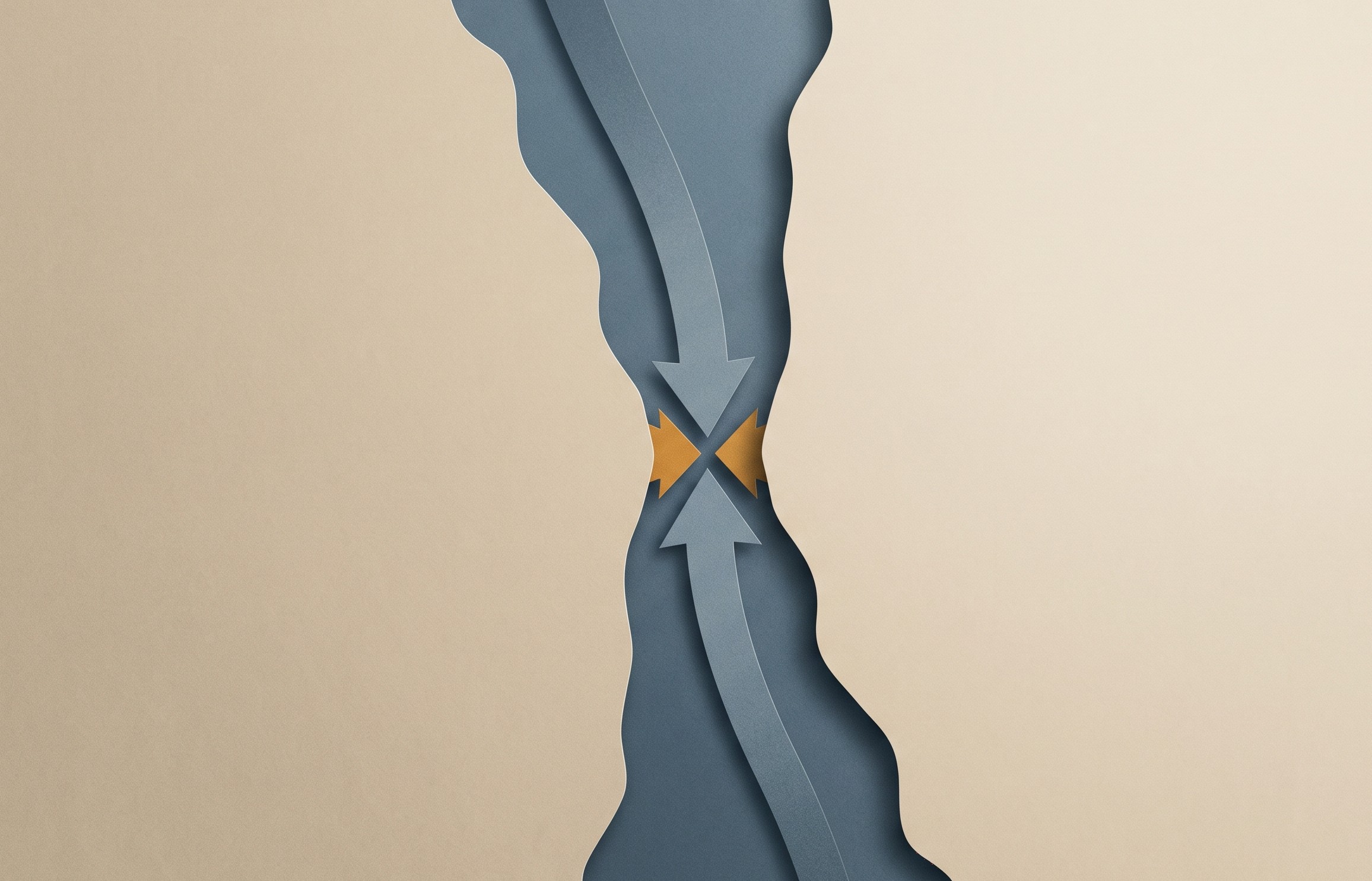
For three and a half months the closed strait was Central Asia's accidental fortune. Kazakh and Turkmen crude, routed away from the Gulf, gained a premium and a strategic spotlight. Last week, as the strait began reopening, that fortune started to fade, and the packs traced the fade day by day. This weekend it stopped fading, because Iran threatened to shut the strait again over Lebanon. The premium lives or dies on Hormuz staying dangerous.
At the same time, in Astana, Kazakhstan locked in a plot for a logistics terminal at Bandar Abbas, on that same strait, as the anchor of a southern corridor to the Persian Gulf and the Indian Ocean. That corridor lives or dies on Hormuz staying safe. One Central Asian interest wants the strait fraught; the other wants it calm. Both interests belong to the same countries, sometimes the same ministries, in the same week.
One Central Asian interest wants the strait fraught. The other wants it calm. Both belong to the same countries.
This is the deeper shape of the region's position, beyond any single deal. Central Asia is landlocked and sells into a world it reaches through other people's chokepoints: the Bosphorus, the Caspian, the Chinese border passes, and now Hormuz. A disruption at any of them is a threat and an opportunity at once, depending on which Central Asian export and which Central Asian route you are looking at. The skill the region has shown, multivector diplomacy, is partly a way of never being fully captured by any one of these chokepoints.
The Bandar Abbas plot is the right move regardless, because a southern outlet that bypasses Russia and China is worth having even if it carries strait risk. But it should be read clearly: Kazakhstan is buying into the same waterway whose instability is currently padding its oil revenue. The hedge against that contradiction is exactly the diversification the region keeps pursuing, the Middle Corridor west, the southern corridor through Iran, the eastern rails to China, so that no single strait owns the whole story. Watch whether the Burgenstock talks turn the Iran deal into a durable peace. If they do, the premium goes and the corridor becomes real. If they do not, Central Asia keeps the windfall and the road stays a blueprint. The region cannot have both, and this weekend it held both at once.