After Switzerland's foreign ministry postponed the first round of US-Iran implementation talks on Friday, delegations from both sides arrived at the Burgenstock resort over the weekend and the negotiations went ahead. Vice President JD Vance, special envoy Steve Witkoff and Jared Kushner met Iran's negotiators alongside Pakistani and Qatari mediators. Qatar and Pakistan said in a joint statement that the first session made encouraging progress and that the parties agreed to create a High-Level Committee to carry the technical talks toward a final deal inside the 60-day window. An emergency session on Lebanon was placed first on the agenda.
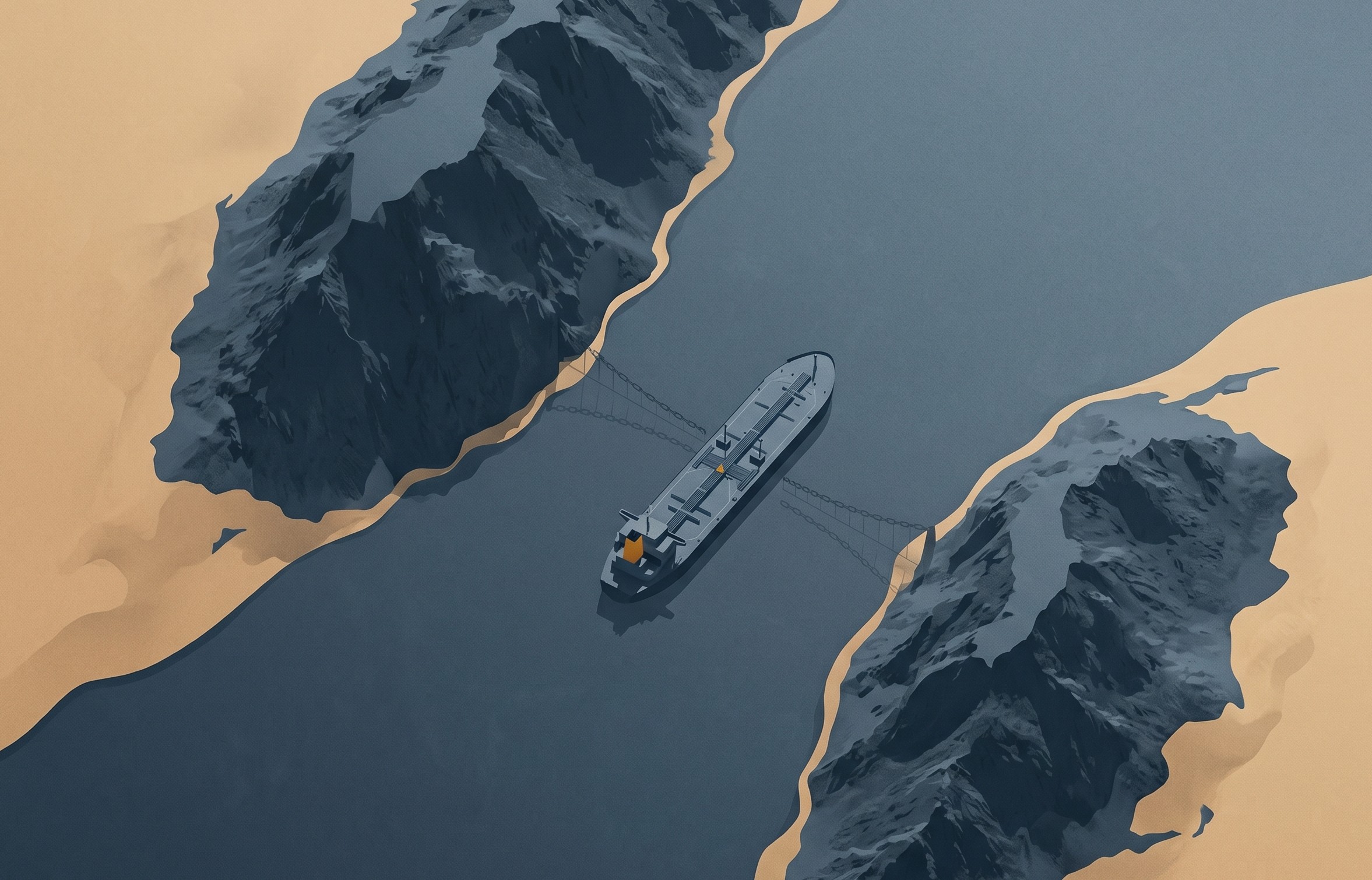
That Lebanon session was necessary because the ceasefire there nearly broke the wider deal. Israel and Hezbollah agreed a truce on Friday, then Israeli strikes on southern Lebanon resumed over the weekend, killing more than a dozen people by Lebanese count. Iran, citing Israel's refusal to withdraw from the south, said it would close the Strait of Hormuz again and imposed a mandatory insurance requirement on vessels transiting the strait, a charge where passage had been toll-free. President Trump warned he would hit Iran very hard again and spoke of taking control of Hormuz; Iran's negotiators said the military was ready to respond.
The deal commits all sides to end the fighting on every front. The fighting on one front nearly ended the deal.
The market read the wobble. Brent crude, which had fallen toward $78 the previous week as tankers began clearing the strait, rose back toward $80 a barrel as outbound traffic slowed and the closure threat returned. The physical reopening that ran ahead of the diplomacy last week went into reverse over the weekend. Oil is now pricing the gap between a signed memorandum and a strait that Iran can still choke at will.
For Central Asia this resets the calculation the packs traced all last week. The wartime premium on Kazakh and Turkmen crude, which does not pass through the Gulf, had been fading on improving Hormuz traffic. Over the weekend it stopped fading. As long as Iran can credibly threaten the strait, the premium has a floor, and the strategic attention that came with it stays live. The same uncertainty that lifts non-Gulf oil also hangs over the southern corridor through Iran that Central Asia wants, the subject of the next story. Hormuz is the hinge for both.