Kazakhstan
WHO leaves the Irkutsk death unexplained while the region’s plague watch stays on
The World Health Organization’s outbreak notice of 10 October classifies the death of a laboratory worker in Irkutsk as pneumonia of undetermined aetiology, finds no evidence of transmission and says a laboratory exposure “cannot be fully excluded”. Kazakhstan, Kyrgyzstan and Mongolia kept border controls and anti-plague stations on alert for a week. That watch is a Soviet inheritance, and its running cost is the figure the open record lacks.

Russia reopens diesel exports for 500,000 tonnes while a US licence runs to April
Russia’s government partly lifted its diesel export ban on Saturday, for 500,000 tonnes from 10 October, to carry out what Putin and Trump agreed by telephone on Friday. OFAC had licensed the sale, delivery and import of Russian-origin diesel the day before, through 7 April 2027. Neither document says whether the 500,000 tonnes stand beside or count against the duty-free balances under which Russian fuel reaches Kazakhstan.
Five presidents create a Caspian commission as Aliyev and Putin differ on the cause
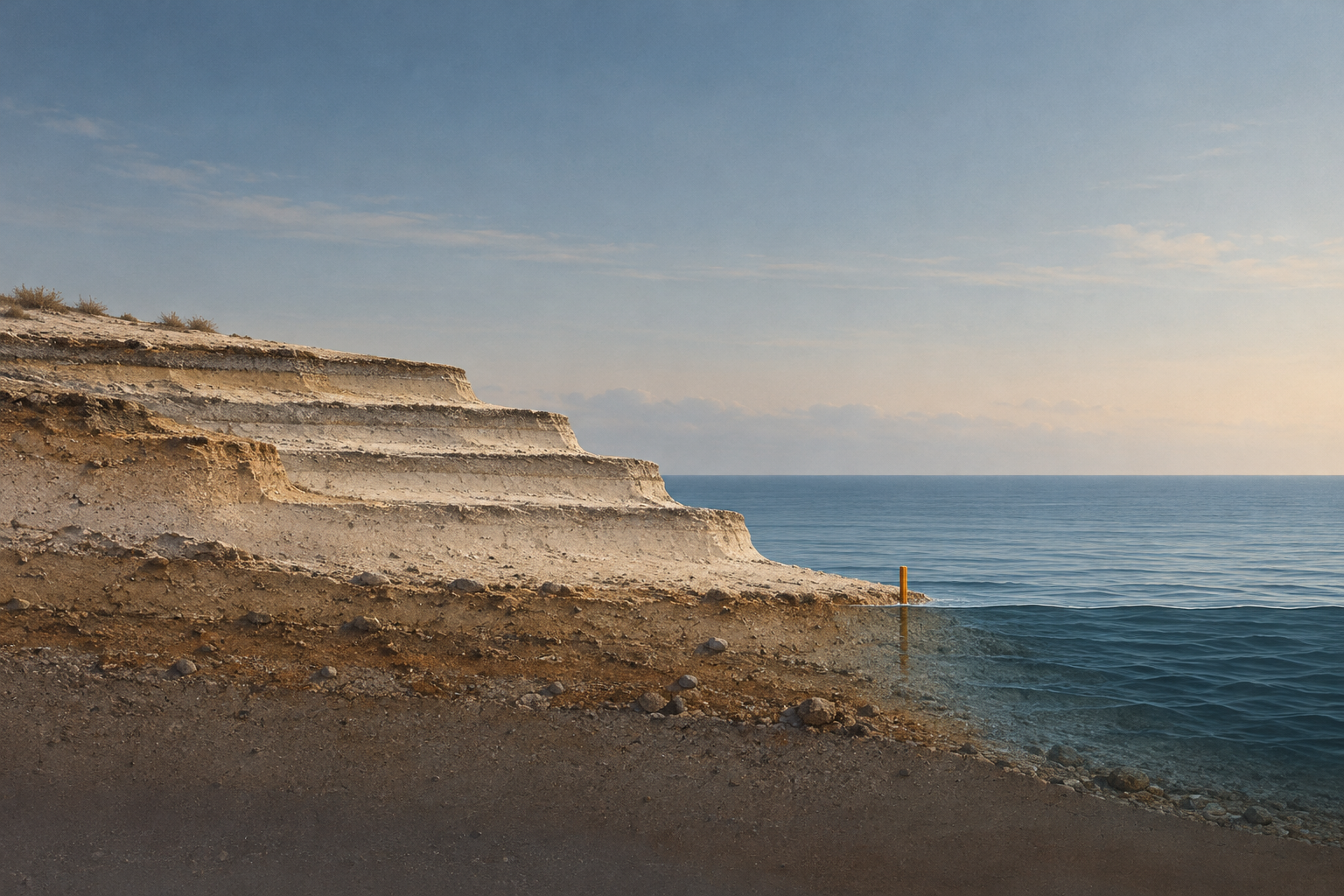
The first Caspian Ecological Summit ended on Friday with a decision by the five heads of state to create a commission of three deputy prime ministers and senior Iranian and Russian representatives on the sea’s falling level, which meets first in Azerbaijan in the first half of 2027. Aliyev named reduced river flow and man-made factors among the causes beside the climate, Putin named climate change the main one.

CIS leaders sign 15 documents at Avaza and Azerbaijan is absent from the memory statement
Azerbaijan is not among the eight signatories of the statement on historical memory adopted at Avaza on Friday, by the Kremlin’s text, one of 15 documents signed as the Commonwealth’s 35th-anniversary council handed the chair to Uzbekistan from 1 January and heard Mirziyoyev invite the leaders to Bukhara next year and Aliyev offer to chair in 2028. Iran’s president sat in for the first time.
Kazakhstan’s current account turns to a $2.4 billion surplus as the tenge slips to 448.94
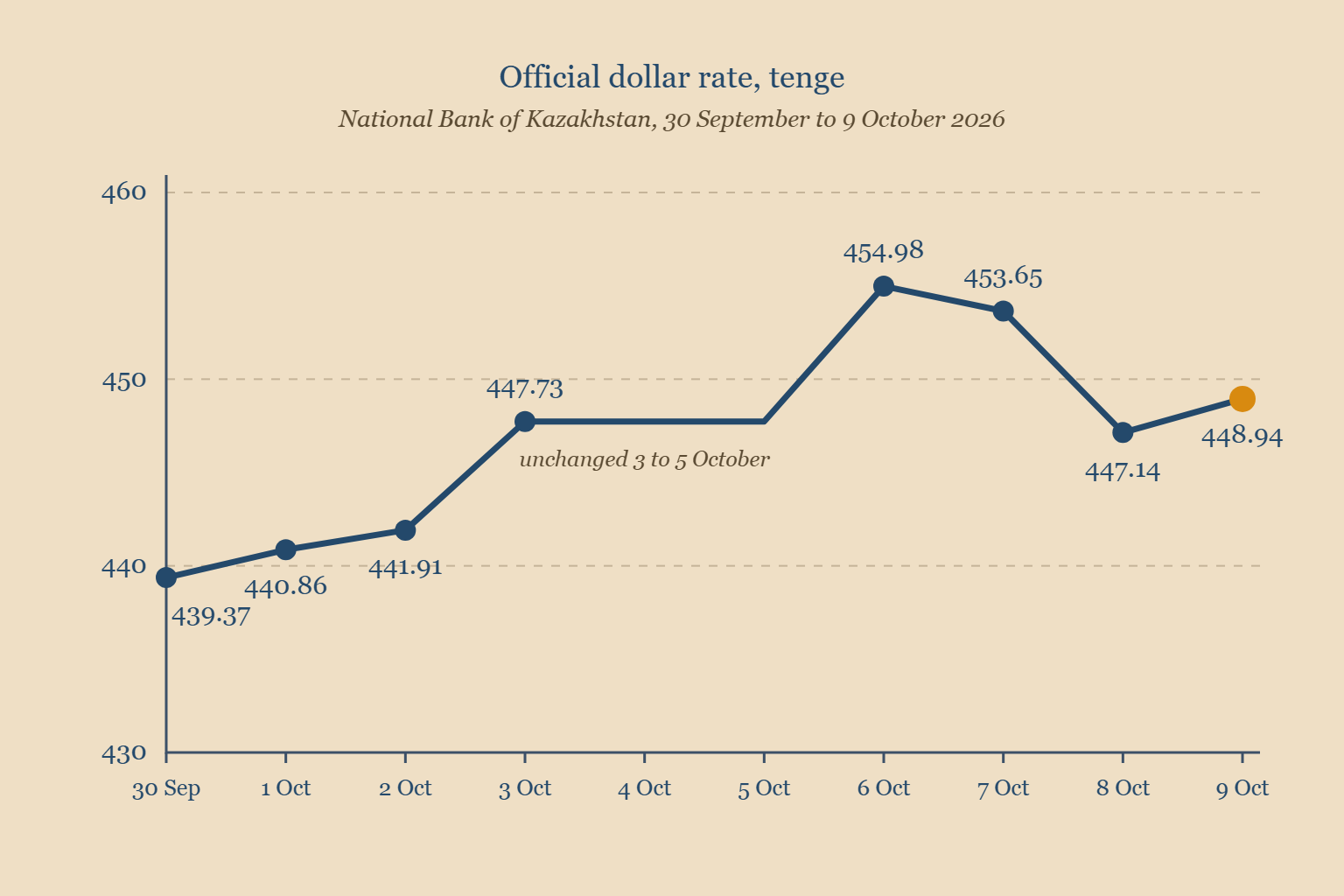
Kazakhstan’s current account showed a surplus of $2.4 billion, or 1.6 per cent of GDP, in the first half of 2026 after a deficit of $13.1 billion for the whole of 2025, the Ministry of National Economy said on Friday from National Bank data, the first surplus in three years. For Friday the official dollar rate is 448.94 tenge, up from 447.14 on Thursday.

A Bishkek court jails Kadyr Atambayev for four years over a plot to seize power
The Pervomaisky district court of Bishkek convicted Kadyrbek Atambayev, the former president’s son known as Kadyr, of violent seizure of power under article 326 of the Criminal Code on Thursday and gave him four years with confiscation, the Bishkek outlet Economist.kg reported from the court’s registry. Social Democrats leader Temirlan Sultanbekov received four years, merged with his 2025 vote-buying sentence into seven, and former deputy Kubanychbek Kadyrov was acquitted.

Six leaders sign two documents at Avaza as Tokayev counts 200 initiatives and few results
The eighth consultative meeting of Central Asia’s heads of state, the first with Azerbaijan as a full member, closed on Thursday with a joint statement and a decision on its own rules, and handed the 2027 chair to Baku. Tokayev told the five that more than 200 initiatives have been raised since 2018 and only a small part carried out, while Putin, Pezeshkian and Lukashenko landed for Friday’s CIS summit.

Britain’s trade minister sits in Akorda as UK Export Finance takes a seat in Yerevan
Tokayev received Lord Anas Sarwar, the UK Minister of State for Trade, on Wednesday and invited Prime Minister Andy Burnham to visit, citing trade up 83% in 2025 to over $1.6 billion and more than 500 British companies, by Akorda’s readout as Zakon carried it. The same evening the first Armenia-United Kingdom Business Forum drew about 2,000 participants and a UK Export Finance team to Yerevan, by Armenpress.
Four of the commission’s five members set the Syr Darya’s winter regime at Avaza
The Interstate Coordination Water Commission’s 95th session agreed water-withdrawal volumes and reservoir regimes for the 2026 to 2027 non-growing season on Wednesday, after Shardara received 3.69 billion cubic metres in the growing season, 840 million above forecast, by Kazakhstan’s water ministry as Kazinform carried it. The Turkmen chair’s readout and the Kazakh one name four delegations, and neither names Kyrgyzstan.
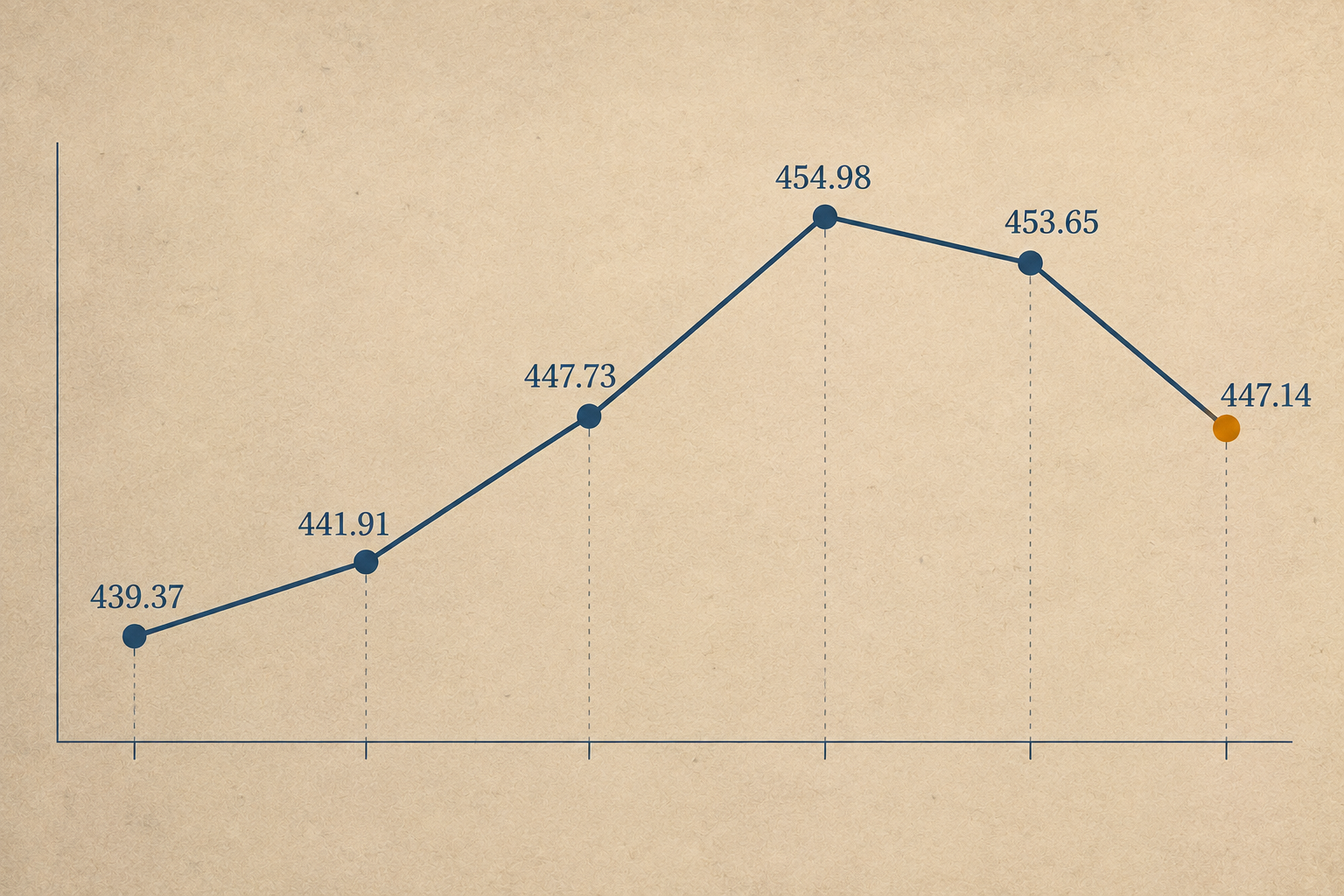
The National Bank’s dollar rate falls to 447.14 after Tuesday’s 454.98 peak
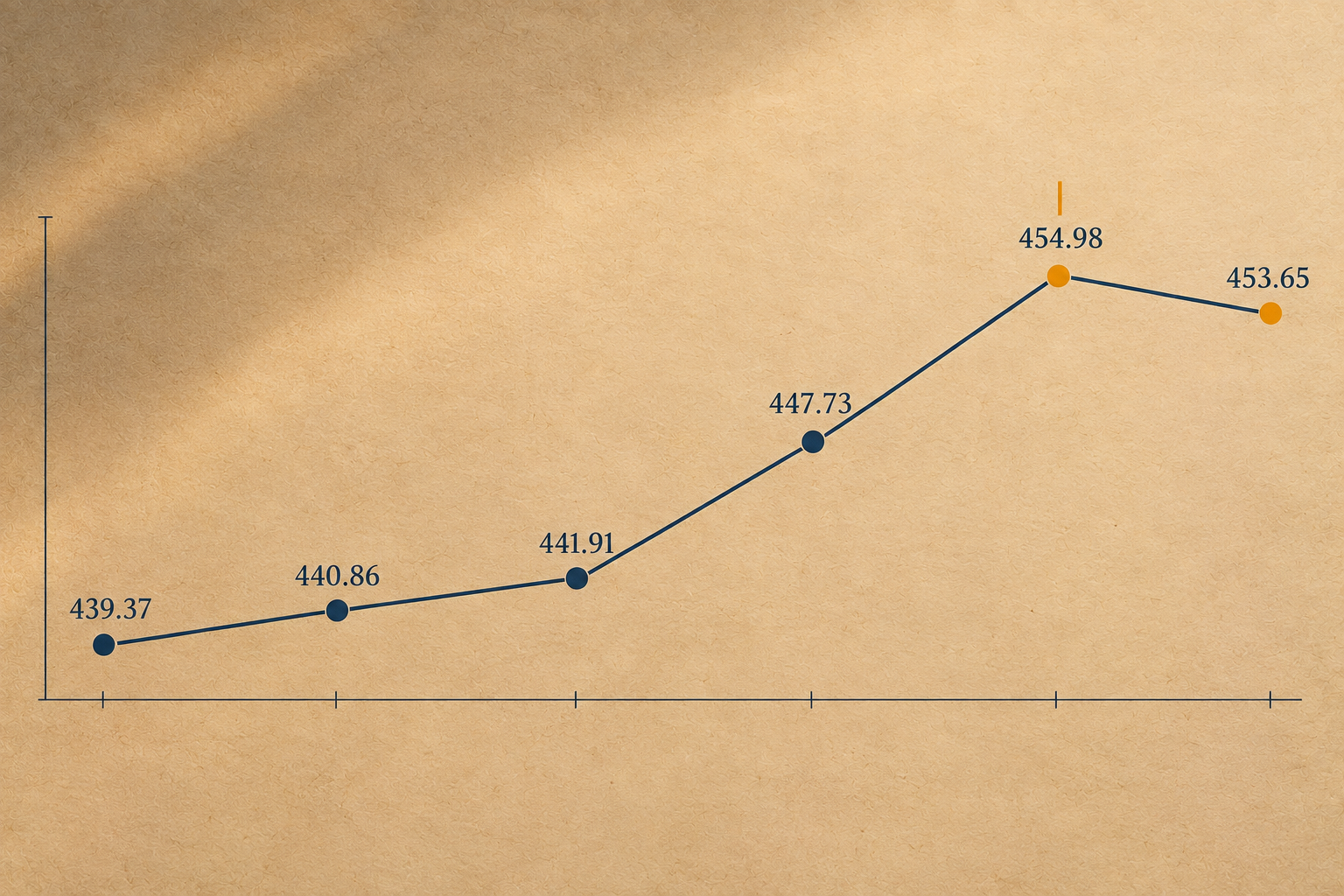
The official rate for Thursday is 447.14 tenge per dollar, 6.51 below Wednesday’s 453.65 and 7.84 below Tuesday’s 454.98, the highest reading of the week, by the National Bank’s daily series. That returns half of the 15.61 the tenge lost between 30 September and Tuesday.

Tokayev puts a budget specialist into the Defence Ministry after a week of removals
Tatyana Savelyeva, a vice-minister of finance from 2016 to 2023 and chair of the Mazhilis budget committee until July, was named Deputy Minister of Defence by a presidential order on Wednesday, minutes after the Kurultai ended her mandate without a dissenting vote, by Zakon’s reports of 10:22 and 11:53. Asker Beisenov was released from the post by another order the same morning.

Avaza’s first day ends with four CIS decisions and no word on the Caspian ministers
The CIS foreign ministers signed four documents at Avaza on Wednesday, among them a decision making 2029 the Commonwealth’s transport year, and fixed their next council for Bishkek in April 2027. Listed for the same day in the host’s programme, the Caspian states’ ministers had no readout on Turkmenistan’s state portal, TDH, the foreign ministry’s site or News Central Asia by Thursday morning as the presidents landed.
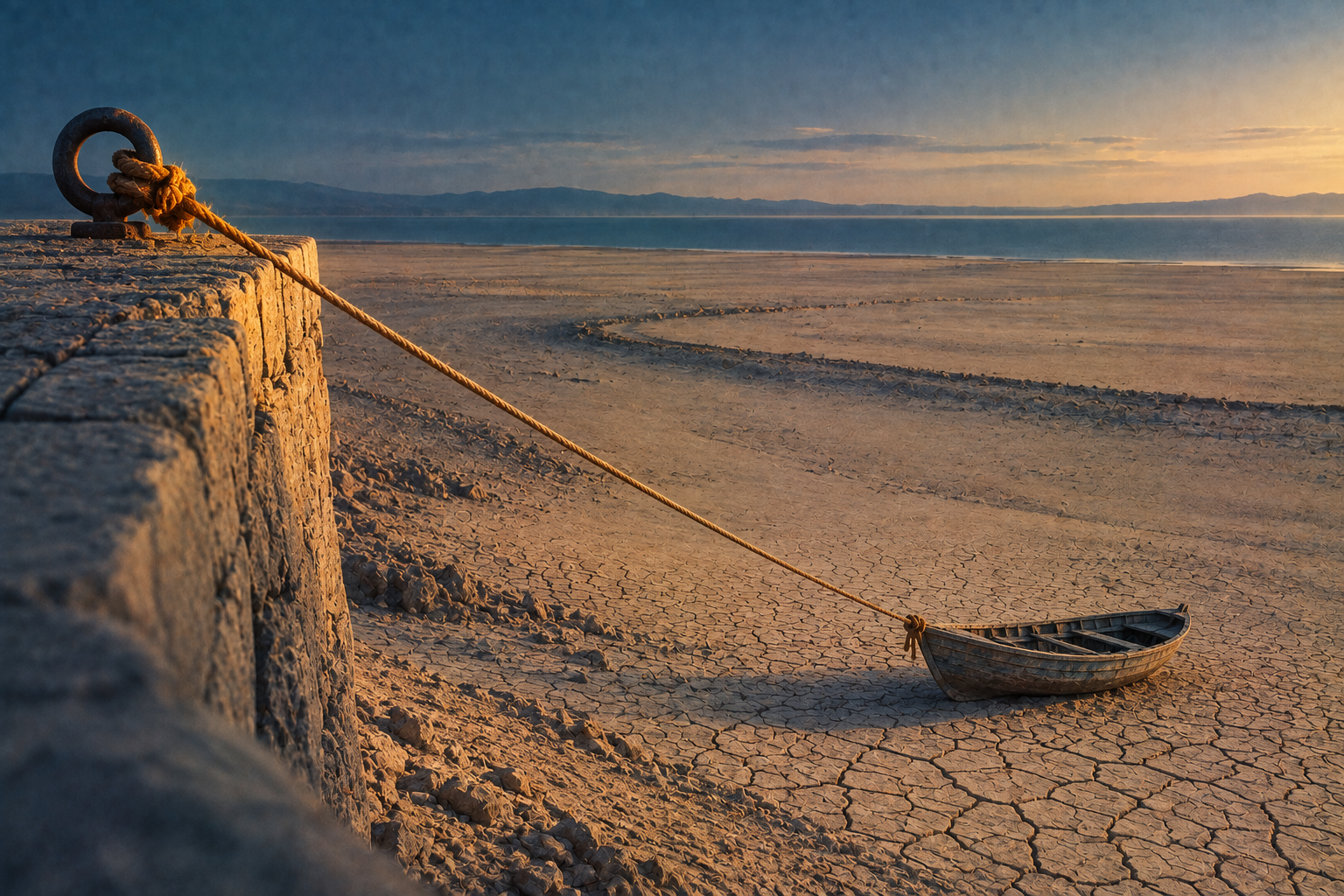
Three summits come to Avaza while the sea beside them is leaving
A volunteer with a camera found a new island off Kulaly days before the presidents arrive on the Turkmen shore. Moscow’s aide names the climate as the cause of the shallowing. The river that feeds the sea is Russia’s.
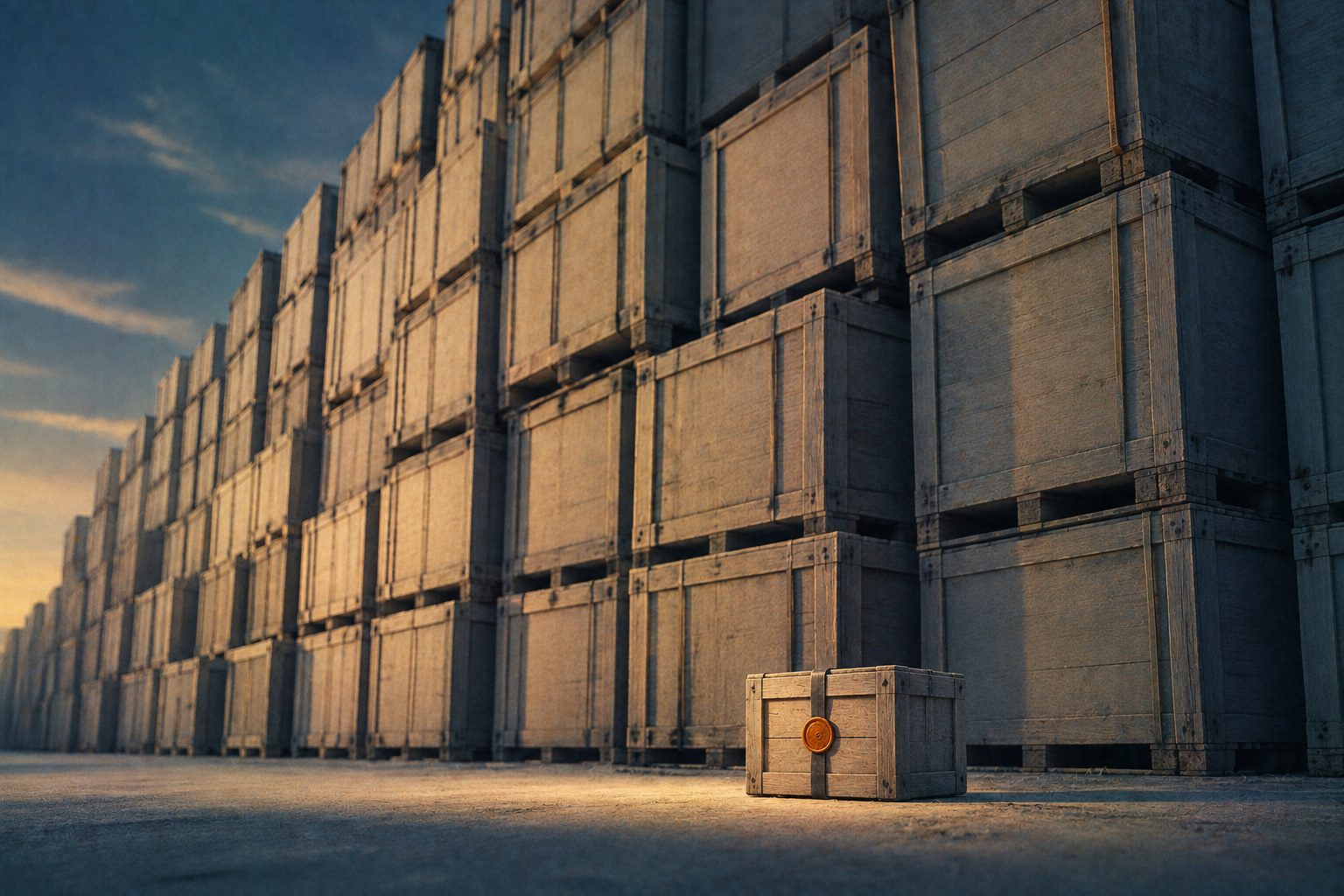
The EAEU’s economic partnership with the UAE takes effect with duties cut on 85% of lines
The agreement on economic partnership between the Eurasian Economic Union, its member states and the United Arab Emirates entered into force on 6 October, Kazakhstan’s trade and integration ministry said as Kazinform carried it at 17:06. It abolishes or lowers import duties on more than 85% of the tariff nomenclature. Signed in St Petersburg on 27 June 2025, it was ratified by Kazakhstan in July.
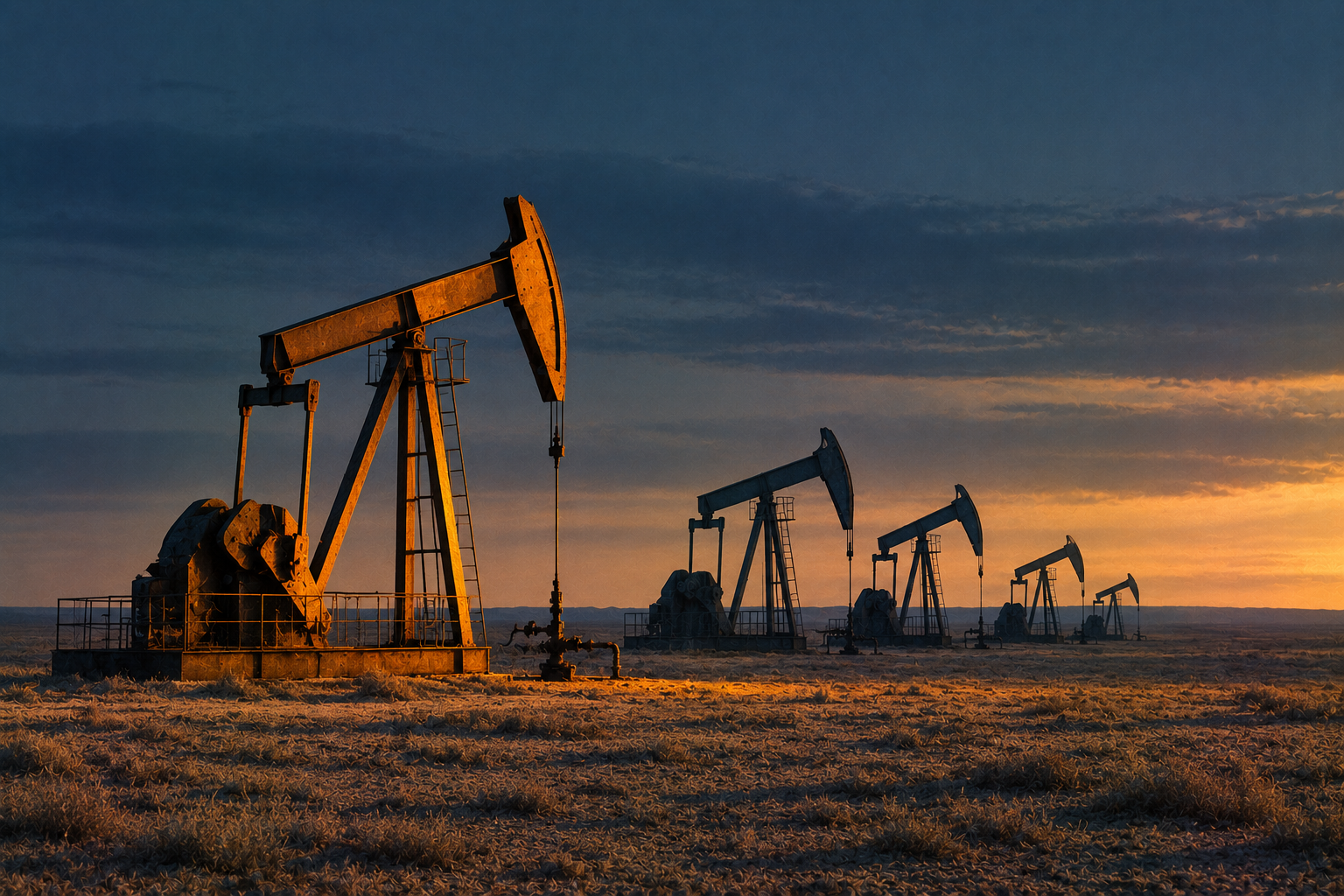
Tokayev and Oman’s Sultan adopt a joint statement and eight documents, none with a sum
Kazakhstan and Oman exchanged eight intergovernmental and inter-agency documents and adopted a joint statement after talks in Astana on 6 October, Akorda said as Kazinform carried it at 15:21, from investment protection and air services to a joint fund of Samruk-Kazyna and the Oman Investment Authority. No sum appears on the page. A settlement on the Dunga oil field, signed a day earlier, awaits Oman Oil’s signature.
The Kremlin confirms a Caspian summit on Friday that Turkmenistan’s programme post omits
Vladimir Putin will speak on 9 October at a Caspian Ecological Summit in Turkmenistan where all five Caspian leaders are to speak and a declaration on the sea’s ecological problems, shallowing included, is expected, his aide Yuri Ushakov said on Tuesday evening. The CIS foreign ministers meet at Avaza on Wednesday with Sergei Lavrov, and the Caspian states’ ministers meet the same day, by the state portal’s programme.
The Middle Corridor is promised billions while its Caspian ferries sail part-empty
Brussels plans to attract up to €12 billion for the Middle Corridor. The sea at its centre has dropped about 2.5 metres in 30 years, Azerbaijan’s Institute of Geography says, and ferries leaving Kazakhstan already sail with part of their cargo space empty. On Wednesday the ministers of the five shore states met in Avaza to discuss it.

Moscow’s Afghanistan format ends with no statement as Overchuk reports trade up 2.5 times
The eighth round of the Moscow format consultations on Afghanistan ended on Monday without a final statement because the Afghan and Pakistani delegations could not agree a text, Sergei Lavrov said on Tuesday, with the special envoys of Kazakhstan, Kyrgyzstan, Tajikistan and Uzbekistan at the table. Deputy prime minister Alexei Overchuk told foreign minister Amir Khan Muttaqi the same morning that trade had grown 2.5 times in seven months.
The tenge’s official rate jumps 7.25 in a day to 454.98 and eases to 453.65 for Wednesday
The National Bank set the official rate at 454.98 tenge to the dollar for Tuesday 6 October, 7.25 tenge weaker than Monday’s 447.73, the largest one-day move in its series since the end of August, and at 453.65 for Wednesday after the day’s trading on KASE closed at that weighted average.
Kazakhstan arrests the navy commander it relieved three days ago over the Caspian deaths
Kanat Niyazbekov, the former commander of Kazakhstan’s navy, has been detained and placed under arrest with a court’s sanction on suspicion of a negligent attitude to service, in the investigation of the 14 deaths at the Caspian landing exercise of 24 September, the interior ministry said on Tuesday. Tokayev relieved him on 3 October. The defence minister’s reform plan is due on Wednesday.