Search
A queue timed to end when the guests arrive
Ulaanbaatar rations petrol by number plate until 15 August. The UN’s desertification summit opens there on the 17th. The gap between those two dates is the most carefully planned thing in Mongolia this month.
Mongolia’s leverage lies in other people’s courtrooms
Shareholders in New York and Québec have twice put a price on the Oyu Tolgoi construction story. One settlement has been approved; the other awaits a hearing. Ulaanbaatar used that story once, in 2022, but has since left it in the drawer. A former government insider says it is time to take it out.
Five Years Ahead: the institution that refuses to exist
The region’s most productive political format keeps insisting it is only a conversation. The paper trail from Issyk-Kul says the conversation is becoming a structure.
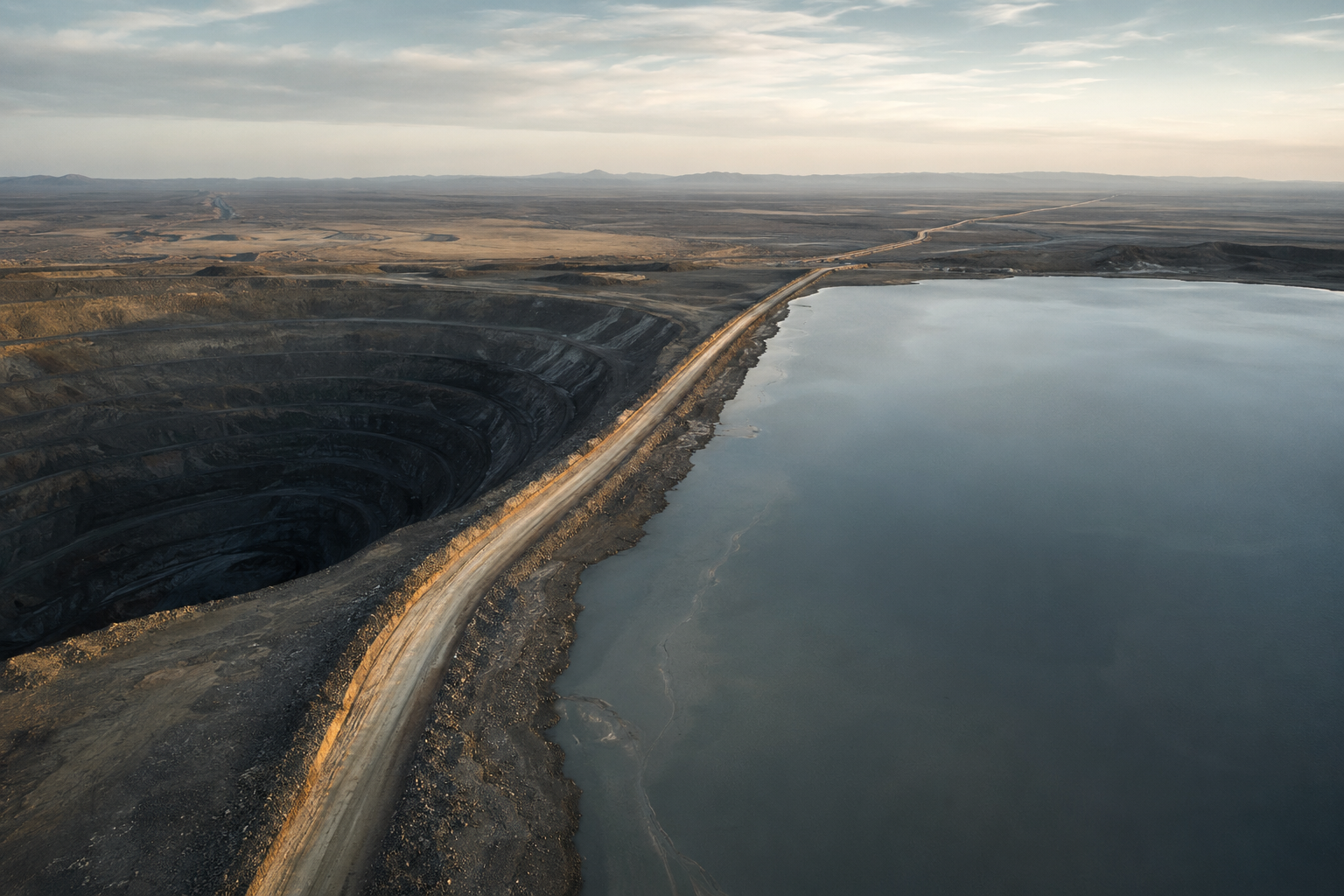
Kazakhstan’s tungsten leaves before it matters
A metal the world has started to fight over, a pit that needs a slice of a national park to reach it, and a plant built to ship the ore out as concentrate.
Nowhere to put a bad week
The region has spent a decade building capacity to move things and almost nothing to hold them. July is showing what that costs.
The bill for Kashagan, and the line nobody publishes
Kazakhstan is collecting 2.3 trillion tenge from the operator of its largest offshore field, in the week that field’s export route shut down. The state has published the demand. It has not published the calculation behind it, and it has not said who ultimately carries the cost.

The middle position gets its invoice
Kazakhstan has monetized its distance from two wars since 2022. In four July days one of them priced that distance at the terminal through which more than 80% of its oil exports leave. The next document out of Astana will show whether the region has a policy for this, or only a posture.
Law by container
In two July weeks the region signed into Chinese mediation, kept its oil disputes in Geneva, and wrote English law behind two new fences, while Armenia holds a Stockholm order to be optional. The pattern is freight logistics, applied to jurisprudence.

Five Years Ahead: the region is retiring its most dangerous question
Three legal events in one July week, in three capitals, shared no category and one function: the retirement of the question of who comes next. The five-year bill goes to the institutions doing the retiring.

Bishkek's confession by conduct
Two state banks quietly dropped 131 clients this summer. The government called it the results of ongoing work. It never once called it what the European Union had been saying for months, and it never had to. The banks said it instead.

Five Years Ahead: the grid is Kazakhstan's real AI strategy
Astana is buying chips, signing frameworks and courting both Washington and Beijing on artificial intelligence. Almost none of that requires it to generate a single extra watt. Five years out, the constraint that decides how this ends runs through the grid.

Who gains from the UN's silence on Tajikistan
On 3 July the UN Human Rights Council closed a confidential complaint against Tajikistan without a word of explanation. Three days earlier the World Bank had approved another $400 million for the country. Read those two facts together, and the silence has an address.
Mongolia took the win it could get on Oyu Tolgoi
On 30 June the government announced a breakthrough with Rio Tinto: a lower interest rate on the shareholder loan and half off management fees. Set against what Ulaanbaatar spent two years demanding, it is a modest trade, and the politics of the applause matter more than the terms.
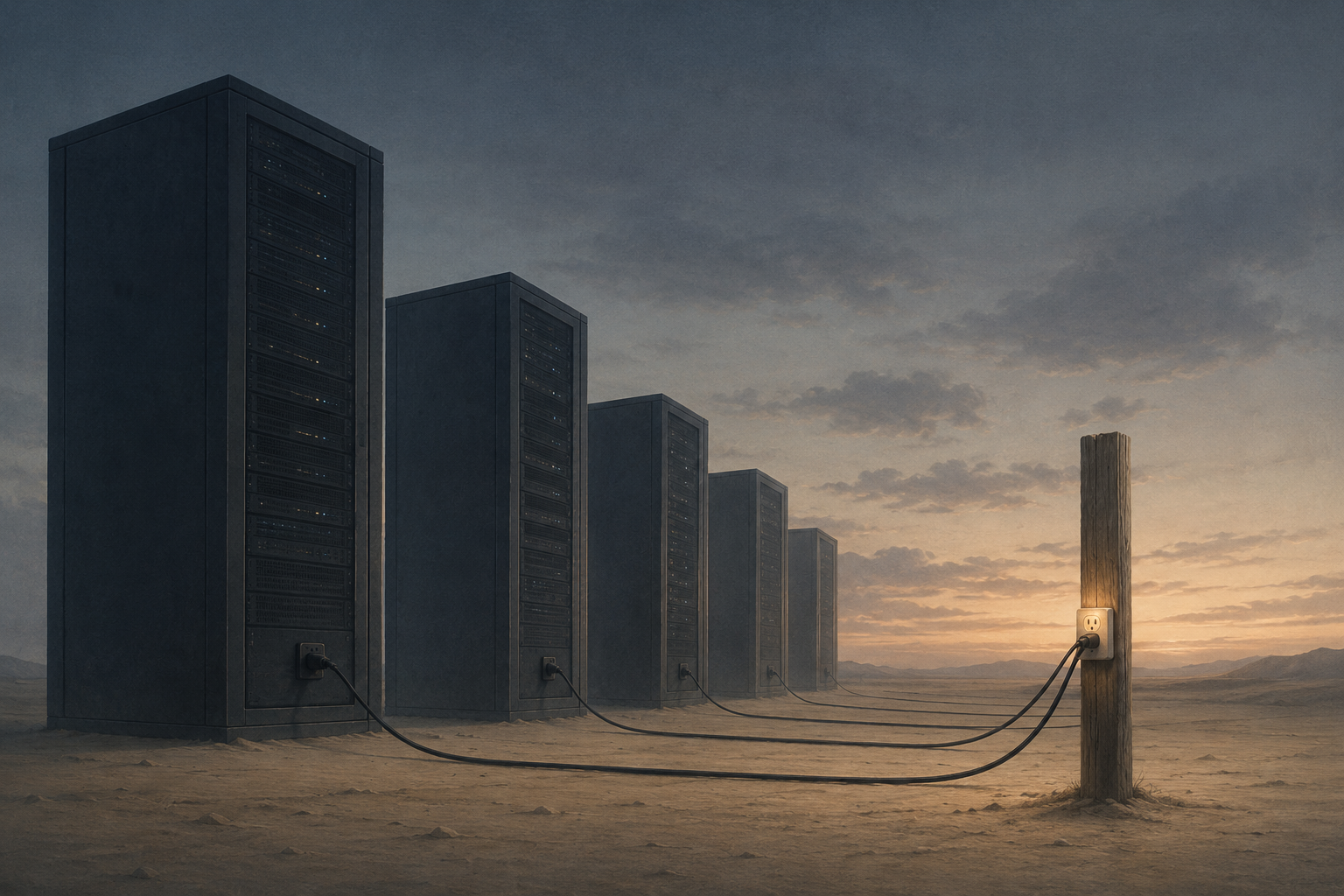
The ceiling on Kazakhstan’s AI ambitions is the grid
This week Kazakhstan formalised its bid to become Central Asia’s computing power. The arithmetic of its electricity system will decide how much of that bid survives to 2031.

Kazakhstan rewrites its constitution, and three capitals are reading it
On 1 July a new constitution takes effect in Kazakhstan, sold as modernisation. The question worth asking is who it is for, at home and in the three capitals that read Astana closely.

Mongolia owns a third of Oyu Tolgoi. It is still waiting for the first dividend
A year ago the streets of Ulaanbaatar filled over a simple grievance: the country sits on world-class mineral wealth and rarely feels it. The copper has grown more valuable since. The wait has not grown shorter.
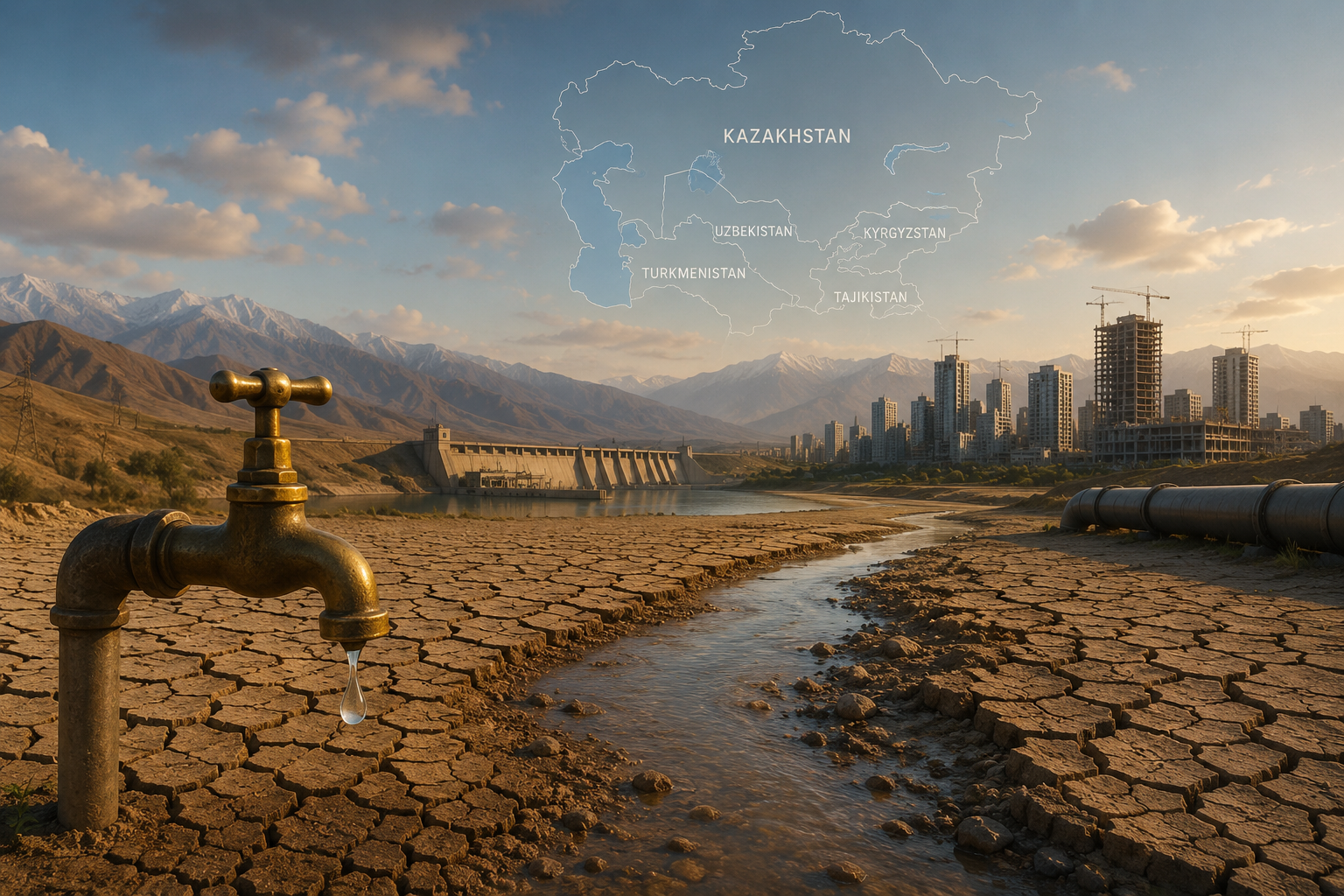
Five Years Ahead: The most important resource in Central Asia is no longer oil
Hydrocarbons built the modern map of Central Asia. The next map will be drawn by water, and the lines are already moving in Afghanistan, Tajikistan and the shrinking glaciers overhead.
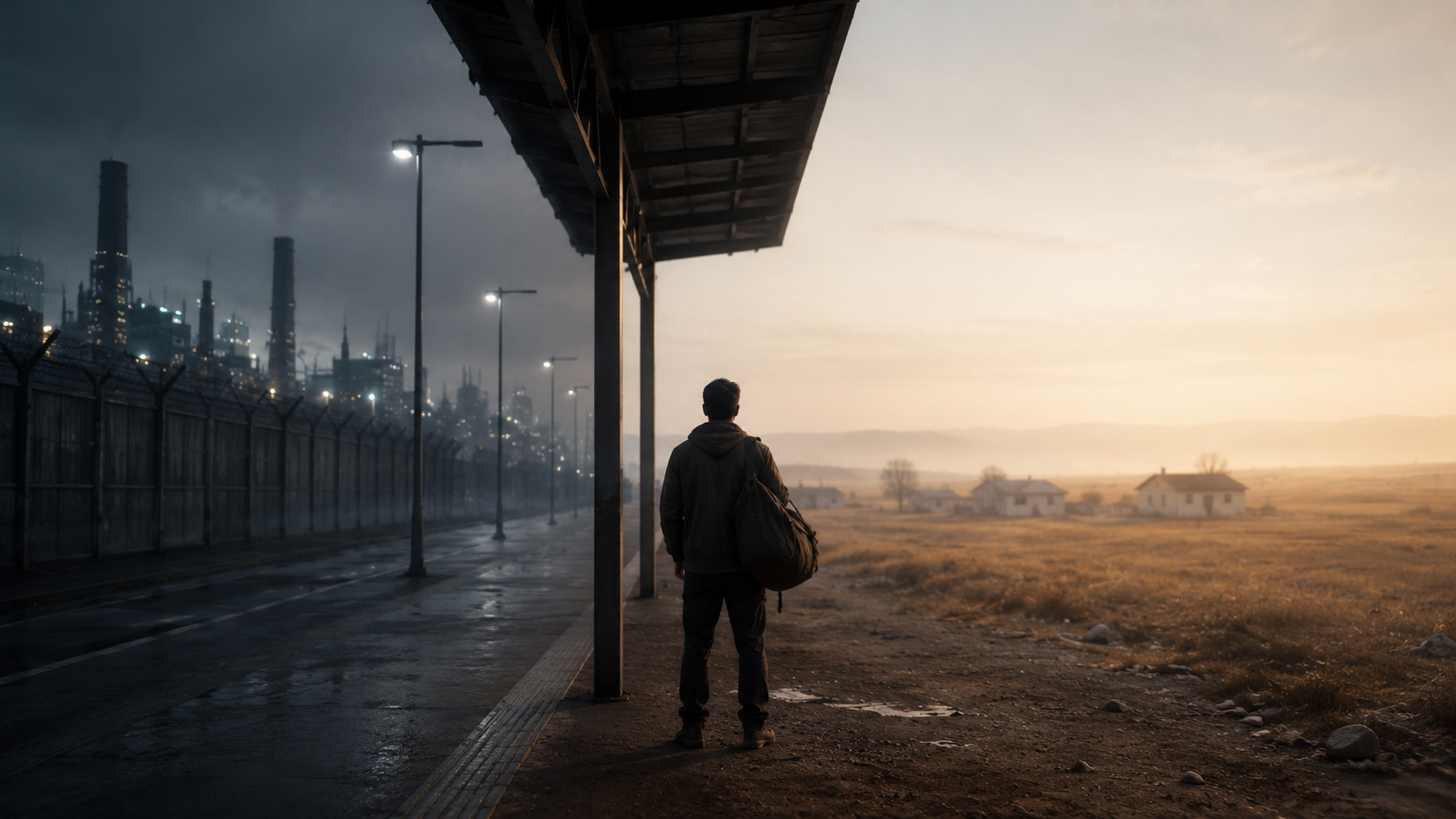
Russia is squeezing Tajik migrants. Dushanbe is the quiet beneficiary
This week Russia made its citizenship 12 times more expensive and all but reserved the cheap path for men willing to fight its war. The West sees victims of Moscow. It keeps missing the government in Dushanbe that needs these men gone, and needs their money home.

Kazakhstan’s reforms all point one way
On 12 June the party that ran Kazakhstan for a quarter of a century voted to dissolve itself into a party loyal to the sitting president. It was called renewal. It is the latest step in a steady concentration of power that the country’s reformist vocabulary keeps describing and never quite reverses.
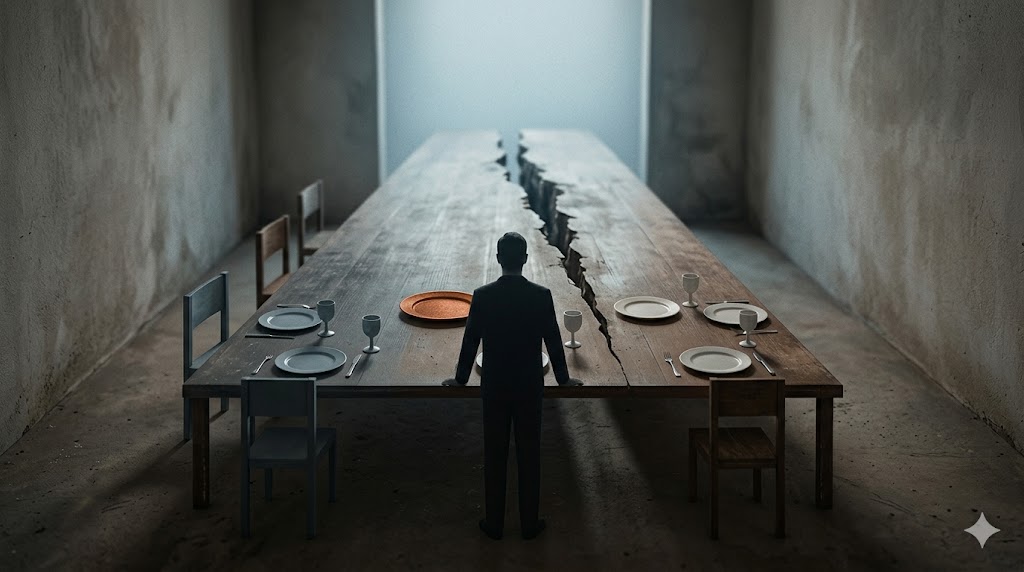
The minerals man, the Shenzhen check, and the Russian gas tap
In one week Kazakhstan hosted an American official hunting for minerals, pocketed $6 billion from a Chinese roadshow, and offered to pump more Russian gas to its neighbor. The performance was flawless. The stage is getting smaller.