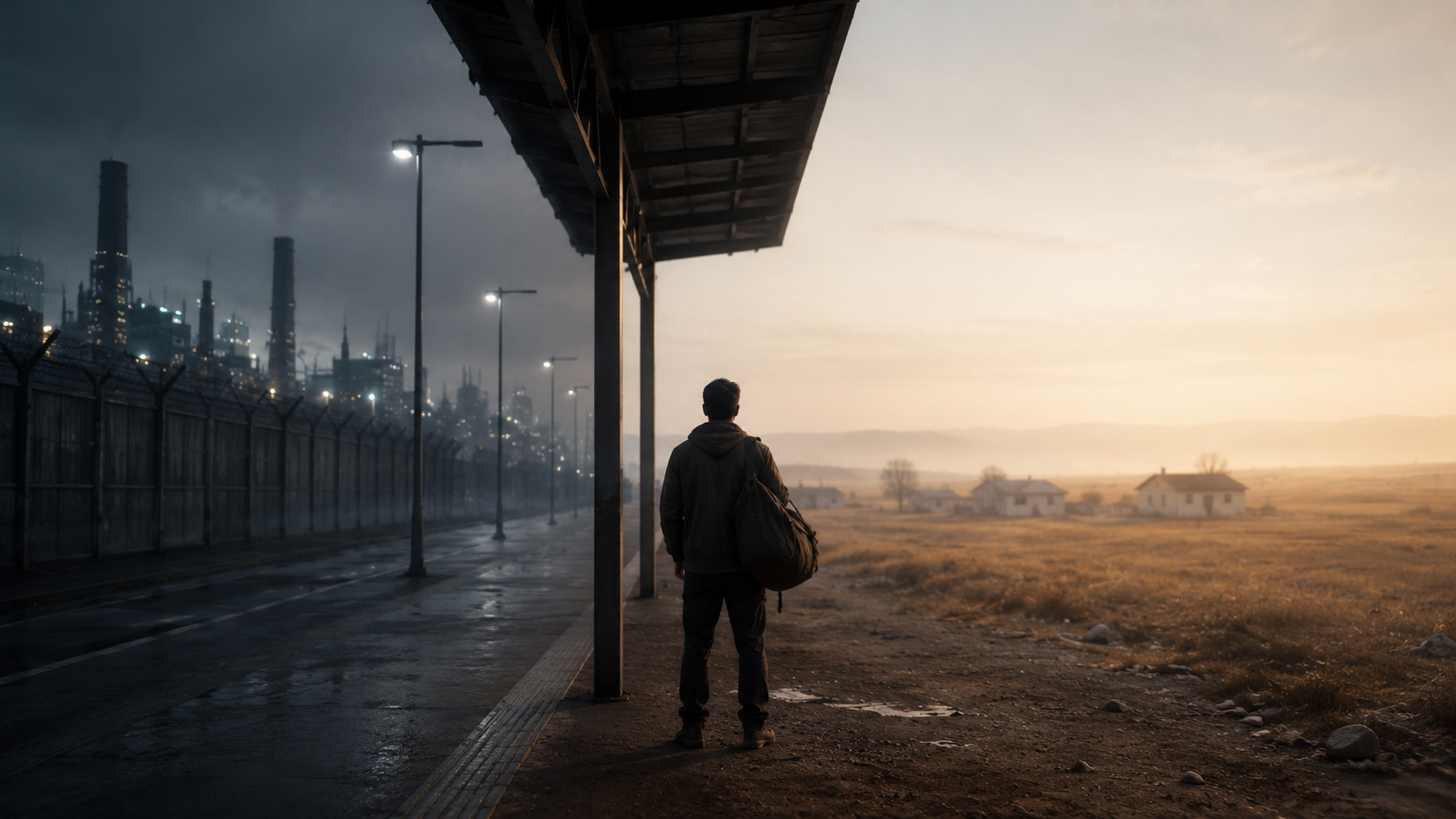
This week Russia’s parliament raised the fee for a Russian passport from 4,200 rubles to 50,000, a 12-fold jump in the price of belonging. The fee for a residence permit quadrupled. The speaker of the State Duma, Vyacheslav Volodin, gave the reason without varnish: the state wants to “influence the quality of people coming into the country.” They should be, he said, people who are already established and successful.
He was not describing the Tajik labourer who tiles Moscow’s bathrooms and wires half his wage home.
One exemption makes the message plain. The new fees are waived for foreigners who sign a one-year contract to fight in Russia’s war in Ukraine. The cheapest Russian passport now runs through the trenches.
The Western reading of this writes itself. A xenophobic Russia, hardened since the 2024 Crocus City Hall attack, is turning millions of Central Asians into a controlled underclass. There is now a registry of “controlled persons” that can stop a migrant from driving, marrying, opening a bank account, or sending more than 30,000 rubles a month to his family. All of it is true. It is also half the story.
· · ·
The half that Brussels and Washington leave out is the government the migrant left behind. By some measures Tajikistan exports more of its people, relative to the size of its economy, than almost any country on earth. Remittances, the overwhelming share of them sent from Russia, have run close to half of GDP in recent years.
The state in Dushanbe shows no urgency to change this, because the arrangement works in its favour. Every young man on the bus to Russia is one fewer without a job at home, and one fewer with a grievance. The money he wires back supports a household the government does not have to, and the hard currency steadies a budget that creates too few jobs of its own. Labour migration is Tajikistan’s safety valve and its currency tap at the same time.
So Dushanbe keeps the channel open and leaves the economy that would close it unbuilt. When Moscow tightens the screws, the Tajik state does not answer in public. It needs the door to Russia held open more than it needs to defend the people walking through it.
The arrangement suits two governments and is paid for by one set of people. Russia rents the labour it wants and discards it when its politics demand. Tajikistan rents out its surplus young men and lives on what they send home. The migrant pays both rents: the rising fees and the fear in Russia, and the absent future in Tajikistan.
The Western concern, real as it is, comes cheap. No one in Brussels is offering that twenty-year-old a job in Dushanbe. The EBRD, in its report this month, called Tajikistan’s dependence on Russian remittances the country’s key vulnerability, a word that makes a deliberate policy sound like weather. It was written in Dushanbe as much as in Moscow.
Across Tajikistan, families living on wages wired from a son in Russia are the norm rather than the exception. The arrangement is so ordinary that nobody asks who designed it.
None of this clears Moscow. A state that helps fund its war by selling citizenship to the desperate, and squeezing everyone who will not enlist, has earned every criticism it receives. But criticism aimed only northward lets Dushanbe slip a hook it belongs on. The pressure that would matter is the kind that asks the Tajik government why, a generation after independence, its largest export is still its own children.
Until that question is asked at home, the buses will keep leaving. Moscow will keep raising the price of staying. And the government that waved these men off will keep counting their money in silence, and calling it growth.
Aigerim Bekova writes on the political economy of Central Asia for Central Asia Wire. The views expressed are her own.