Kazakhstan

July’s missing oil gets its first price tag
An energy commentator has put a dollar figure on Kazakhstan’s July production losses: more than $700 million of revenue in a single month. No official loss figure has surfaced, and the pipeline consortium has now said nothing in its own name for 8 days.

Chartering a tanker for the CPC terminal now costs $338,000 a day
The shipping market has repriced Kazakhstan's main export route. Daily charter rates for tankers calling at the Caspian Pipeline Consortium terminal have reached about $338,000, war-risk cover for calls at Black Sea terminals has climbed to as much as 2% of a vessel's value, and August-loading CPC Blend was offered this week at nearly $4 a barrel below Brent.

Recovered assets flow into village water for a second day
For the second morning in a row, Kazakhstan's government has taken money from its recovered-assets fund and pointed it at rural water: 2.7 billion tenge (about $5.7 million) on Thursday, after 5 billion tenge (about $10.6 million) on Wednesday.

The Caspian data cable finishes its seabed leg
Kazakhtelecom and its Azerbaijani partner have finished laying fibre across the Caspian floor between Aktau and Sumgait, the hardest stretch of a line due to complete testing this autumn.

All of Tajikistan’s imported wheat now comes from one country
Tajikistan bought 660,800 tonnes of wheat abroad in the first half of 2026, every tonne of it from Kazakhstan, while its own output fell 13.3% to 510,000 tonnes.

A first survey seats two parties in the Kurultai
Eighteen days before Kazakhstan elects its first Kurultai, the one party rating published in the campaign gives Adilet 65.1% and puts every other party except Auyl under the 5% bar.

The first count of July arrives from an unnamed source
Kazakhstan pumped 14% less oil a day in July than in June, the first month-scale measure of what the tanker war costs. The figure comes from an industry source through Reuters. The consortium that runs the route has still published nothing under its own name.

Bektenov turns shelf access into a directive
Kazakhstan’s Tuesday cabinet put first-half manufacturing output at 16 trillion tenge, about $34 billion at Tuesday’s official rate, up 9.8%, and ordered fair access to retail chains for the goods behind the number.

Ankara puts two names on the shipping war
Turkey’s foreign ministry on Tuesday named two Turkish-owned ships hit in a single evening off Novorossiysk and told the warring parties to make the Black Sea safe for civilian navigation. Kazakhstan’s export recovery now depends on how much of that warning the tanker market believes.

ExxonMobil promises Kazakhstan the long term
Three days after Chevron’s chief executive spoke for the CPC, ExxonMobil’s upstream president sat with the prime minister in Astana and confirmed, in the government’s readout, plans for a long-term presence in Kazakh oil and gas.
The drone war off Novorossiysk stops sparing crews
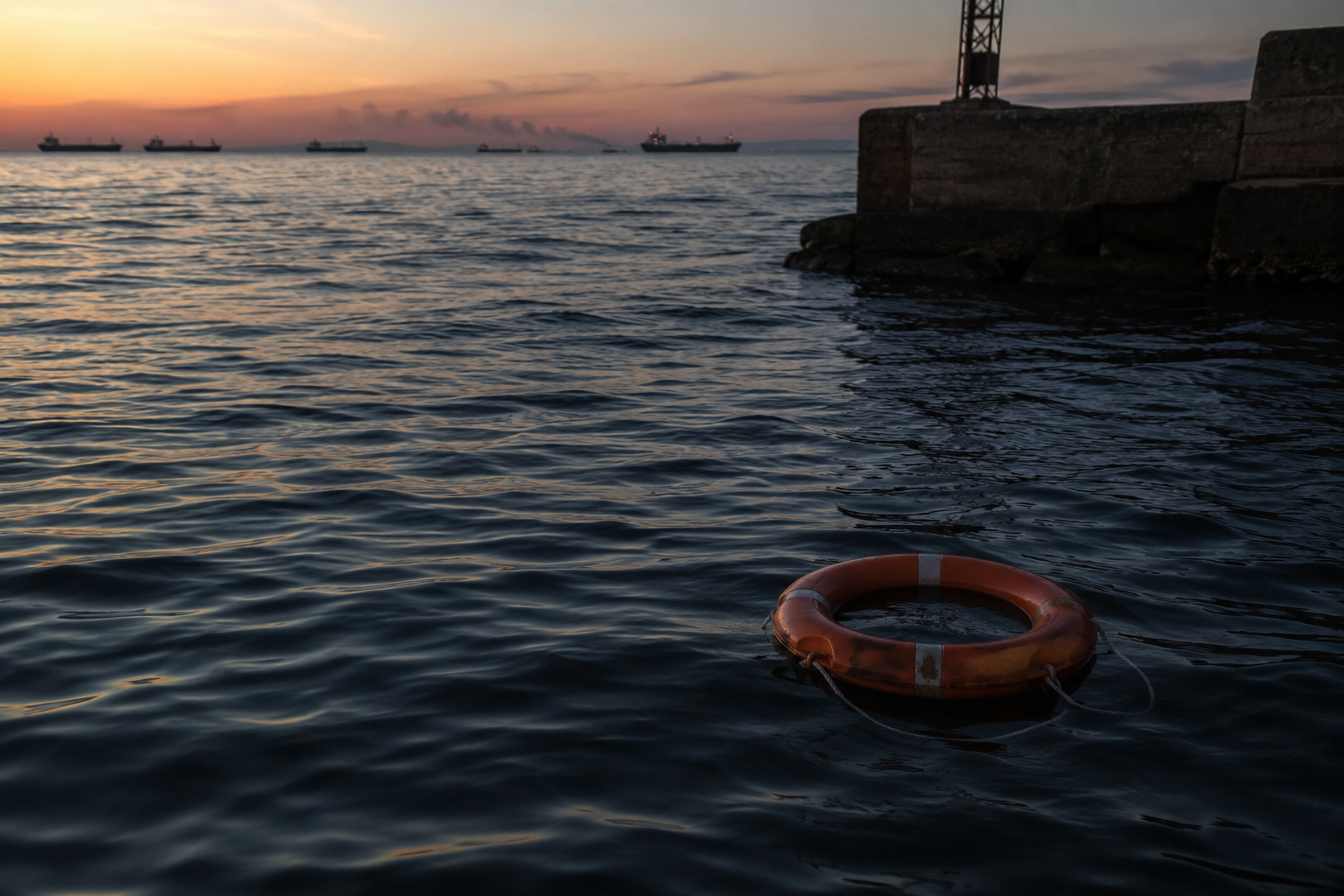
Since Saturday the approaches to Kazakhstan’s main export outlet have seen a cargo ship sunk and a Turkish-crewed freighter set ablaze, with three sailors gravely wounded. The terminal that carries more than 80% of Kazakh oil exports keeps loading at a third of its June intake, and July’s total has still not been published.

Kashagan’s arbitration deadline passes in silence
The end-July date for seating the arbitral panel has passed; no announcement of its composition has surfaced, and the enforcement the arbitration was meant to check keeps running.
Chevron speaks first on the CPC
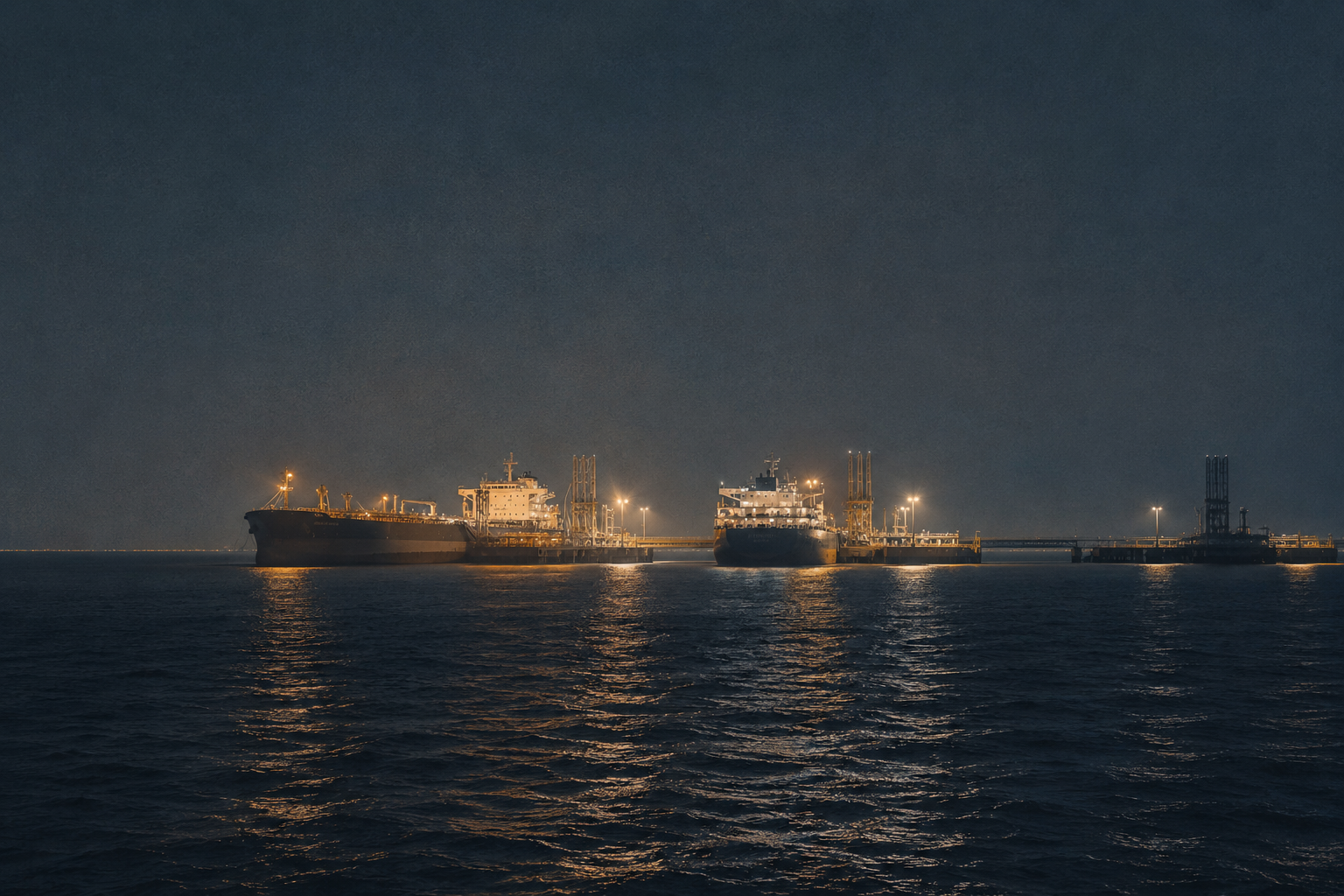
The fullest account of the damaged export route came from Houston on Friday: the pipeline is flowing, two of three moorings are working, and Washington and Astana are discussing guarantees to keep it that way.
A cable starts across the Caspian floor
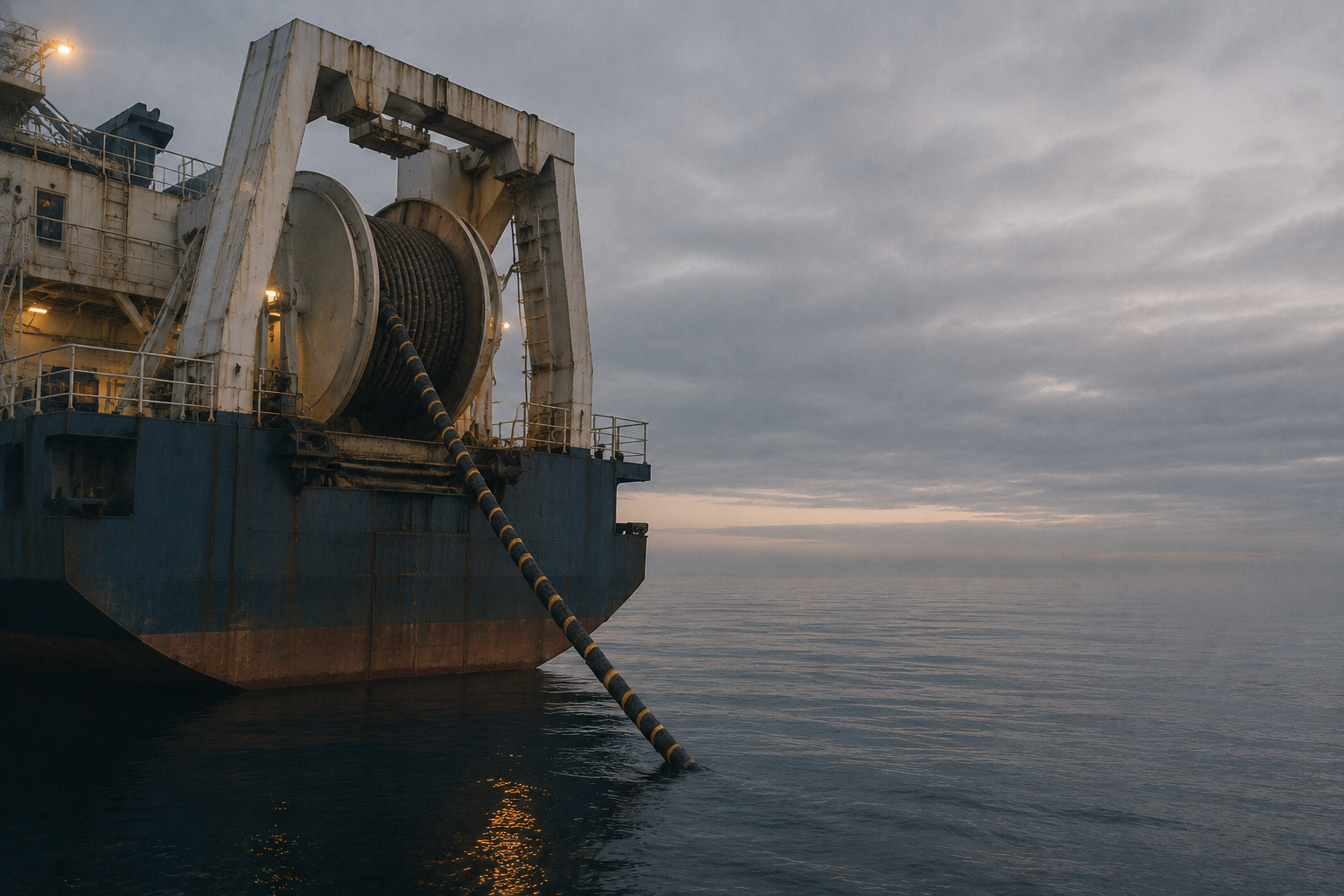
Laying of the Kazakhstan-Azerbaijan fibre-optic cable began on Friday from Baku toward Aktau, Kazakhstan’s digital development ministry said, with 15 to 20 days of marine work ahead and commissioning promised by the end of the year.
The CPC’s reprieve lasts three days
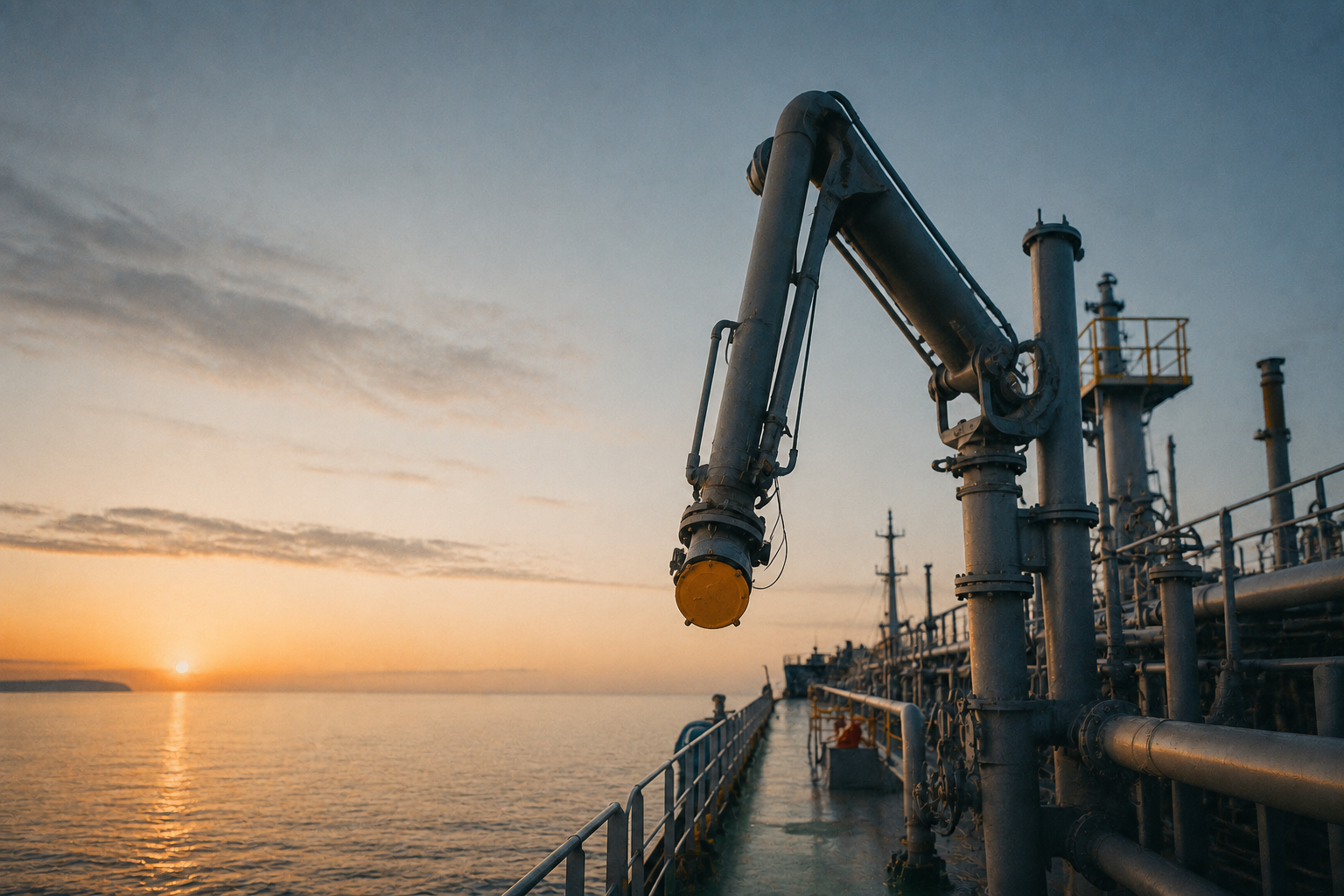
Drones struck two tankers serving the Caspian Pipeline Consortium’s Black Sea terminal early on Thursday, and the consortium stopped loading for the second time in 10 days. The route carries more than 80% of Kazakhstan’s oil exports.
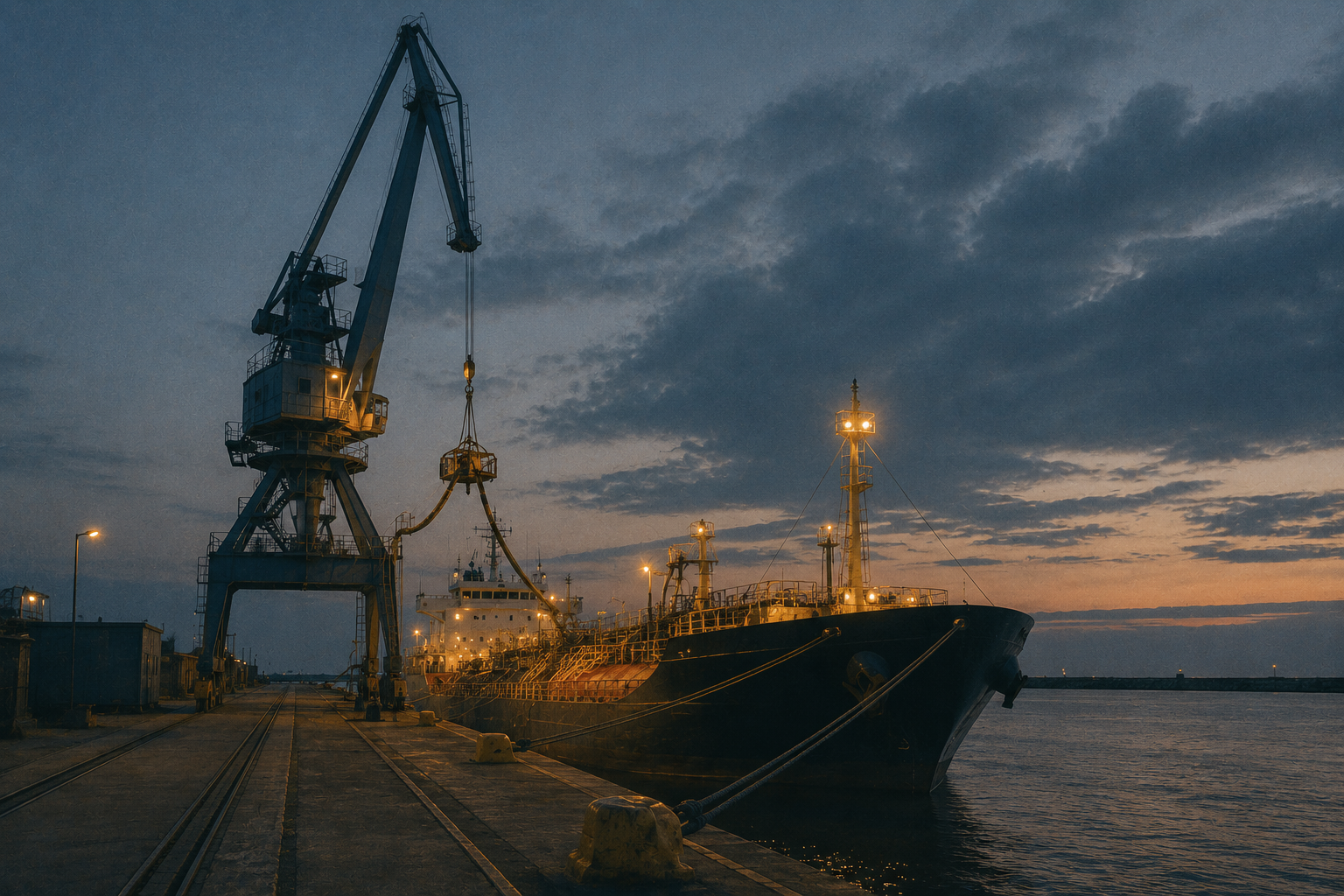
The western workaround acquires statistics at Batumi
Batumi port moved more than 4 million tonnes in the first half of 2026, up 8%, its press service said on 30 July. The port and its oil terminal are run by KazTransOil’s Georgian subsidiary, which makes the figure a Kazakh number as much as a Georgian one.
Moscow writes the fuel wall into a decree, and adds diesel
Russia’s government published the decree on 30 July: the gasoline export ban now runs from 1 August to 31 January 2027 and covers all exporters, and for the month of August diesel and marine fuel join it. Exports under intergovernmental agreements and humanitarian aid stay exempt.
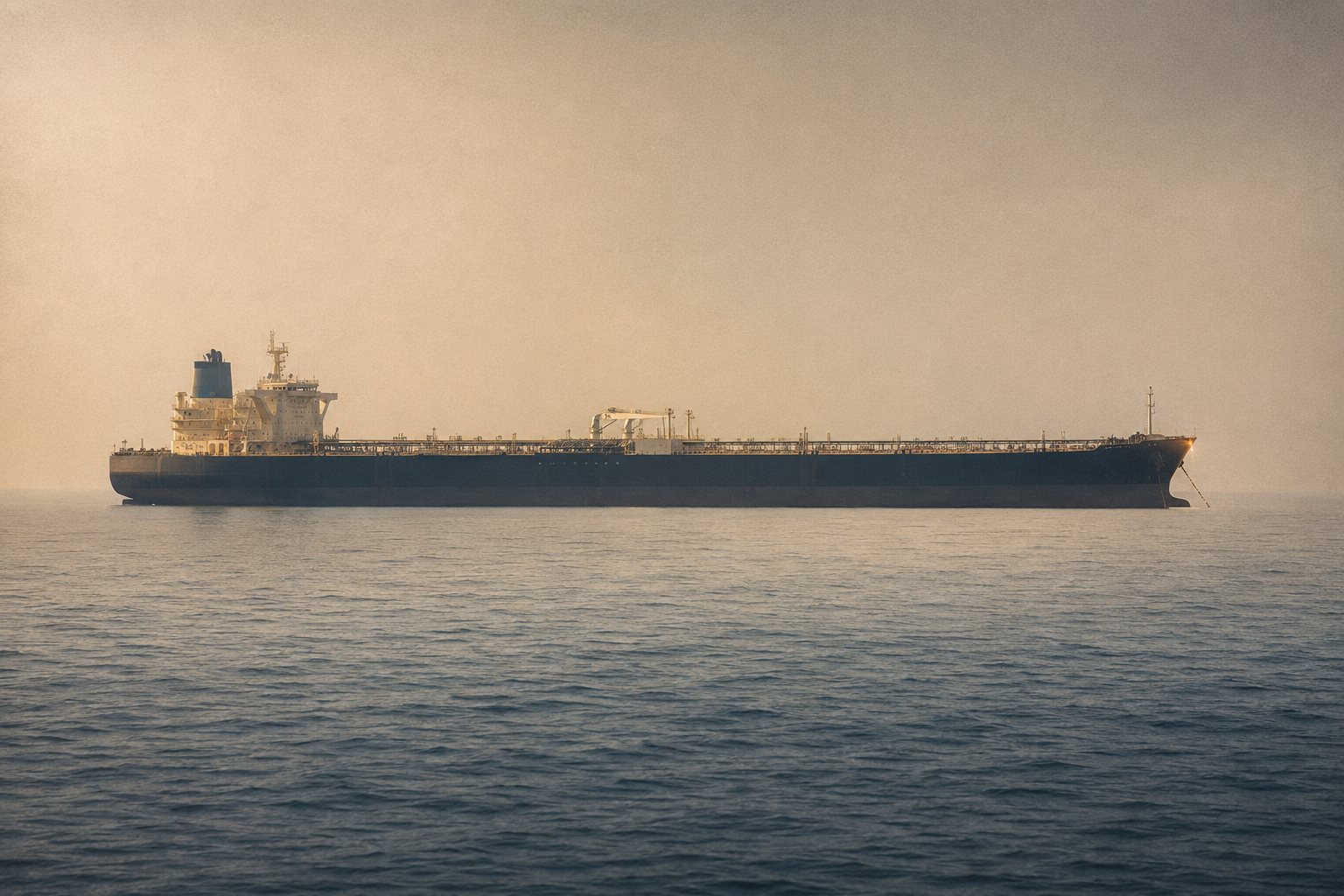
A $90 barrel reaches the region from both ends
Brent traded above $90 on 29 July, up more than 6% in a day, after a Houthi attack on a Saudi tanker and American-Saudi strikes in Iraq. Central Asia meets the rally shipping at a fraction of its June tempo and importing fuel at world prices.

Washington picks up the phone on the CPC
Kazakhstan’s foreign minister Yermek Kosherbayev and US Secretary of State Marco Rubio discussed the crisis around the Caspian Pipeline Consortium by phone on 29 July. No earlier cabinet-level American engagement with the route’s security has surfaced in the wires since the drone attacks began on 17 July.
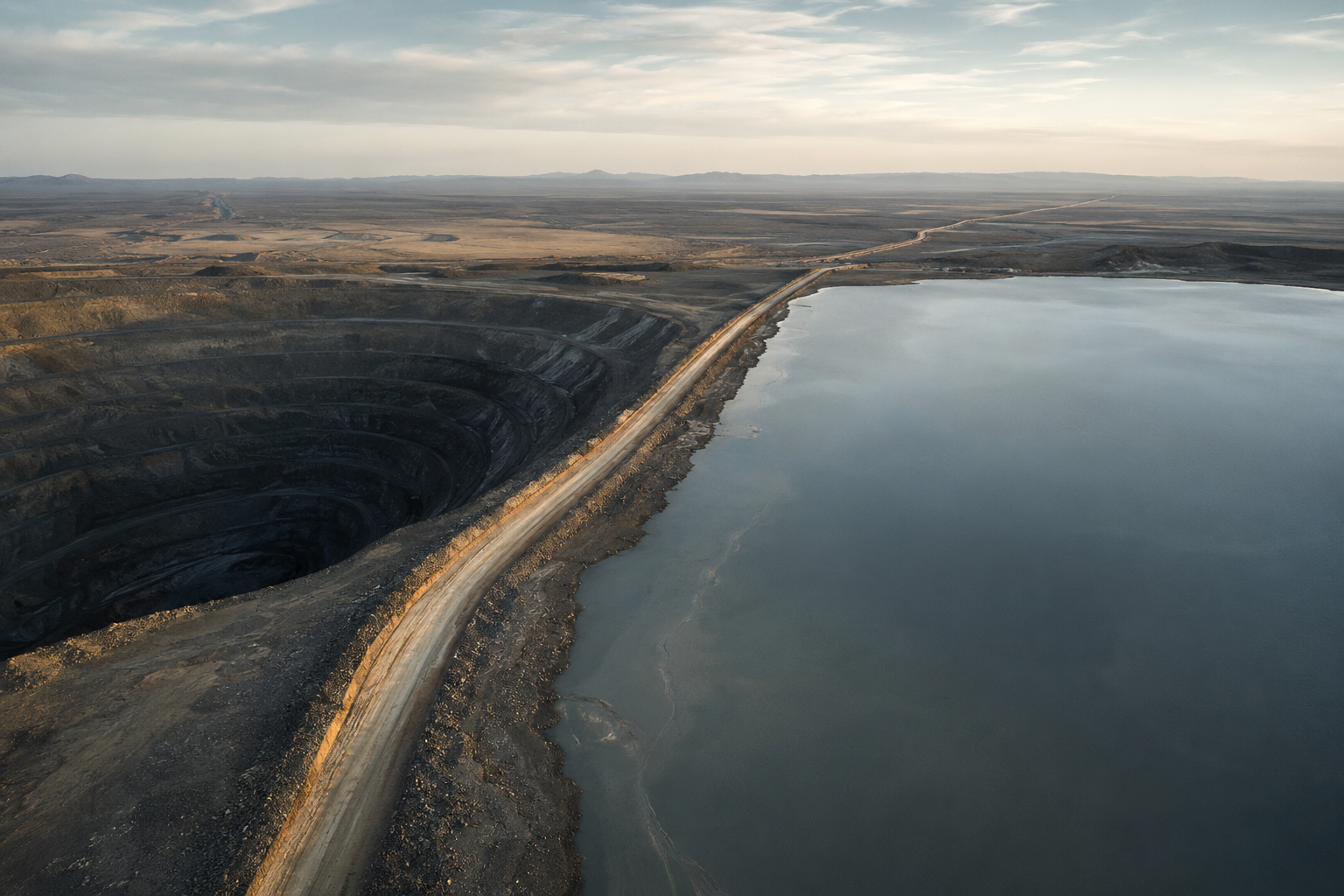
Kazakhstan’s tungsten leaves before it matters
A metal the world has started to fight over, a pit that needs a slice of a national park to reach it, and a plant built to ship the ore out as concentrate.