
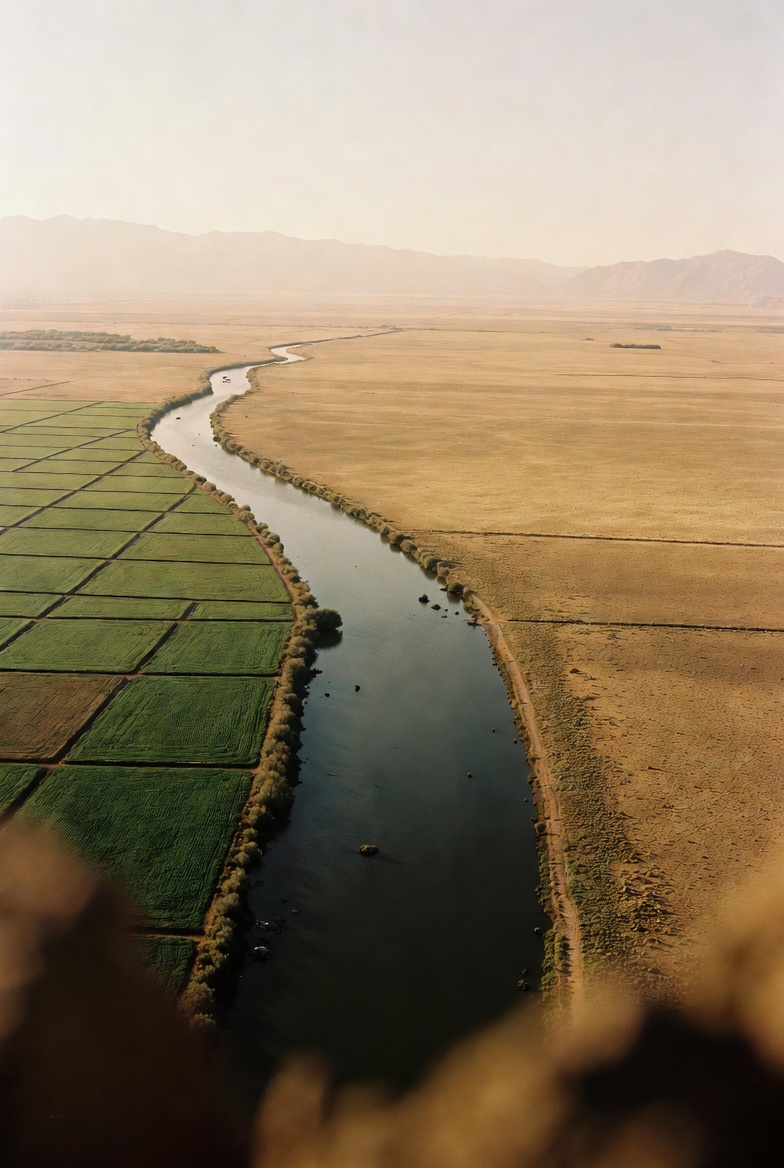
Kazakhstan and Uzbekistan set up a joint commission on shared water
The two governments agreed on 17 June to create a transboundary water management commission. It drew none of the attention the Tashkent forum did. Over a decade it may matter more.

A good week to be pitching Central Asia
TIIF in Tashkent, the IsDB in Baku, and the Iran deal ticking toward Geneva have converged in a single week. The timing is not accidental. Central Asia has a window, and Uzbekistan in particular is spending it hard.

Iran deal inches toward Friday's signing, Hormuz still barely moving
The US–Iran framework agreement is on track for a Geneva ceremony on 19 June, but the Strait of Hormuz remains close to shut. Three days of pre-implementation talks in Doha separate the region's energy markets from any real relief.

Central Asia’s wartime windfall ends with the war
For 100 days the closed Gulf made Central Asia’s oil more valuable and its non-Gulf routes look wise. With Hormuz reopening, the region goes back to competing on price and reliability, with less of both than it would like.

Iran and the US agree to end the war and reopen Hormuz, and oil tumbles
President Trump declared a deal with Iran complete on 14 June, set to reopen the Strait of Hormuz after more than 100 days. Oil fell below $84 on Monday, down from a wartime peak near $126. For Central Asia, the windfall is ending with the war.

Kazakhstan’s reforms all point one way
On 12 June the party that ran Kazakhstan for a quarter of a century voted to dissolve itself into a party loyal to the sitting president. It was called renewal. It is the latest step in a steady concentration of power that the country’s reformist vocabulary keeps describing and never quite reverses.

Kazakhstan’s ruling party votes to merge into a new pro-Tokayev party
Amanat, the party built around Nursultan Nazarbayev and in power since 1999, said at its congress on 12 June that it will merge into Adilet, a party created this year by President Tokayev’s allies. It is the clearest break yet with the Nazarbayev machine, weeks before August’s elections.

The minerals man, the Shenzhen check, and the Russian gas tap
In one week Kazakhstan hosted an American official hunting for minerals, pocketed $6 billion from a Chinese roadshow, and offered to pump more Russian gas to its neighbor. The performance was flawless. The stage is getting smaller.
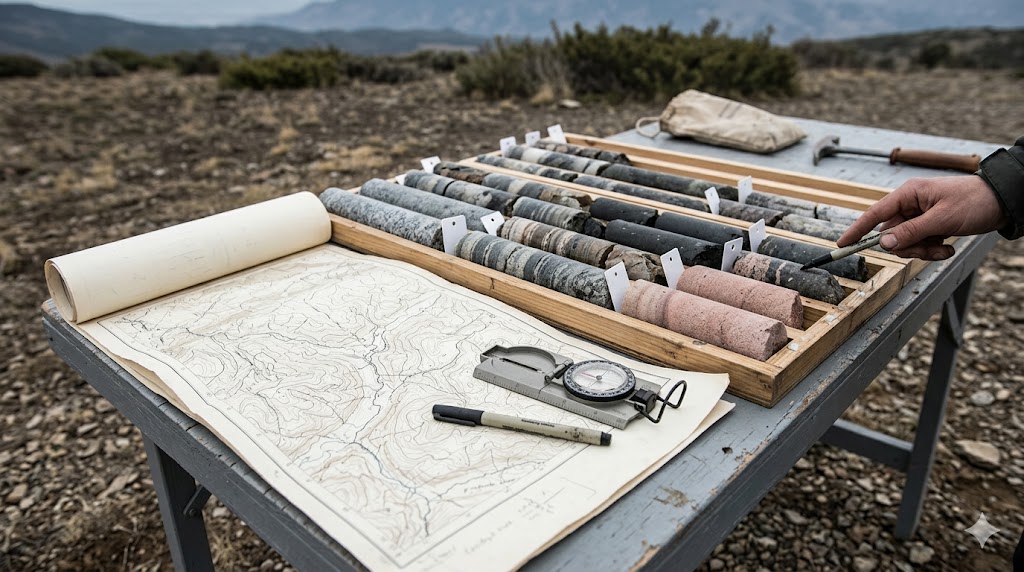
Kazakhstan touts its titanium and pledges $470 million for exploration
On the sidelines of the Astana mining congress, officials said Kazakh titanium supplies about a fifth of the global aerospace market and pledged some 470 million dollars for geological exploration through 2028.
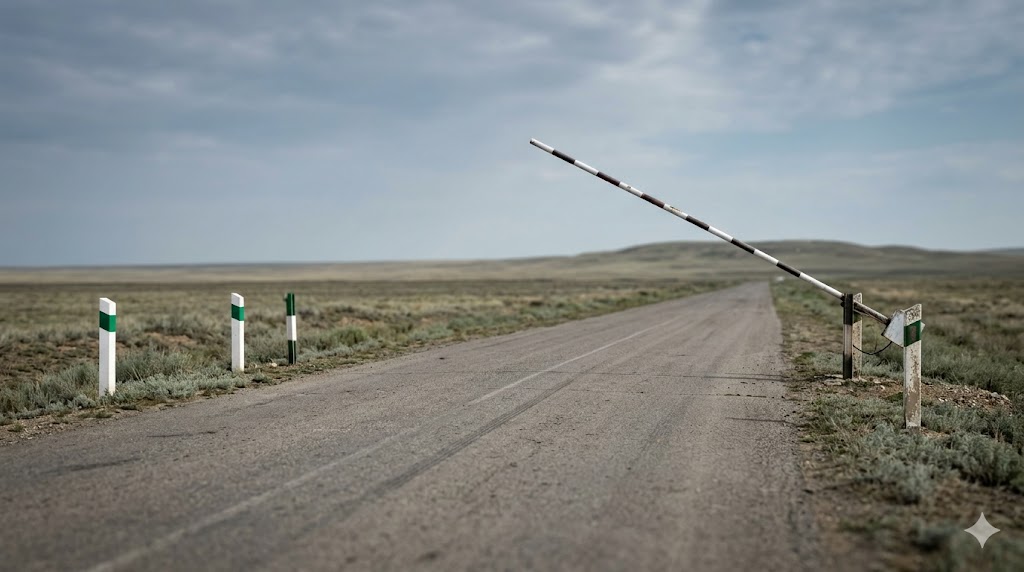
Kazakhstan’s Senate ratifies a border-regime deal with Uzbekistan
Kazakhstan’s Senate ratified the agreement governing the regime along its 2,356-kilometre border with Uzbekistan on 11 June, the last legal step in a demarcation the two finished in 2022.

In one day, Kazakhstan courts Washington, Beijing and Moscow
On a single day this week Kazakhstan opened a US-led minerals dialogue, banked 6 billion dollars from China for a new city, and offered to pump more Russian gas to its neighbour. That is multi-vector foreign policy as a daily schedule.

Kazakhstan’s Alatau roadshow in Shenzhen lands up to $6 billion in deals
A Kazakh delegation came out of a Shenzhen roadshow on 10 June with 24 agreements worth up to 6 billion dollars for its new city of Alatau. The model, and much of the money, is Chinese.
Kazakhstan says it is ready to pump more Russian gas to Uzbekistan
Kazakhstan’s energy minister said on 10 June that the country is ready to carry more Russian gas to Uzbekistan, toward 11 billion cubic metres a year. The pipeline that once sent Central Asian gas north now runs the other way.

The US and Central Asia open a critical minerals dialogue in Astana
American and Central Asian officials gathered in Astana this week to turn last year’s framework deals into actual mines and processing plants. US Under Secretary Jacob Helberg is there. So are Chinese exhibitors.
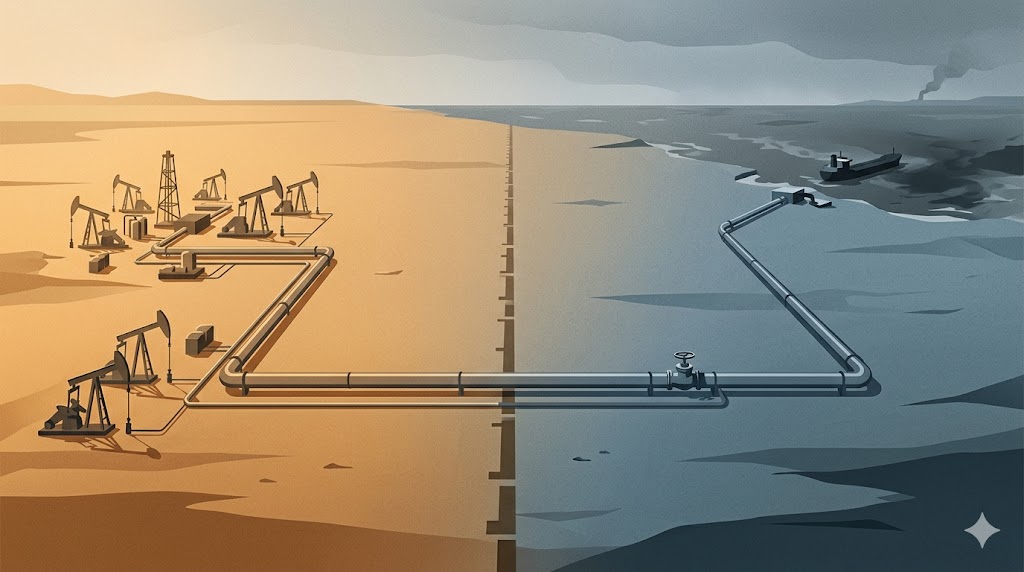
Kazakhstan’s oil still rides a Russian route
Astana keeps adjusting its output numbers. It still ships most of its oil through a pipeline that crosses Russia to the Black Sea, and that route is now a target. The exposure is built into the map.
Kazakhstan sets its 2026 oil target at 98 million tonnes after pipeline attacks
Energy minister Yerlan Akkenzhenov said on 10 June that Kazakhstan will produce about 98 million tonnes of oil this year, below plan. Attacks on the Caspian pipeline and outages at Tengiz cost roughly 5 million tonnes.
Kazakhstan and South Korea deepen energy ties and edge toward a nuclear deal
Astana and Seoul advanced cooperation on power generation, oil and a planned nuclear memorandum on 8 and 9 June. South Korea is positioning itself in a country scrambling to add electricity.

Kazakhstan approves a national AI and digitalisation strategy to 2029
President Tokayev signed the Digital Qazaqstan strategy on 9 June, a plan to push artificial intelligence across the economy by 2029. It is the centrepiece of the year he declared the Year of Digitalisation and AI.

Central Asia’s critical minerals race: the deals outpace the mines
Central Asia keeps signing minerals deals with the West; China keeps taking the minerals. The gap now is bankability, power and processing.
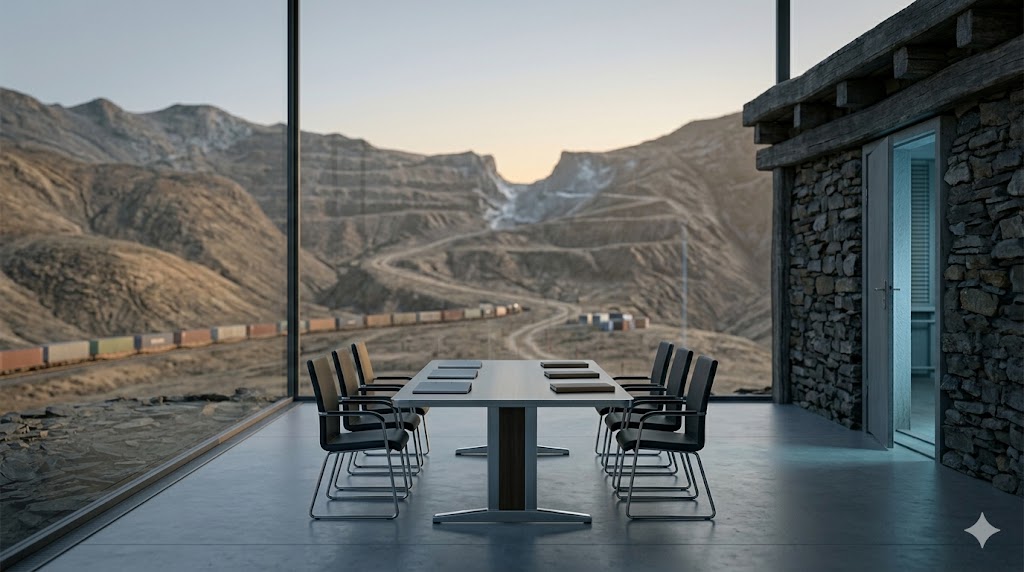
Kazakhstan and the EU line up a Middle Corridor push before a 23 June meeting
Container traffic through Kazakhstan jumped by a third in the first quarter, and Brussels is leaning in before a high-level corridor meeting on 23 June.
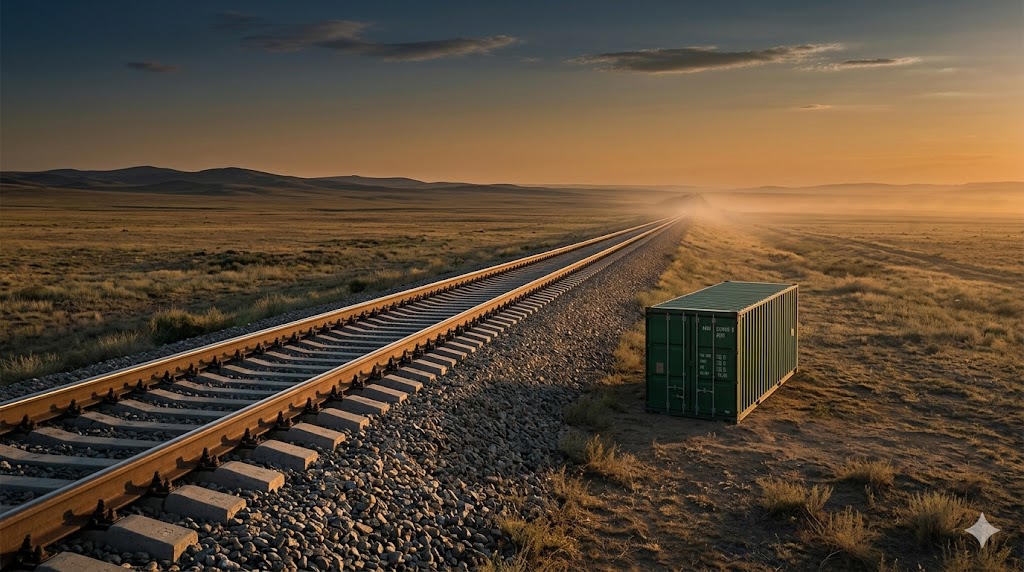
The corridor is booming. It is also far from competitive. A Carnegie reality check
Cargo volumes rose 63% in 2024. The corridor still handles 6% of the Russian route's capacity. A new Carnegie analysis maps the gap between ambition and infrastructure.

EBRD and Kazakhstan sign a new five-year cooperation agreement in Riga
The enhanced partnership framework runs to 2030. Private sector development, low-carbon transition, and Middle Corridor infrastructure are the three priorities.
Baku Energy Week: $7.5 billion in contracts, a green corridor pitch, and Central Asia in the room
Azerbaijan's minister framed the Caspian region as a new energy space. Kazakhstan and Uzbekistan were named as corridor partners. $7.5 billion in contracts signed at the forum.

Tencent is now a Kaspi.kz shareholder: what a $518 million bet on Kazakhstan means
The deal closed in April. The implications are still unfolding. China's largest consumer tech company has a stake in Kazakhstan's dominant super app.

EBRD Annual Meeting opens in Riga: what Central Asia is watching
The bank's 35th gathering runs June 5–7. The Governors' plenary is June 6. The updated Regional Economic Prospects drop June 7. Central Asian finance ministers are in the room.

GITEX Came to Astana. Here Is What It Revealed About Central Asia's Tech Ambitions
600+ exhibitors, 60 countries, 10,000 professionals over three days. Kazakhstan hosted the first GITEX Central Asia & Caucasus. The event closed June 4.
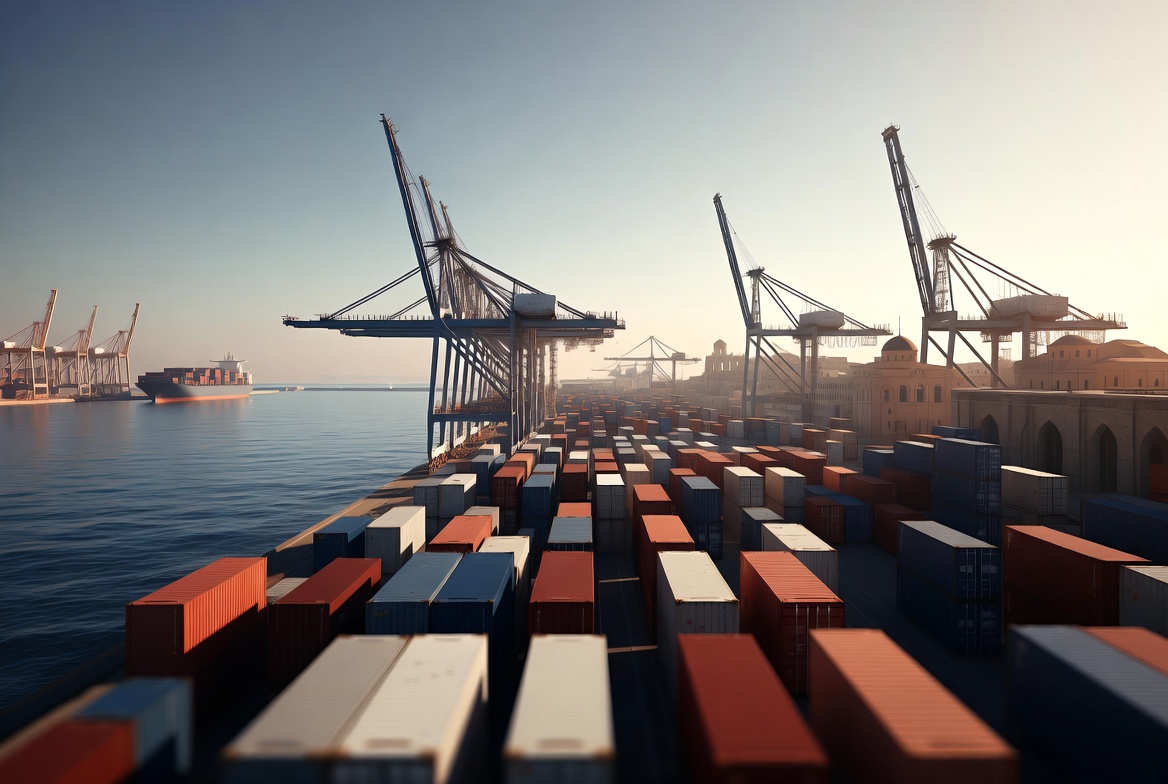
Cyprus on the Middle Corridor: Tokayev Recruits a Mediterranean Shipping Hub
A Kazakhstan–Cyprus Business Forum in Astana. An EU–Kazakhstan transport seminar the same day. Both pointed at the same June 23 meeting.

What the EBRD Is Bringing to Riga — and What Central Asia Should Watch
The Bank's 35th Annual Meeting opens Thursday. For the region, three things matter: the new Regional Economic Prospects, the Aktau port investment, and the signal on Trans-Caspian financing.
.jpg)
BTK Goes Full Throttle: Upgraded Baku–Tbilisi–Kars Railway Enters Operation
Capacity jumped from 1 to 5 million tonnes a year. The Middle Corridor's western spine is no longer a bottleneck.