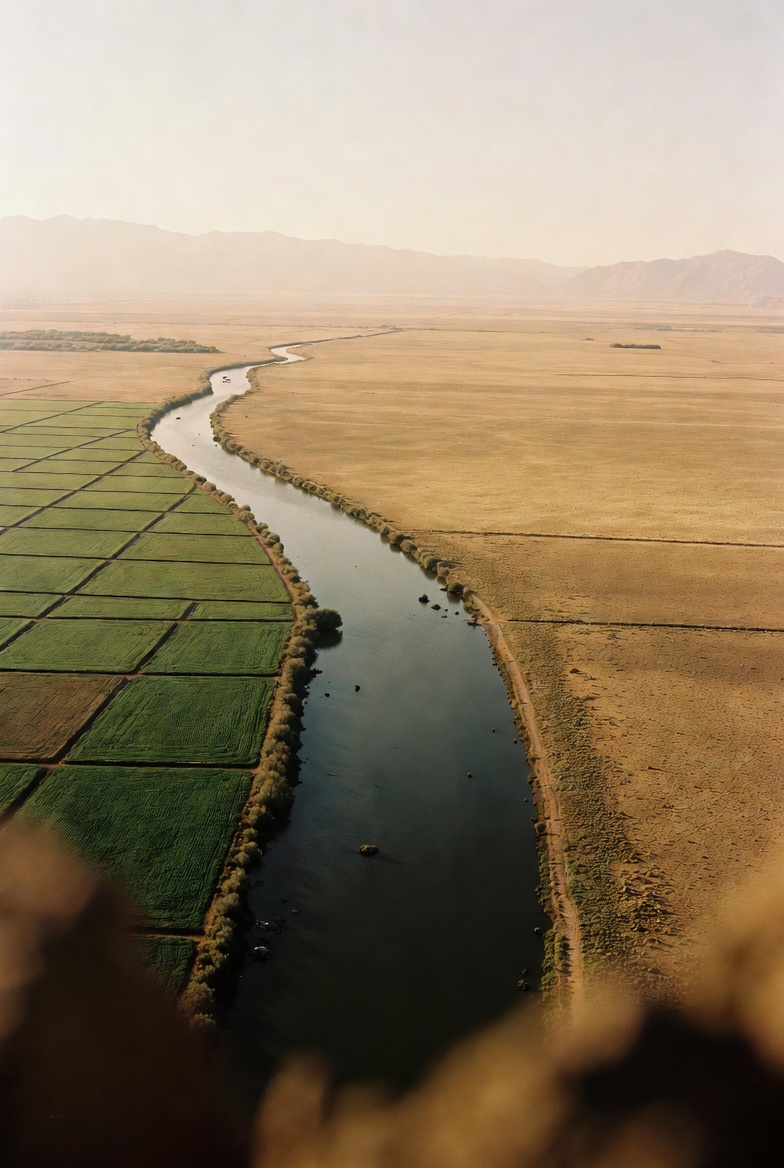
Kazakhstan and Uzbekistan agreed to establish a joint commission for managing transboundary water resources, Qazinform reported on 17 June. The body is intended to coordinate use of the rivers the two countries share, above all the Syr Darya, and to give a standing institutional channel to disputes that until now have been handled meeting by meeting. The announcement came during the same week the region's headlines belonged to investment forums and football.
Water is the resource in Central Asia that no roadshow can attract. The two great rivers, the Syr Darya and the Amu Darya, rise in the mountains of Kyrgyzstan and Tajikistan and feed the farmland of Uzbekistan and Kazakhstan downstream. Upstream countries want to dam them for power; downstream countries need the flow for cotton and wheat. The arithmetic has produced friction for thirty years, sharpened by a shrinking Aral Sea and a warming climate that is melting the glaciers the whole system depends on.
Capital can be courted at a forum. River flow has to be negotiated, season after season, with the neighbours.
A bilateral commission between the two downstream heavyweights is a modest step, and it does not include the upstream states whose dams set the terms. But standing institutions are how water disputes get managed rather than merely survived, and the move fits a wider pattern of Kazakh-Uzbek convergence: the two are increasingly acting as the region's mid-sized powers, building the machinery of cooperation while the smaller economies watch their room to manoeuvre narrow. The commission will be judged on whether it still functions in a dry year, when the incentives to defect are highest.