Search
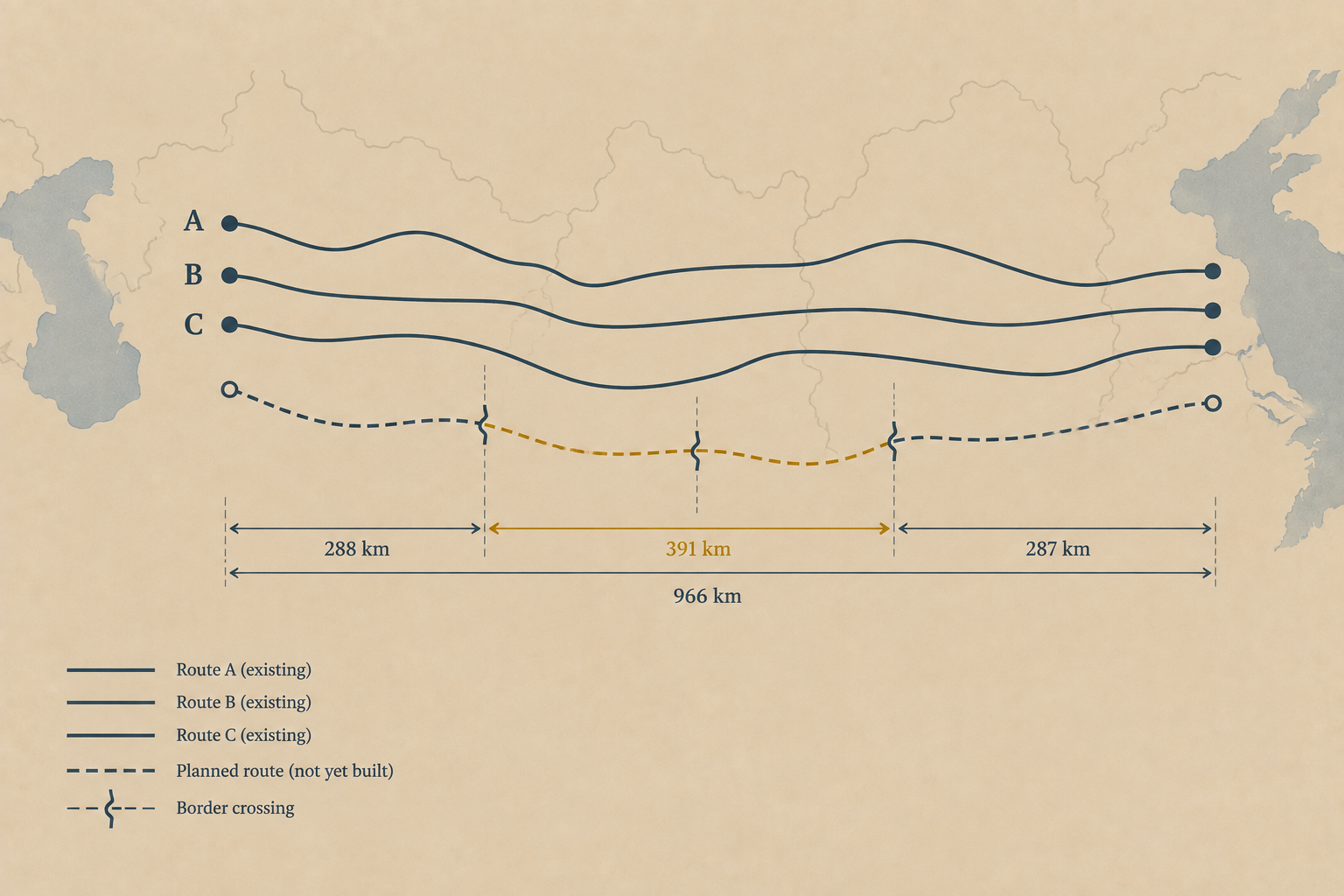
Dushanbe and the CNPC venture discuss the China gas pipeline again, 12 years after its Tajik section broke ground
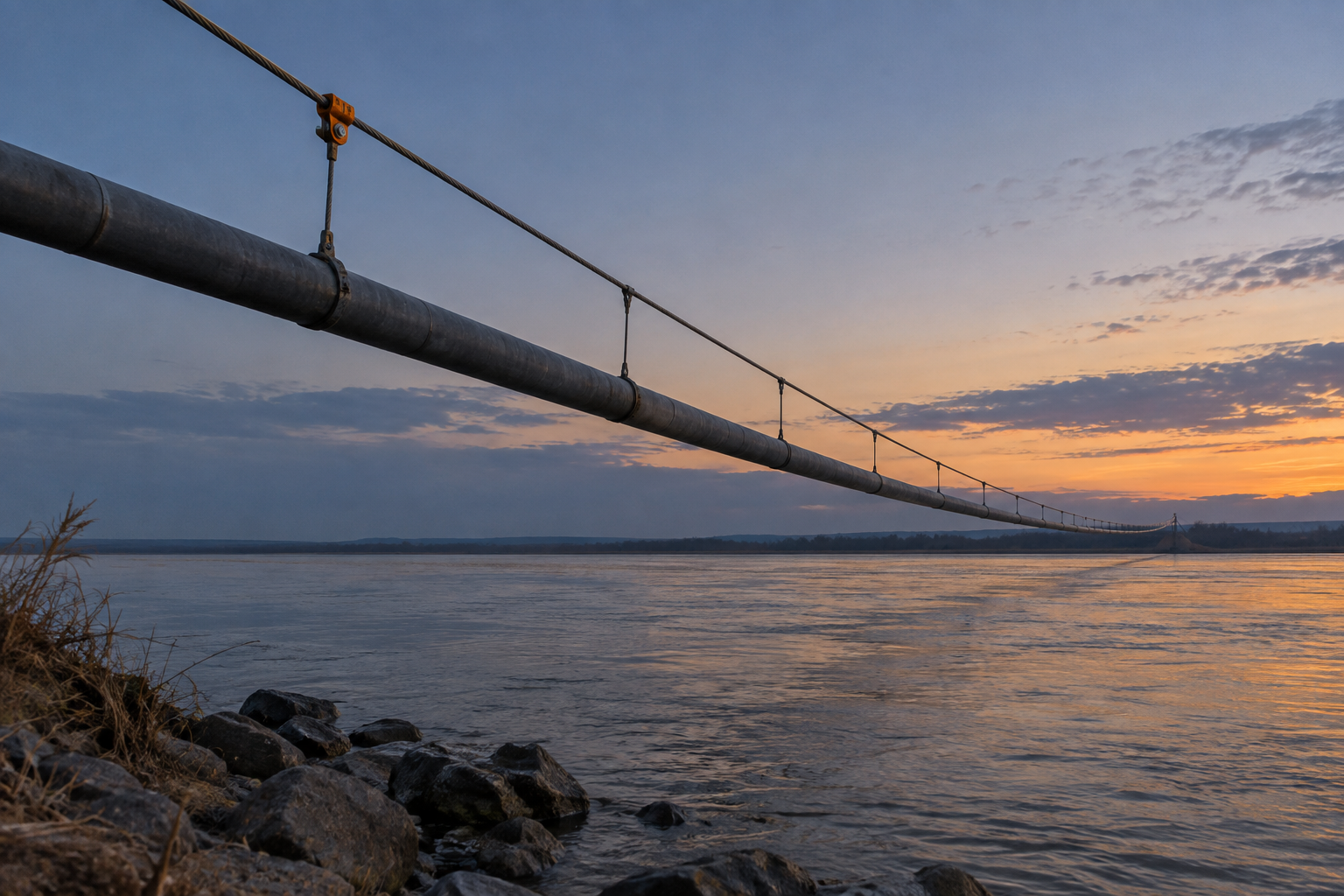
Energy minister Daler Juma met the management of Trans-Tajik Gas Pipeline Company on 18 September to discuss “the progress of the project, related issues, ways to resolve them and further coordination”, Asia-Plus reported on Tuesday. The company, a joint venture of Tajiktransgaz and CNPC’s Trans-Asia Gas Pipeline, was founded in 2014 with $300 million from each side to build the 391-kilometre Tajik section of Line D of the Central Asia to China pipeline; construction began in September 2014.
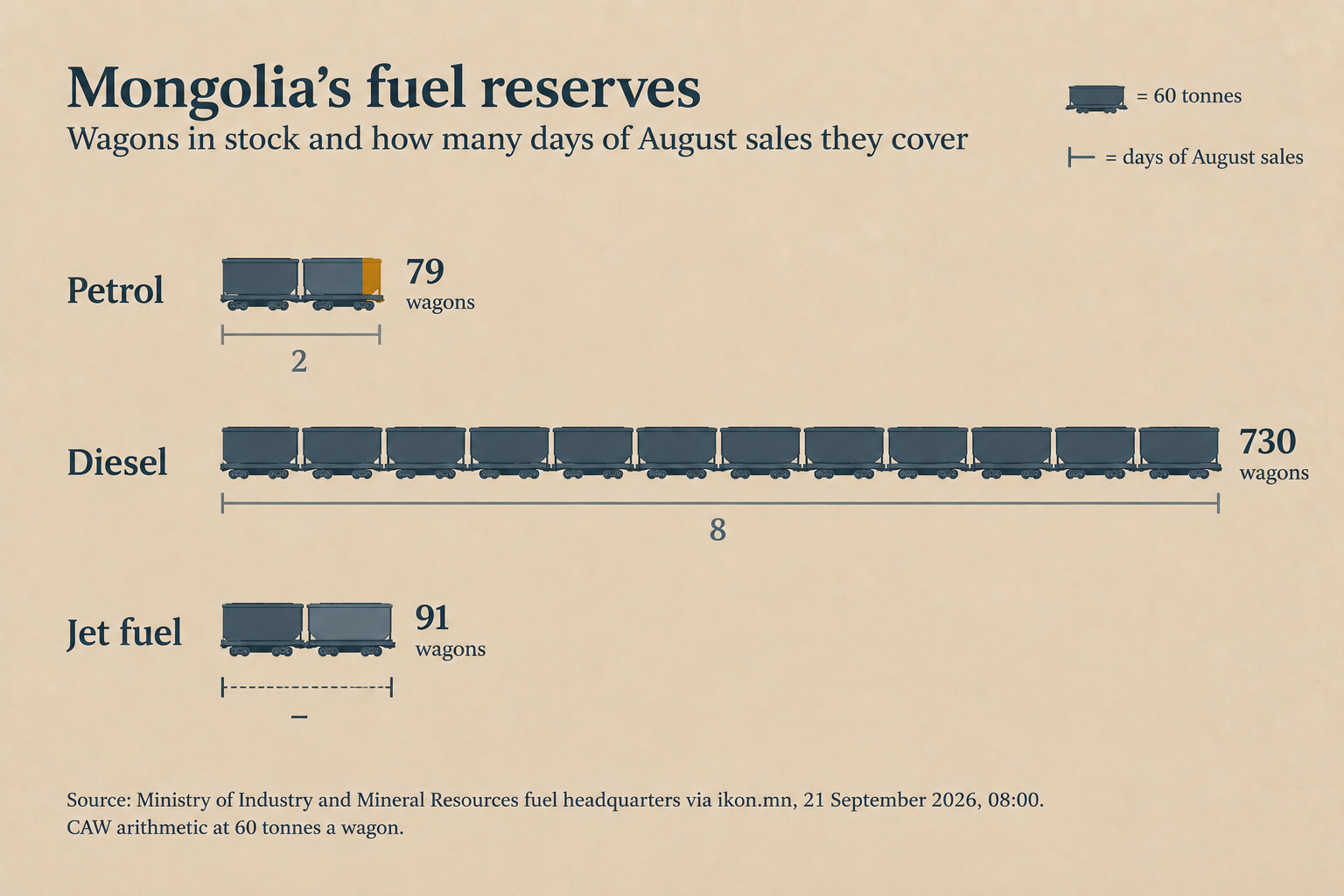
Mongolia’s fuel headquarters counts 79 tank wagons of petrol, about 2 days of sales, as Russia’s Moscow refinery stops processing and Novak orders risk scenarios
At 08:00 on Monday the Ulaanbaatar railway held 900 tank wagons of oil products, 79 of them petrol, 730 diesel and 91 jet fuel, the industry ministry’s fuel headquarters said after its meeting. On the 60 tonnes a wagon a Mongolian outlet used for the same count last October, the petrol comes to about 4,700 tonnes, 2 days of the 74,780 tonnes the headquarters’ own book recorded for August, on CAW’s arithmetic. That evening Reuters reported from 3 industry sources that Gazprom Neft’s Moscow refinery had stopped processing crude altogether on 20 September after drones set fire to both of its primary units.
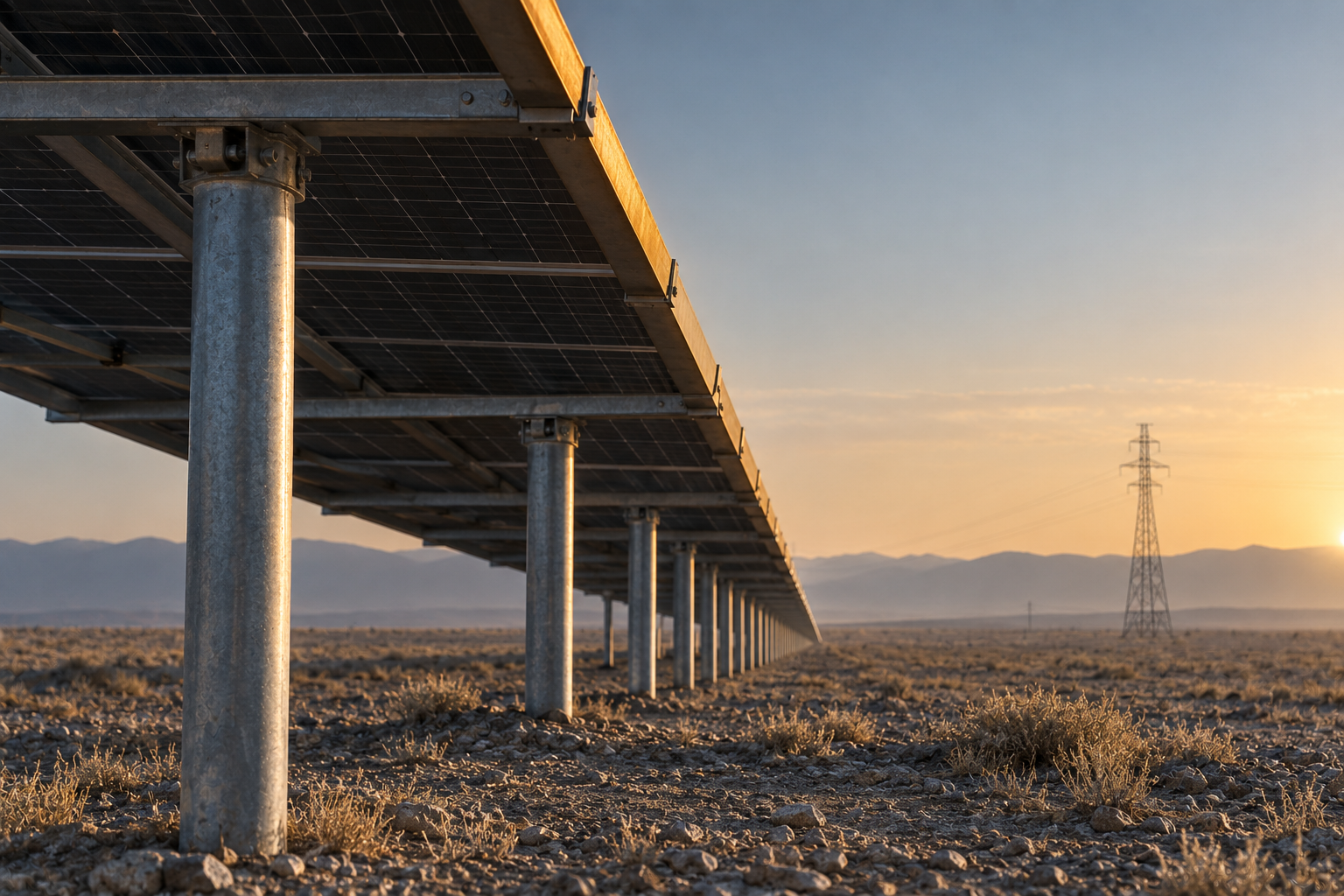
Tajikistan switches on a 250 MW solar plant in Sughd and orders 700 MW more for 2027
President Emomali Rahmon opened the Asht photovoltaic plant on Monday, 10 months after construction began, and told officials to build another 700 MW of solar capacity in the region next year, his press service said. Its account names the developer, Ayon Energy, and gives no cost, lender or tariff.
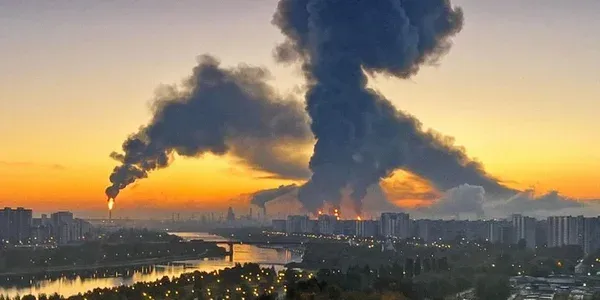
A night of 1,110 drones damages the Moscow refinery while Russia's diesel ban extension stays unpublished
Russia's defence ministry counted 1,110 drones shot down on the night of 19 to 20 September, and Moscow's mayor confirmed damage at the capital's refinery. For the Central Asian importers that buy on the same Russian market, the open item is a government resolution: the extension of the producers' diesel export ban has been reported since 16 September and published nowhere.
Mirziyoyev starts a 1.5 GW wind farm with ACWA in Karakalpakstan and prices 6 AI projects at $8 billion with no investor named
President Shavkat Mirziyoyev's 2-day trip to Karakalpakstan, which took in a meeting in Nukus on Saturday 19 September, produced 58 projects that his press service values at $7.6 billion. The largest named project is Saudi-built wind power. Its largest unnamed ones are data centres.

Trump signs the Graham act without a word, and the gas list's clock now runs to 18 October
The White House recorded the signature of H.R. 5334 on Friday 18 September in a single sentence. Under the law the president has 30 days to raise duties to as much as 100% on the 5 largest buyers of Russian oil or gas, and on CAW's count Kazakhstan and Uzbekistan sit at the edge of that 5.
Kazakhstan's army will clear mines from a Caspian seabed block for the pipelines of a Lukoil project that KazMunayGas paused in March
A draft law amending Kazakhstan's Tax Code, on public discussion until 25 September, states that the Ministry of Defence will demine area No. 200 of the Kazakh sector of the Caspian Sea, through which the planned subsea oil pipelines of the Kalamkas-More and Khazar project are to run, Prime and Lada.kz reported on Thursday. The operator, Kalamkas-Khazar Operating LLP, a 50-50 venture of Lukoil and KazMunayGas, is to buy the equipment and transfer it to the ministry's ownership; KazMunayGas said in March that the project was suspended because of the sanctions imposed on Lukoil.
Kyrgyzstan widens its fuel export ban to petroleum gases; the Chinese-owned Junda refinery gets a 4,800-tonne exception
The cabinet has added customs headings 2711 and 2901 to the temporary ban on exports of oil and petroleum products it imposed in July, 24.kg reported on Friday, so that petroleum gases, LPG among them, and acyclic hydrocarbons join the petrol and diesel that may not leave. Heating oil made by China Petrol Company Junda LLC may leave, up to 4,800 tonnes.
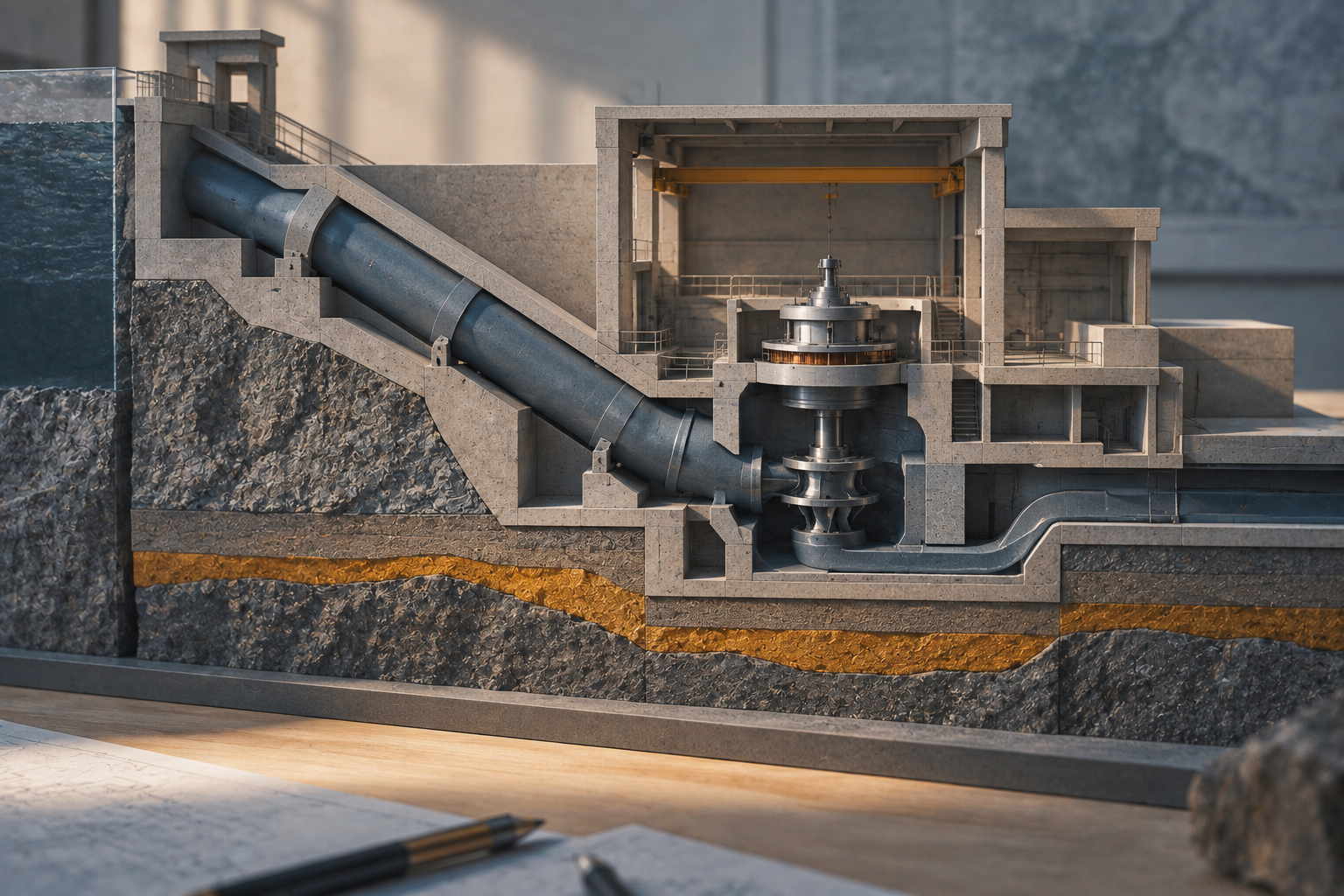
Nurek’s second phase would put $220 million of AIIB debt on Dushanbe’s books as the World Bank’s grants give way to credits
The Asian Infrastructure Investment Bank’s project list carries a proposed $220 million sovereign loan for the second phase of the Nurek plant’s rehabilitation, with a concept review dated 3 July and the World Bank and the Eurasian Fund for Stabilization and Development as co-financiers, Asia-Plus reported on Wednesday. The World Bank has paid for the second phase so far with grants, $50 million in 2020 and $65 million in 2021, and its new country framework turned grants into credits on 1 July.
Russia's refiners keep their diesel at home to the end of October, Vedomosti and RBC report; the intergovernmental exemption that feeds Dushanbe stands
The Russian government has decided to extend the export ban on diesel for producers to the end of October 2026, Interfax reported at 08:10 on Wednesday, citing Vedomosti and RBC on the outcome of Alexander Novak's meeting of 14 September. The ban was due to lapse on 30 September. No resolution has been published; Interfax carried the decision as media reports of the government's plans.
Azeri Light clears $127 after Houthi strikes shut Saudi Arabia's Hormuz bypass; Baku's budget is written at $65
Trend's Tuesday print put Azeri Light at $127.29 a barrel CIF Augusta, up $7.27 on Friday's print, with Dated Brent at $129.28 after a rise of $10.72. The trigger is outside the region: Saudi Arabia suspended its East-West pipeline after drone attacks, and Monday's talks between Gulf states and Iran on passage through the Strait of Hormuz were cancelled. Baku's 2026 budget assumes $65 a barrel; Astana's, $60.
A $1 billion contract for Rogun's right bank appears in the World Bank's procurement plan, with 13 August in the signing column and no contractor named
The Bank's updated procurement plan for the Sustainable Financing for Rogun project, published on 6 September, lists Lot 3A, the remaining right-bank structures, at an estimated $1 billion, Asia-Plus reported on Tuesday. The package it replaces was priced at $1.385 billion and cancelled. A day earlier, in London, the finance minister signed an EBRD investment roadmap to 2030.
Armenia’s Russian gas stops for 11 days from Tuesday; Gazprom Armenia says Iranian volumes and storage cover it
Gazprom Armenia said on Monday that deliveries of Russian gas will be suspended from 15 to 25 September for planned preventive and overhaul work on the section of the North Caucasus-South Caucasus pipeline inside Russia, and that consumers will be supplied ‘without restrictions’ from internal reserves and additional volumes from Iran. The same day the State Revenue Committee reported that its chairman, Eduard Hakobyan, had signed in Iran with Iran’s customs chief Foroud Asgari a protocol on exchanging advance data on goods and vehicles, the ‘simplified customs corridor’, and the sides agreed to extend the joint use of the Meghri-Nordooz crossing.

Dushanbe pencils in 1.55 million tonnes of imported fuel for 2027 at $1.12 billion, with the neighbours supplying 34,000 tonnes in July
Tajikistan’s forecast for 2027 puts petroleum-product imports at 1.55 million tonnes, 7.8% more than this year and about $1.12 billion, Asia-Plus reported on Saturday. In the first half of 2026, 91.1% of the 599,500 tonnes imported came from Russia under a 2013 agreement that carries no export duty, and the summer’s turn to Kazakhstan, Uzbekistan and Turkmenistan reached about 34,000 tonnes in July.
Drones reach the Nizhnekamsk refineries as Trump tells Kyiv to leave Russia’s diesel alone
A drone attack on Nizhnekamsk, the Tatarstan town whose industrial zone holds the TANECO and TAIF-NK refineries, killed 2 people and injured 14 early on Sunday, and by evening the US president was telling reporters in Ireland that Volodymyr Zelensky “has to stop knocking out diesel fuel in Russia”. Sixteen days remain of the ban that keeps Russian producers’ diesel at home.

Who sets the price of petrol: six machines between one Russian exchange and the pump
Central Asia and Mongolia buy most of their fuel from Russia and price it six different ways. A tour of the machinery, from Bishkek's dollar wall to Ashgabat's two price tags, and what each one does when the exchange in St Petersburg moves.

Russia keeps its pumps on Euro-2 to June 2027 while its export bans hold, Novak tells the government
Deputy prime minister Alexander Novak has reported the state of the fuel market to a government subcommission chaired by first deputy prime minister Denis Manturov, Kommersant reported on Thursday evening: exports of petrol, diesel and jet fuel are banned, the Tax Code has been amended to create the conditions for fuel imports, and filling stations may sell fuel of ecological classes K2, K3 and K4, Euro-2 to Euro-4, under a temporary permit. The permit rests on a government resolution reported on 31 August and runs from 1 September to 30 June 2027. The bans are the ones already on record, and the producers' diesel ban ends on 30 September.

Kazakhstan pauses collecting its $5.2 billion Kashagan fine after NCOC takes the bailiff to court
Enforcement of the 2.36 trillion tenge ($5.2 billion) environmental penalty against North Caspian Operating Company has been on hold since 7 September, Kazakhstan's Justice Ministry said on Wednesday, because the consortium challenged the state enforcement officer's actions and the Atyrau administrative court called for the file. Collection “will continue in the manner established by law”, the ministry said. The fine itself stands.

Kyrgyzstan's energy minister rules out power rationing with Toktogul at 11.2 billion cubic metres and 4.1 billion kWh of imports planned
The ministry is not considering restrictions on electricity supply for now, Altynbek Rysbekov told journalists on Wednesday, 24.kg reported at 17:09 Bishkek time. The Toktogul reservoir holds 11.2 billion cubic metres, the target before the heating season is 11.5 billion, and 4.1 billion kilowatt-hours of imports from Russia, Kazakhstan, Turkmenistan and Uzbekistan are planned for 2026. The same afternoon China's ambassador said deliveries of jet fuel and diesel to Kyrgyzstan began a month ago and will continue, and gave no figures.

Brent clears $100 for the first time since July, with Azeri Light at $108 against the $65 in Baku's budget
Azeri Light printed $108.18 a barrel CIF Augusta in Trend's Wednesday-morning table, 66% above the $65 average written into Azerbaijan's 2026 budget. By 10:25 Moscow time the November Brent contract had passed $100 for the first time since 24 July, Interfax reported. Kazakhstan's budget law runs on $60, and its tenge lost 2.5 tenge against the dollar on the same day.