Economy
Business and investment
Mongolia's fuel price outran the council that sets it
AI-92 petrol rose 200 tugriks a litre on Saturday, the weekend Ulaanbaatar’s rationing lapsed, while the Price Council that approves regulated prices has still not met. The crisis is changing shape: supply is recovering, and the cost is settling where it always ends, at the pump.
The queue ended, and the money ran out
Mongolia’s fuel rationing lapsed on schedule, and on the first working day without it the industry ministry’s briefing produced a different shortage: importers lack the cash to order the next consignments, and a price rise of about 200 togrog is, in the ministry’s words, unavoidable. The AI-92 cap stays.
The summit Mongolia paid to host opens at prime minister level
UNCCD COP17 opened in Ulaanbaatar on Monday morning with the prime minister under the flag and the foreign minister as president designate, and with the gap CAW flagged last week intact: no visiting head of state had been reported at the venue by midday.

Dushanbe borrows 200 million dollars to keep paying salaries
The Eurasian Fund for Stabilization and Development signed a budget support loan with Tajikistan on Thursday at one per cent over twenty years. The state news agency says the money matters because a eurobond has to be repaid.
Half of Ulaanbaatar’s cars come off the road the day the fuel cap lapses
From 15 August to 12 September, city wide and with no zoning, cars may enter Ulaanbaatar traffic only on alternating days by plate parity, between 07:00 and 21:00. The window covers the desertification conference, the start of the school year, and the morning the petrol rationing expires. Nobody has published how many days of fuel the country holds.
EcoIslamicBank's EU ban takes effect today, unmentioned in Bishkek
The European Union's transaction ban on EcoIslamicBank enters force today. It was listed on 23 July in the twenty-first sanctions package, for using Russia's financial messaging system to help Moscow work around sanctions, with a wind-down of roughly three weeks.
Mongolia's ask at the summit it is paying to host is Gobi water
The national committee for COP17 met for the nineteenth time in Ulaanbaatar on Thursday morning, four days before the desertification conference opens. Mongolia has put 250 billion tugrik of state money into hosting it, about $70 million at the rate of 5 August. What it wants out of the fortnight is financing to extend water supply in the Gobi.
Mongolia raises rates half a point, and the pumps come off rations on Saturday
The Bank of Mongolia’s monetary policy committee met out of turn on Wednesday and lifted the policy rate to 12.5%, with the reserve requirement for banks going up by the same half point. Hours later the fuel emergency headquarters said the purchase cap and the odd-even plate rule at the pumps end on 15 August. By the end of the working day the bank’s own site still showed the old rate.
The corridor through Armenia acquires a second cargo
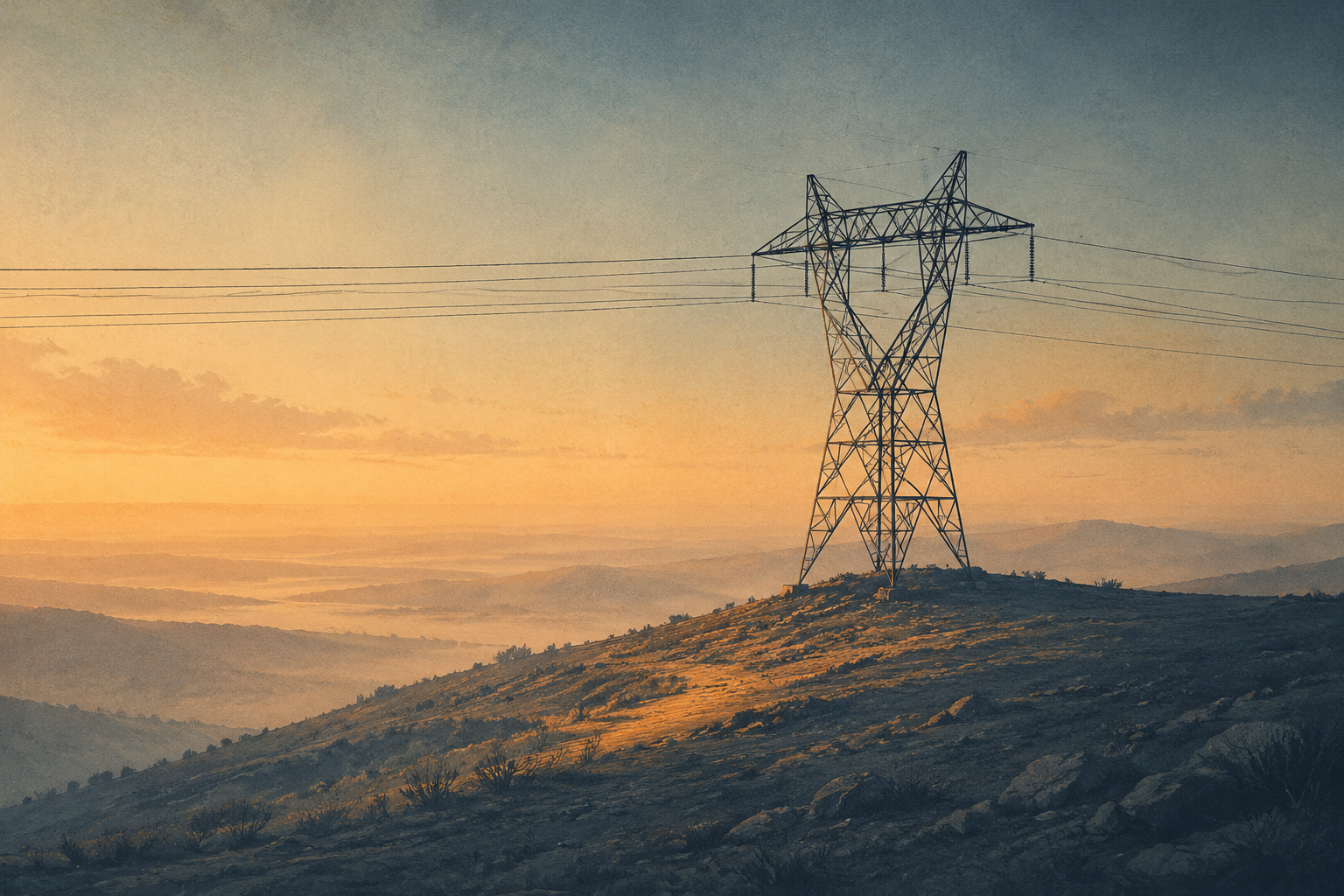
Ilham Aliyev says the project to run power lines to Nakhchivan across Armenian territory is ready, and that large electricity exports will follow. A route agreed as a road and a railway is being loaded, on one side's drawings, with a grid.

Inflation reaches 13% in the country that counts petrol by the litre
Mongolia's July consumer prices rose 13.0% year on year, and the central bank called its monetary policy committee into an extraordinary session for Wednesday afternoon. The fuel ledger, meanwhile, is declared full for August, on Ulaanbaatar's arithmetic alone.

Kazakhstan sets its state chatbot a target of 150 services
The Tuesday cabinet in Astana spent its session on digital government and came out with dates. eGov GPT goes from 50 services to 150 by the end of the year, every public service centre becomes an artificial intelligence office by December, and the action plan for the whole programme is due within a week.
Kazakhstan’s economy grows around its shrinking oil
Seven-month GDP growth of 4.1% arrived on Tuesday morning with a second number attached: oil output down 8.9% year on year, at 53.2 million tonnes. It is an official, national-perimeter production number that takes in the crisis weeks, and it lands while the July numbers that would price them stay unpublished.
Central Asia agrees to meter the Syr Darya
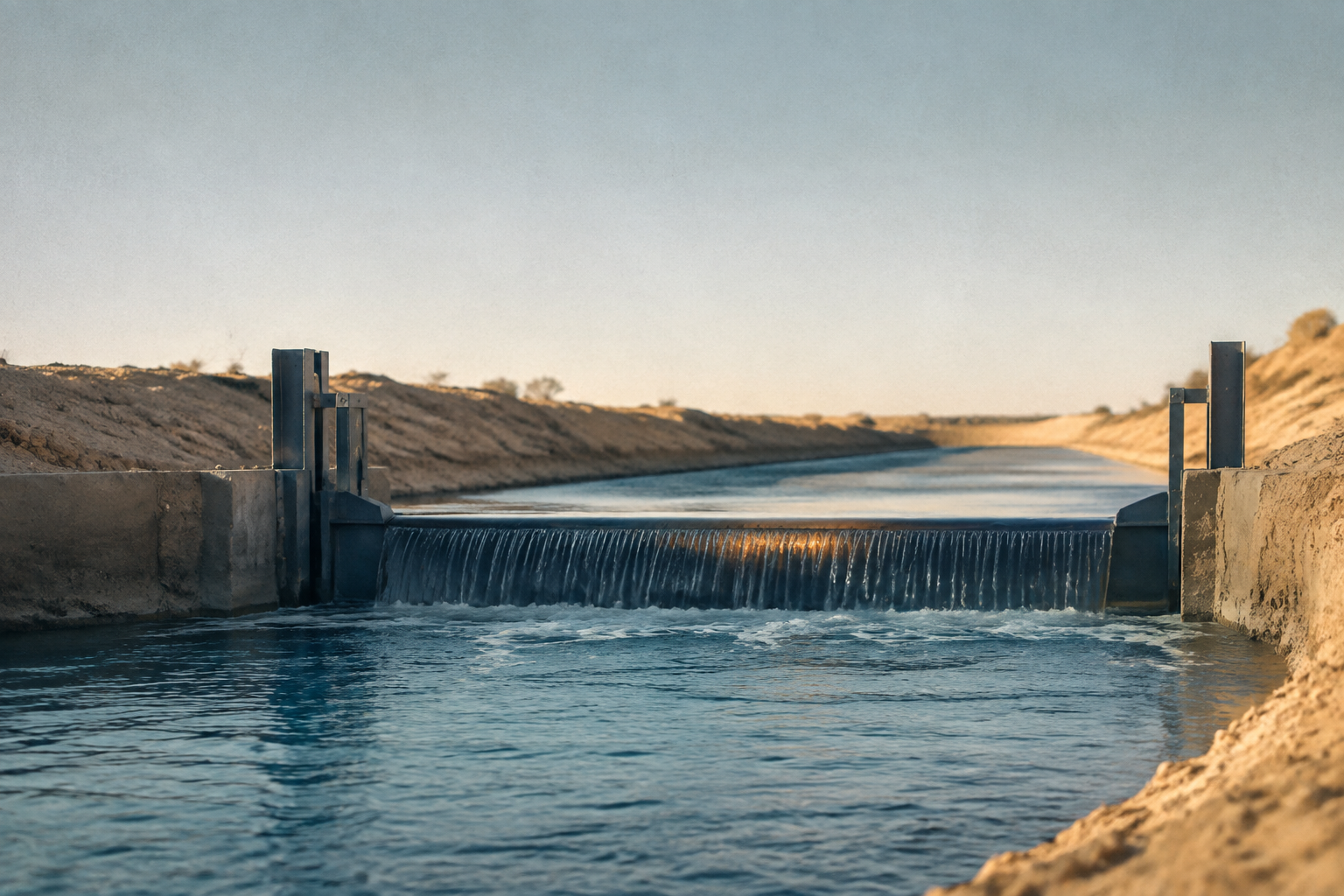
The Interstate Commission for Water Coordination approved the development of a plan for automated water accounting across the Syr Darya basin at its 94th session in Turkestan, the Chronicles of Turkmenistan reported on Monday, citing Report.az.
Tashkent’s IT zone gets English law until 2100
Uzbekistan’s Senate approved the constitutional law on Enterprise Uzbekistan, an international digital-technologies centre in Tashkent with a special jurisdiction built on elements of English law and a lifespan written to the year 2100.

Turkmenistan halves the fuel a departing car may carry
From today a vehicle leaving the country carries 150 duty-free litres, down from 300, and every litre above that costs half again as much.

KazMunayGas calls the $80 billion Kashagan report unreliable
The company’s chairman read the story and does not confirm it. Kursiv, which carried the report on Friday, now traces it to Bloomberg.

Wildberries starts insuring sellers' goods against drone strikes
The marketplace has extended its seller insurance to damage or loss from terrorist acts, sabotage and drone attacks, covering delivery, pickup points and returns. Premiums have gone up with the cover, to between 1.96% and 5.6% of the value of the goods.
Kazakhstan and Uzbekistan clear 19 product groups of barriers from Monday
Tariff and non-tariff barriers come off 19 categories of trade between the two countries on 10 August, from cotton fibre and grain to construction materials and machinery. Two-way trade ran about $5 billion in 2025 and grew 38% in the first five months of this year.
Fewer workers go to Russia, and the rubles they send buy less
Work-purpose entries to Russia from the region’s three biggest sending countries fell 15% in the first half of the year. From 1 September the workers who remain in Moscow will be registered through a phone app, and the ruble they are paid in has lost nearly 12% of its som value in five weeks.
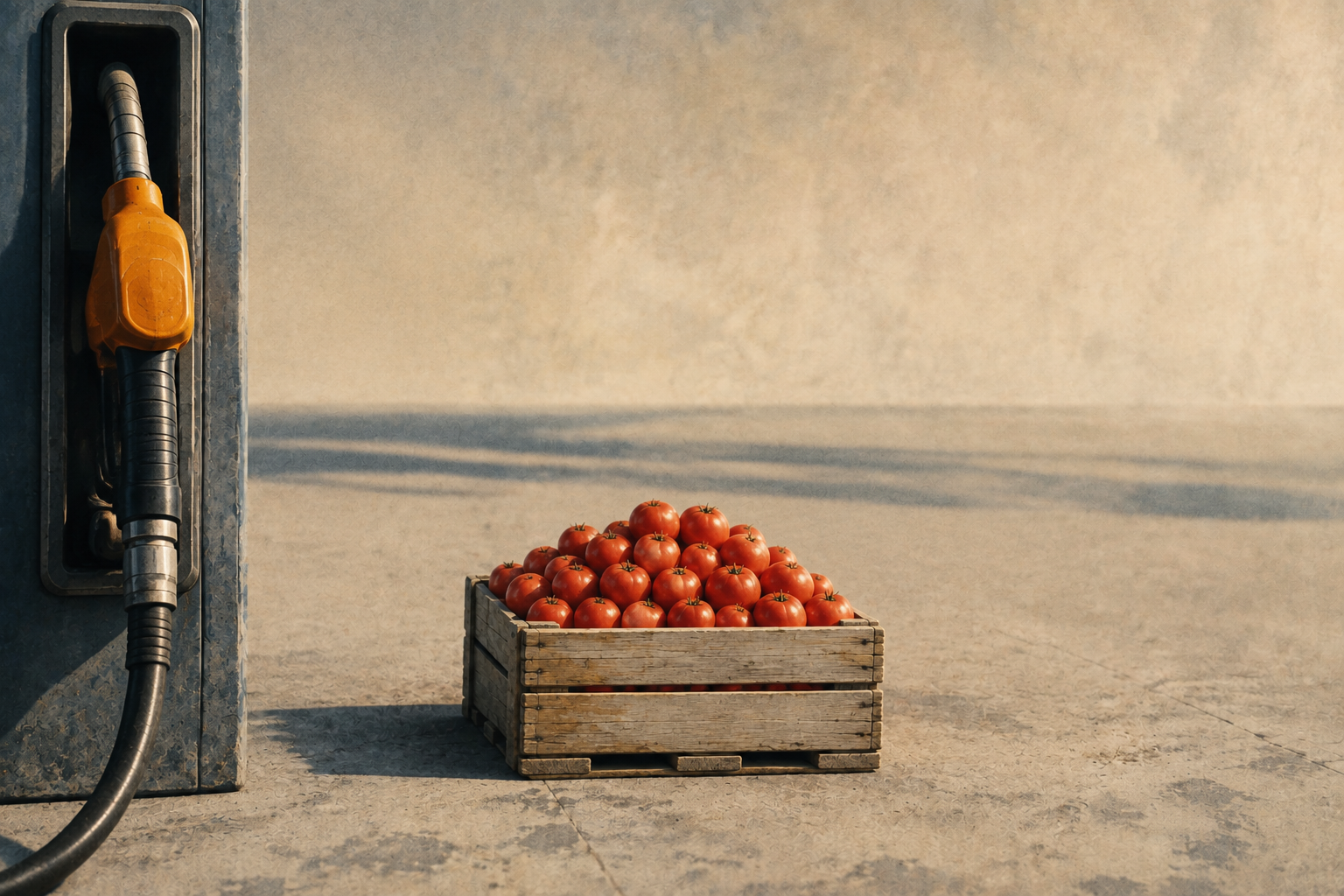
Uzbekistan's prices fell in July, and its petrol rose 21.7% in a year
Consumer prices in Uzbekistan fell 0.1% in July as the vegetable season arrived. Petrol rose 4.8% in the month and 21.7% over the year.