The traffic schedule is now out. Cars with odd plates drive on 15, 17, 19, 21, 23, 25, 27, 29 and 31 August and on 3, 5, 7, 9 and 11 September; even plates take 16, 18, 20, 22, 24, 26, 28 and 30 August and 2, 4, 6, 8, 10 and 12 September. The first of September is exempt for the opening of the school year, and vehicles on green plates sit outside the scheme altogether. It applies across the whole city rather than to a central zone, which is what separates it from the standing congestion measure.
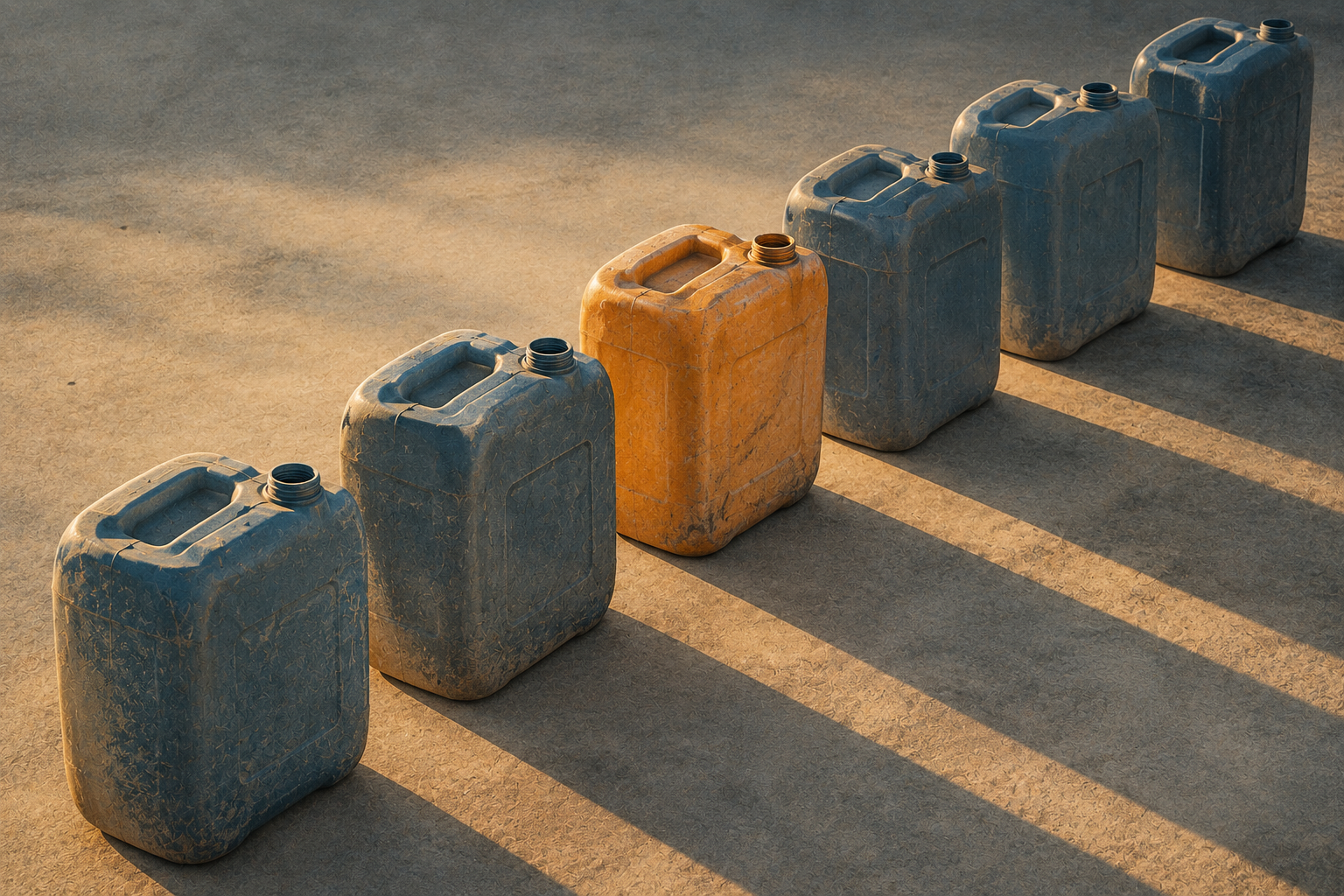
What ends on the same date is the fuel regime. Since midnight on 4 August every filling station in the country has sold petrol on alternating days by plate parity, with a single purchase capped at 50,000 tugrik, about 14 dollars, and filling portable containers banned. The average retail price of AI-92 stood at 2,840 tugrik a litre on 10 August. The cap and the pump parity were dated to the 15th from the beginning.
Supply has been announced by four separate voices in ten days. Russia agreed an additional 25,000 tonnes of AI-92 and 5,000 tonnes of jet fuel by 31 August, carried first by the minister himself and since reported institutionally by state broadcaster MNB. PetroChina Dachin Tamsag agreed on 7 August to supply 6,000 tonnes of AI-92 this month, with Prime Minister Uchral Nyam-Osor asking for 12,000 to 15,000 tonnes a month and a lower price. South Korean cargoes of diesel, petrol and aviation fuel are expected during August, and Montsame reported more than 10,000 tonnes of AI-92 crossing at Sukhbaatar between 1 and 5 August.
The government has published every tonne it has secured and no figure at all for what the country still holds.
The trend underneath runs the other way. Russian fuel exports to Mongolia fell to 173,000 tonnes in July from 186,400 in June, as Russia worked through its own shortage. Russia supplies up to 97 per cent of Mongolian petrol and diesel, and its nationwide export ban runs to the end of the year with Mongolia exempted under an intergovernmental carve-out. Industry Minister Gongoryn Damdinnyam has now made nine trips to Moscow in a year in that capacity.
Ulaanbaatar has also rebuilt the market in the middle of the shortage. From 6 August any legal entity may import petrol and diesel without quota, customs duties on all petroleum products were zeroed, and the excise on petrol and diesel was cancelled. That dismantles a long standing import monopoly under emergency conditions, with no stated end date and no published estimate of what the foregone duty and excise are worth to the budget.
Two numbers decide tomorrow and neither is public. The first is current days of cover: the last figure to circulate was for 5 August, when petrol stood at 11 to 13 days, diesel at 18 and aviation fuel at 10. The second is whether the pump cap lapses on schedule or is quietly rolled over. Damdinnyam has said the extra Russian volumes make rationing unnecessary, which is a forecast rather than an instrument.
The dates are not accidental. The desertification conference opens on 17 August with a city parking regime running to the 23rd, shorter than the conference itself; the traffic scheme outlasts both by a fortnight. A capital that has spent two weeks queueing for petrol is about to be told which days it may drive, by an office that is not the one rationing the fuel, for a reason that is not the shortage.