Russia

A drone strike on Tatarstan kills eight Uzbek workers
Ukrainian drones struck Nizhnekamsk in Tatarstan on Monday and killed at least 13 people, among them 8 Uzbek construction workers and a 30-year-old Tajik. Tashkent formed a government commission the same day and flies a working group to Russia today.

Nine trips in a year: Mongolia’s fuel envoy starts in Moscow
The minister running Mongolia’s fuel crisis named his route on Sunday: Moscow first, then Kazakhstan, then Beijing. The itinerary carries its own message: whatever China agrees to supply, the system still runs through Russia.
Turkey pauses the straits, and Kazakh oil waits
From Thursday to Sunday, vessels bound for Novorossiysk could not get permits to transit the Turkish straits. The pause revealed a second gate on Kazakhstan’s main export route, and nobody in Astana holds the key.

Wildberries starts insuring sellers' goods against drone strikes
The marketplace has extended its seller insurance to damage or loss from terrorist acts, sabotage and drone attacks, covering delivery, pickup points and returns. Premiums have gone up with the cover, to between 1.96% and 5.6% of the value of the goods.

Armenia brings the Russian import bans to the union's own table
Nikol Pashinyan told the four other governments of the Eurasian Economic Union on Friday that Russian restrictions on Armenian goods are feeding a negative view of the union inside Armenia. He came with figures: $319 million paid in during 2025, $175 million received back.

Fewer workers go to Russia, and the rubles they send buy less
Work-purpose entries to Russia from the region’s three biggest sending countries fell 15% in the first half of the year. From 1 September the workers who remain in Moscow will be registered through a phone app, and the ruble they are paid in has lost nearly 12% of its som value in five weeks.

July’s missing oil gets its first price tag
An energy commentator has put a dollar figure on Kazakhstan’s July production losses: more than $700 million of revenue in a single month. No official loss figure has surfaced, and the pipeline consortium has now said nothing in its own name for 8 days.
Solar and wind take $376 million of the Kyrgyz-Russian list
Participants at the eighth Kyrgyz-Russian economic forum at Bosteri on Lake Issyk-Kul signed projects whose sector totals come to $545.1 million, with two renewable plants accounting for $376 million of that. The head of the Russian-Kyrgyz Development Fund put the value of all documents signed, trade contracts and inter-regional agreements included, above $800 million.
Chartering a tanker for the CPC terminal now costs $338,000 a day
The shipping market has repriced Kazakhstan's main export route. Daily charter rates for tankers calling at the Caspian Pipeline Consortium terminal have reached about $338,000, war-risk cover for calls at Black Sea terminals has climbed to as much as 2% of a vessel's value, and August-loading CPC Blend was offered this week at nearly $4 a barrel below Brent.

Ankara puts two names on the shipping war
Turkey’s foreign ministry on Tuesday named two Turkish-owned ships hit in a single evening off Novorossiysk and told the warring parties to make the Black Sea safe for civilian navigation. Kazakhstan’s export recovery now depends on how much of that warning the tanker market believes.
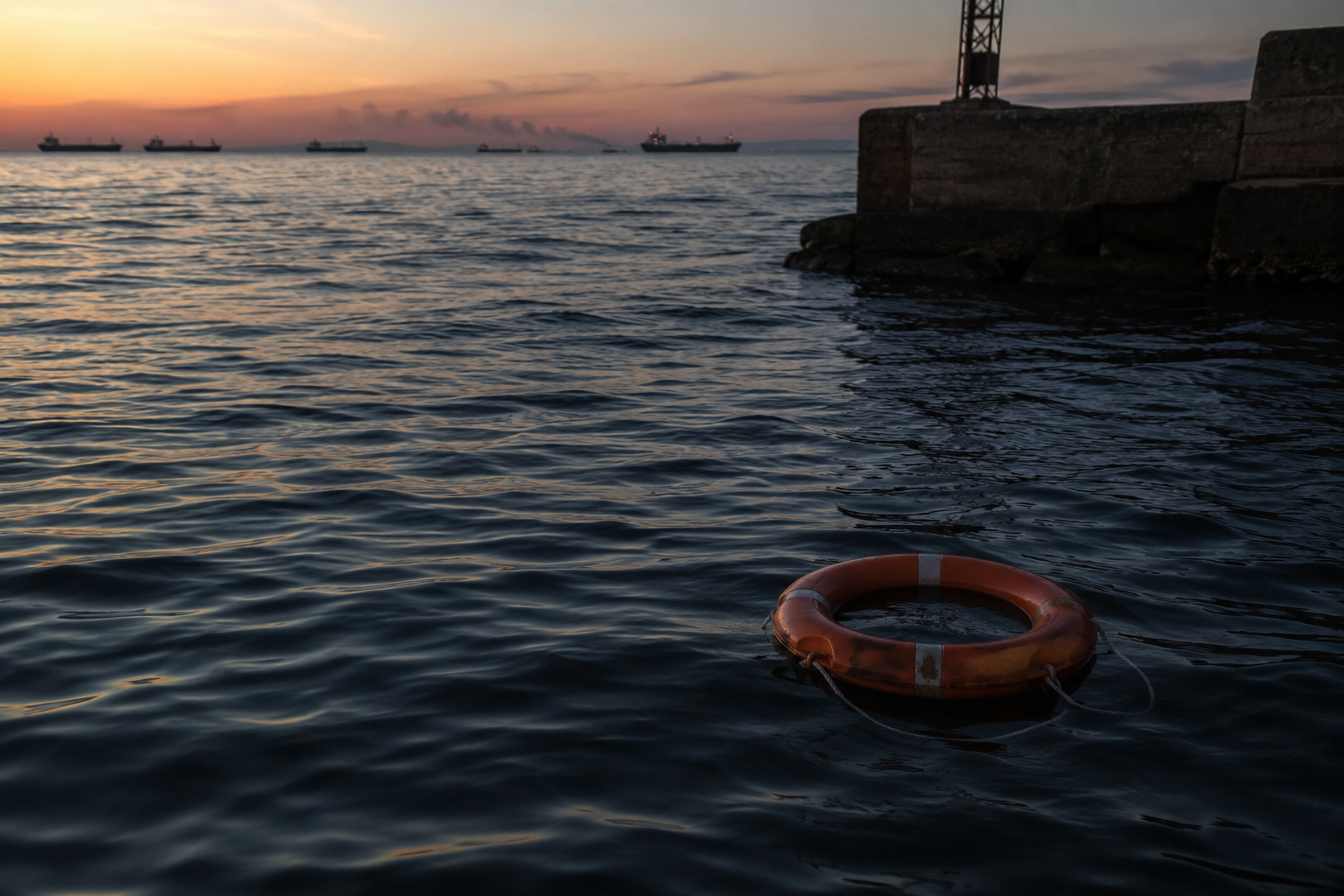
The drone war off Novorossiysk stops sparing crews
Since Saturday the approaches to Kazakhstan’s main export outlet have seen a cargo ship sunk and a Turkish-crewed freighter set ablaze, with three sailors gravely wounded. The terminal that carries more than 80% of Kazakh oil exports keeps loading at a third of its June intake, and July’s total has still not been published.

Pashinyan calls the union paralyzed
Armenia’s prime minister said on Thursday the Eurasian Economic Union is “de facto paralyzed”, his hardest wording since Russia began closing its market to Armenian goods in May. The union’s core promise, free movement of goods, is now disputed in public by one of its five members.
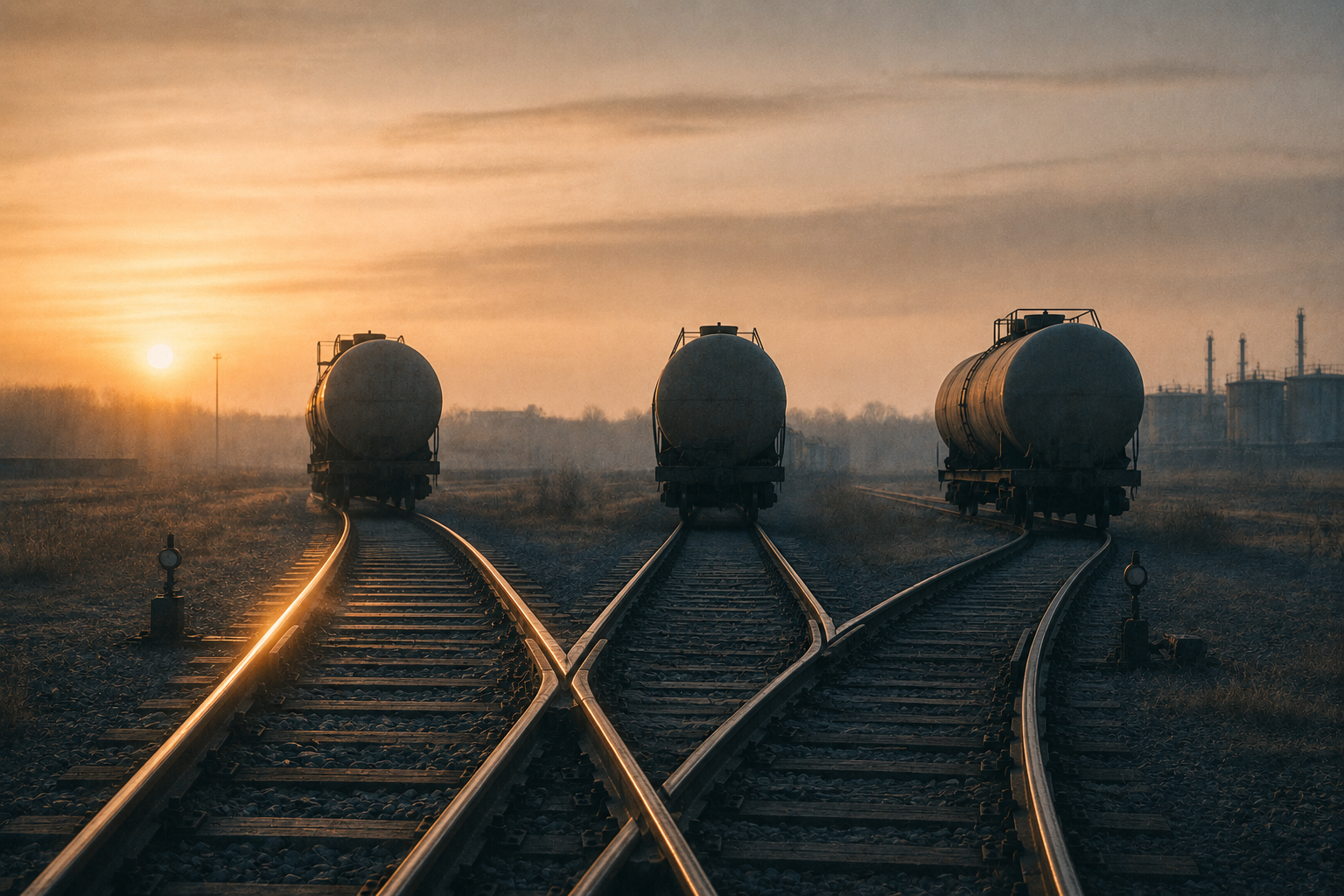
The fuel wall arrives, and the region answers with signatures
From Saturday, Russia’s gasoline export ban covers every exporter, and for August the diesel ban reaches even the producers. The decree leaves one door open, intergovernmental agreements, and the region spent the week queueing at it.
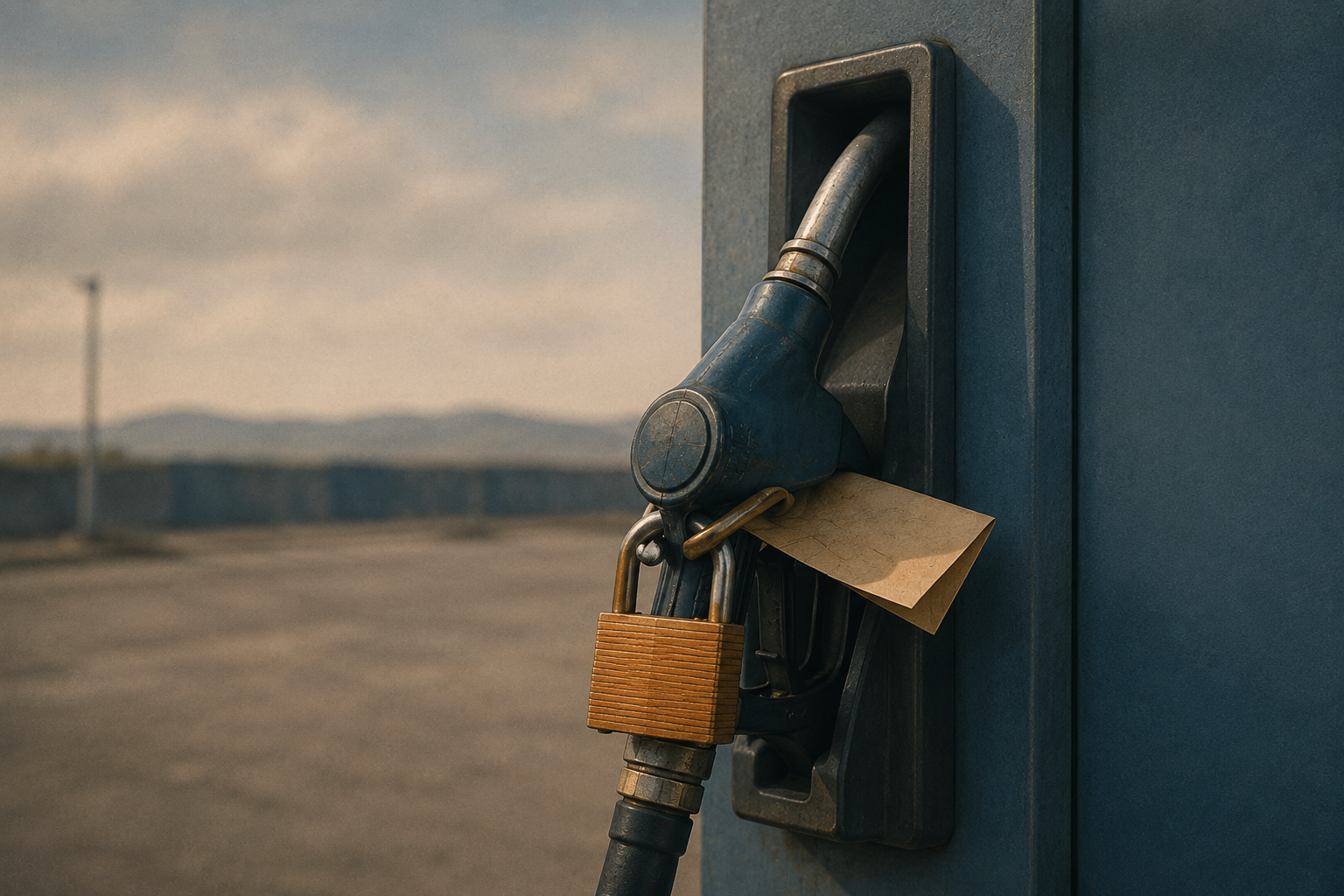
Moscow writes the fuel wall into a decree, and adds diesel
Russia’s government published the decree on 30 July: the gasoline export ban now runs from 1 August to 31 January 2027 and covers all exporters, and for the month of August diesel and marine fuel join it. Exports under intergovernmental agreements and humanitarian aid stay exempt.
The war on Russia’s warehouses arrives in Kazakhstan
Ukrainian drone strikes on Wildberries’ Russian warehouses have burned through the stock of Kazakh sellers who trade on the platform, and they are pushing Wildberries and Ozon to move warehousing south into Kazakhstan. The first move costs Kazakh small traders real money now; the second offers Kazakhstan a larger logistics business, though not a cheap one.

Moscow answers Yerevan through its foreign intelligence service
A day after Pashinyan asked Putin to lift the export restrictions, the Kremlin briefing dealt with an EU referendum and the Foreign Intelligence Service issued four statements on what leaving the Eurasian Economic Union would cost Armenia.

Pashinyan asks Putin to lift the export bans
Armenia’s prime minister raised the Russian restrictions with Putin by telephone on Monday, the day the dairy ban took effect, and told him they contradict both the bilateral treaty framework and the rules of the Eurasian Economic Union.

Russia puts a price on the migrant family
The law Putin signed on 26 July ties the right to work to an income test measured per dependant, and charges a fixed monthly tax for each of them. Most of it starts on 1 January 2027.
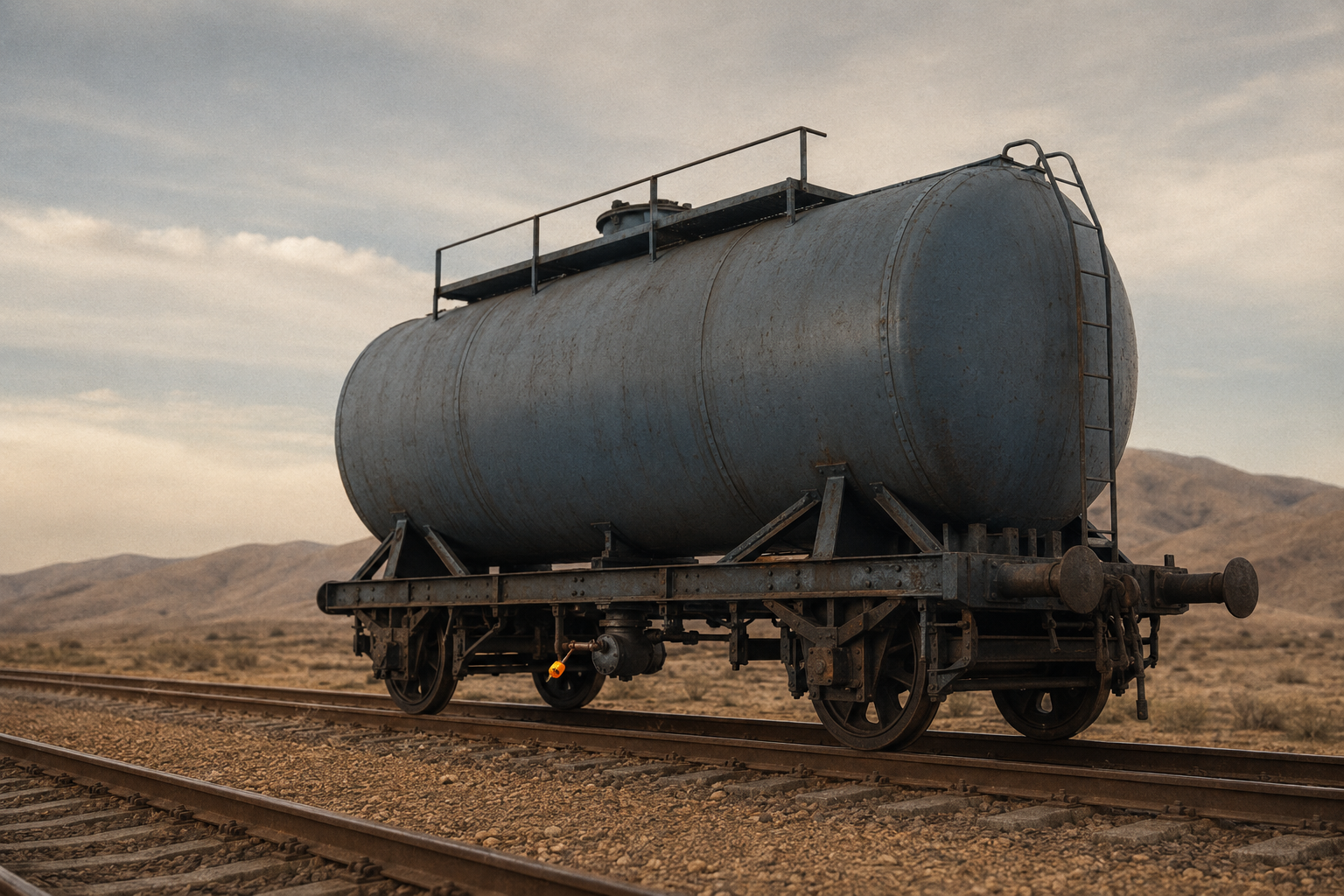
Dushanbe says the Russian petrol ban should not reach it
Russia supplies 72.3% of the fuel Tajikistan burns. Its energy minister says the indicative balance has recently run into difficulty, and that the export ban extended last week should not in principle touch deliveries made under an intergovernmental agreement.

Tokayev asks for a freeze in Omsk, and Moscow answers in a day
Standing beside Putin, Kazakhstan’s president proposed freezing the war and returning to the Istanbul terms. The Kremlin called a freeze impossible the following morning.