The SVR line, carried by TASS on 28 July, runs in four parts. Brussels understands that a deep economic crisis in Armenia is inevitable if Yerevan ends up outside the EAEU. The EU demands that Yerevan reduce the presence of Russian business in strategic sectors, sever humanitarian ties with Russia and suppress domestic opponents of that course. EU structures acknowledge that Europe’s own economic problems, which the service attributes to the sanctions policy and to support for the war in Ukraine, will leave Brussels unable to compensate Yerevan for billions in costs. And the EU is not ready to open its markets to Armenian goods.
Dmitry Peskov, asked about Armenia, said no date has been set for an EU referendum. The analyst Suren Surenyants noted that the Russian readout of Monday’s call omitted the trade dispute entirely.
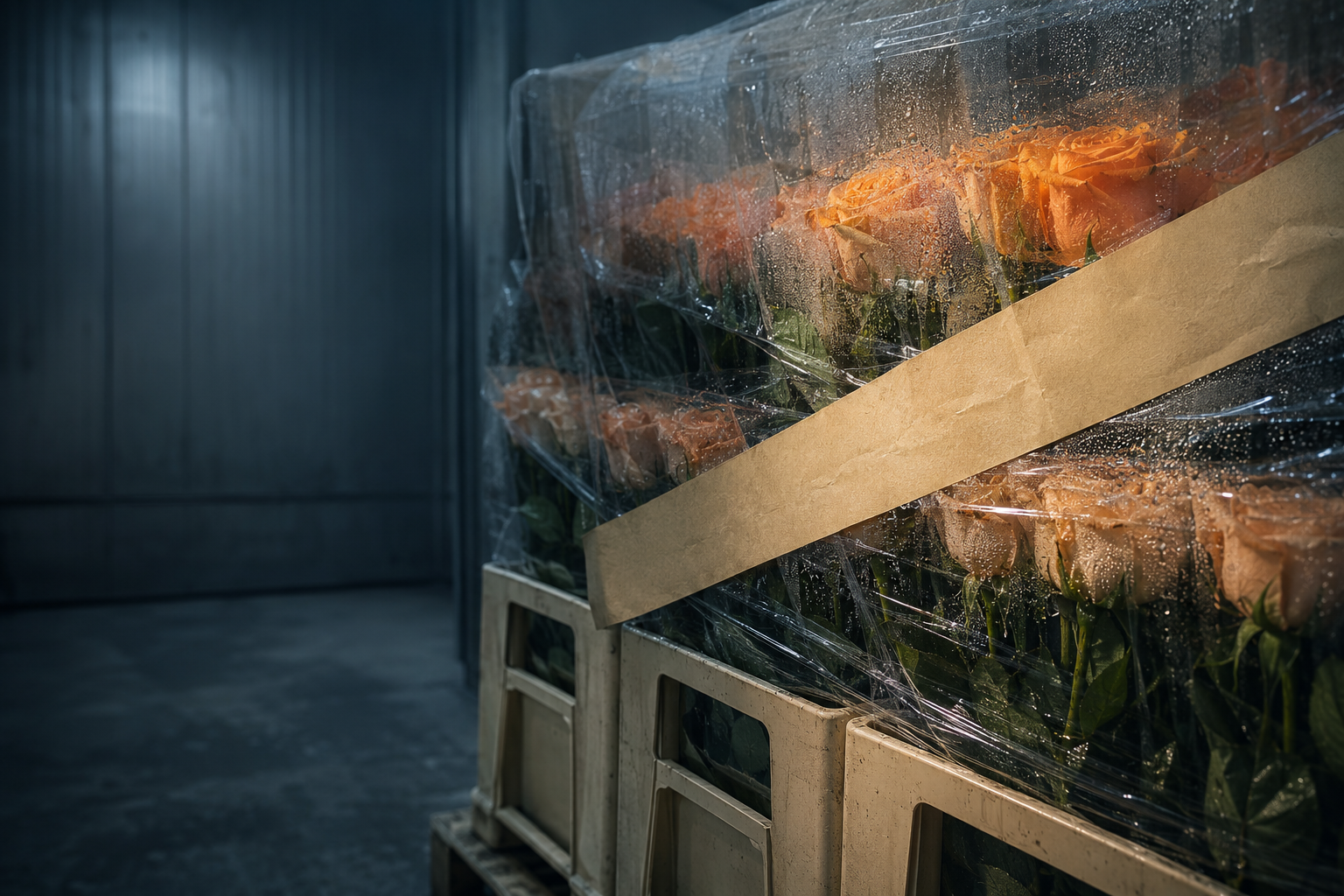
The enforcement side moved on its own track. Rosselkhoznadzor said 39,200 Armenian roses, declared by the carrier as non-alcoholic tonic drinks, were stopped by Smolensk customs on a vehicle running from the Minsk region to Moscow and destroyed on 23 July. Armenian flower imports and their transit have been prohibited since 22 May. All quarantine-regulated goods from Armenia have been restricted since 12 June.
That 22 May date matters for the shape of this dispute. The ladder started with flowers in May, widened to all quarantine-regulated products and their EAEU transit in June, and reached dairy on 27 July.
Tigran Abrahamyan, secretary of the Pativ Unem faction, put the asymmetry plainly: while the Armenian authorities pursue confrontation in a more restrained manner, Moscow is openly raising the stakes, and it is ordinary citizens who end up paying for the confrontation.
Yerevan asked a head of state to reverse a veterinary decision. The reply came from an intelligence service and a customs post. That is a description of which instruments are actually in play.