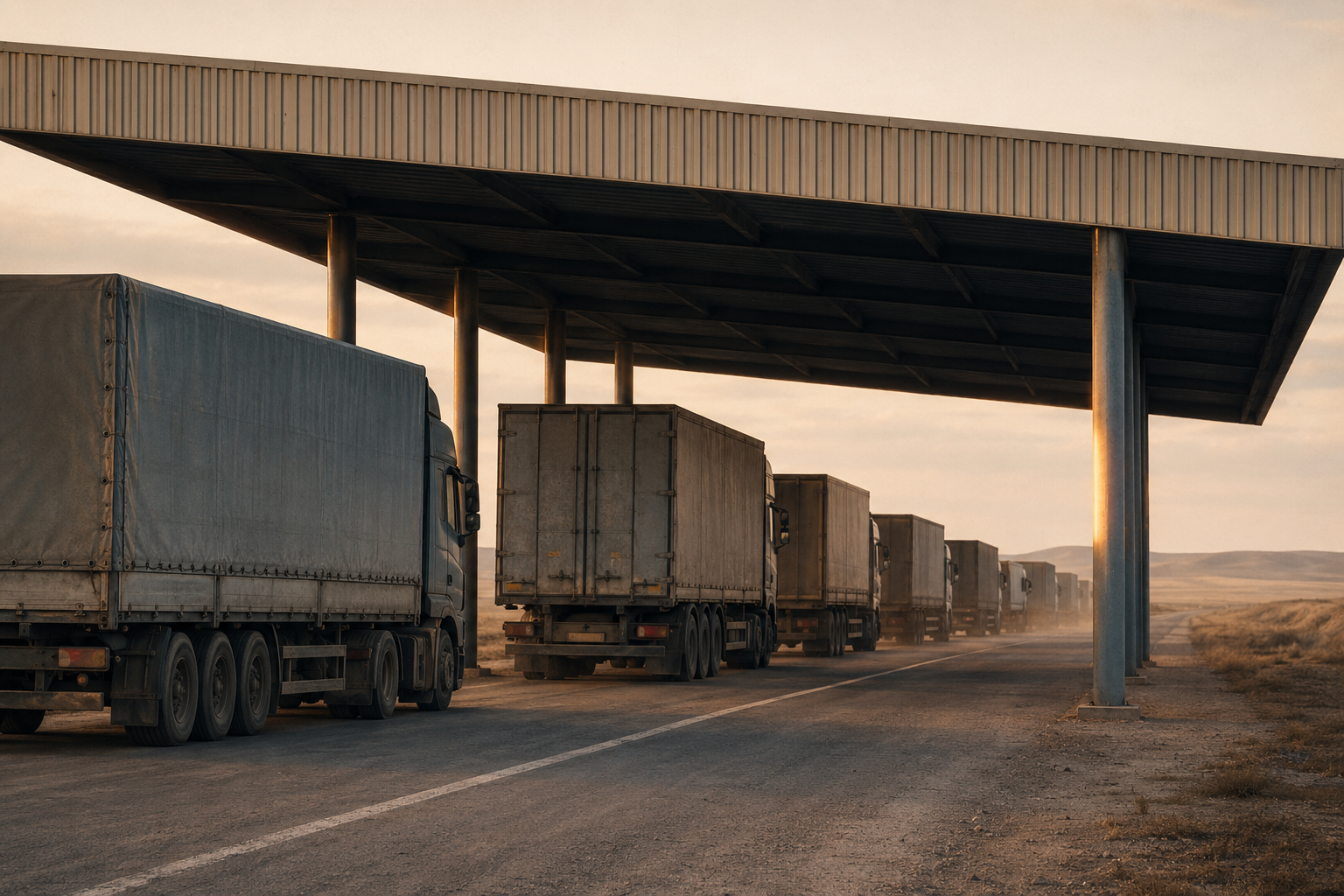
The Eurasian Economic Commission’s trade minister, Andrey Slepnev, who made that point, said union exporters gain access to the Mongolian market for dairy, confectionery, canned goods, vehicles, special machinery and metals, and urged business to use the preferences. Coming the other way at preferential rates: meat, cashmere and other industrial and agricultural goods. After the first three-year period the sides are to begin a review aimed at removing duties across nearly the whole nomenclature.
The warning came from inside the union. Sergei Katyrin of Russia’s chamber of commerce said the preferential regime must apply only to goods genuinely of Mongolian origin or produced through transparent cooperation, or third-country goods may enter the union market dressed as Mongolian. That is the rules-of-origin question CAW tracks along the whole southern rim of the sanctions economy, now opened on a new frontier.
For Ulaanbaatar the agreement sits inside a busy season: twelve documents signed with Tajikistan this week, a Korean state visit in July and a summit in Seoul in September, COP17 in August. The third-neighbor policy now includes a tariff line into the Russian-led bloc. Watch the first trade figures under the regime, and whether any origin dispute surfaces.