Analysis
In-depth analytical pieces, newest first.
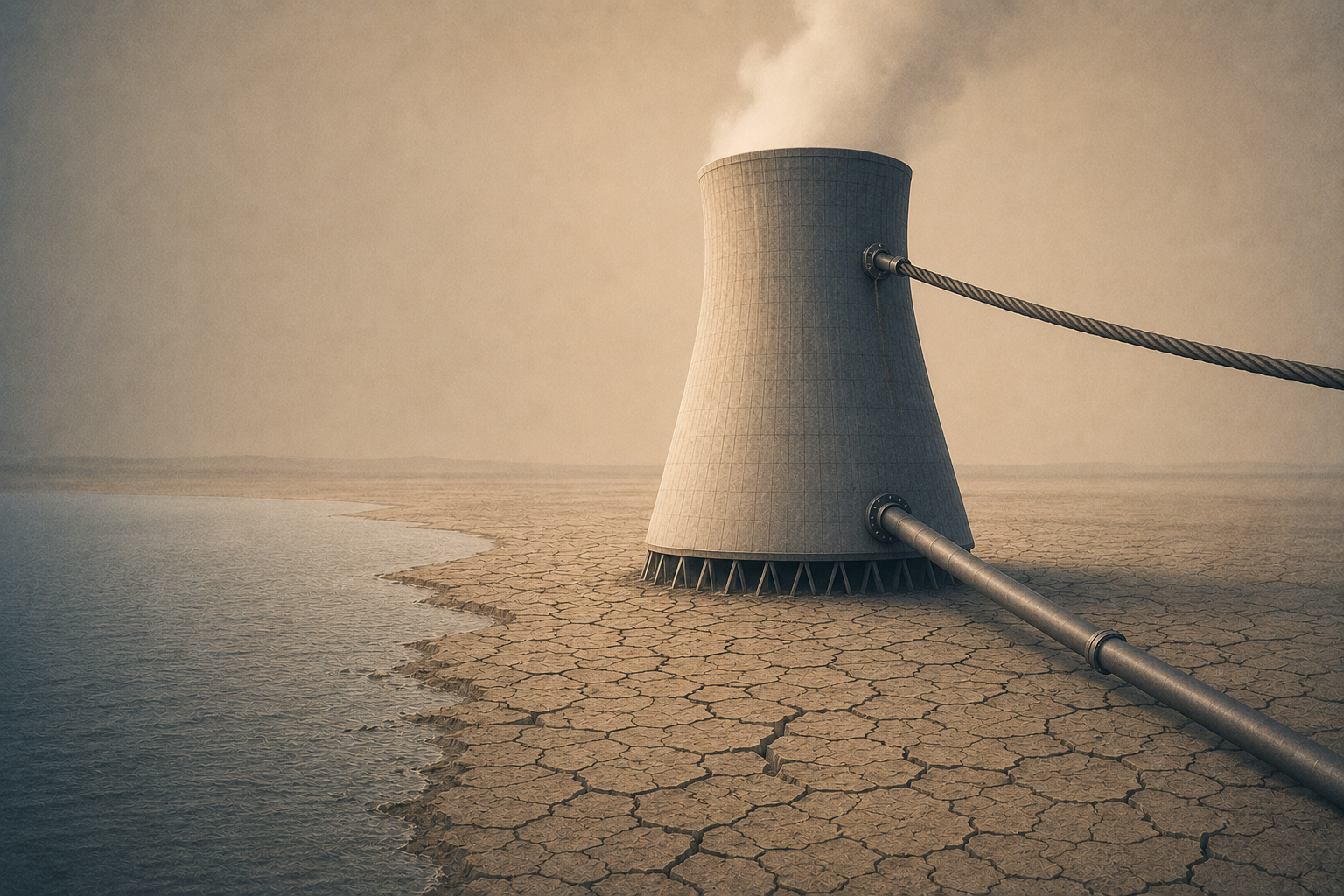
Central Asia is going nuclear on Russian reactors and Russian credit
Uzbekistan has poured the first concrete for its nuclear plant. Kazakhstan has signed a $16.5 billion deal for its own. Both will be built by Rosatom, financed largely by Moscow, and fuelled on Russian terms. The region that talks about loosening its dependence on Russia is pouring four decades of it into the ground.

Kazakhstan barely notices remittances. For two of its neighbours, they are the economy
New figures show Kazakhstan sent about $376 million abroad in the first four months of 2026 and took in far less. Money wired home by migrants barely registers in its economy. Two doors down, in Dushanbe and Bishkek, the same flow is most of the household budget. One region, two opposite economies.
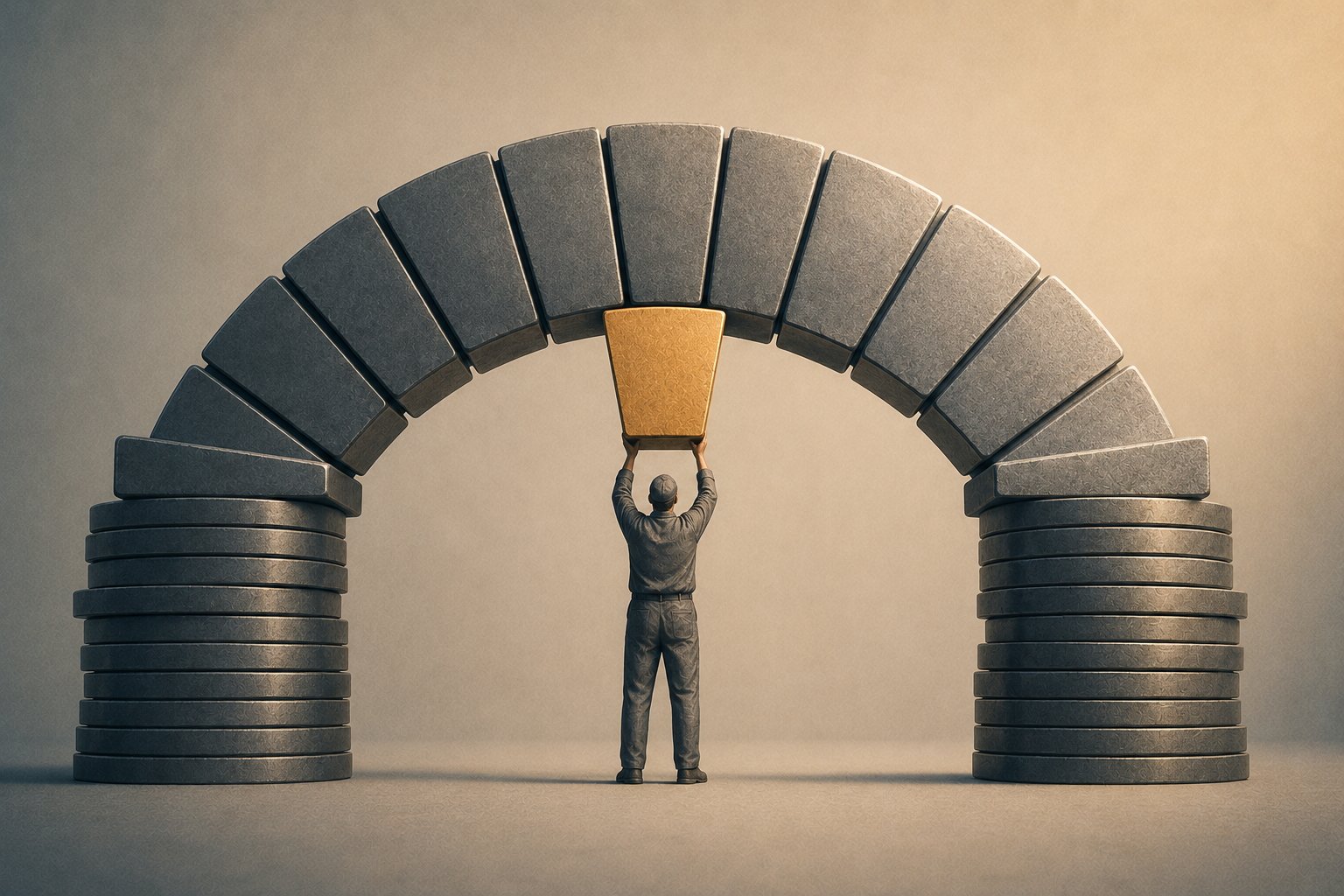
As SCO chair, Kyrgyzstan is building the bloc’s money machine in Bishkek
Kyrgyzstan opened an SCO project-support centre in Bishkek on 24 June, one more piece of the financial architecture it is assembling during its turn chairing the bloc. The summit in August is the deadline. A development bank is the prize.
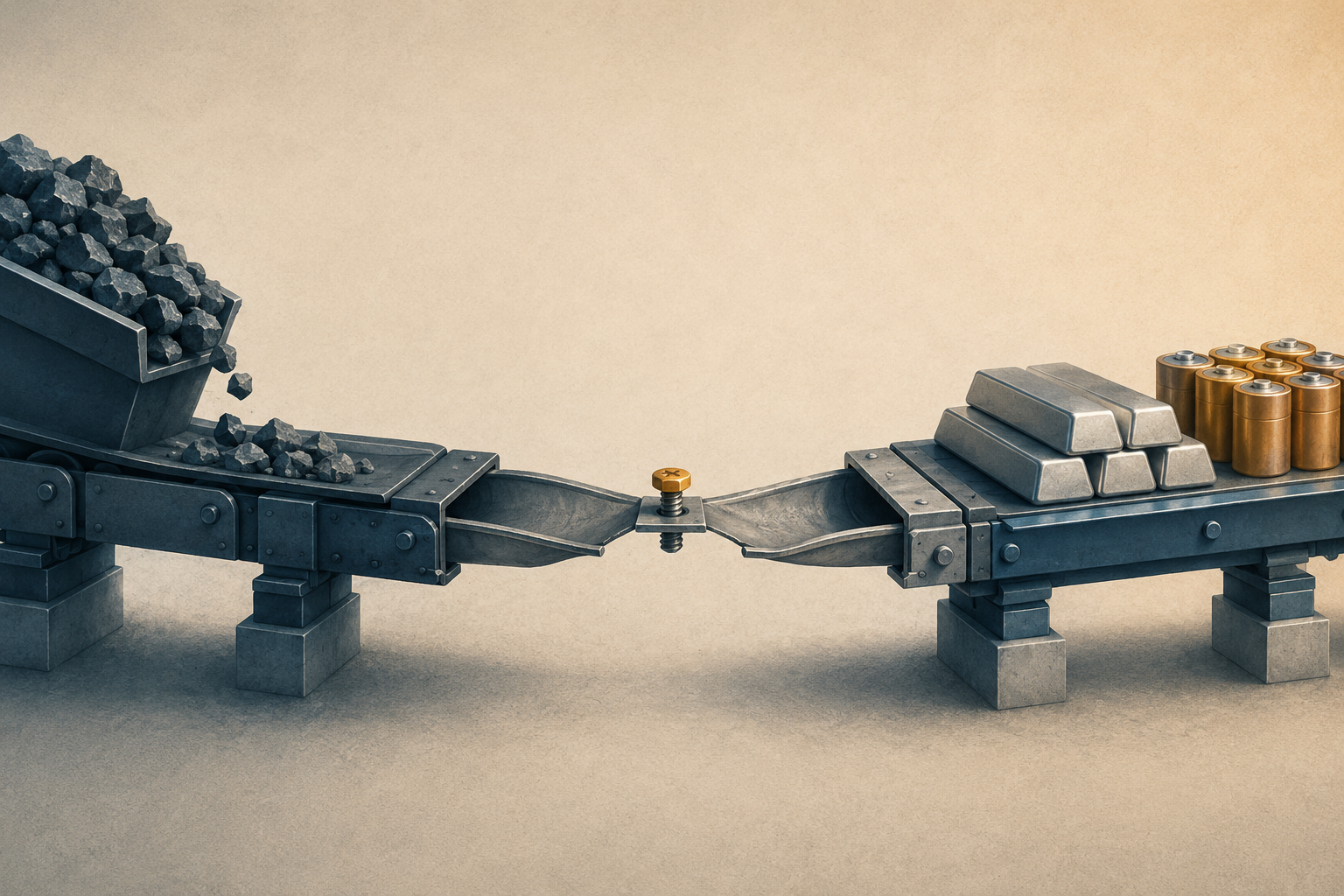
Kazakhstan and the EU signed five agreements in Brussels. The value is in which ones get built
Tokayev flew home from Brussels with a joint statement, a horizontal aviation agreement, a €7.1 billion Airbus order and a pledge to move Kazakhstan up the minerals value chain. After five years of EU and Kazakh frameworks, the signing is the part that comes easily.

The week of the signed page
A war ended on a signed memorandum. A forum closed on EUR75 billion of pledges. A constitution was ratified by 87%. All three are documents. None of the three is yet a result. That gap is the week's real story.
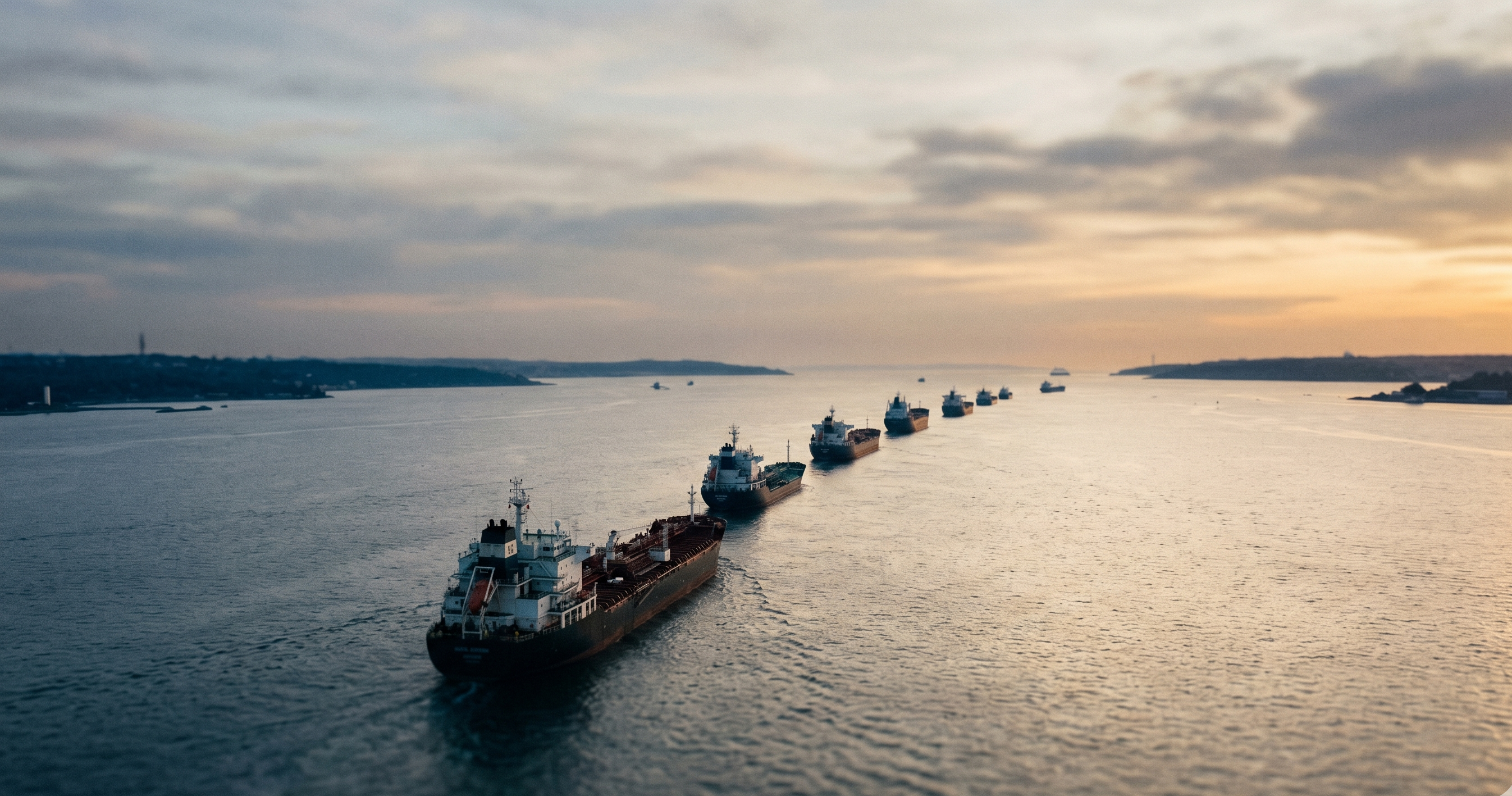
The war that gave Central Asia an edge is over
The US and Iran signed the memorandum ending their war late Wednesday, Trump at Versailles, Pezeshkian in Tehran, Pakistan's Sharif as mediator in Islamabad. Hormuz is filling with ships again. For Central Asia, the windfall of the last three months begins to unwind, and a different door opens.

Uzbekistan's Wednesday: plenary stage, two supertankers, and the Azteca
In a single day Uzbekistan ran its largest investment pitch, watched the first Iranian oil leave through Hormuz since the blockade, and sent eleven men to play the World Cup at the Estadio Azteca. Each is a separate story. Lined up, they describe a country that is having a moment.

A good week to be pitching Central Asia
TIIF in Tashkent, the IsDB in Baku, and the Iran deal ticking toward Geneva have converged in a single week. The timing is not accidental. Central Asia has a window, and Uzbekistan in particular is spending it hard.
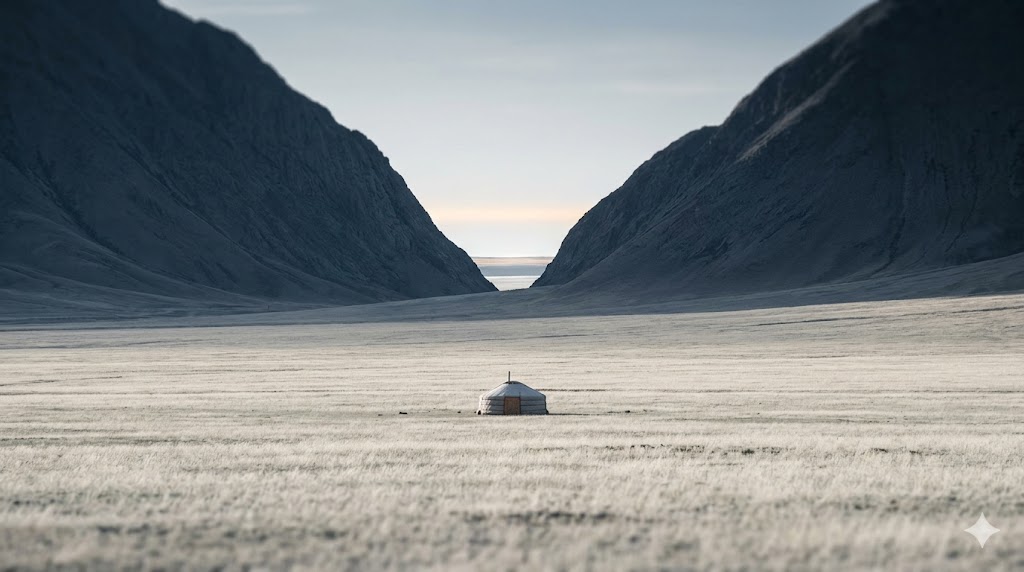
Mongolia’s two-neighbor squeeze, and the third neighbor that cannot reach it
China’s foreign minister spent three days in Ulaanbaatar this week promising railways and a shared future. The warmth is real, and so are its limits: nearly everything that should give Mongolia bargaining power, from gas transit to rare earths, is worth only what Beijing or Moscow agrees to pay for it.
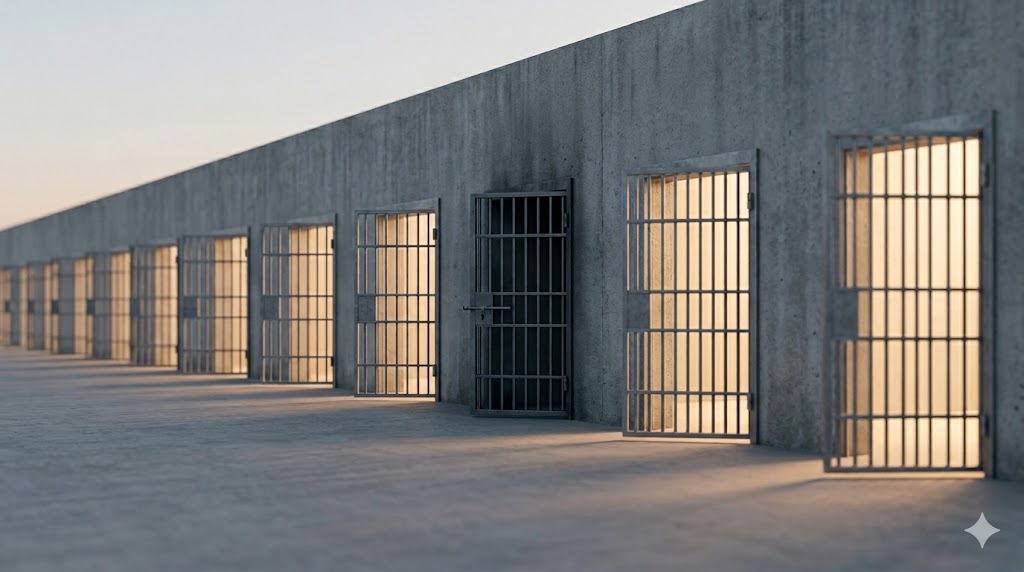
An amnesty for 18,038, and a map of whom Tajikistan will not forgive
On 16 June, ahead of Tajikistan’s 35th independence anniversary, President Emomali Rahmon signed an amnesty covering 18,038 convicts, with 11,305 to be released outright. It is a large and genuine act of clemency. It is also, as these laws reliably are, built with a careful list of people it will not touch.
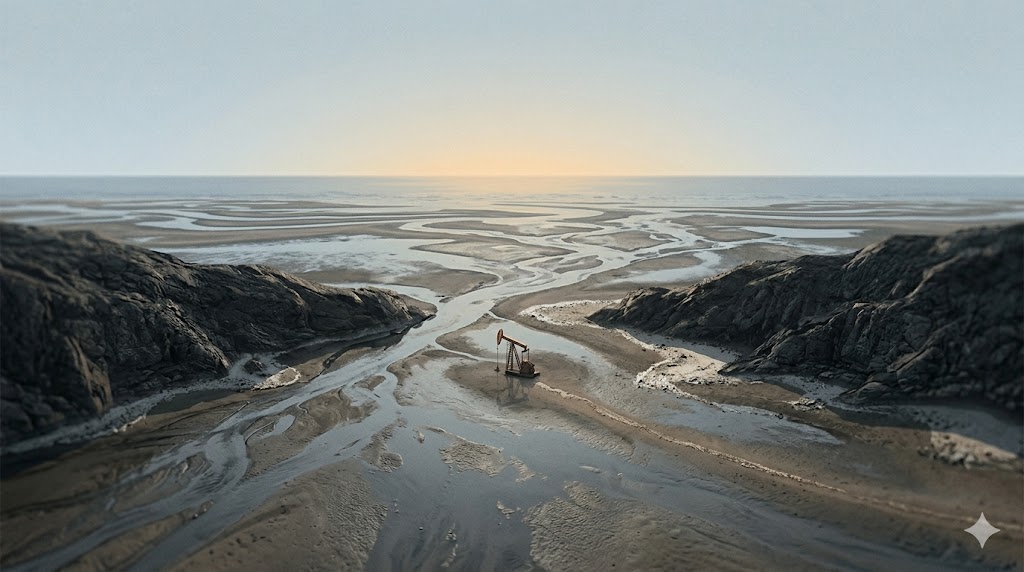
Central Asia’s wartime windfall ends with the war
For 100 days the closed Gulf made Central Asia’s oil more valuable and its non-Gulf routes look wise. With Hormuz reopening, the region goes back to competing on price and reliability, with less of both than it would like.
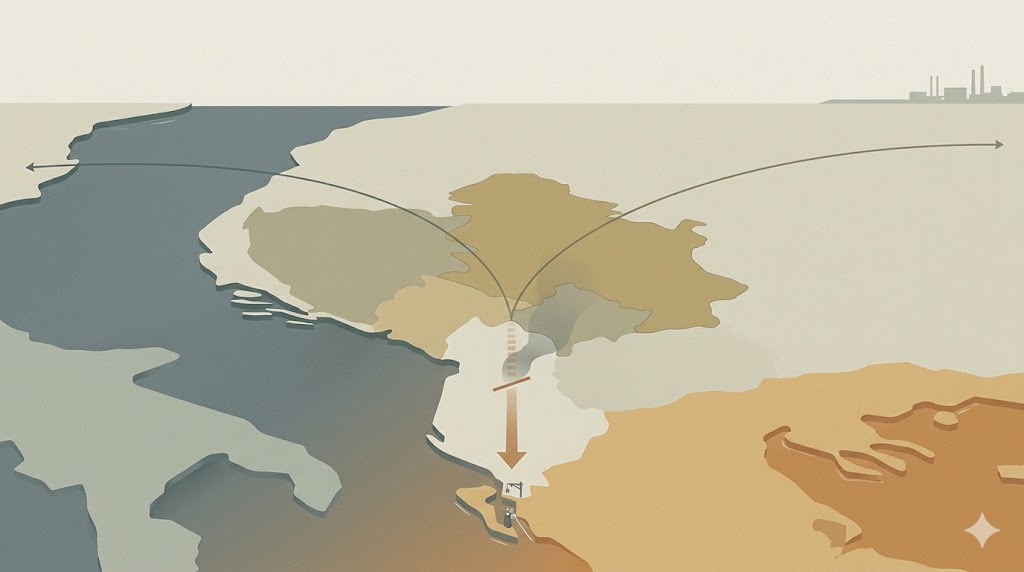
The Iran war is redrawing Central Asia’s map to the sea
Every escalation in the Gulf pushes the region’s trade further off the route through Iran and onto the corridors west and east. The war hands Kazakhstan an oil-price windfall and a bill at the same time.
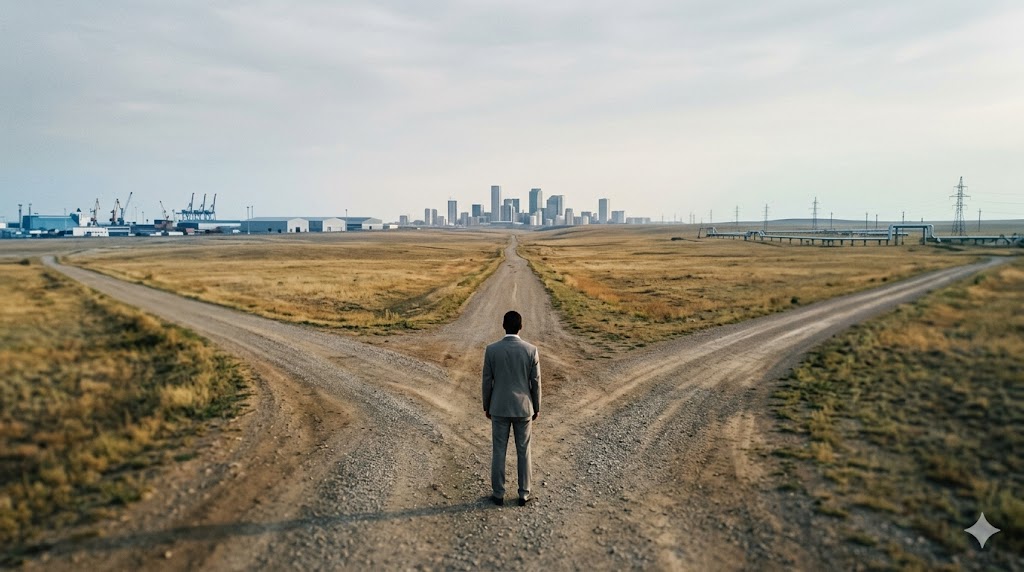
In one day, Kazakhstan courts Washington, Beijing and Moscow
On a single day this week Kazakhstan opened a US-led minerals dialogue, banked 6 billion dollars from China for a new city, and offered to pump more Russian gas to its neighbour. That is multi-vector foreign policy as a daily schedule.
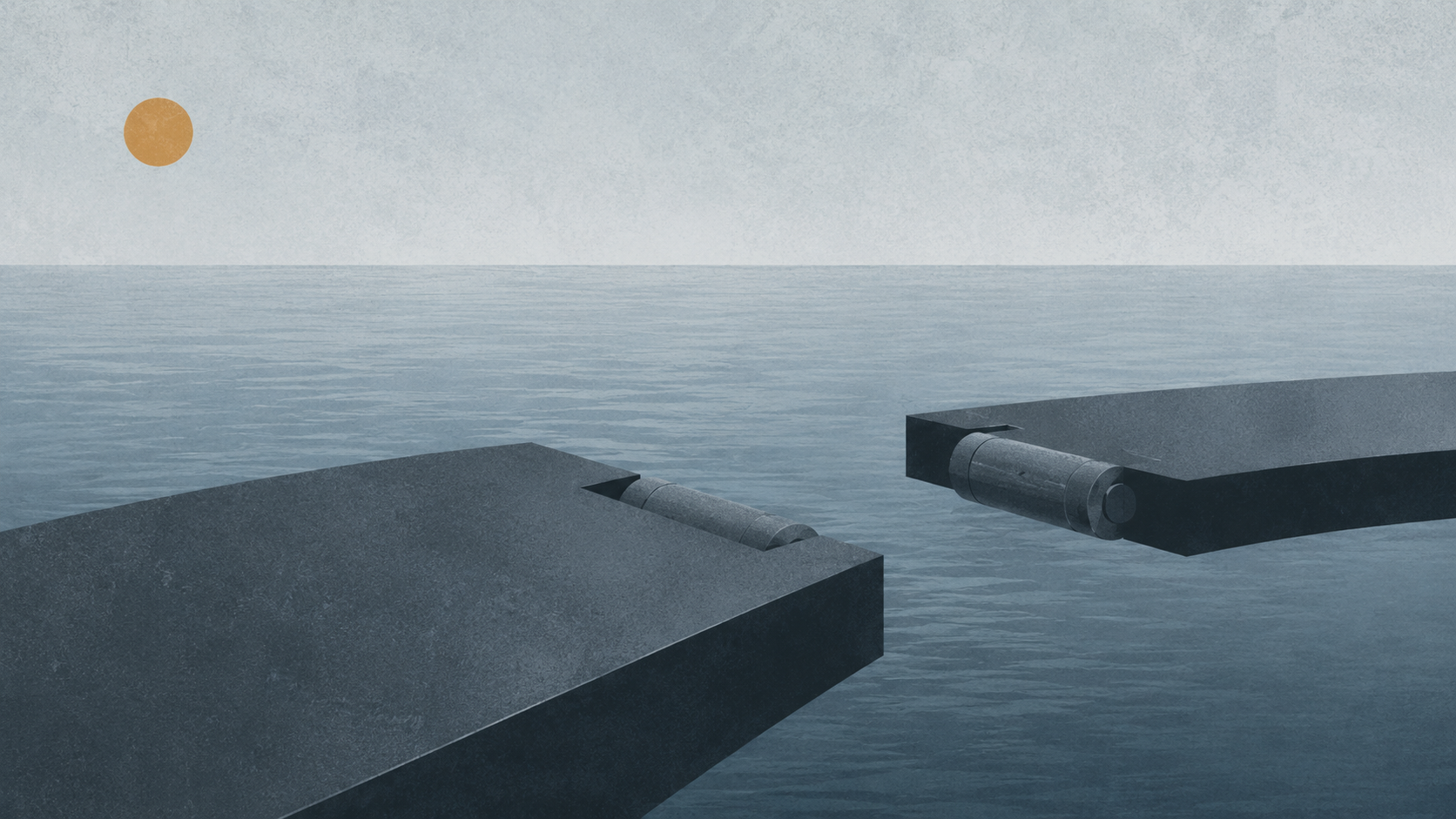
The scramble for the Caucasus, from Washington’s bill to a Chinese-built port
In one week Washington moved against Chinese and Russian sway in Georgia, the foreign ministers of Turkiye, Azerbaijan and Georgia signed a declaration in Istanbul, and a Chinese consortium kept its grip on Georgia’s flagship port. The Caucasus is being contested in real time.
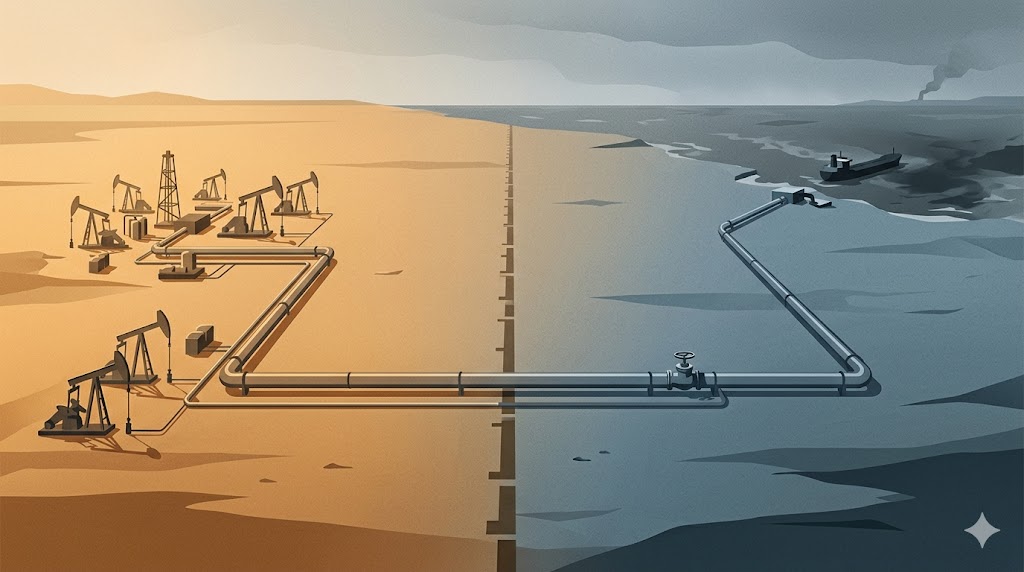
Kazakhstan’s oil still rides a Russian route
Astana keeps adjusting its output numbers. It still ships most of its oil through a pipeline that crosses Russia to the Black Sea, and that route is now a target. The exposure is built into the map.
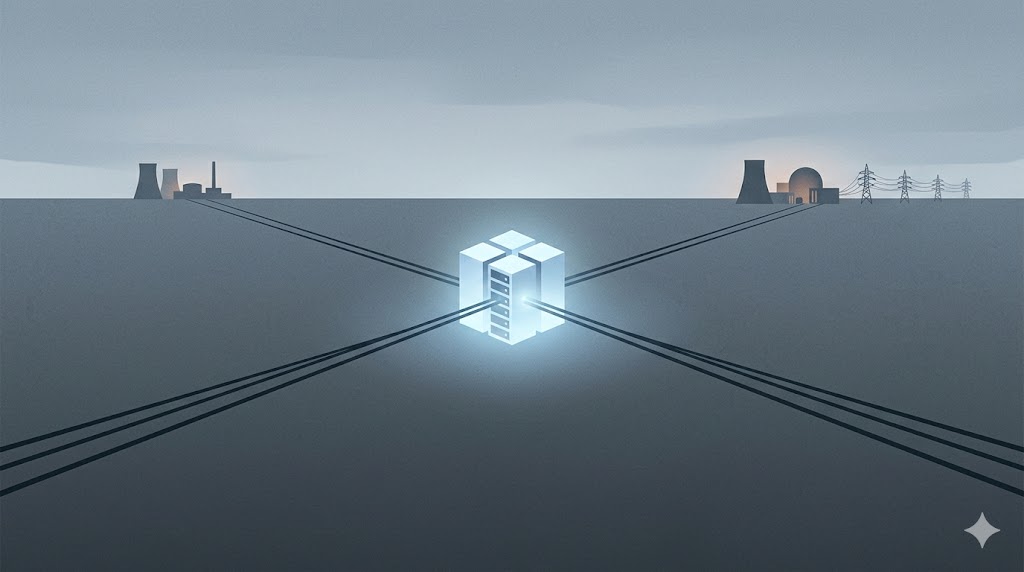
Central Asia declared an AI year. The grid will decide how far it gets
The region is racing to build digital economies, AI centres and crypto hubs. All of it needs electricity Central Asia does not yet have, which is why the same governments are courting Korea, Rosatom and Beijing for new power.

Remittances remain Central Asia’s clearest stability gauge
The fastest read on Central Asian stability is the money migrants wire home from Russia. In Tajikistan it equals almost half of GDP, which makes the ruble the region’s quiet budget line.

Central Asia’s critical minerals race: the deals outpace the mines
Central Asia keeps signing minerals deals with the West; China keeps taking the minerals. The gap now is bankability, power and processing.
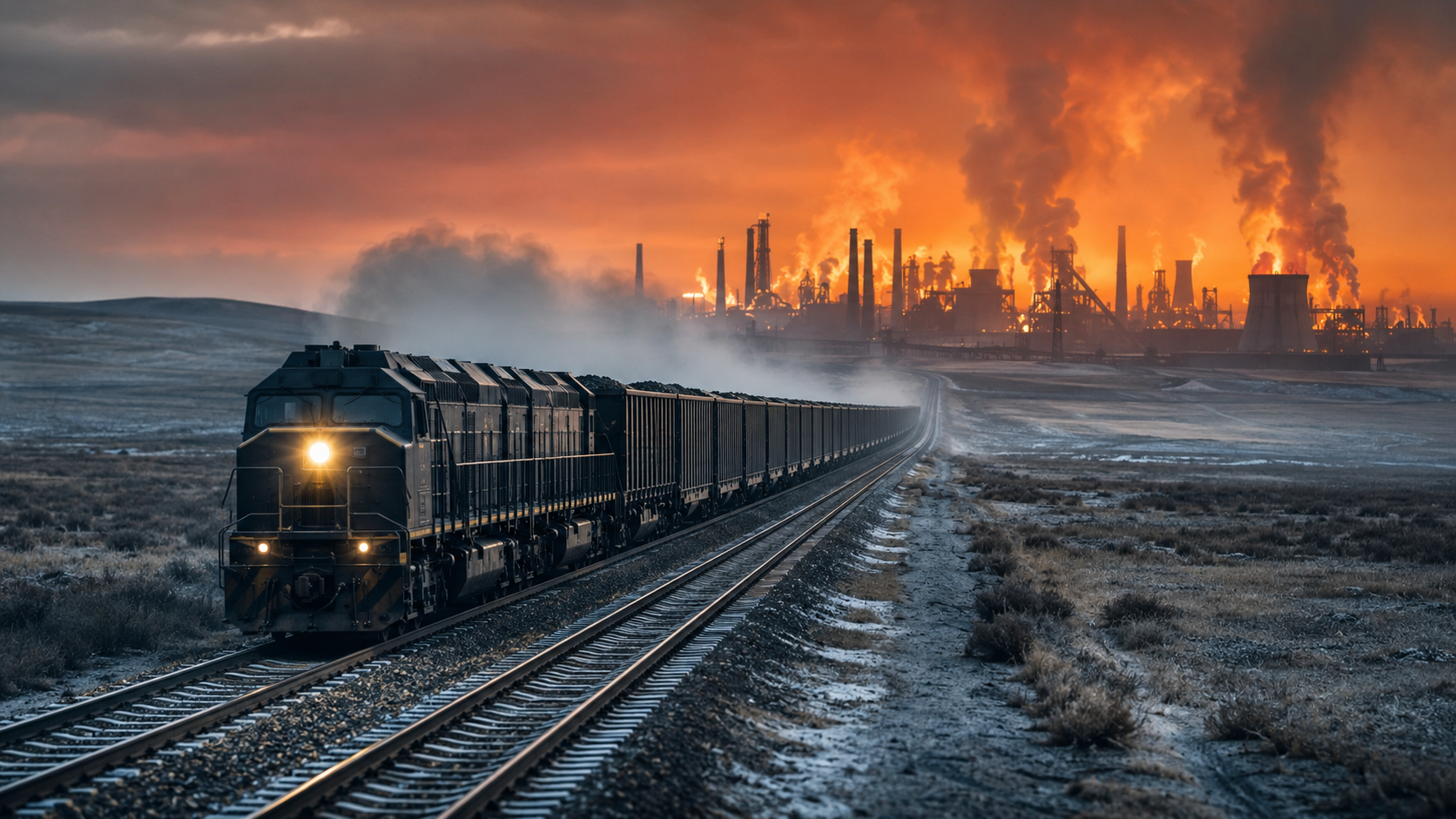
Mongolia is building a railway straight into China's steel industry, and it knows exactly what that means
83 million tonnes of coal exported to China in 2024. A new cross-border railway under construction since April 2025. $1.5 billion in additional annual revenue projected. The numbers are compelling. The dependency is real.
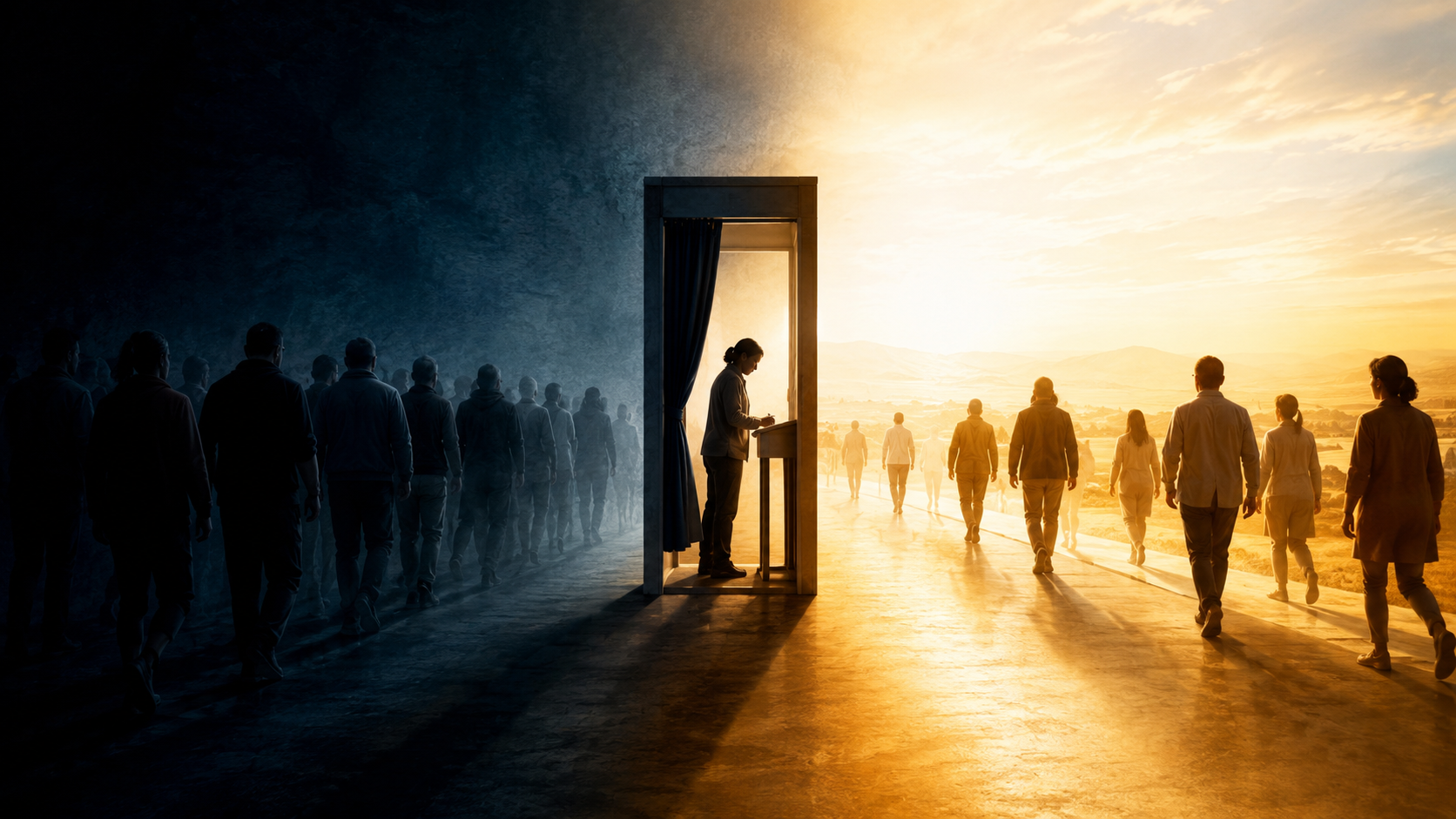
Pashinyan wins, and the margin tells the real story
The final results of Armenia’s parliamentary elections have cemented Nikol Pashinyan’s third consecutive term, but the tight mathematical metrics reveal a complex legislative landscape ahead. While his Civil Contract party secured enough seats to form a government single-handedly, it fell short of the constitutional supermajority required to reshape the country's institutional framework. The razor-thin margin shows that while voters backed his westward shift, they refused to hand him absolute domestic power.