The US-Iran memorandum of understanding was signed electronically late on 17 June and confirmed on 18 June, ending a war that began with US and Israeli strikes on 28 February. Trump signed at a dinner at the Palace of Versailles; Iranian President Masoud Pezeshkian signed separately in Tehran and posted an image of the document, calling it a message from a strong Iran; Pakistani Prime Minister Shehbaz Sharif signed as mediator in Islamabad, giving the text its informal name, the Islamabad Memorandum. The agreement takes immediate effect and starts a 60-day clock toward a final deal.
The terms matter for energy. The US will begin lifting its naval blockade in proportion to restored pre-war traffic and end it fully within 30 days, issue waivers for Iranian crude exports, and work toward terminating sanctions. Iran reaffirms it will not develop nuclear weapons, with the fate of its enriched-uranium stockpile left to the negotiation. The memo also flags a $300 billion reconstruction fund for Iran, to be financed by regional partners rather than the US directly. The hard questions, enrichment, missiles, the stockpile: sit inside the 60 days, not the signed page.
For three and a half months the closed strait made Kazakh and Turkmen oil more valuable. That is the premium now unwinding.
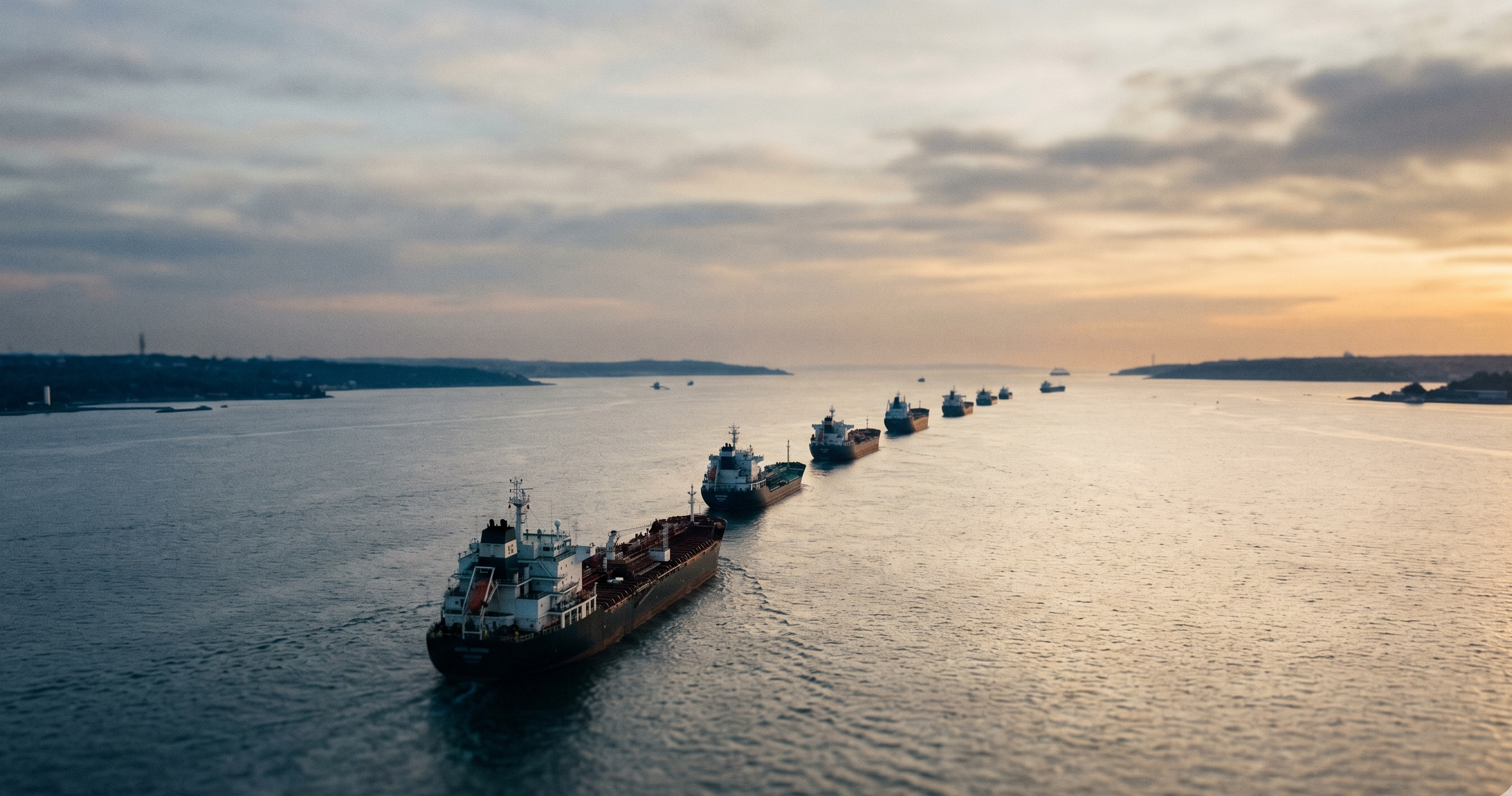
The market answered immediately. At least seven vessels transited Hormuz on Thursday, four cargo ships, a French-flagged LNG tanker and a bitumen tanker, against the three ships in 48 hours recorded mid-week. Brent fell to about $78 a barrel, still above the roughly $70 pre-war level but far below the $100-plus of the war weeks. The strait is reopening faster than the cautious reading of just two days ago suggested.
This is the story Central Asia has to read carefully, because the region was a quiet beneficiary of the war. With Hormuz shut, Kazakh and Turkmen crude, which does not transit the Persian Gulf, carried a premium and drew strategic attention as buyers hunted non-Gulf supply. Europe-to-Asia flights rerouted north over Turkmenistan, Uzbekistan and Kazakhstan, putting the region on the map in a literal sense. The C5+1 minerals push in Astana gained urgency from the same disruption. All of that rested on the strait staying closed. It is no longer closed.
The unwinding is not all loss. The same deal that erodes the premium also reopens Iran as a route. A sanctions-free Iran with functioning ports is the missing southern leg of the International North-South Transport Corridor, the path that would give landlocked Central Asia a line to the Persian Gulf and the Indian Ocean that does not run through Russia or China. Iranian transit has been throttled by sanctions for years. If the 60 days hold and the waivers become real, the corridor south becomes viable in a way it has not been for a decade.
One door closes on the wartime premium. Another opens on the route south through a sanctions-free Iran.
So the balance for Central Asia is genuinely two-sided, and worth stating plainly rather than mourning the windfall. The region loses a price advantage and some borrowed strategic spotlight. It potentially gains a working southern corridor, cheaper energy imports for the net importers, and a calmer neighbourhood. Which effect dominates depends on the 60 days: whether the blockade comes off cleanly, whether sanctions relief actually lands, and whether Iranian ports and rail can carry the traffic the corridor would need.
The war handed Central Asia an edge it did not ask for and could not control. Peace takes that edge back and offers something steadier in its place, if the agreement holds. The packs of the last week traced the premium while it lasted. Tonight it starts to fade, on schedule, the moment three men in three cities signed the same page. Watch Bürgenstock on Friday, watch the tanker count in the strait, and watch whether anyone in Astana or Ashgabat starts talking seriously about the road south.