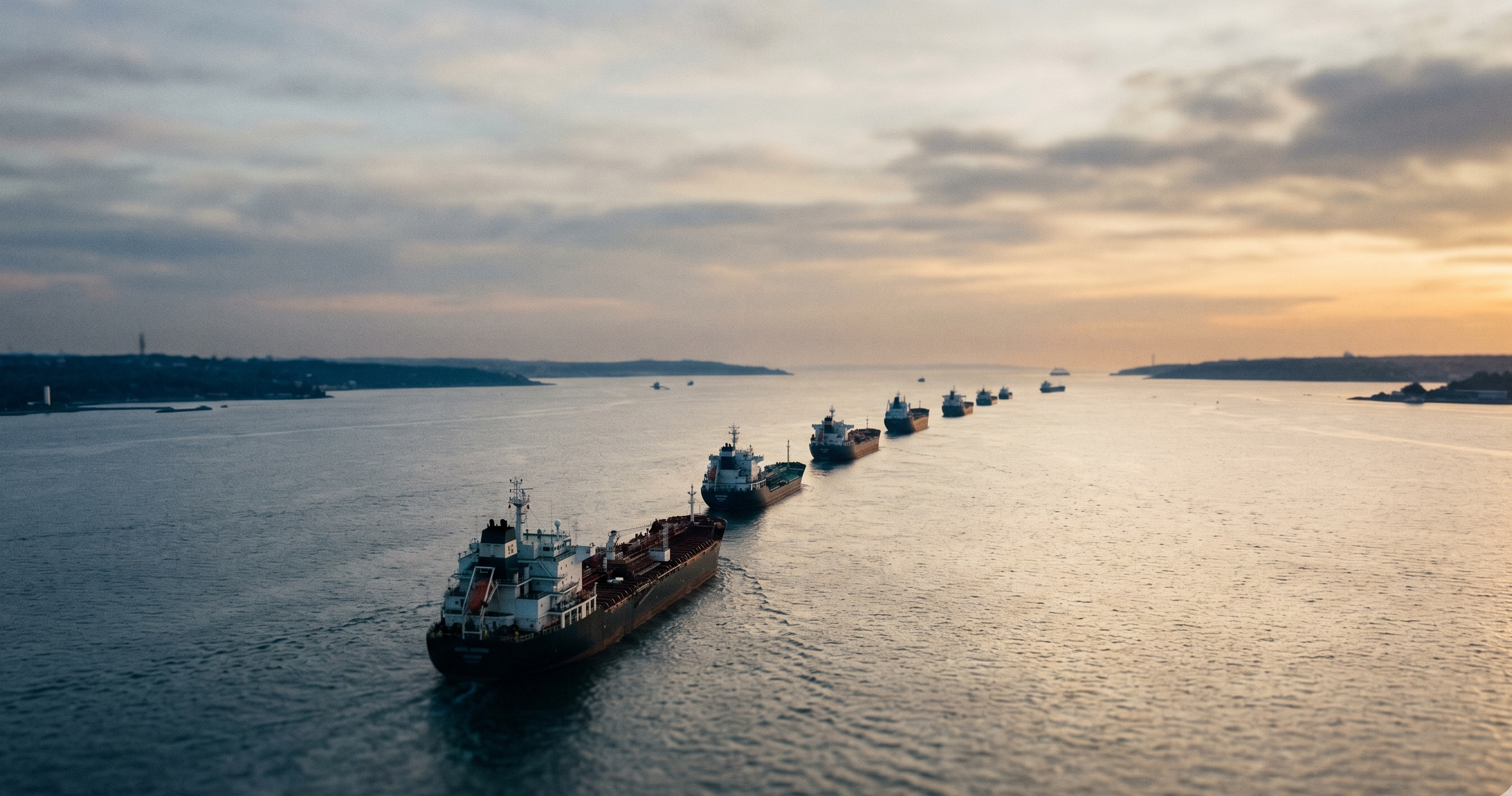
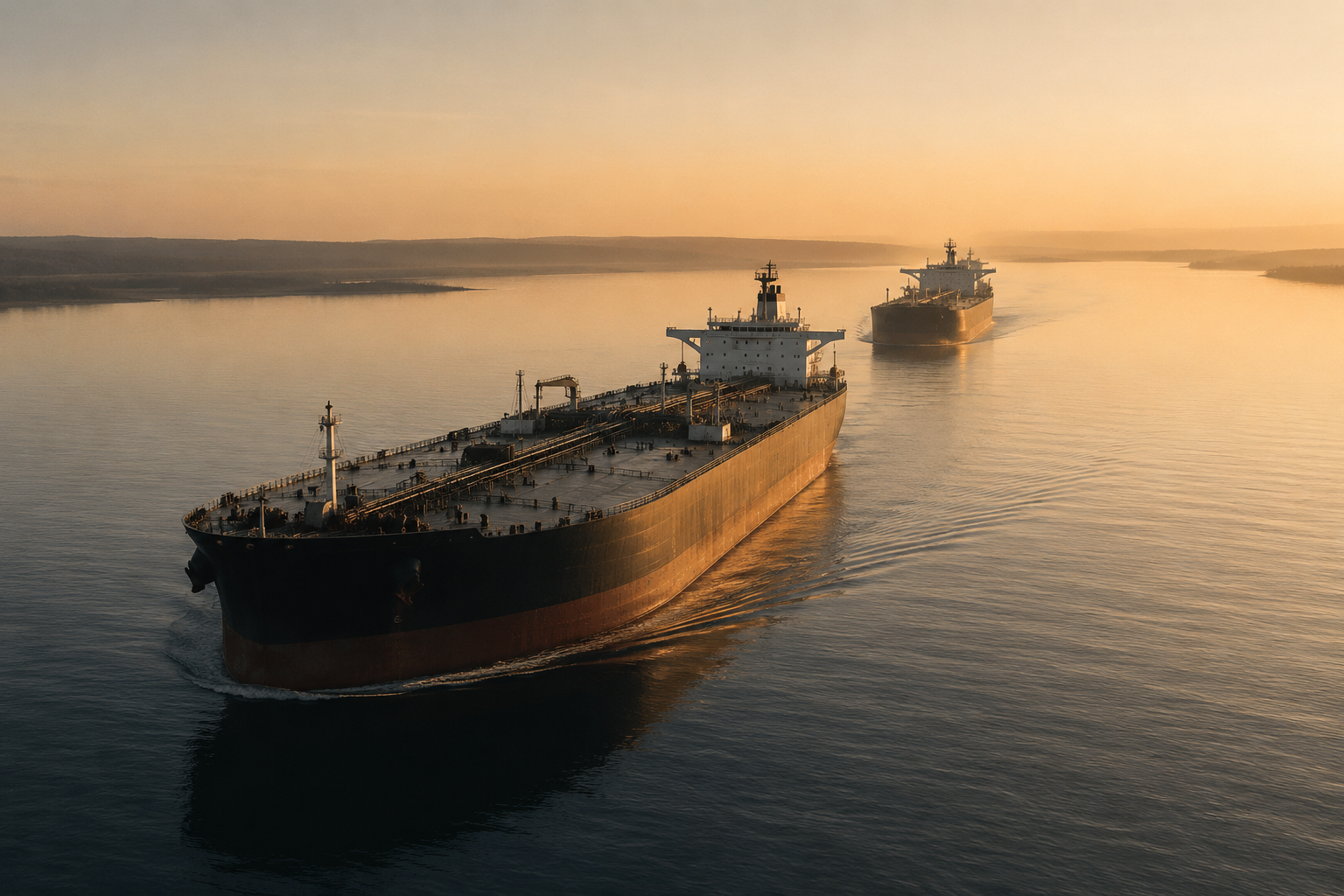
First Iranian oil tankers move through Hormuz since the blockade began
Two Iranian supertankers crossed the Strait of Hormuz on 17 June, the first crude exports to leave since the US naval blockade was imposed in April. The strait is not open — but oil is moving again, two days before the Geneva signing.

Iran deal inches toward Friday's signing, Hormuz still barely moving
The US–Iran framework agreement is on track for a Geneva ceremony on 19 June, but the Strait of Hormuz remains close to shut. Three days of pre-implementation talks in Doha separate the region's energy markets from any real relief.

The Iran deal heads toward Friday’s signing with its text unpublished and both sides claiming victory
The US and Iran are preparing to sign their interim peace agreement in Switzerland on 19 June, but the deal’s text has not been published, the two governments describe its terms differently, and shippers want to see Hormuz actually reopen before they act on it.

Central Asia’s wartime windfall ends with the war
For 100 days the closed Gulf made Central Asia’s oil more valuable and its non-Gulf routes look wise. With Hormuz reopening, the region goes back to competing on price and reliability, with less of both than it would like.
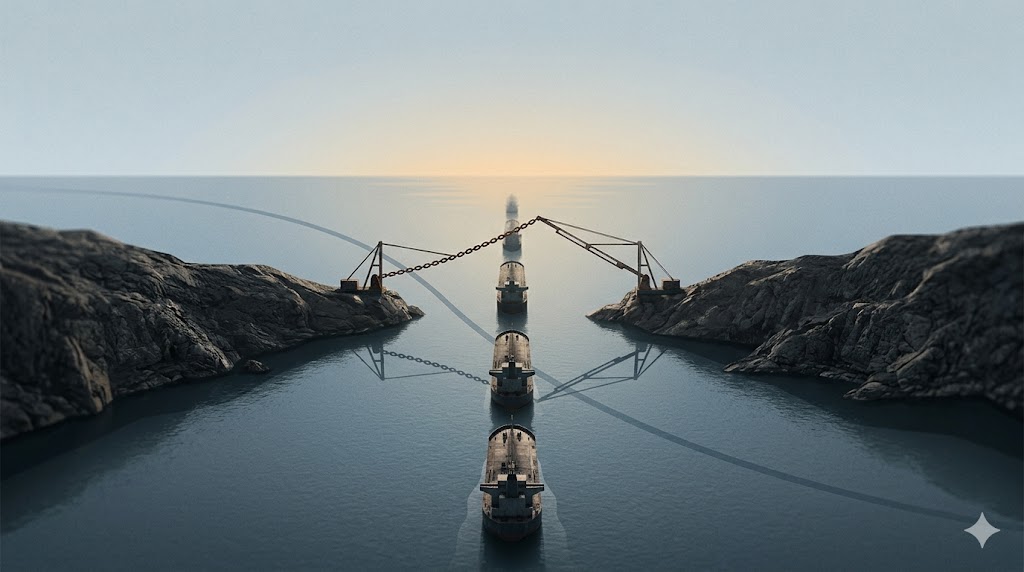
Iran and the US agree to end the war and reopen Hormuz, and oil tumbles
President Trump declared a deal with Iran complete on 14 June, set to reopen the Strait of Hormuz after more than 100 days. Oil fell below $84 on Monday, down from a wartime peak near $126. For Central Asia, the windfall is ending with the war.
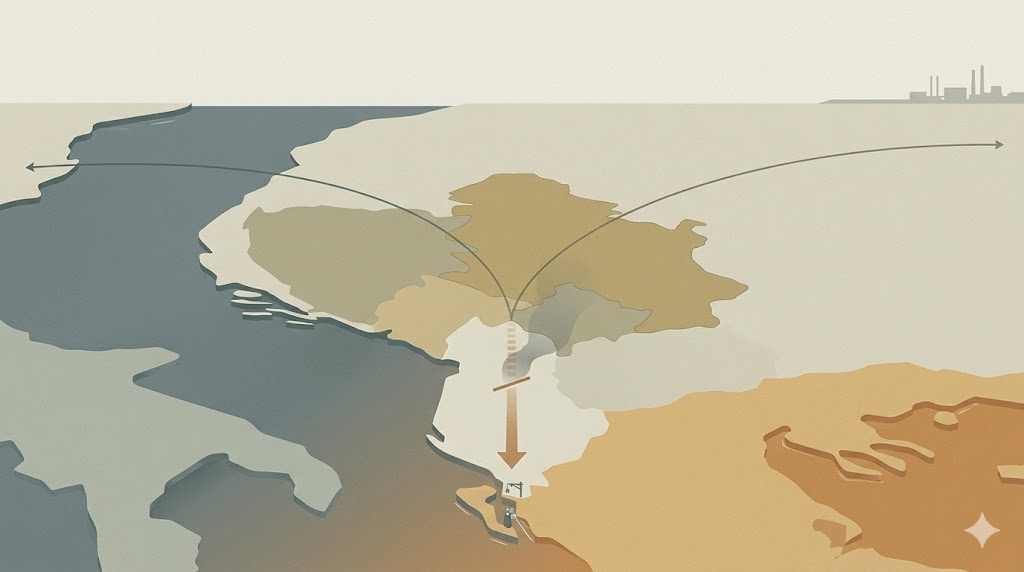
The Iran war is redrawing Central Asia’s map to the sea
Every escalation in the Gulf pushes the region’s trade further off the route through Iran and onto the corridors west and east. The war hands Kazakhstan an oil-price windfall and a bill at the same time.

The Iran war reignites and the Strait of Hormuz shuts again
Iran and the United States traded strikes again on 11 June, and Tehran declared the Strait of Hormuz closed to all shipping. For Central Asia the effects are higher prices and a southern route to the sea that is shut once more.
Kazakhstan sets its 2026 oil target at 98 million tonnes after pipeline attacks
Energy minister Yerlan Akkenzhenov said on 10 June that Kazakhstan will produce about 98 million tonnes of oil this year, below plan. Attacks on the Caspian pipeline and outages at Tengiz cost roughly 5 million tonnes.