
Central Asia Wire
Independent Central Asia Monitor
Breaking
China's fuel promise to Mongolia gets a number: 17,000 tonnes for September, and a 20-year frame around itKazakhstan pauses collecting its $5.2 billion Kashagan fine after NCOC takes the bailiff to courtBaku moves the start of work on the Trump route to 2027, 6 days before Armenia's court takes up the dealKazakhstan's energy ministry says CPC loading stopped on 2 buoys after Tuesday's drone incident and resumed after checks

Search

18 results
  1. Ashgabat tells a UN committee that drought is its greatest risk, and lists more cotton as its first short-term task
    AnalysisAnalysis9 Sept

    Ashgabat tells a UN committee that drought is its greatest risk, and lists more cotton as its first short-term task

    In its reply to the UN Committee on Economic, Social and Cultural Rights, Turkmenistan's government writes that drought carries the greatest threat to the country's socio-economic welfare, that low-water years on the Amu Darya and the Murghab are becoming more frequent, and that faster glacier melt may raise the demand for irrigation water and leave the Amu Darya basin with a substantial deficit by 2050, with a serious effect on the yield of key crops such as cotton. In the next paragraph, under the heading of the short-term outlook, the same section of the document lists an increase in cotton output as the first task, on the president's instruction of 2025. CAW has read the document, which turkmen.news reported on Wednesday.

  2. The upstream no longer asks: what the Nile's war of nerves means for the Amu Darya
    AnalysisAnalysis9 Sept

    The upstream no longer asks: what the Nile's war of nerves means for the Amu Darya

    On 9 September the Grand Ethiopian Renaissance Dam turns one and Tajikistan turns 35. The dates share a plot: a poor upstream state builds the largest thing it has ever built on a river the downstream lives by. Egypt answered with letters to the Security Council and got a year of arguments about floods. Uzbekistan answered with a railway, a gas valve and a decade of threats, then settled for a 20-year tariff with the World Bank's money behind the dam. On the Amu Darya's other bank a third builder has taken the Ethiopian script line for line, and there is no bank, no tariff and no treaty with which to buy it.

  3. On the map in your pocket, Russia is 10 Central Asias. On the ground it is 4.3
    AnalysisAnalysis7 Sept

    On the map in your pocket, Russia is 10 Central Asias. On the ground it is 4.3

    The UN General Assembly voted on Friday to push the world's maps away from Mercator, for Africa's sake. CAW ran the same arithmetic across Eurasia: the standard web map hands Russia a latitude premium that doubles its visual weight against Central Asia, and hands Central Asia a premium of its own against every neighbour to its south and east. Correcting the map takes the northern half of that bargain away.

  4. The remittance machine gets a new price list
    AnalysisAnalysis2 Sept

    The remittance machine gets a new price list

    From 1 September a migrant in Moscow carries a phone that reports where he sleeps, pays 10,000 roubles a month for the right to work, and sends money home over rails the EU has started to sanction. The money keeps coming. What changed is what each dollar of it now costs.

  5. The rule leaves, the money stays
    AnalysisAnalysis31 Aug

    The rule leaves, the money stays

    COP17 closed with $1.3 billion in restoration and drought finance and no drought framework. The instrument fight moves to Egypt in 2028, and Central Asia spends the pause competing for discretionary money it helped argue into existence.

  6. At the drought conference, the money moves and the rule does not
    AnalysisAnalysis25 Aug

    At the drought conference, the money moves and the rule does not

    The UN desertification conference in Ulaanbaatar marked its Water Day on 25 August. The Asian Development Bank announced a target the same day: at least $2 billion by 2035 for land restoration across Asia and the Pacific. The one text at that conference that would bind anybody, a drought regime, is deadlocked with three days left.

  7. The corridor through Armenia acquires a second cargo
    AnalysisAnalysis12 Aug

    The corridor through Armenia acquires a second cargo

    Ilham Aliyev says the project to run power lines to Nakhchivan across Armenian territory is ready, and that large electricity exports will follow. A route agreed as a road and a railway is being loaded, on one side's drawings, with a grid.

  8. Georgia's surrogacy boom runs on women recruited from Central Asia
    AnalysisAnalysis7 Jul

    Georgia's surrogacy boom runs on women recruited from Central Asia

    An Oxford study published on 16 June maps a quiet labour chain. Clinics in Georgia, short of local surrogates since 2022, now recruit women from Kazakhstan, Uzbekistan, Tajikistan and Kyrgyzstan through Instagram and TikTok. The pregnancies are sold as paid work, and the controls around them sit outside the law.
  9. Kyrgyzstan has passed a full year’s mudflows in six months, and the bill lands on infrastructure
    AnalysisAnalysis2 Jul

    Kyrgyzstan has passed a full year’s mudflows in six months, and the bill lands on infrastructure

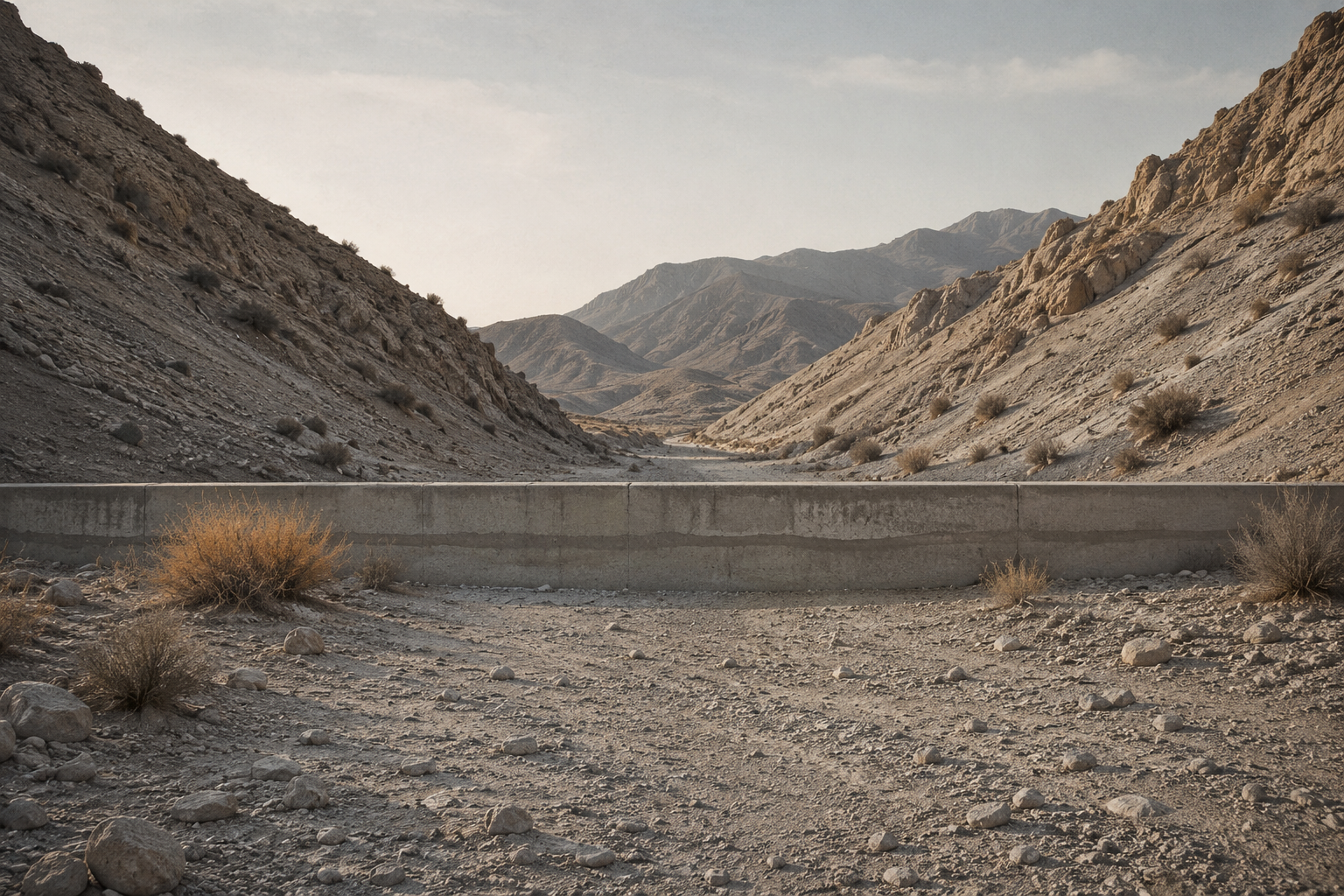
    Kyrgyzstan logged more than 240 mudflows in the first half of 2026, already past the 133 recorded in all of 2024. The emergencies ministry ties the surge to heavier, less predictable rain. The deeper story is what a warming climate does to a mountain state that cannot afford to armour its roads, rivers and grids fast enough.
  10. The new charter builds a succession machine, and its first parts are already turning
    AnalysisAnalysis1 Jul

    The new charter builds a succession machine, and its first parts are already turning

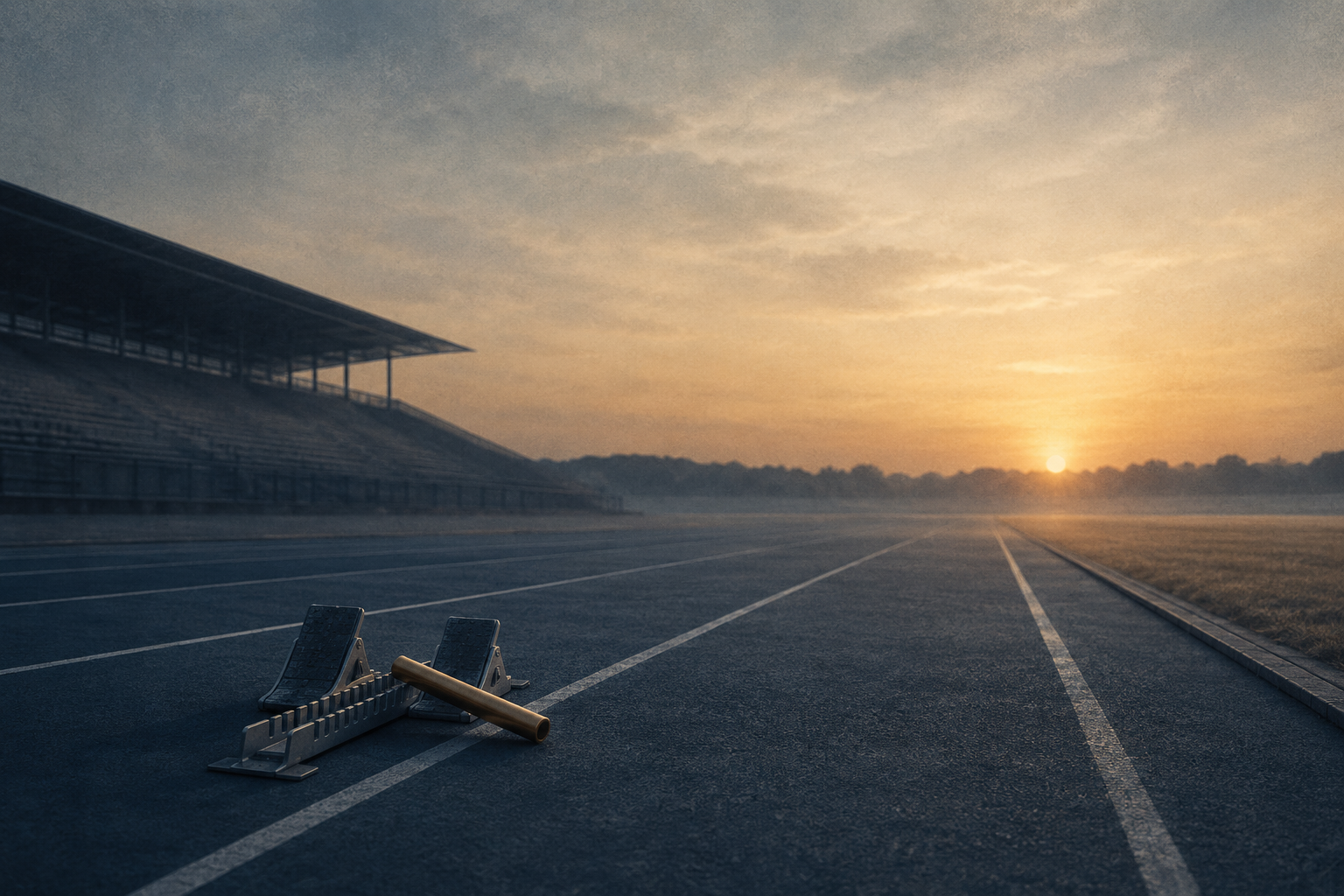
    The constitution that takes effect today brings back the vice presidency, an office abolished in the 1990s and now written as the route by which presidential power would pass. Tokayev says he is not going early. The machine is being assembled anyway, and the first personnel move came this week.
  11. Uzbekistan offers Beijing the value-chain deal Kazakhstan offered Brussels
    AnalysisBrief24 Jun

    Uzbekistan offers Beijing the value-chain deal Kazakhstan offered Brussels

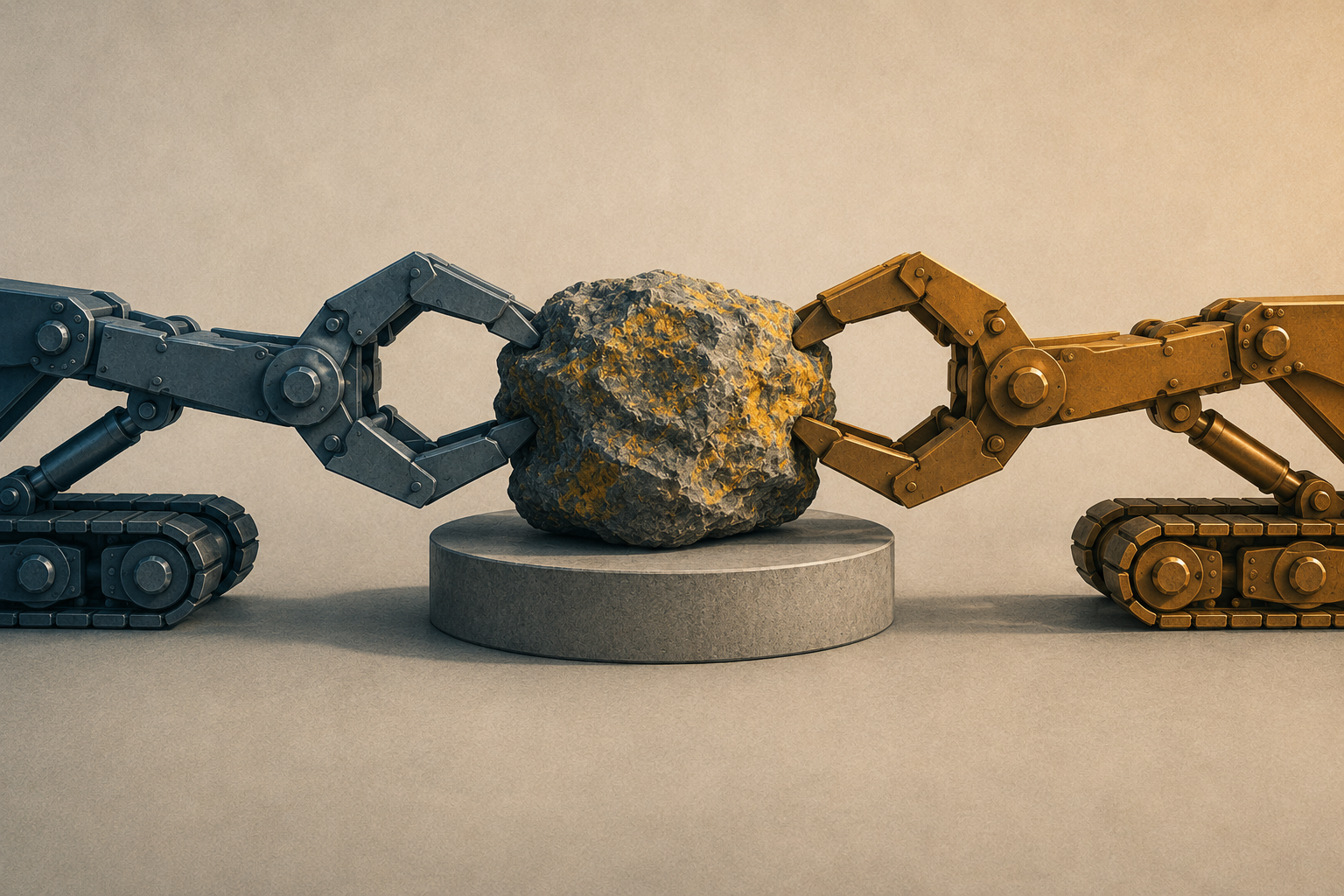
    As Tokayev pressed Brussels to process Kazakh minerals inside Kazakhstan, Tashkent was making the same case to Chinese state firms. Two rival buyers are hearing one regional pitch: build the value chain here. Uranium runs through both.
  12. Kazakhstan and the EU signed five agreements in Brussels. The value is in which ones get built
    AnalysisAnalysis24 Jun

    Kazakhstan and the EU signed five agreements in Brussels. The value is in which ones get built

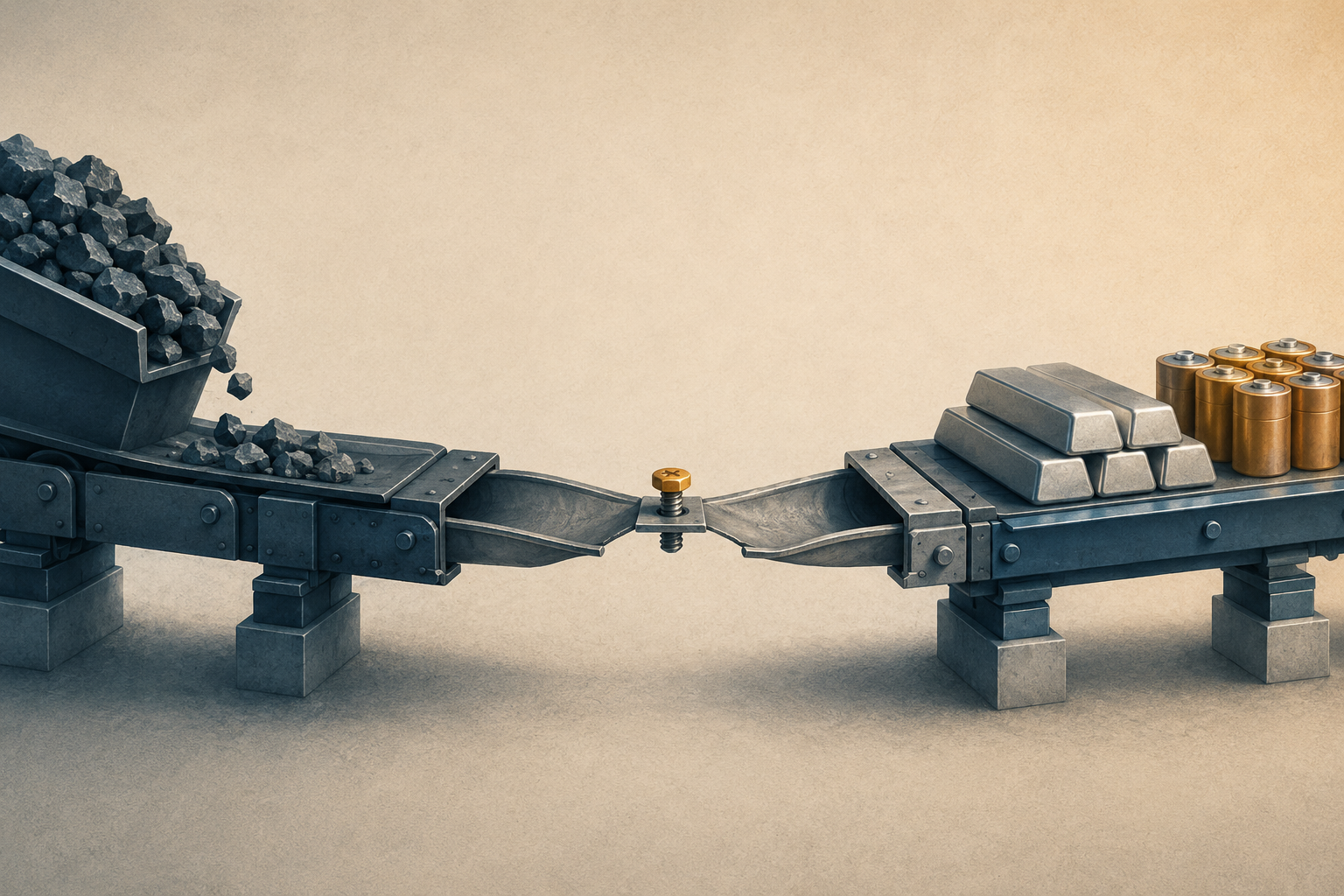
    Tokayev flew home from Brussels with a joint statement, a horizontal aviation agreement, a €7.1 billion Airbus order and a pledge to move Kazakhstan up the minerals value chain. After five years of EU and Kazakh frameworks, the signing is the part that comes easily.

  13. What the EBRD Is Bringing to Riga — and What Central Asia Should Watch
    AnalysisAnalysis3 Jun

    What the EBRD Is Bringing to Riga — and What Central Asia Should Watch

    The Bank's 35th Annual Meeting opens Thursday. For the region, three things matter: the new Regional Economic Prospects, the Aktau port investment, and the signal on Trans-Caspian financing.
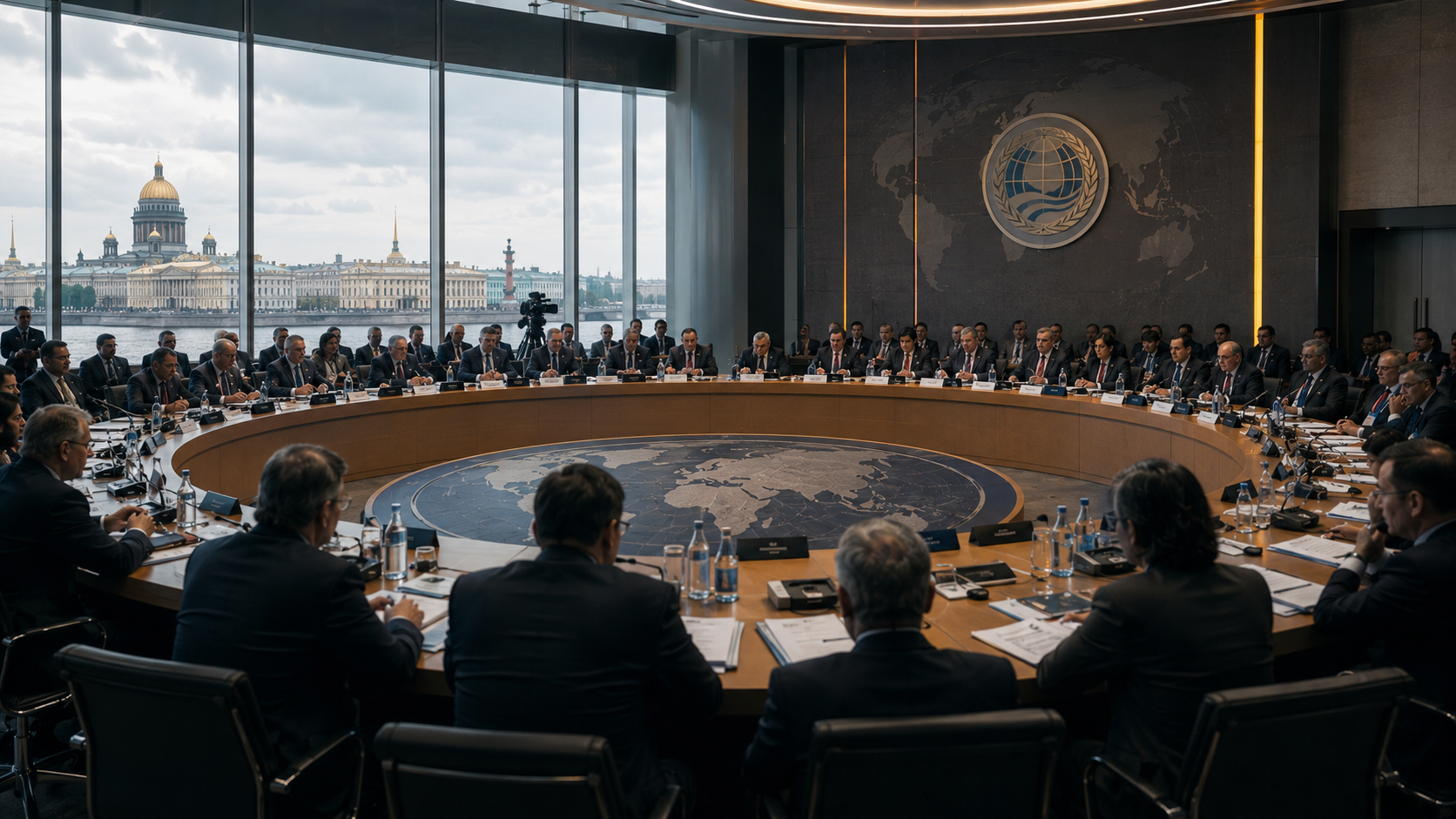
  14. The SCO at 25
    AnalysisAnalysis2 Jun

    The SCO at 25: A Quarter-Century of Summits, Zero Kilometres of New Railway

    The anniversary session in St. Petersburg today will celebrate what the organisation has become. The Central Asian members are more interested in what it might finally build
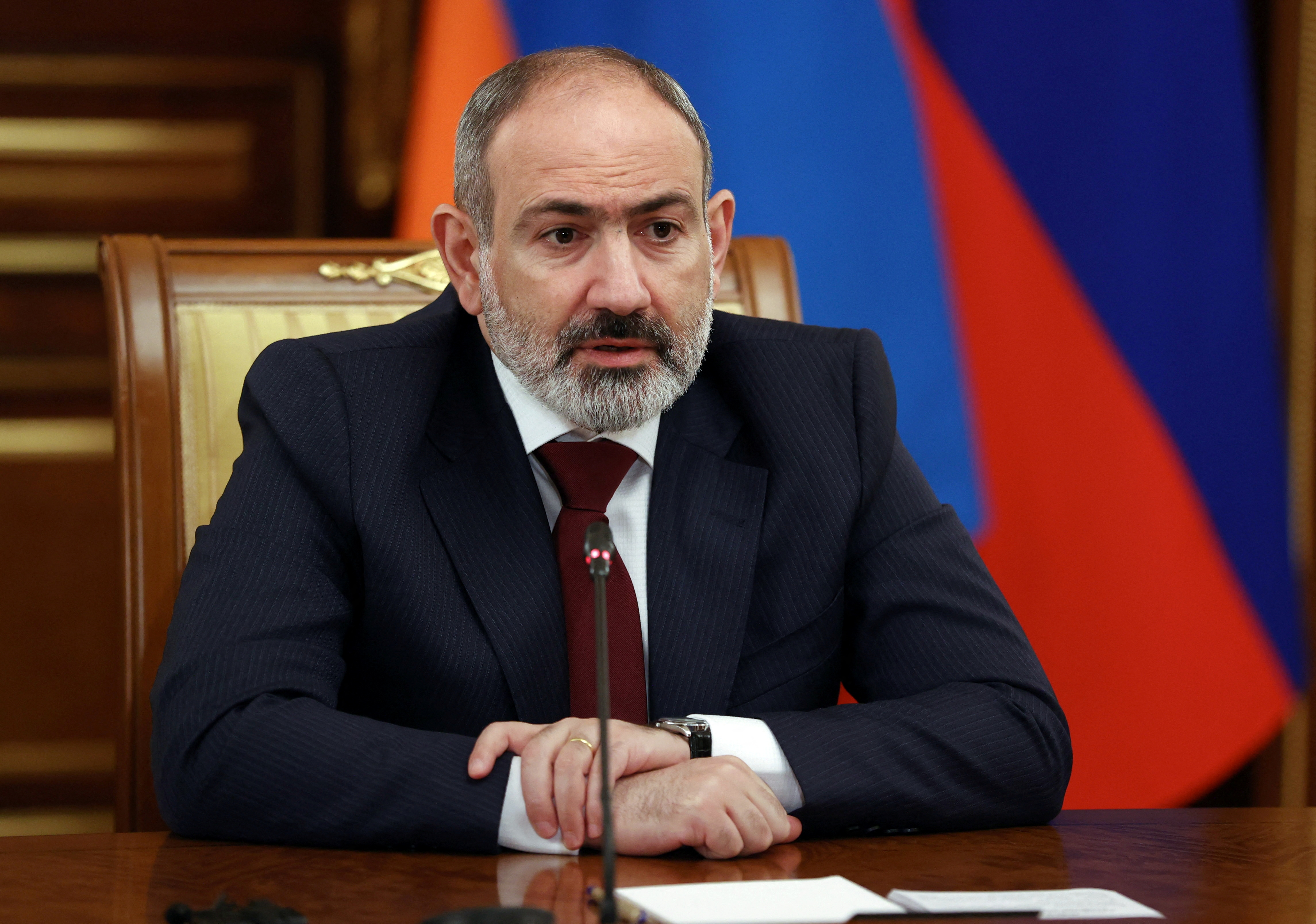
  15. Armenian Prime Minister Nikol Pashinyan
    AnalysisAnalysis26 May

    Twelve Days to Go: What Armenia's Election Is Actually About

    June 7 is framed as a geopolitical choice between Russia and Europe — but the campaign reveals a messier domestic reality
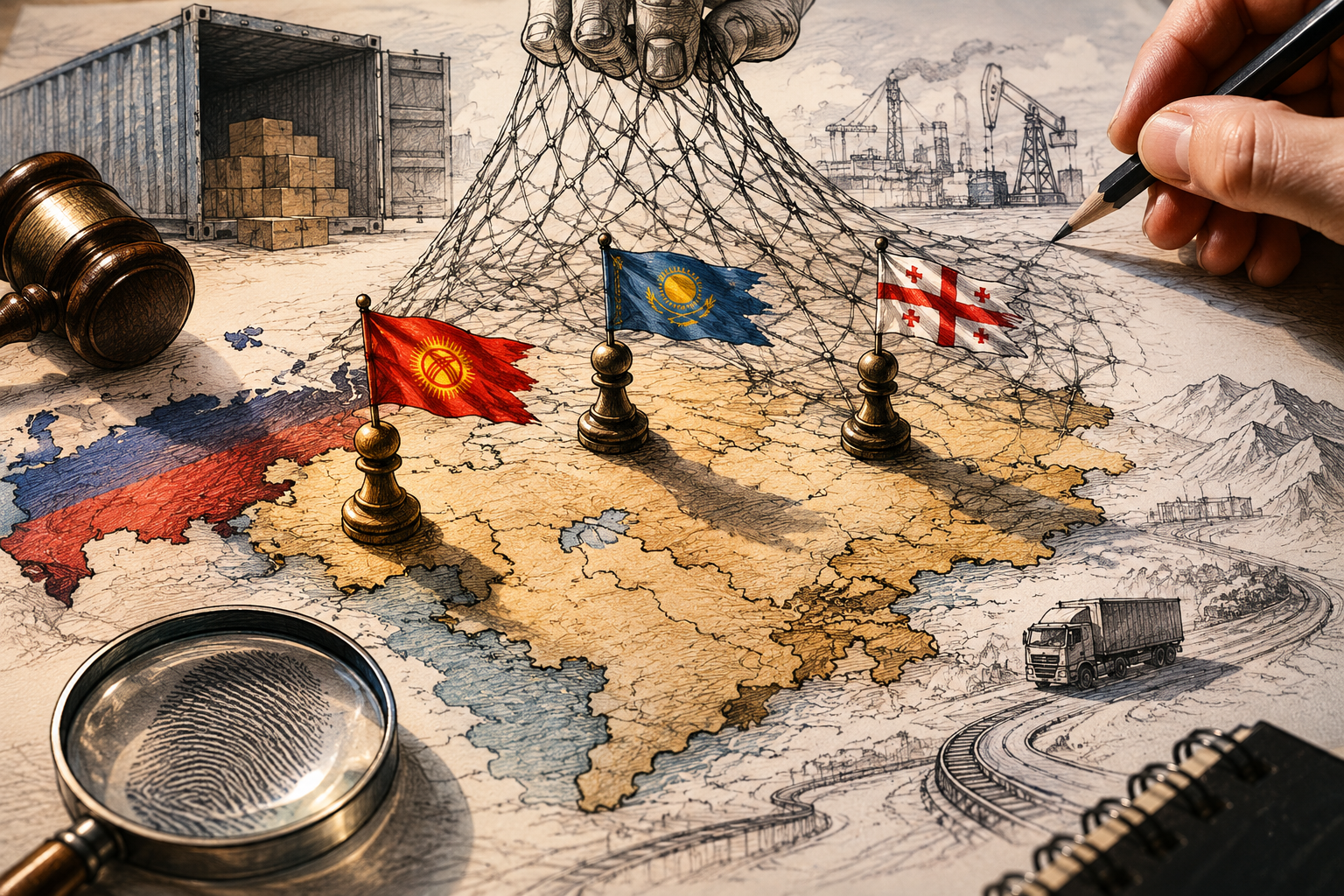
  16. Central Asia's Sanctions Week
    AnalysisAnalysis21 May

    Caught in the Net: Central Asia's Sanctions Week

    Kyrgyzstan shuts down 50 companies, Kazakhstan sues Rosatom, Georgia's elites move assets offshore — three stories, one pressure front
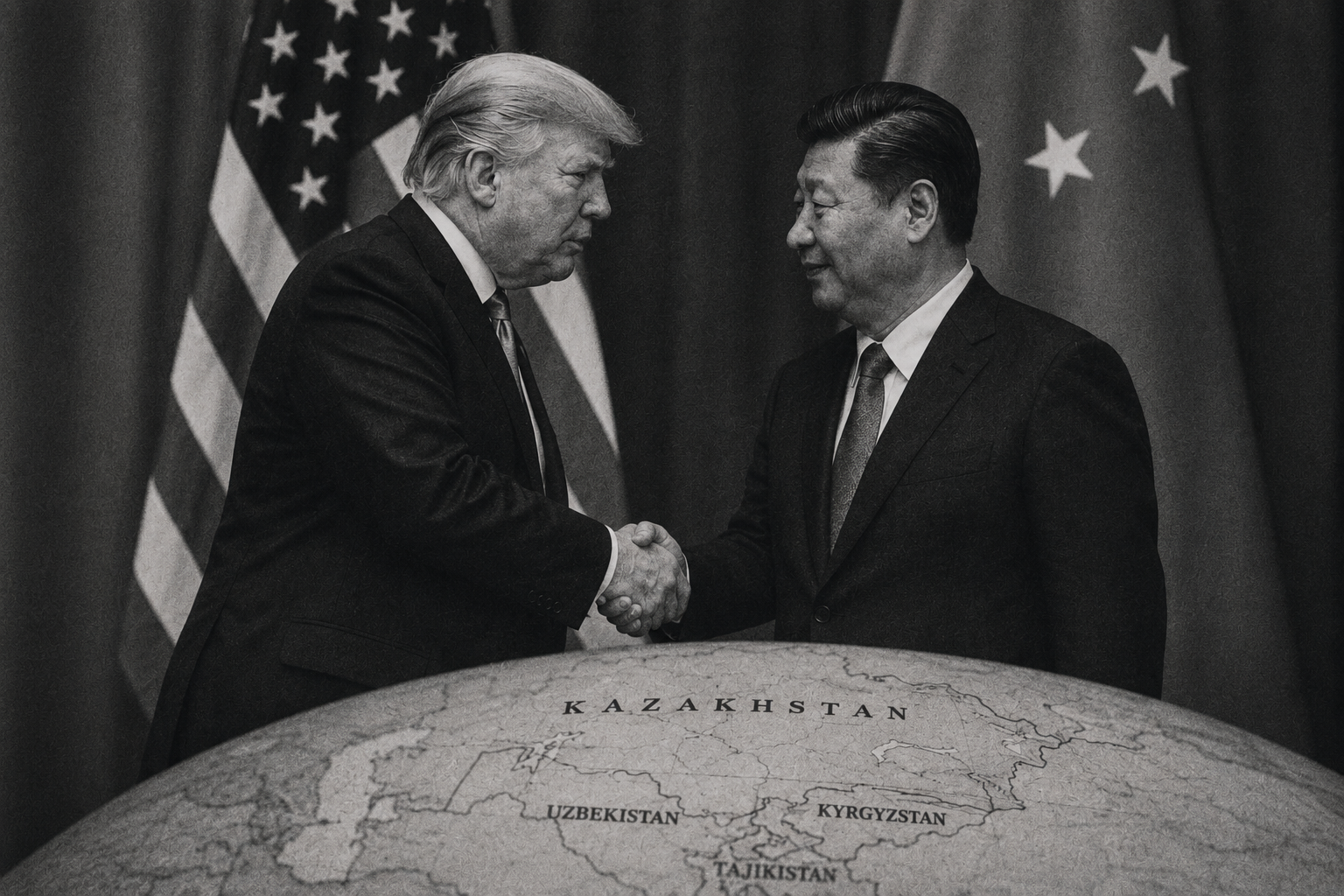
  17. US President Donald Trump left for China on Wednesday for a high-stakes summit with Chinese President Xi Jinping Read more at httpsenglish.mathrubhumi.comnewsworldtrump-xi-beijing-summit-2026-analysis-a5mvnwal
    AnalysisAnalysis14 May

    Between Beijing and Washington: What the Trump–Xi Summit Means for Central Asia

    As two superpowers negotiate in Beijing, the region that sits between them is watching — and quietly calculating its next move
  18. Tajikistan and China Sign New Agreements
    AnalysisAnalysis13 May

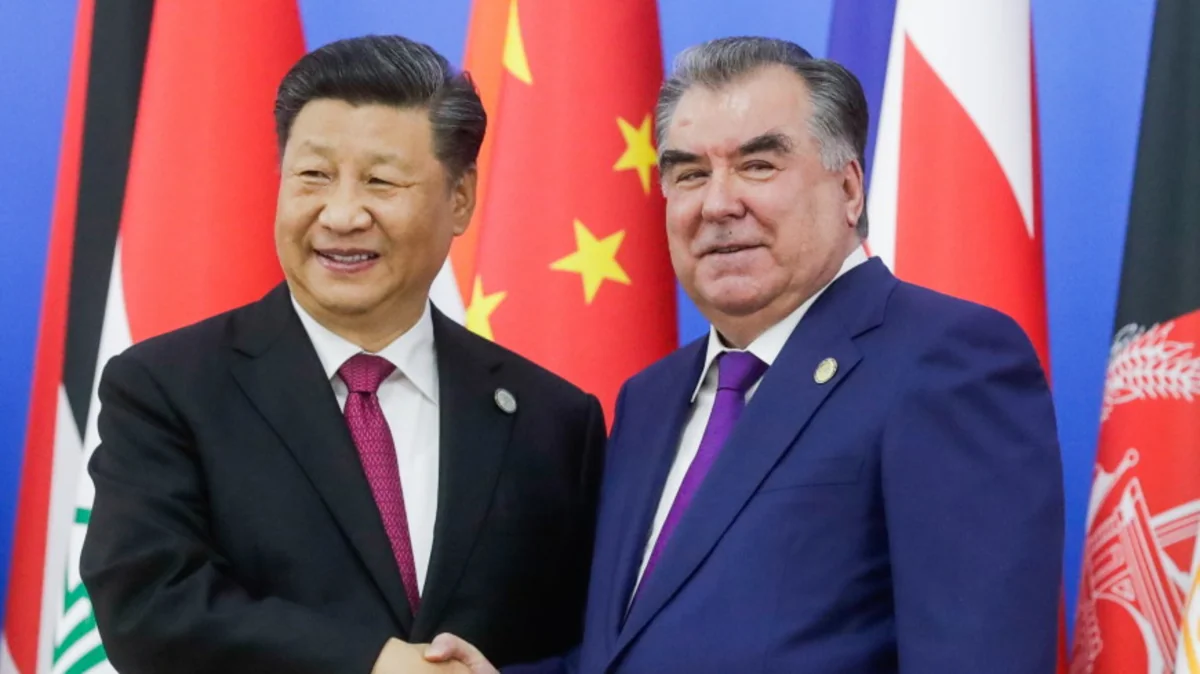
    Tajikistan and China Sign New Agreements — What Dushanbe Is Getting, and What It Is Giving Up

    The latest round of bilateral deals deepens an already significant dependency. The question is whether Tajikistan had a better option.