Search
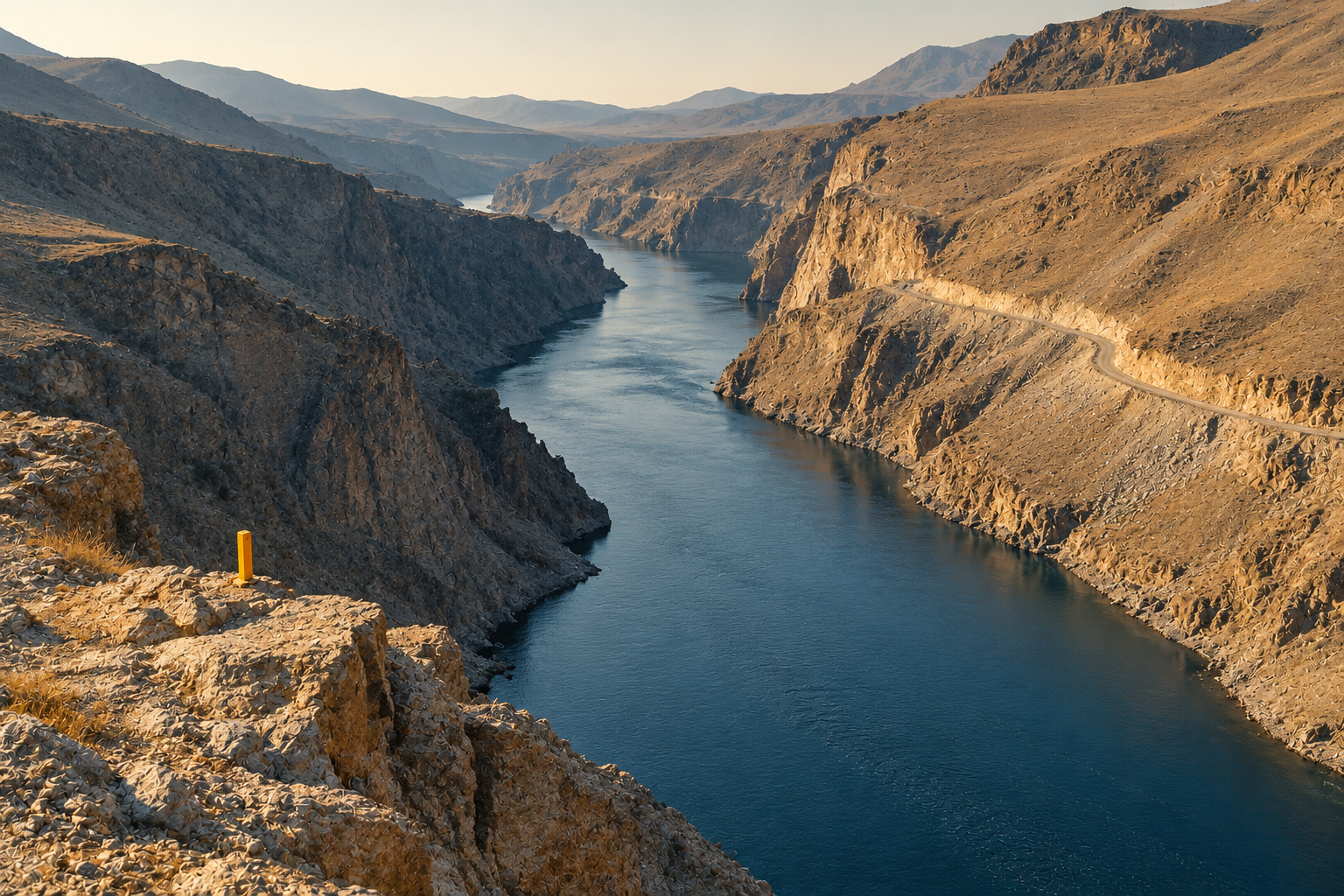
Japarov says Kambar-Ata-1 may start in 2027 or 2028 and take five to six years to build
Preparatory work on the Kambar-Ata-1 hydropower plant is complete and construction could begin in 2027 or 2028 and take five to six years, President Sadyr Japarov told residents of Tash-Kumyr and Kara-Kul in Jalal-Abad region, 24.kg reported on Saturday. The plant on the Naryn is a project of Kyrgyzstan, Kazakhstan and Uzbekistan, with three units totalling 1,860 megawatts and an estimated cost of $4.2 billion.

Novak counts three diesel tankers at sea and a 500,000 tonne October export allowance
Three tankers of Russian diesel are at sea toward what Deputy Prime Minister Alexander Novak called the eastern coast of the Atlantic, with Rosneft supplying most of the fuel, he said on Friday, adding that companies may export 500,000 tonnes in October under an eased ban. A Republican congressman has filed a bill to revoke the US licence that admits the cargoes.

Four governments approve the Black Sea cable study and GECO puts the cost at €22.1 billion
The feasibility study for the Caspian to Black Sea to Europe green energy corridor is complete and approved by the governments of Azerbaijan, Georgia, Romania and Hungary, the project company GECO said in an investment presentation reported by APA on Saturday. The company puts total investment at about €22.1 billion and plans three high-voltage direct current lines of 1.3 gigawatts each, the first in 2032.
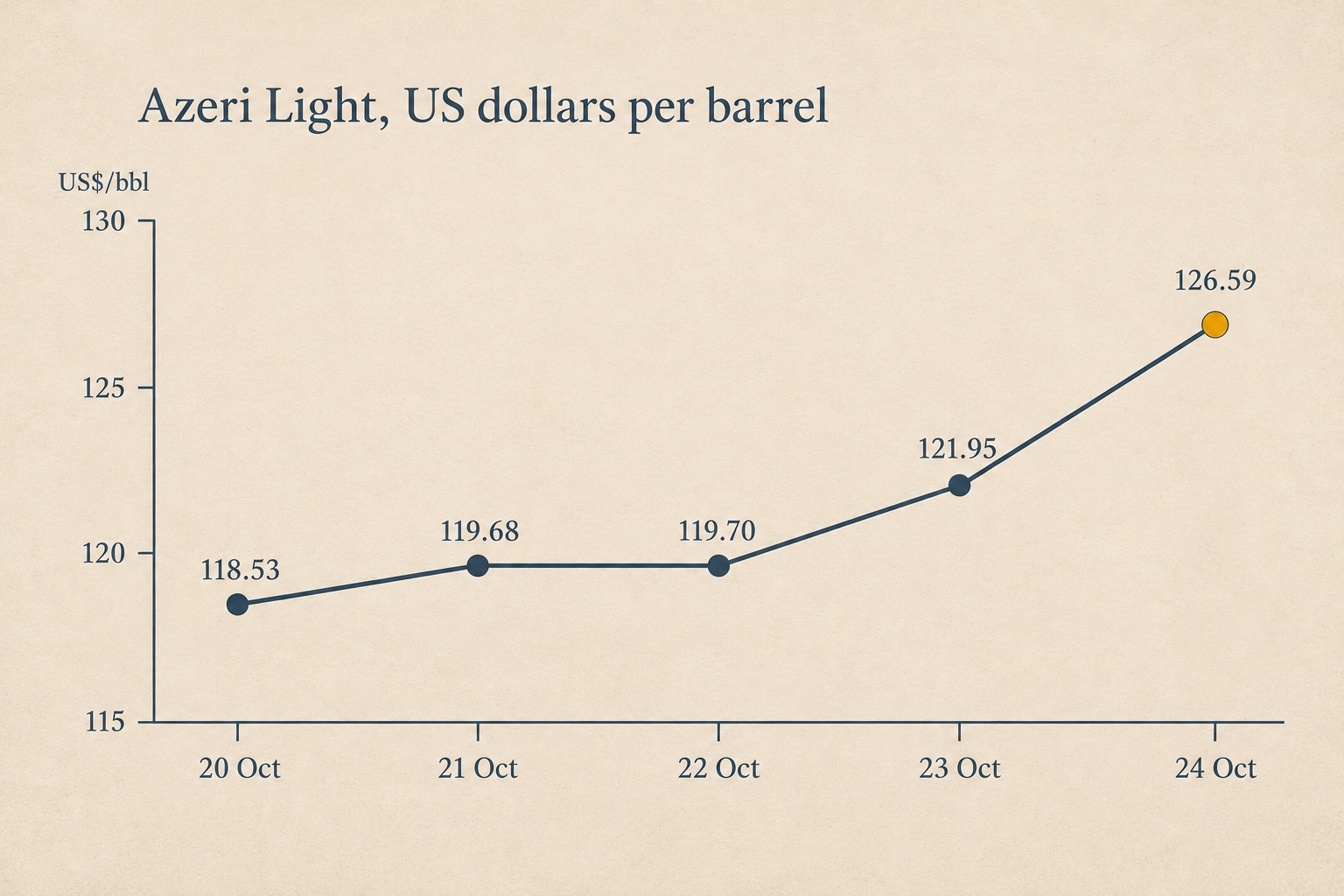
Azeri Light ends the week at $126.59 after a 3.8 percent jump on Saturday
Report.az’s Saturday print put Azeri Light at $126.59 a barrel, up $4.64 on Friday’s print and the largest single step of the week. Over the four prints since Monday’s $118.53 the grade has gained 6.8 percent by CAW’s arithmetic. Azerbaijan’s budget for this year assumes $65.
Kazatomprom calls a second shareholder vote on supplying uranium to Rosatom’s Uranium One
Kazatomprom’s board will put the natural uranium supply contract with Uranium One, a Rosatom subsidiary, to shareholders again after a first vote went against it, with absentee voting from 25 November to 9 December. In Tashkent, Rosatom’s director general Alexei Likhachev said the company fears no competition for Uzbekistan’s next reactors and will offer its services.
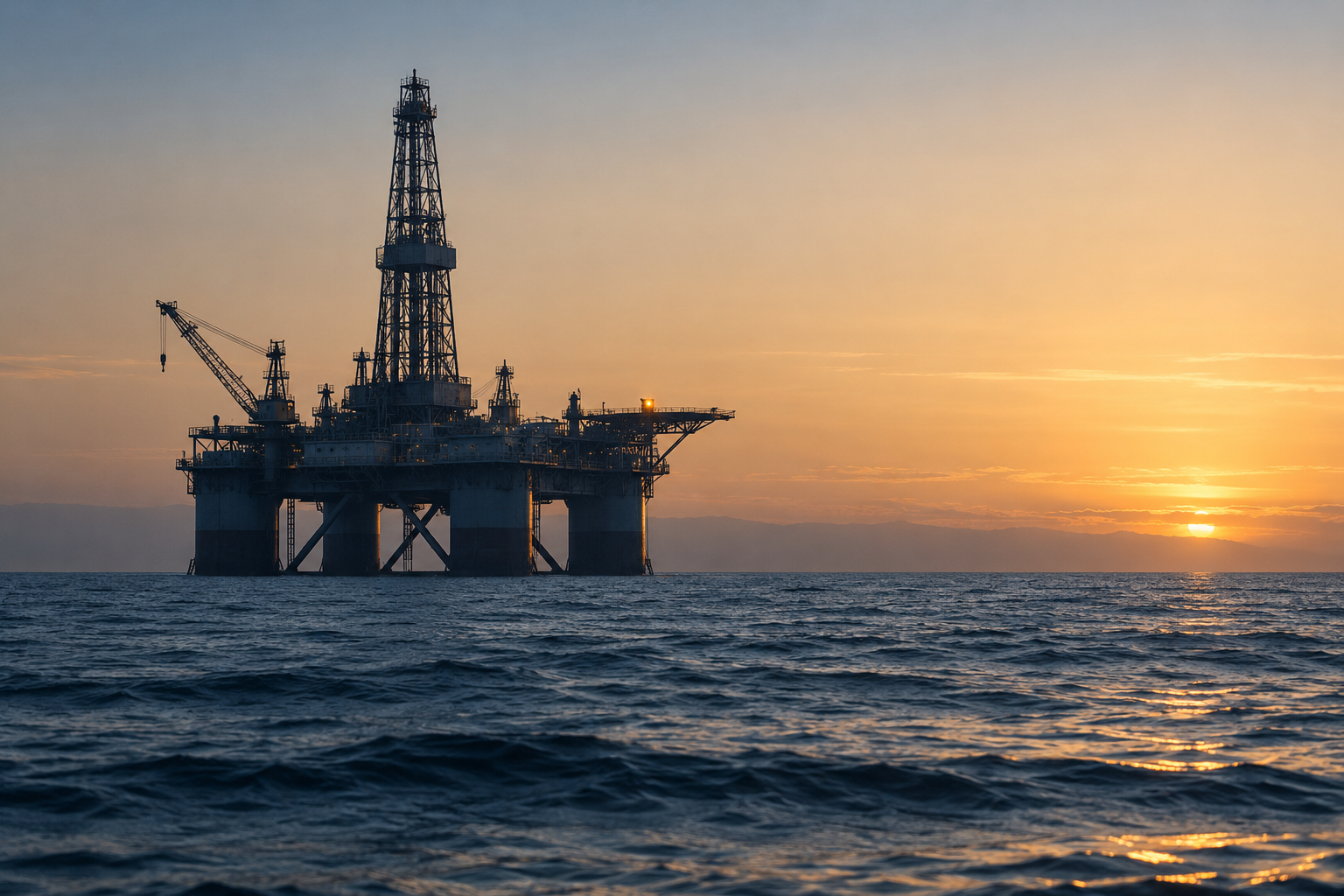
Turkmennebit and CNOOC sign on Caspian blocks among five OGT documents with no sums
After the second day of Oil and Gas of Turkmenistan 2026 on 22 October the state concerns signed five documents: a Turkmennebit memorandum with CNOOC on blocks in the Turkmen sector of the Caspian, a services memorandum with Malaysia’s MPRC and three pipe-supply contracts with plants in Tashkent, Tianjin and Kazakhstan, News Central Asia reported. No values were published.

Kyrgyz ministry puts smart meters at 5 kilowatts after complaints of a 3 kilowatt cap
Inspections of addresses after complaints about a 3 kilowatt ceiling found smart meters set at 5 kilowatts, Energy Minister Altynbek Rysbekov told a plenary session of the Jogorku Kenesh, AKIpress reported at 08:44 Bishkek on 23 October. On 21 October the same minister had described a temporary peak-hour cut from 5 to 3 kilowatts, which CAW reported on 22 October.

Kyrgyzstan keeps its 3 kilowatt peak-hour limit until the Kara-Keche plant runs in 2029
Energy Minister Altynbek Rysbekov told the Jogorku Kenesh on 21 October that limits on household electricity at peak hours will be lifted in 2028 to 2029, once the Kara-Keche thermal power plant is finished at the end of 2028 and commissioned in 2029. Smart meters now cut the ceiling from 5 to 3 kilowatts at morning and evening peaks, and the country imports about 4 billion kilowatt-hours a year.
TAPI’s Herat section is 80% built and has two commissioning dates at the Ashgabat forum
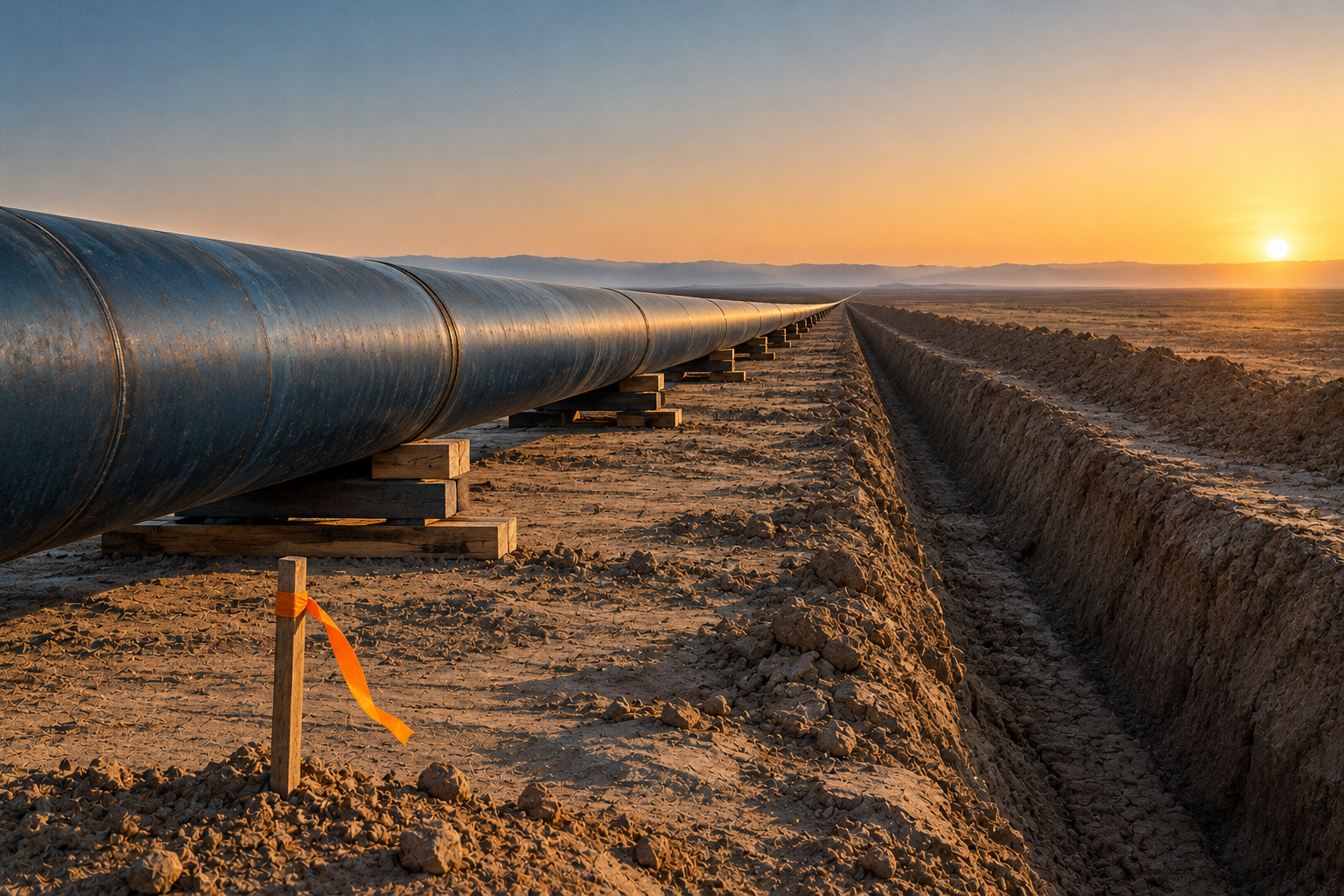
The 31st Oil and Gas of Turkmenistan conference opened in Ashgabat on 21 October with Galkynysh’s fourth phase, the TAPI pipeline and a Malaysian offshore deal as the government’s headline items. TAPI’s chief executive put the Serhetabat to Herat section at about 80% complete and due by the end of 2026. Turkmengaz’s chairman gave 2027 for the same section.
BP starts offshore construction on the $2.9 billion Shah Deniz Compression project
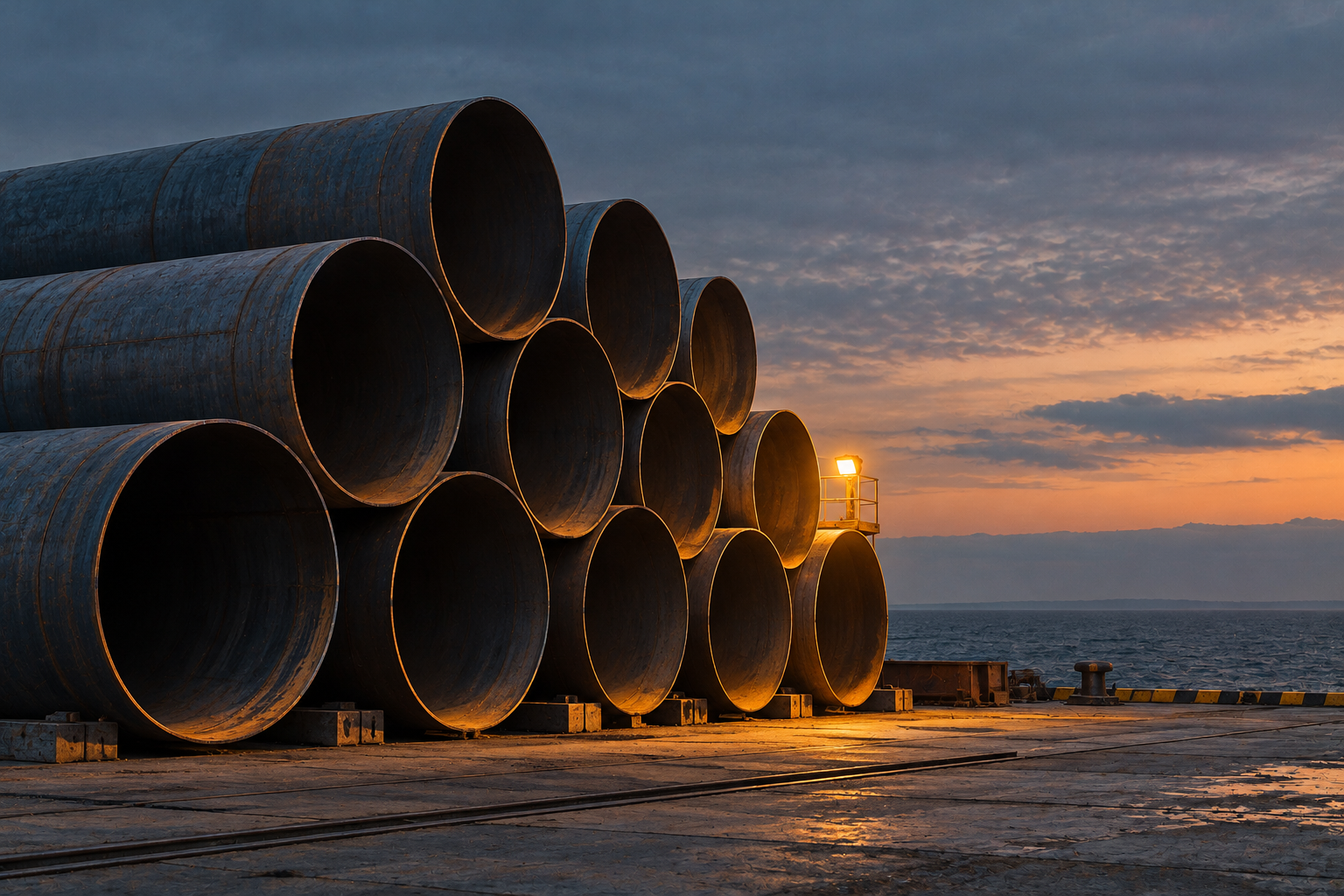
Four piles about 70 metres long and 292 tonnes each now stand where the compression platform’s jacket is to be installed in the first half of 2028, BP Azerbaijan said on Tuesday in the Baku agency Report’s account. The platform is to recover about 50 billion cubic metres of gas and 25 million barrels of condensate, and Azeri Light sold at $118.53 the same morning.
Serdar Berdimuhamedov greets OGT-2026 with Galkynysh’s fourth phase and the Herat pipeline
The 31st Oil and Gas of Turkmenistan conference opens in Ashgabat on Wednesday 21 October for three days under the motto “Energy. Partnership. Progress.” The president’s greeting, which the state portal published on Tuesday night, names the fourth stage of Galkynysh started in April, the Serhetabat-Herat pipeline at its final stage and the Caspian licence blocks, and gives no figure.
Azerbaijan’s crude exports fell 6.9% in volume and rose 13% in value over nine months
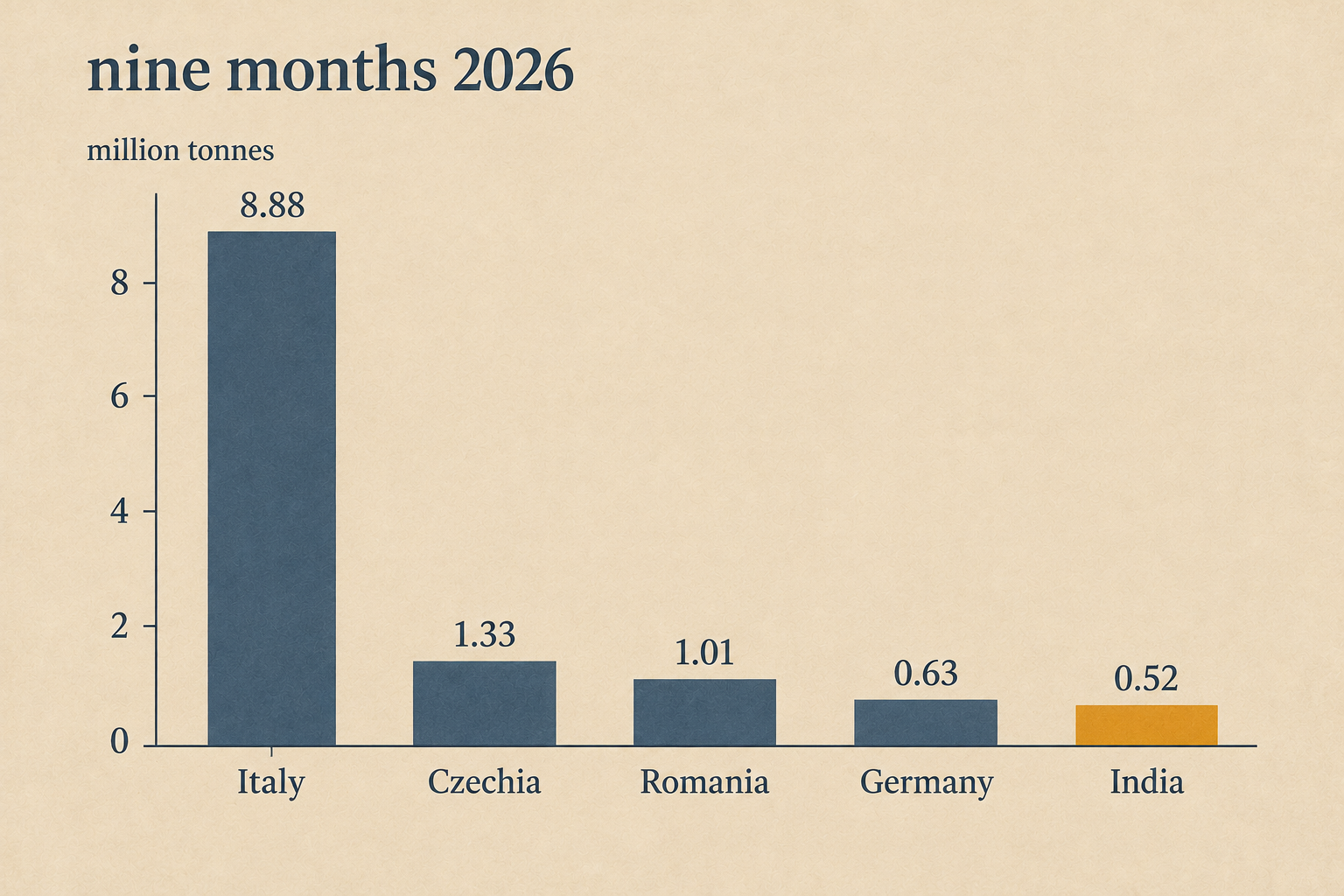
The State Customs Committee’s table for January to September puts crude exports at 15.83 million tonnes worth $10.10 billion, with Italy taking 56% of the tonnage. India’s purchases rose fourfold to 524,000 tonnes, and the agency Report has printed no Azeri Light price since Saturday.
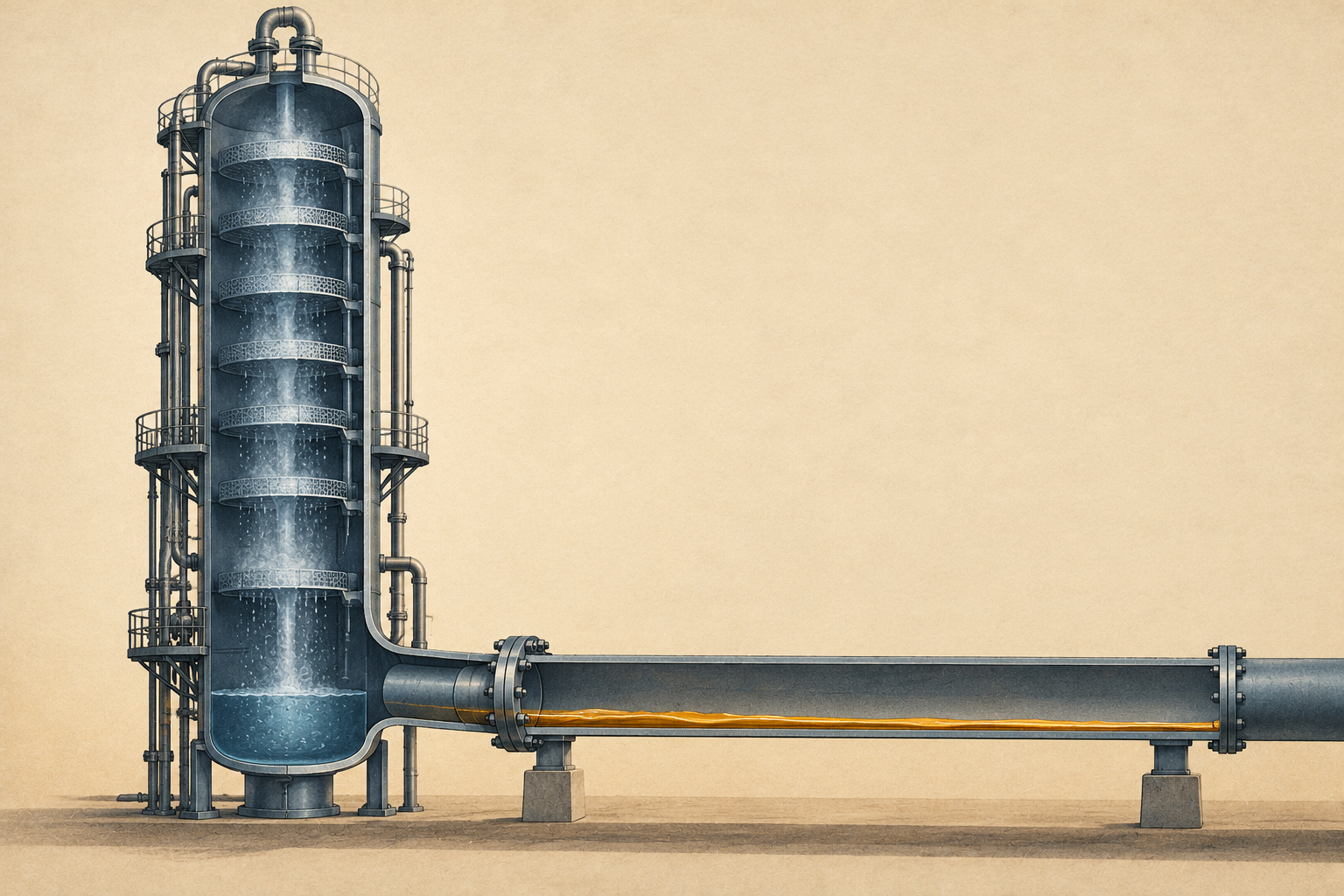
Kazakhstan’s marketed gas fell to 0.5 billion cubic metres in September, a low since 2011
The national statistics bureau’s September figure is 4.3 times below August and 3.3 times below September 2025, by DATA HUB’s reading as inbusiness carried it. West Kazakhstan, home of Karachaganak, produced 370 million cubic metres while the field was under its planned repair.
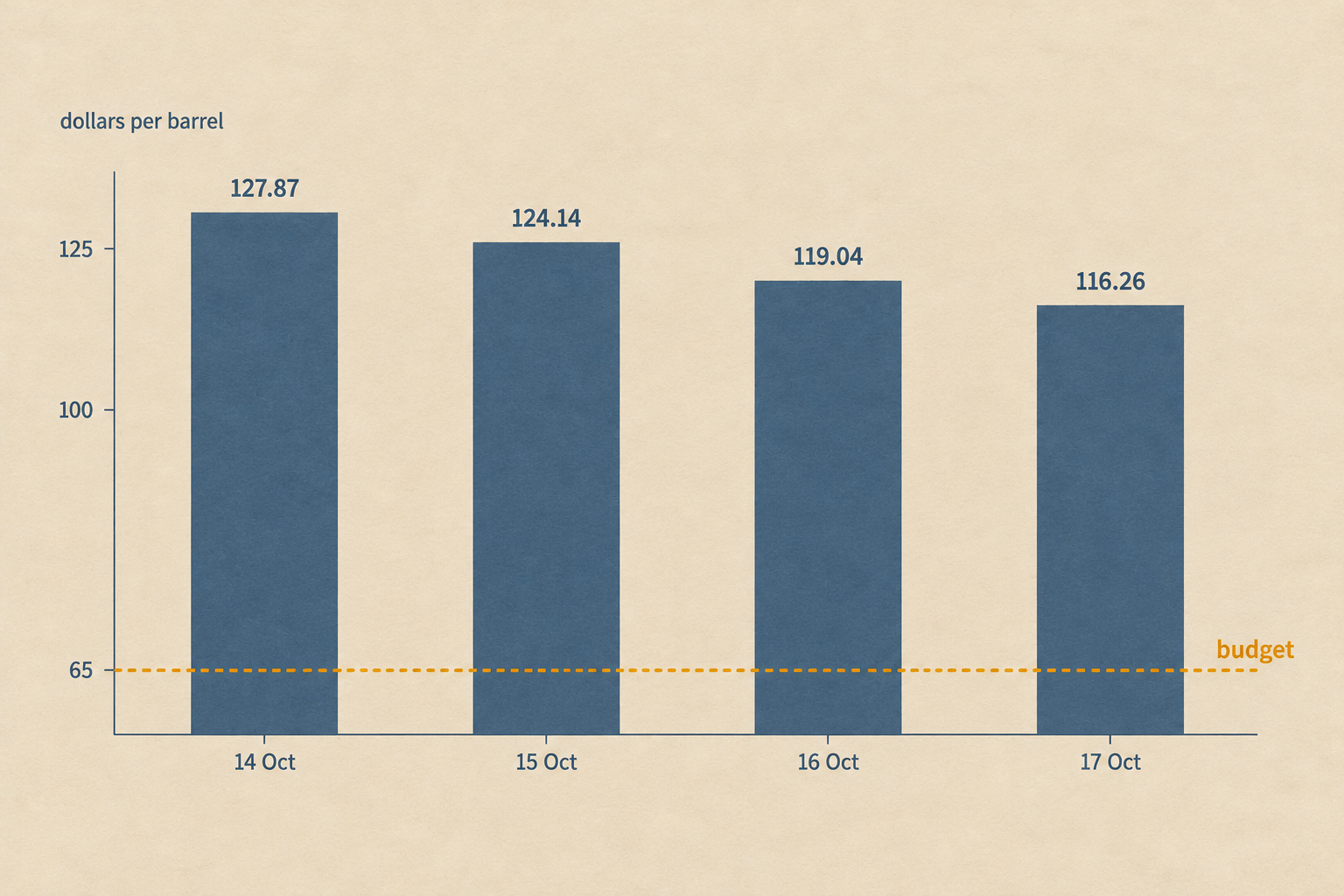
Azeri Light falls to $116.26 on Report’s Saturday print after $119.04 on Friday
Report’s Saturday print put Azeri Light at $116.26 a barrel, down $2.78 or 2.33% on Friday’s print of $119.04, which was itself $5.10 or 4.11% below Thursday’s $124.14. No Monday print had appeared on the agency’s energy page by 11:24 Baku time.
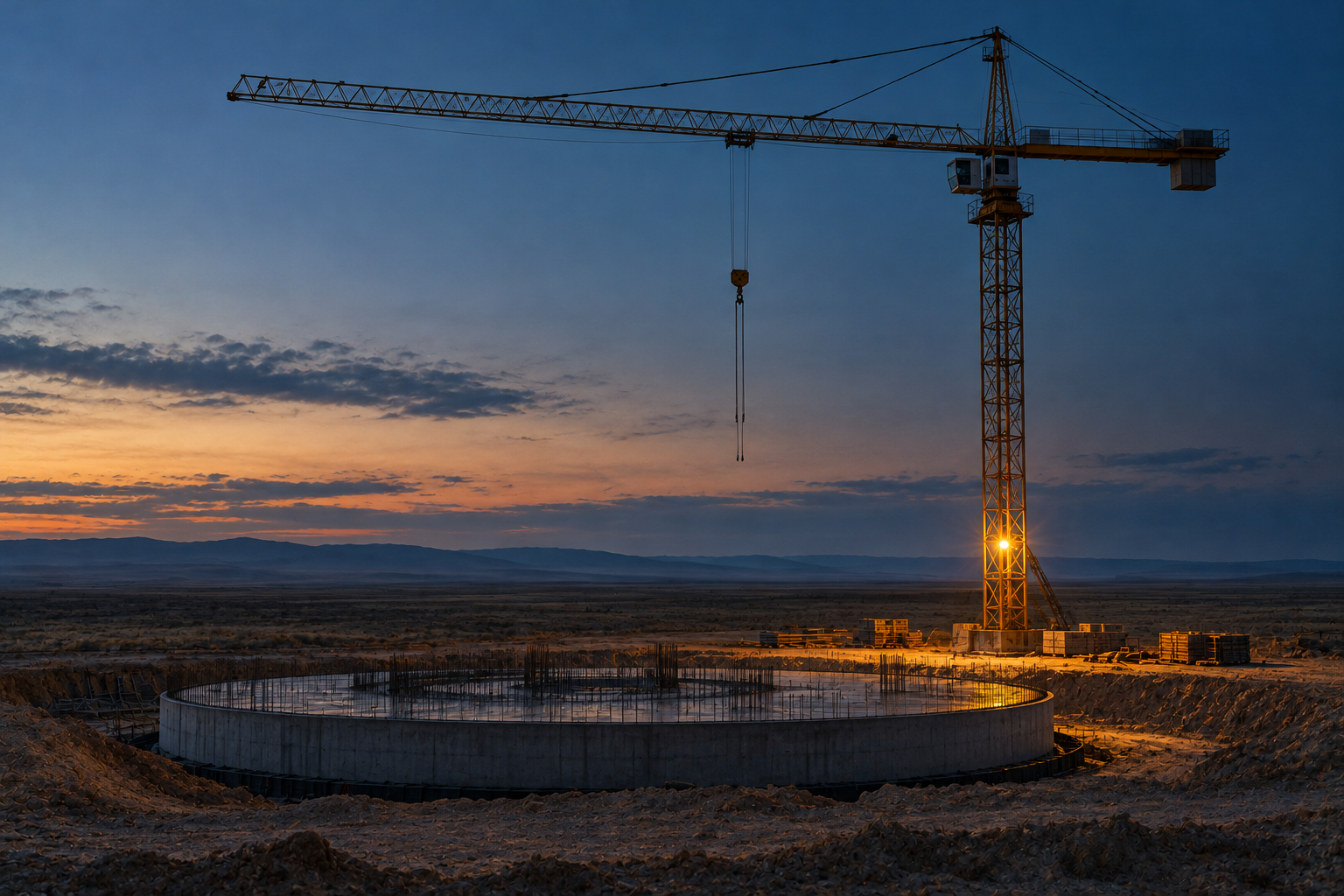
Mirziyoyev puts a second nuclear plant on the agenda, with investor talks the next day
Uzbekistan is preparing a second nuclear power plant and talks with investors on it were set for the following day, Shavkat Mirziyoyev told an open dialogue with fuel and energy investors on Friday 16 October, in the account a presidential administration official posted on Telegram and Spot relayed at 16:19 Tashkent time.
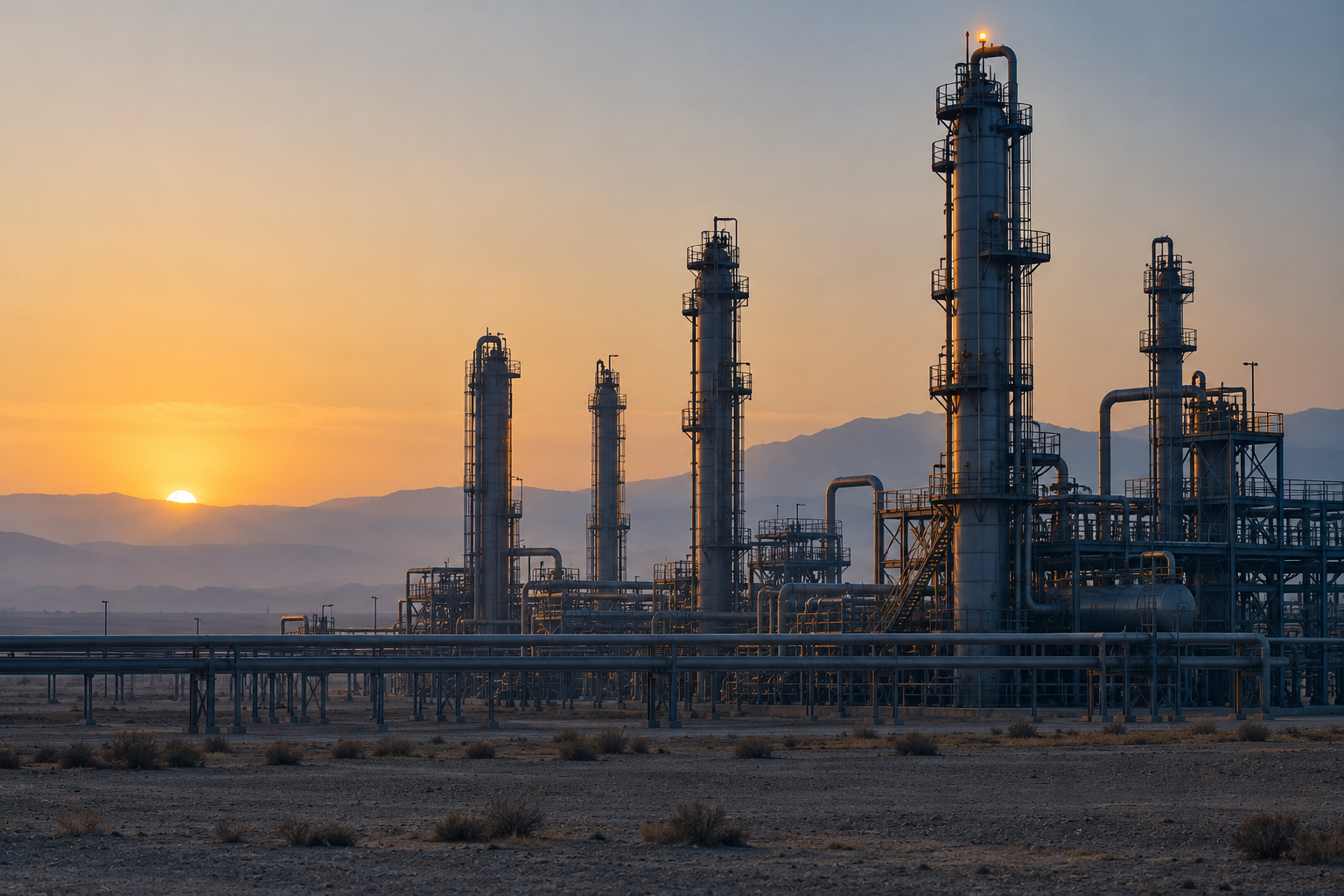
Ashgabat’s oil and gas week opens on Wednesday with 1,700 delegates and TAPI on the agenda
The 31st Oil and Gas of Turkmenistan conference and exhibition, OGT 2026, runs in Ashgabat from 21 to 23 October with more than 1,700 registered delegates from 75 countries representing 450 companies, the state portal reported on Saturday 17 October. The Galkynysh field, the gas-transport network, the TAPI pipeline, Caspian cooperation and gas processing head the programme as the portal lists it.
Mongolia holds 10 days of AI-92 and 27 of diesel as police log 431 fuel-queue disputes
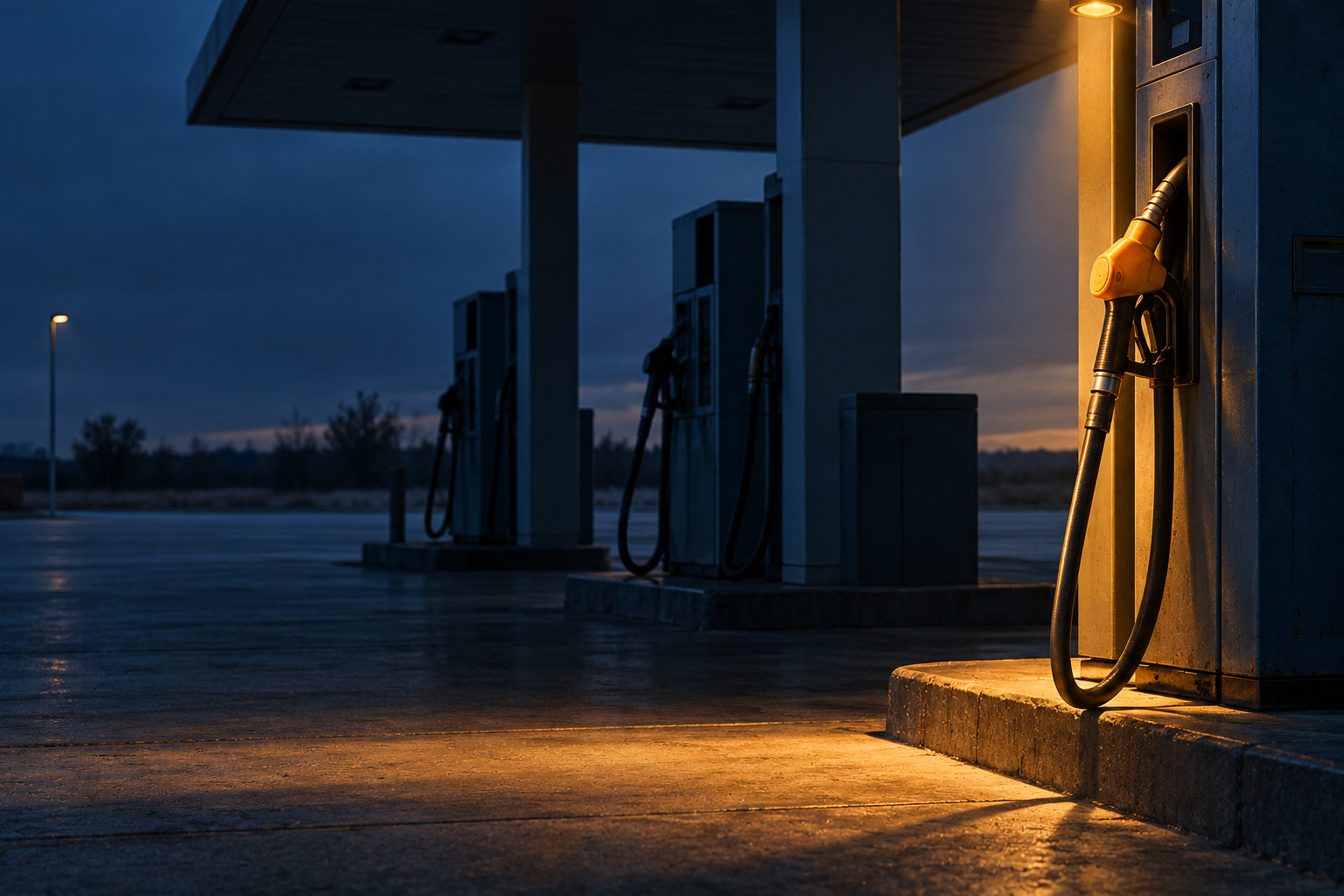
Mongolia’s national stock stood at 22,000 tonnes of AI-92 petrol, or 10 days of consumption, and 108,000 tonnes of diesel, or 27 days, the deputy minister of industry and mineral resources, B. Munkhtamir, said on Monday, in ikon.mn’s account at 14:12 Ulaanbaatar time. Of 78,000 tonnes contracted from Russia, China and third countries, 38,000 had arrived.
Azeri Light falls 2.91% to $124.14 a barrel on Report’s Thursday print
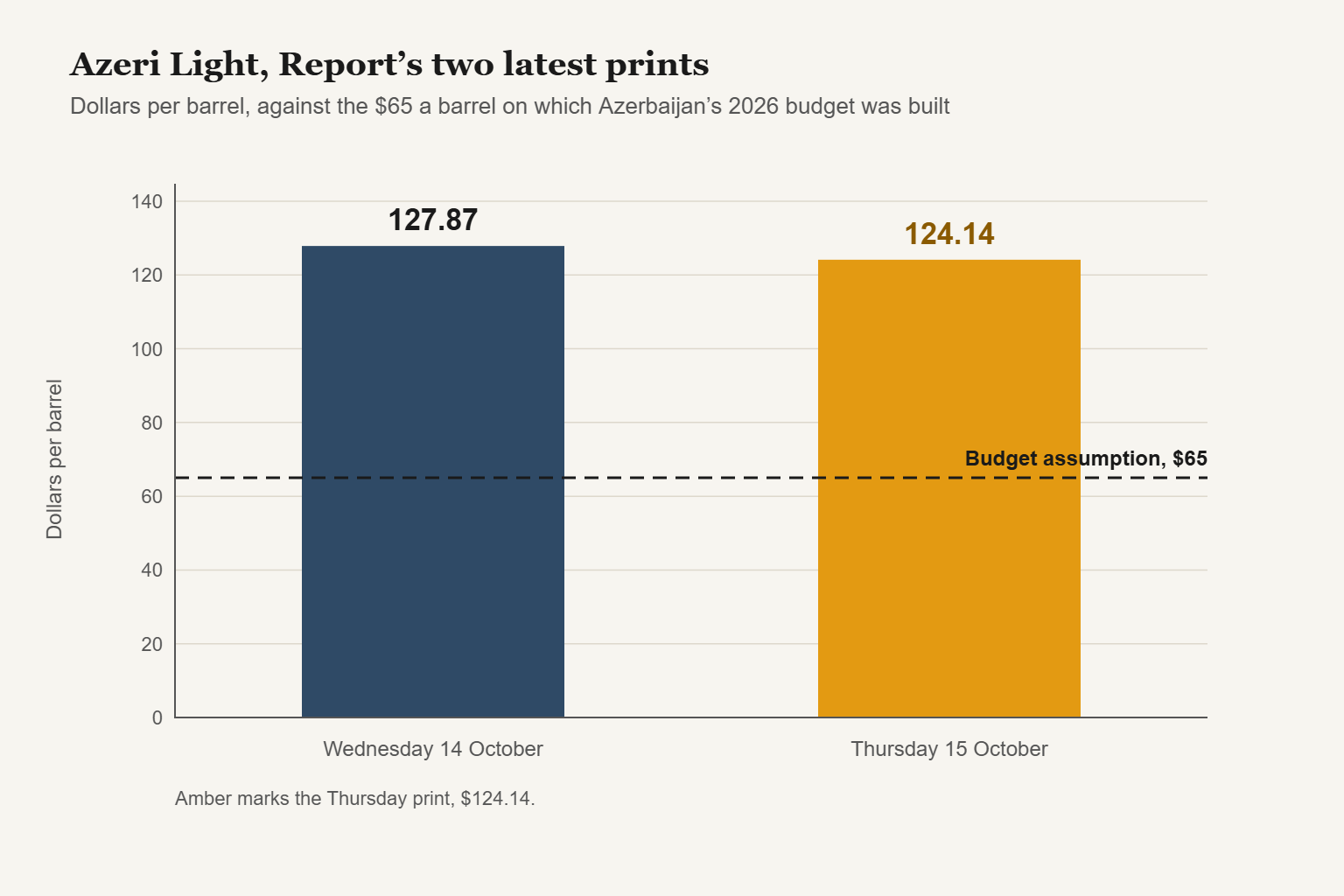
Azerbaijan’s export blend fell $3.73, or 2.91%, to $124.14 a barrel on the world market, Report wrote at 09:58 Baku time on 15 October, after the $127.87 print of Wednesday. December Brent futures stood at $127.55 a barrel on the same page.
Tokayev ratifies the oil protocol with Russia that saves 30 billion tenge in duties
Kassym-Jomart Tokayev signed the law ratifying the protocol that revives the 2010 Kazakh-Russian agreement on supplies of oil and oil products to Kazakhstan, which had expired on 1 January 2024, Interfax reported on 16 October. The Kurultai’s conclusion puts the saving from duty-free imports at about 30 billion tenge in 2026.
Azeri Light slips 2.85% to $127.87 a barrel, $63 above the budget’s $65
Azerbaijan’s export blend fell $3.75, or 2.85%, to $127.87 a barrel on the world market, Report wrote on 14 October citing an oil-market source, with the FOB Ceyhan price down $4.19 to $116.51. The blend stays about $63 above the $65 a barrel on which the 2026 state budget is calculated.