Uzbekistan
10 billion cubic metres, 4 years early
Tashkent said its gas would stay home. Astana promised 15 billion cubic metres more of it. Tashkent now imports what its minister had dated to 2030, Astana has nearly tripled its purchases from Gazprom in a year, and since Friday Washington is counting.
Mirziyoyev starts a 1.5 GW wind farm with ACWA in Karakalpakstan and prices 6 AI projects at $8 billion with no investor named
President Shavkat Mirziyoyev's 2-day trip to Karakalpakstan, which took in a meeting in Nukus on Saturday 19 September, produced 58 projects that his press service values at $7.6 billion. The largest named project is Saudi-built wind power. Its largest unnamed ones are data centres.

Trump signs the Graham act without a word, and the gas list's clock now runs to 18 October
The White House recorded the signature of H.R. 5334 on Friday 18 September in a single sentence. Under the law the president has 30 days to raise duties to as much as 100% on the 5 largest buyers of Russian oil or gas, and on CAW's count Kazakhstan and Uzbekistan sit at the edge of that 5.

Uzbekistan's central bank holds 90% of its reserves in gold and now plans to take its bond book beyond US Treasury bills
Abror Mirzo Olimov, deputy chairman of the Central Bank of Uzbekistan, told the first International Forum on Public Asset Management in Tashkent on Friday that the bank held about 439 tonnes of gold worth about $65 billion at the start of September, about 90% of international reserves of more than $72 billion, and that the bank plans to take its fixed-income portfolio of $1.766 billion, about 2.4% of reserves, beyond US Treasury bills into sovereign, subnational and other fixed-income instruments, Gazeta.uz and Spot reported.
Uzbekistan's asset agency puts $145 million of privatisation money in the budget and an $851 million Mobiuz deal on a year-end clock
The deputy director of the State Assets Management Agency, Alisher Miraliev, told Spot at the Cbonds capital-market conference on Thursday that the $65 million paid for Humo and the $80 million paid for SamAuto have reached the budget in full, that the consortium which won Mobiuz is negotiating a contract to close by the end of 2026, and that Asakabank may be the first state bank sold, though not this year.
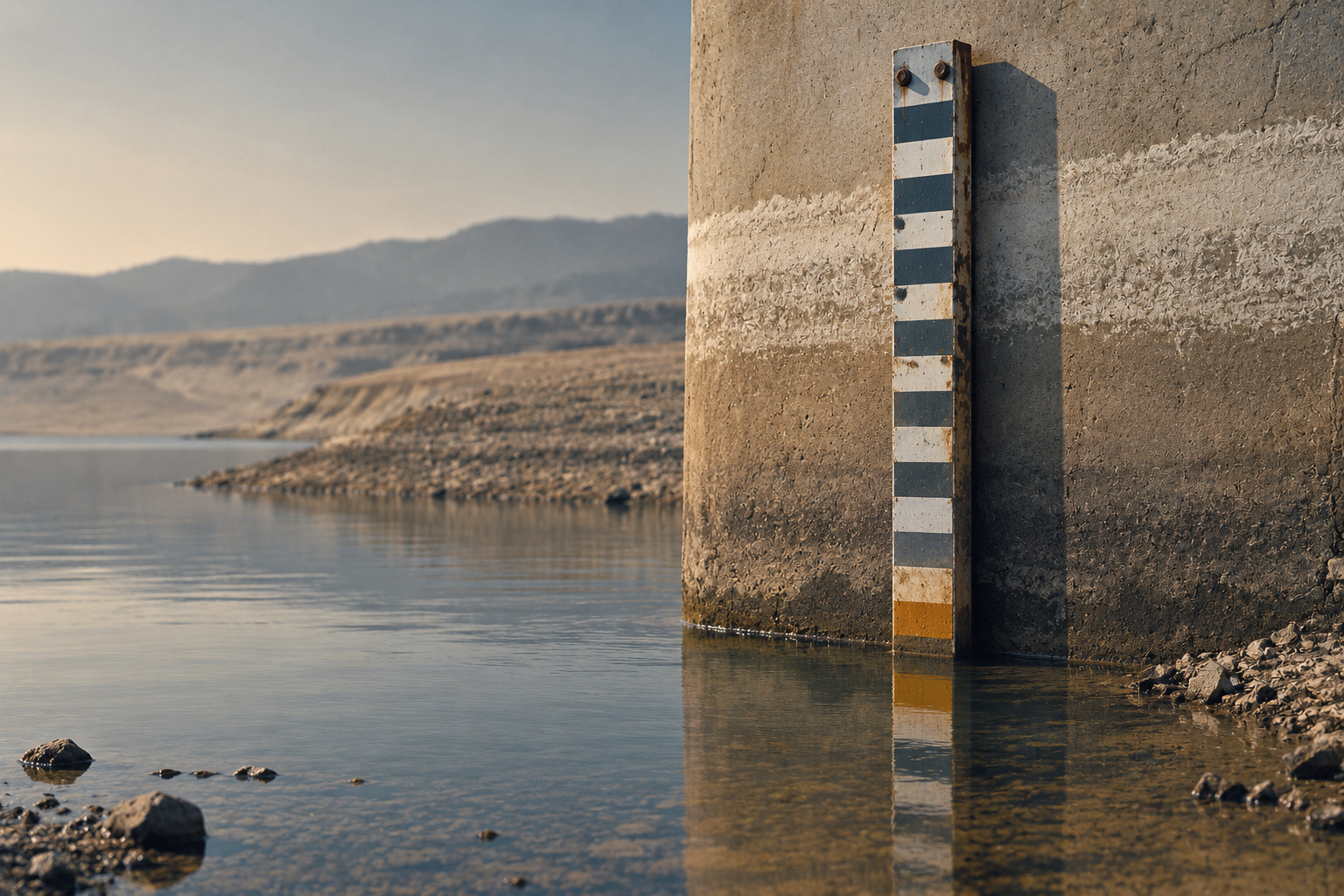
The WMO writes the region's water year down: reservoirs below normal from Kyrgyzstan to Afghanistan, the Aral basin's rivers in decline, glaciers with one of their 3 worst years on record
The World Meteorological Organization's State of Global Water Resources 2025, published on Thursday, records inflows to the reservoirs of Tajikistan, Uzbekistan, Kyrgyzstan and Afghanistan below or well below the 1991 to 2020 normal, a decline in flow across the Aral Sea basin, and the glacier balance of Central Asia in the year to September 2025 among the 3 most negative on record. Globally, 2021 to 2025 was one of the driest runs for river flow since observations began in 1991. Every water instrument the region has put on paper this month is priced to a river the report says is running short.
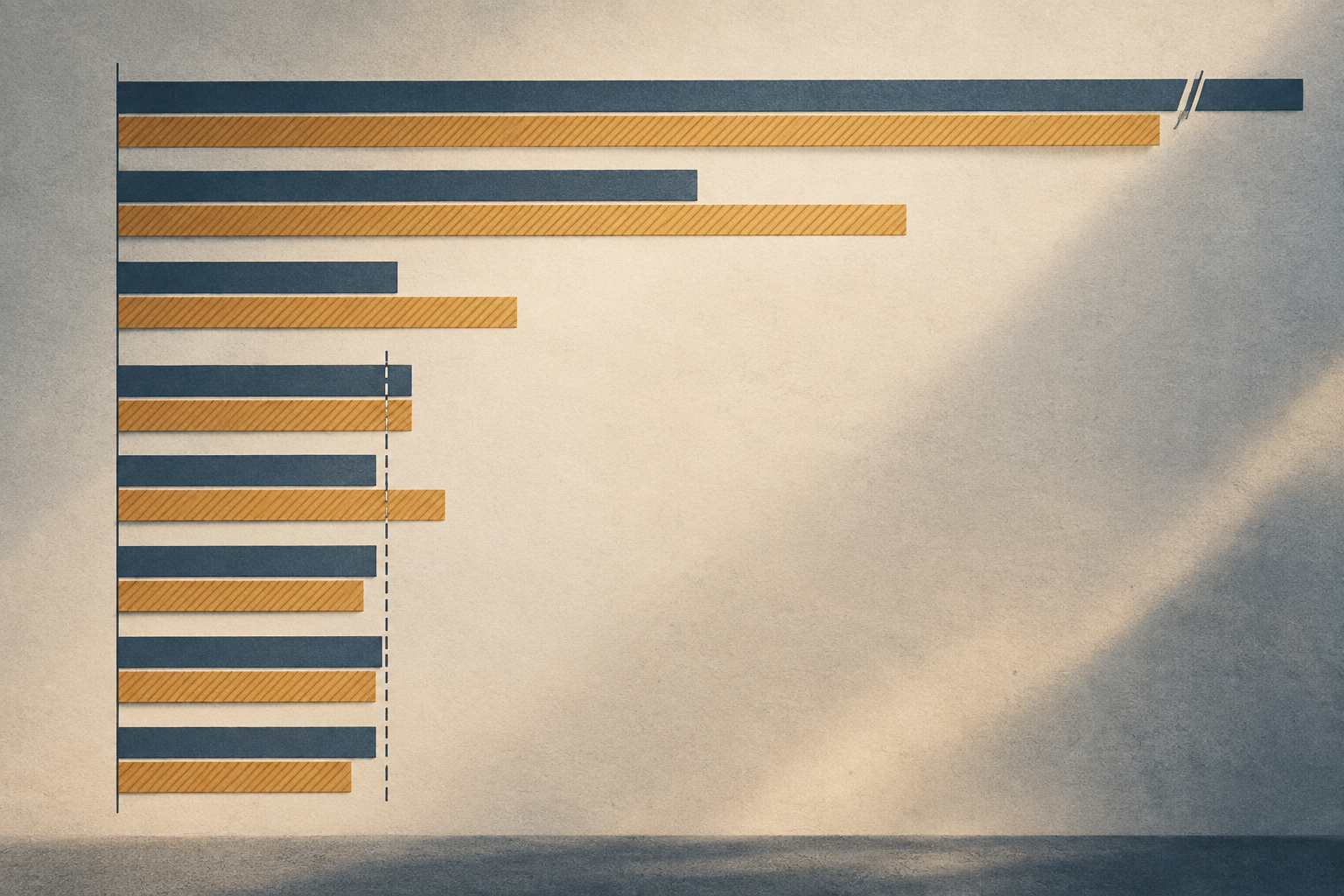
Washington's new tariff law counts Russian gas by volume, and Kazakhstan and Uzbekistan are closing in on its top five
The House cleared the Lindsey O. Graham Sanctioning Russia and Iran Act for the President on Wednesday with a 262 to 159 vote. It lets him put duties of up to 100% on all goods from the 5 largest buyers of Russian crude or gas. By the volumes on the record, Astana and Tashkent are fourth and fifth on the gas list, with about 1 billion cubic metres or less between them and the buyers behind.
Uzbekistan's central bank holds at 14% against 6.2% inflation, a real rate wider than Astana's or Yerevan's
The board kept the main rate on Wednesday and named the risks it does not control: world prices, the liberalisation of regulated prices and expectations that fall more slowly than inflation. Its target is 5% by the end of 2027, the year the pension draft's changes begin.
Russia's refiners keep their diesel at home to the end of October, Vedomosti and RBC report; the intergovernmental exemption that feeds Dushanbe stands
The Russian government has decided to extend the export ban on diesel for producers to the end of October 2026, Interfax reported at 08:10 on Wednesday, citing Vedomosti and RBC on the outcome of Alexander Novak's meeting of 14 September. The ban was due to lapse on 30 September. No resolution has been published; Interfax carried the decision as media reports of the government's plans.

Seoul's declaration puts the summit on a 2-year clock with Astana next; the presidents' pitches ran from a Kyrgyz dam to a Turkmen gas plant
South Korea and the five Central Asian presidents adopted the Seoul Declaration on Wednesday: summits every 2 years, the second in Astana in 2028, a new industrial ministers' body under a supply-chain memorandum, and a Korea Desk inside each state's government structures to serve Korean companies. No sum appears in the presidential office's readout of the session. Sums came from the presidents at the business summit that followed: Tokayev's $19 billion of commercial agreements, Berdimuhamedov's 17 projects with Korean companies worth over $12 billion, Japarov's 10 business documents with the sums undisclosed.
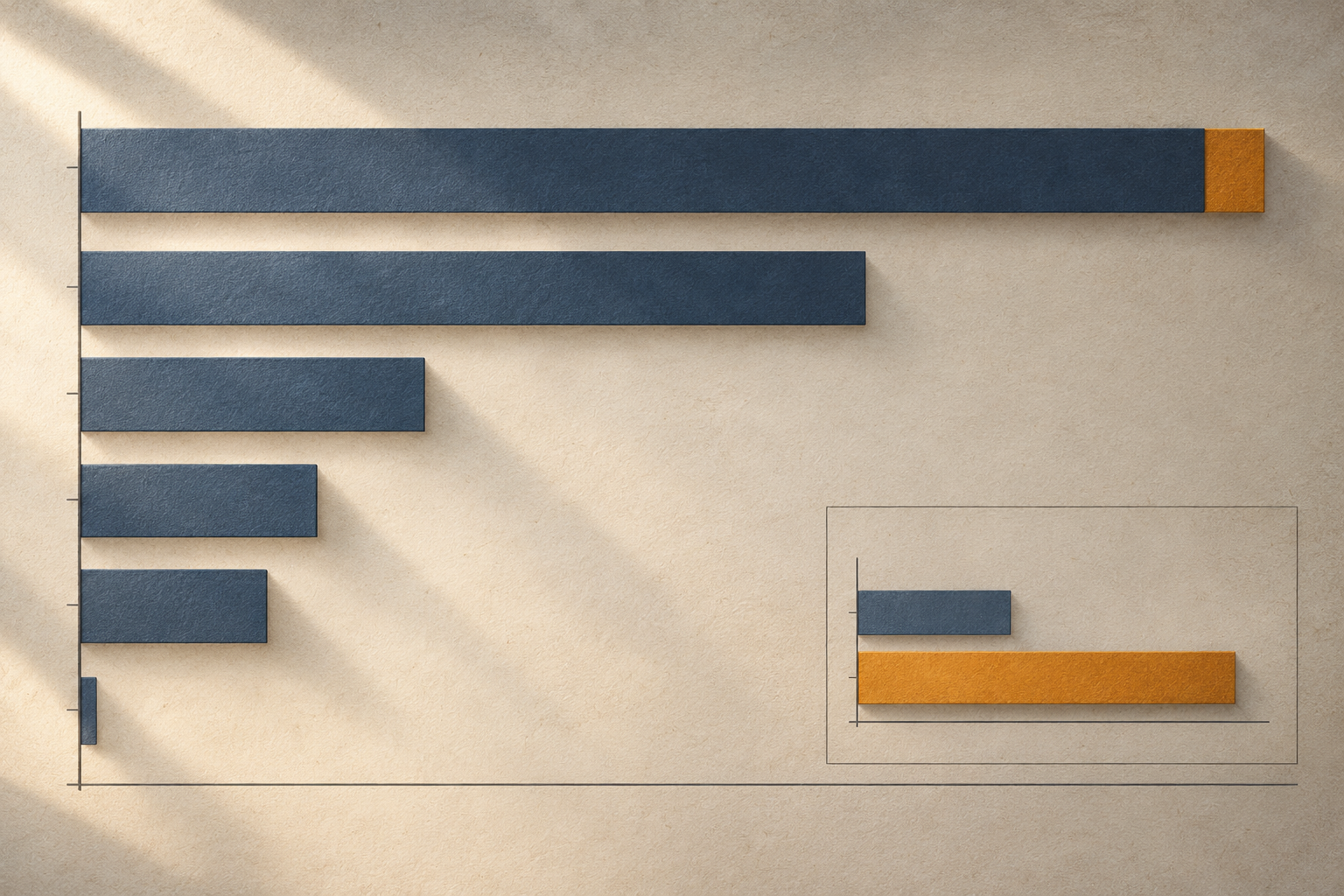
Kyrgyzstan's boom has a creditor: Russian suppliers are owed 52.3 billion roubles by Kyrgyz firms, and the CIS bill runs to 967 billion
Rosstat's count of what companies in CIS countries owe Russian organisations under direct contracts reached a record 967 billion roubles in June, up more than 40% in a year, Izvestia reported on Monday. Kazakhstan's firms account for 401.3 billion, Belarus's for 327.3 billion, Uzbekistan's for 81.7 billion, Armenia's for 65 billion and Kyrgyzstan's for 52.3 billion. The overdue share is 4.5%. Russian firms' own debts to CIS business run to about 506 billion. What remains is the trade credit on which the region's import boom from Russia runs.

Seoul's summit week reaches its declaration with five different baskets on the table
The first Korea-Central Asia summit sits in Seoul on Wednesday with a Seoul Declaration on supply chains and future industries to adopt. The week of bilateral talks that led to it shows what each capital came for: Kazakhstan a status upgrade and $19 billion of commercial agreements, Uzbekistan a $12 billion portfolio, Turkmenistan a named contractor for its canal, Tajikistan 17 documents with one railway agreement among them, Kyrgyzstan 18 documents and a trade office. Korea's instruments are loans and guarantees for Korean equipment. The declaration adds a calendar.
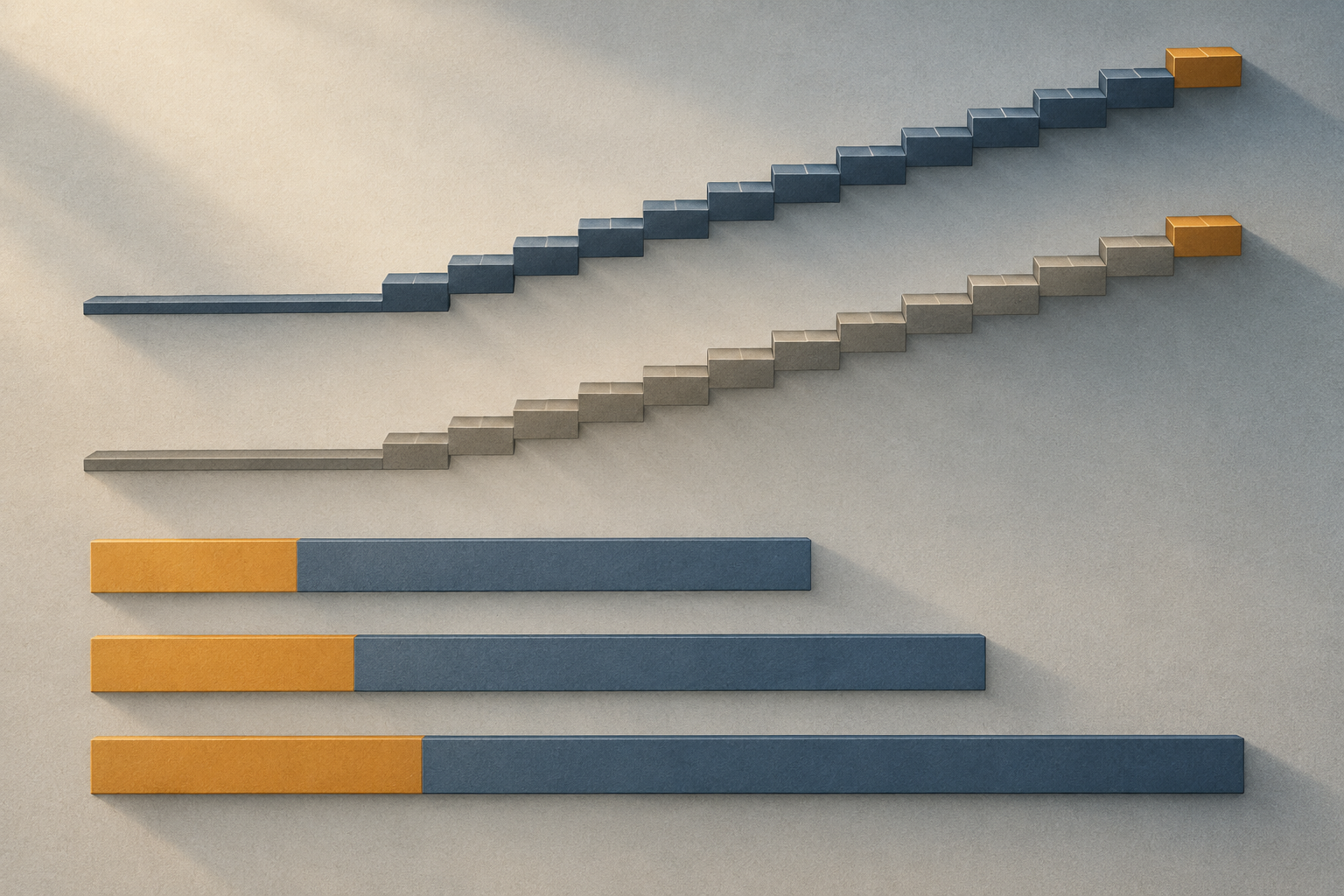
Uzbekistan's finance ministry drafts a 12-year climb in the pension age for a fund the budget is set to top up with 23 trillion soums this year
The Ministry of Economy and Finance has posted a draft presidential decree, UzDaily reported on Tuesday, that would raise the retirement age by 3 months a year from 2028, to 63 for men and 58 for women in 2039. The same ministry's fiscal strategy books a 23 trillion soum budget transfer to the Pension Fund for 2026, up from 16.3 trillion 2 years earlier.
Beijing's Silk Road Fund signs a financing agreement of up to $395 million with Uzbekistan's state bank for toll expressways, in the week the bank joined China's payment rail
The National Bank for Foreign Economic Activity signed the agreement in Hong Kong during prime minister Abdulla Aripov's visit to the Belt and Road summit on 9 and 10 September and disclosed it on Sunday. The priority named is modern toll expressways; the one Hong Kong's Belt and Road office calls its priority, Tashkent-Samarkand, broke ground on 22 August at a cost of $2.2 billion.

Ashgabat signs 13 documents at the Blue House, from investment protection to the Karakum Canal; Rahmon is the last of 5 presidents to leave for Seoul
Serdar Berdimuhamedov's Tuesday meeting with Lee Jae-myung produced 13 agreements and memorandums, Seoul Economic Daily reported at 12:20 Seoul time, plus a thank-you from Lee for Turkmenistan's help in evacuating Koreans from Iran. Tokayev's turn is the afternoon. Tashkent's 13 from Monday now have contents.

Seoul’s summit week opens on minerals, with a new ministers’ channel and $1 billion of Korean cofinancing pledged in May
South Korea held the first meeting of industry ministers with the five Central Asian states in Seoul on Monday, with critical minerals, lithium and rare earths among them, as one of its main lines, 2 days before the first Korea-Central Asia summit. The same day Lee Jae-myung exchanged 13 documents with Shavkat Mirziyoyev, Kassym-Jomart Tokayev landed on a state visit, and the Asian Development Bank’s president Masato Kanda met finance minister Koo Yun-cheol about the minerals facility to which Korea Eximbank and K-SURE each pledged $500 million in May.
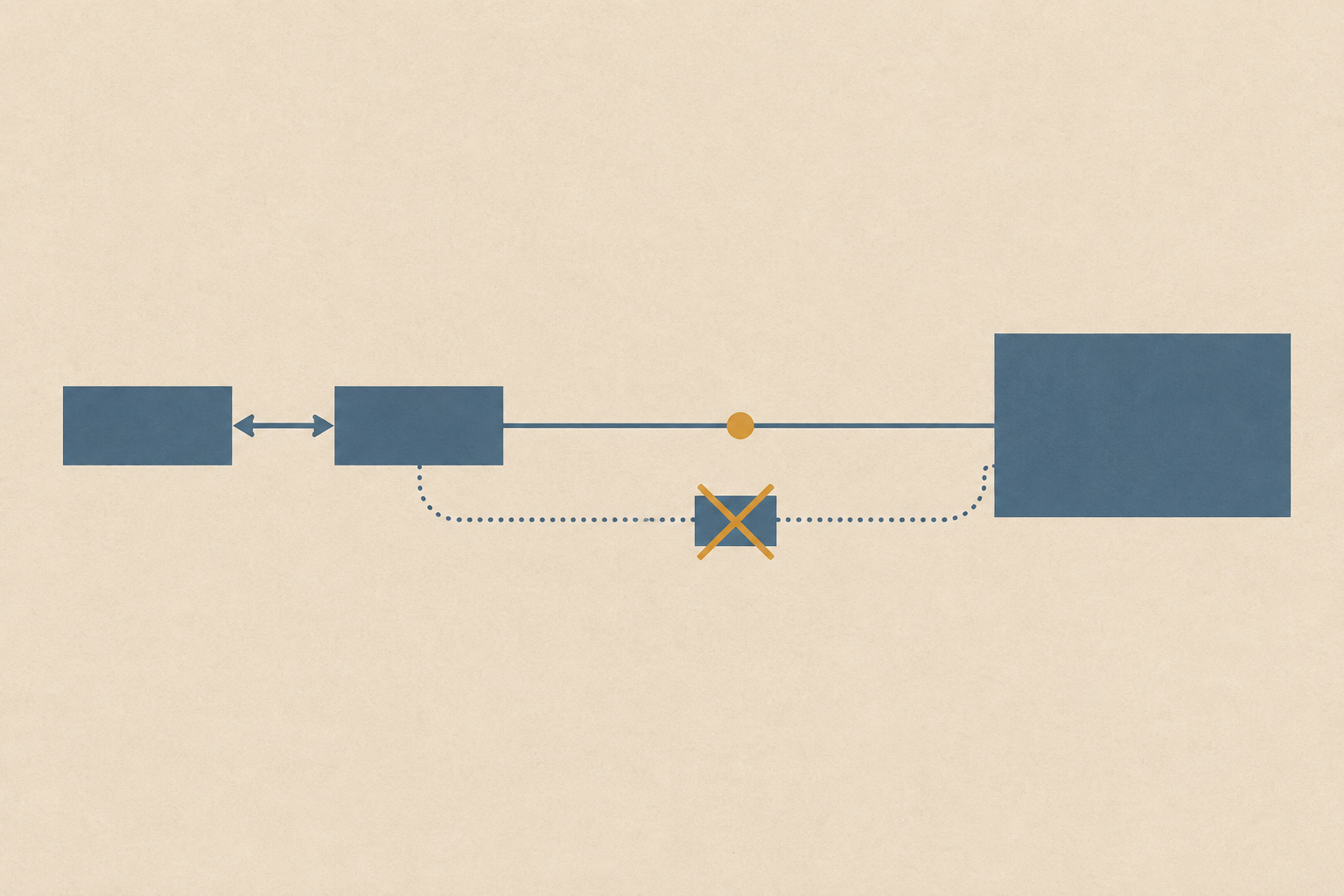
Uzbekistan’s biggest bank joins China’s payment rail as Astana and Tashkent link their QR codes
The National Bank of Uzbekistan became the country’s first direct participant in CIPS, China’s yuan clearing system, on 9 September and, during a Hong Kong visit on 9 and 10 September, agreed a $250 million bond in yuan and som for the Hong Kong exchange with CICC; on Friday Kazakhstan’s National Payment Corporation and Uzbekistan’s HUMO signed up to accept each other’s QR codes. Two new pipes are going into the region’s payment plumbing.

Uzbekistan’s president takes the chair of the financial centre’s board by his own decree, with his daughter as managing director
A presidential decree on the launch of the Tashkent International Financial Centre makes the head of state the ex officio chairman of its supervisory board and confirms Saida Mirziyoyeva as managing director alongside her post at the head of the presidential administration, UzDaily reported on Saturday evening.

Who sets the price of petrol: six machines between one Russian exchange and the pump
Central Asia and Mongolia buy most of their fuel from Russia and price it six different ways. A tour of the machinery, from Bishkek's dollar wall to Ashgabat's two price tags, and what each one does when the exchange in St Petersburg moves.

Azerbaijan's state bank pays $140 million for 51% of Davr Bank, 40% above the price it announced in May
The International Bank of Azerbaijan bought 51% of Tashkent's Davr Bank on Thursday in 6 trades on the Tashkent stock exchange for 1.646 trillion soums, $139.5 million at Gazeta.uz's conversion. In May the price was given as more than $100 million. Neither report explains the difference.