Analysis
In-depth analytical pieces, newest first.

Kyrgyzstan answers 11.2% inflation with a one-year price freeze
President Japarov has signed a decree imposing a one-year moratorium on raising selected tariffs, fees and prices of state and municipal services. It is the third administrative price intervention this year, and it lands three days after the Asian Development Bank raised Kyrgyzstan’s 2026 inflation forecast to 11.2%.
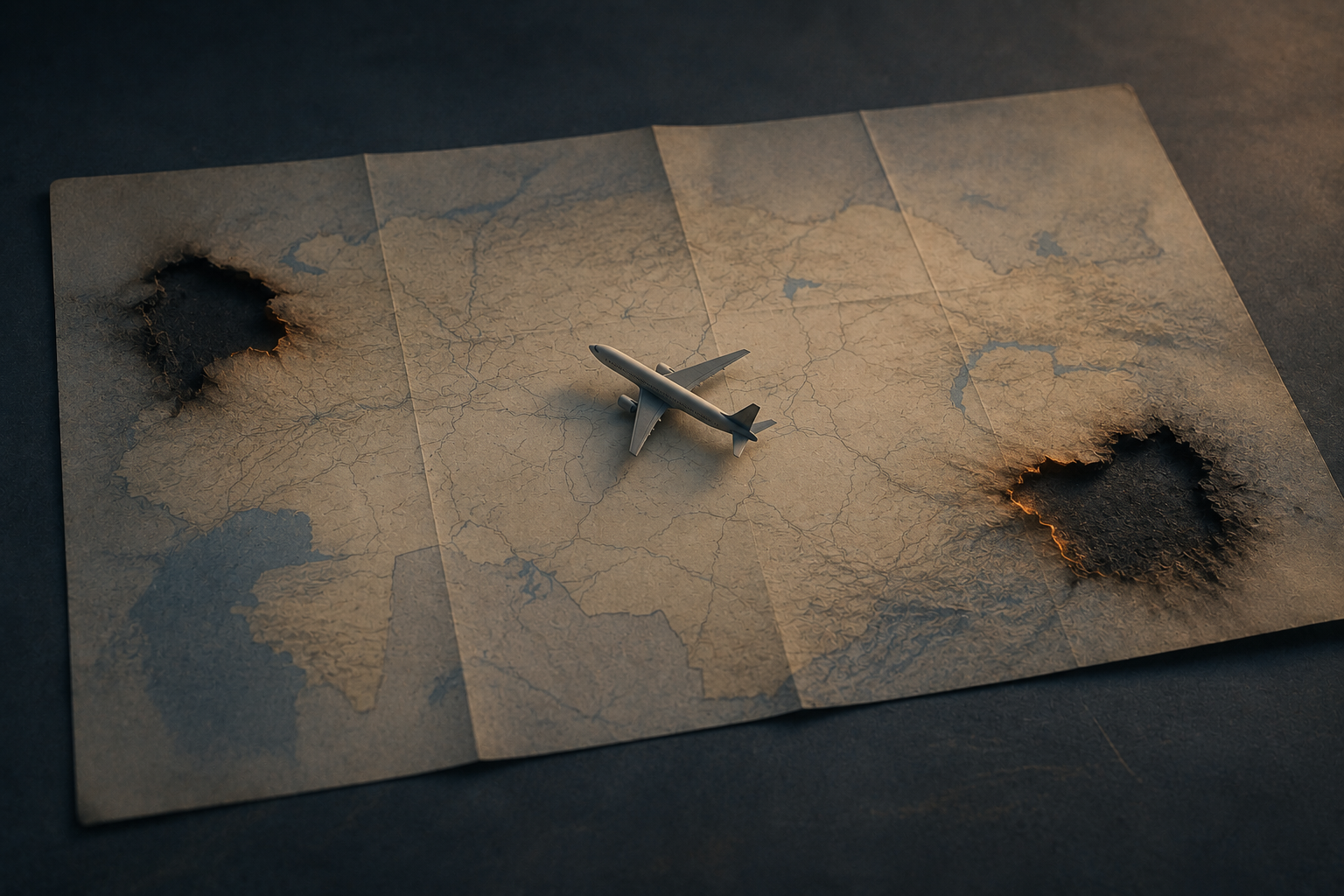
Two wars close in on Kazakhstan’s flight map
Air Astana suspended flights to the United Arab Emirates on 12 July, turning one plane around in mid-air, after Iran declared the Strait of Hormuz closed and missiles reached the Gulf states. Days earlier a second Kazakh carrier dropped its route to Omsk over drone activity in Russia. Kazakhstan’s connectivity is being edited by two wars at once.
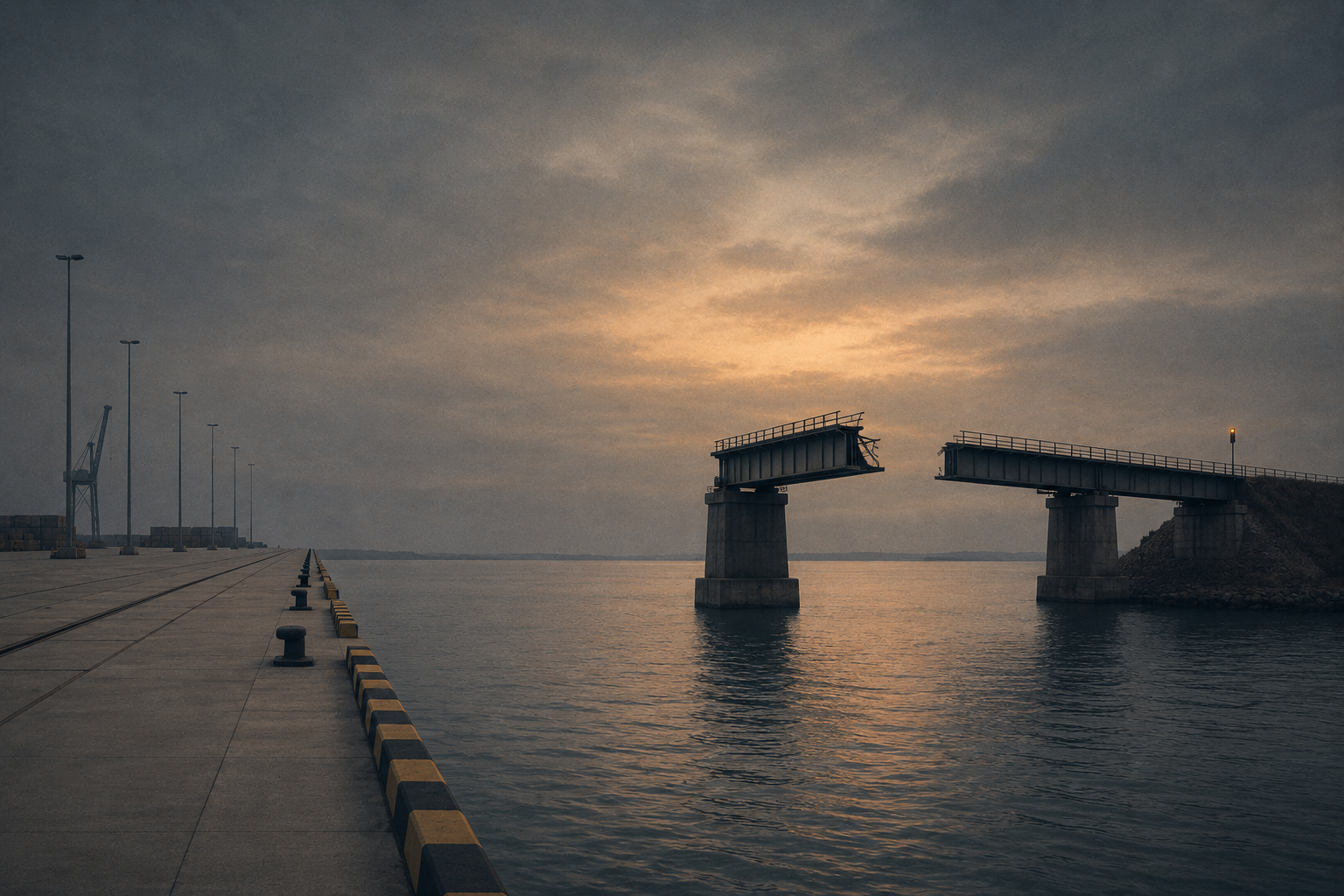
A new round of US-Iran strikes hits the port Kazakhstan just bet on
Eleven days after Kazakhstan signed a 27-year deal to build a terminal at Iran’s Shahid Rajaee port, U.S. strikes hit Bandar Abbas, where the port sits. The contract commits Astana to a southern outlet it has wanted for three decades. The war has just repriced the risk on it.
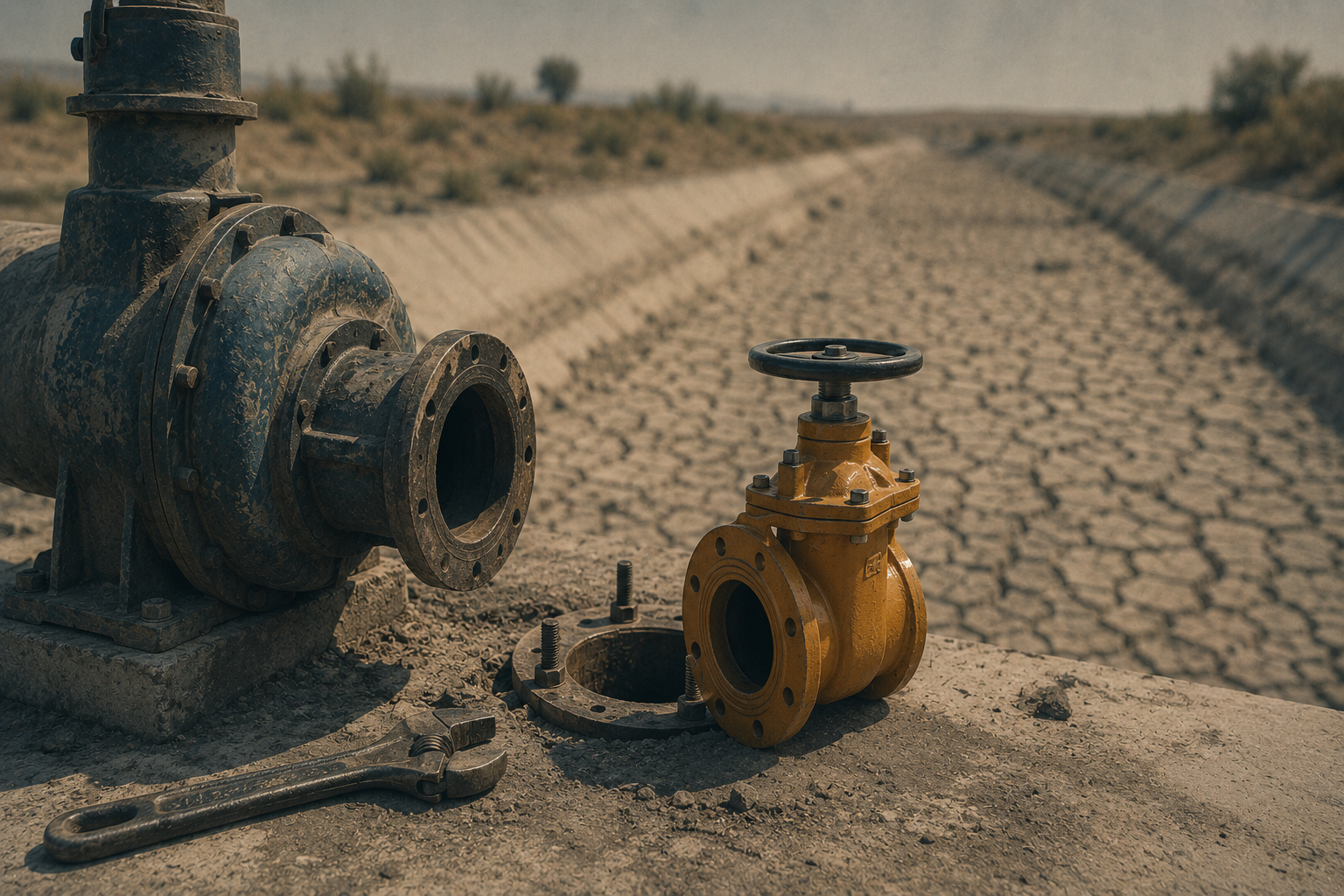
Tajikistan will spend $48 million on water works this year, much of it fixing what already exists
Tajikistan’s land-reclamation agency says it will spend 497.5 million somoni, about $48 million, on irrigation and flood works in 2026. Nearly 40% of that goes to replacing and repairing pumping-station equipment, which says as much about the state of the system as about any ambition to grow it.

Kyrgyzstan keeps 8.9% growth, and the price of it climbs to 11.2%
The Asian Development Bank now expects consumer prices in Kyrgyzstan to rise 11.2% this year, up from the 10.3% it forecast in April, while it holds growth at 8.9%. The revision is small on paper. It points at the question the headline growth rate keeps dodging: what the number is built on.

Tashkent moves to flag large personal transfers, reviving a fight it lost before
A draft resolution would require banks to report individuals whose cards take in large monthly transfers from people other than close relatives. The State Tax Committee calls it a technical clean-up of rules that already exist. Its critics read it as a government decree reopening access to financial data a previous reform round had closed.
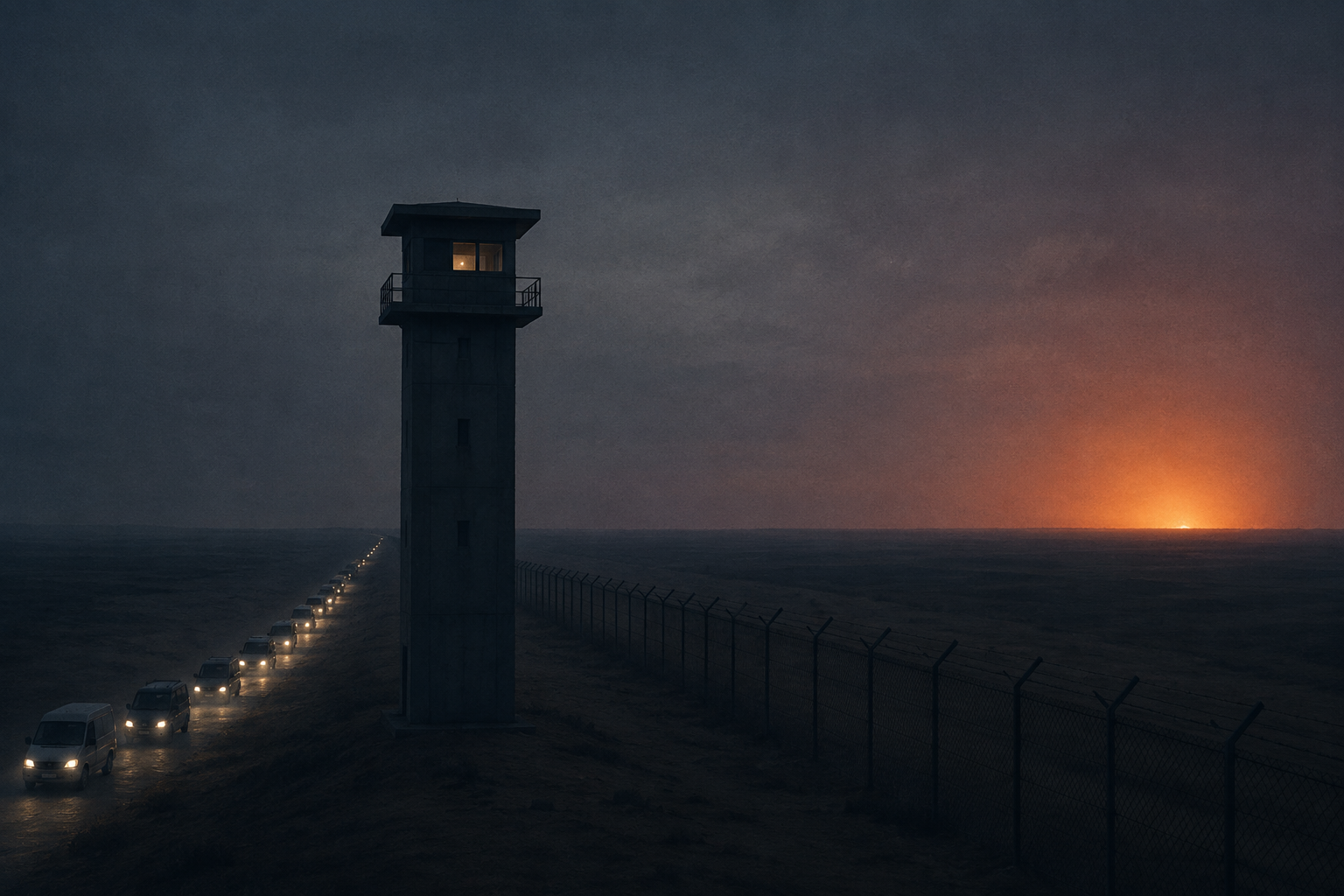
Kazakhstan denies bombing a refinery, then builds 59 checkpoints against its fallout
Kazakhstan spent Thursday rejecting Russian claims that Ukraine's drones on the Omsk refinery were launched from its territory. In the same news cycle, its own police were manning 59 new checkpoints to stop Russian drivers from draining its gas stations dry. Astana is absorbing both ends of a war it is not fighting.
Lukashenko asks Uzbekistan for a door into markets Belarus can't reach alone
Shavkat Mirziyoyev is in Minsk on a two-day state visit that closes today with a strategic-partnership declaration and roughly twenty agreements. Buried in Alexander Lukashenko's own remarks is the real ask: help from Tashkent to reach third countries close to Uzbekistan. For a state locked out of Western markets since 2020, that request says more than any communique.
Central Asia's westward corridor runs through Baku, and Baku is fighting Moscow
On 6 July Azerbaijan summoned Russia's ambassador and handed him a protest note over a Russian drone strike on a SOCAR fuel station in Ukraine. It was the latest blow in a dispute that has outlived the settlement both sides signed in April. For Central Asia the quarrel lands close to home: the westward trade routes Astana, Tashkent and Ashgabat are building all pass through the country now at odds with Moscow.

The corridor Central Asia is betting on is running low on water
This week Turkmenistan's ambassador called on the Dutch shipbuilder Damen to talk about its Caspian port, and the headline was dredging. The detail matters more than a courtesy visit suggests. The Caspian Sea is falling, and the trade corridor Central Asia is building to bypass Russia depends on ports staying deep enough to use.
Kazakhstan's oil runs through a Russian switch, and a drone just flipped it
Kazakhstan is Central Asia's largest oil producer, yet on 24 June a Ukrainian drone 170 km inside Russia cut its crude output by a quarter at one giant field. Karachaganak's gas is processed in Russia, at a plant Astana does not control, and when that plant burned, Kazakh oil had to stop with it. The region's energy heavyweight commands its own barrels less than its size suggests.

Ukraine hit Russia's largest refinery, and Central Asia runs on its fuel
On 6 July Ukrainian drones flew some 2,500 km to set fire to the Omsk refinery, Russia's largest and its biggest maker of gasoline. Industry sources say the plant halted its main unit and pulled its fuel from the market. For Kyrgyzstan, Tajikistan and their neighbours, who run on cheap Russian fuel, the war has reached the petrol pump.

Kazakhstan's court hands Tokayev the reset he said he would never seek
On 7 July Kazakhstan's Constitutional Court ruled that the term Kassym-Jomart Tokayev is serving does not count under the new constitution, so he may run again in 2029. The single seven-year limit stays on paper. Tokayev wrote that limit in 2022 as proof he would not cling to power, and today, at his own request, the court drained it of force.

Kyrgyzstan's new Issyk-Kul zone offers English law and 49 years without tax
On 3 July President Sadyr Japarov opened the Tamchy Special Financial Investment Territory on Lake Issyk-Kul: 6,000 hectares under English common law, no tax for 49 years, full profit repatriation and its own arbitration court. He pitched it as a Dubai or Singapore for the region. The first residents came from Switzerland, Hong Kong and the Gulf.

Georgia's surrogacy boom runs on women recruited from Central Asia
An Oxford study published on 16 June maps a quiet labour chain. Clinics in Georgia, short of local surrogates since 2022, now recruit women from Kazakhstan, Uzbekistan, Tajikistan and Kyrgyzstan through Instagram and TikTok. The pregnancies are sold as paid work, and the controls around them sit outside the law.

Kazakhstan's lithium ambition runs into the gap between a lab and a plant
The industry ministry says Kazakh scientists have pulled lithium from low-grade ore at a concentration standard methods cannot reach. It is a laboratory result. The country's aim, to process critical minerals rather than ship the rock, still turns on money and scale it does not yet have.

Kyrgyzstan convicts Tashiev of plotting a coup, and hands him probation
On 2 July a Bishkek court found Kamchybek Tashiev, President Sadyr Japarov's oldest ally and former security chief, guilty of trying to seize power, then suspended the four-year sentence in full. The verdict removes the one man who could challenge Japarov before the 2027 election, without making him a martyr.
The World Bank adds $300 million to a dam that may never pay for itself
On 30 June the World Bank approved a second $300 million grant for Tajikistan's Rogun hydropower plant, and the next day added $100 million for economic reforms. The money keeps arriving for a project that S&P has warned may never earn back its cost, and that downstream neighbours say could shrink the Amu Darya.

Armenia's top court upholds the June election as the opposition vows to escalate
On 4 July Armenia's Constitutional Court rejected all seven opposition petitions and let the 7 June result stand, on the last day the law allowed. Nikol Pashinyan keeps his majority and his pro-Western course. Within the hour, five losing blocs answered that the legal fight is over and a political one begins.

Armenia's top court has one day left to rule on the June election
The Constitutional Court retired to deliberate on 1 July and must publish its verdict by the end of Saturday, 4 July, the last day the law allows. Seven opposition forces want the 7 June parliamentary result annulled. Expect the court to uphold it; the interest is in how it reasons, and what the losers do next.