Analysis
In-depth analytical pieces, newest first.
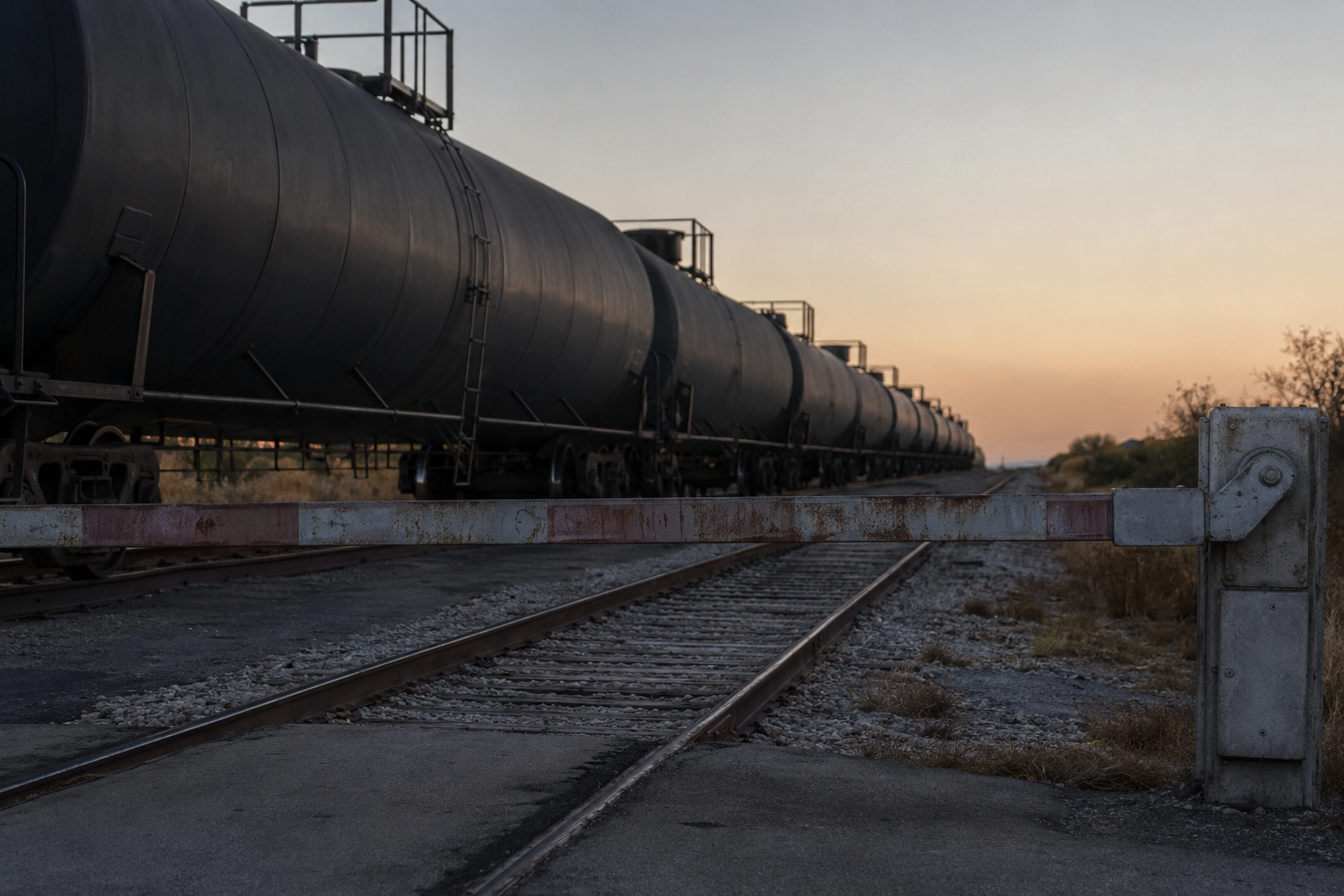
Kazakhstan’s fuel wall takes comments for one more day
Public comment on the energy ministry’s draft order closes on Tuesday. The draft extends the ban on gasoline and diesel exports by road and rail from 22 November 2026 to 22 May 2027, keeps EAEU members inside it, and adds a separate half-year ban from January on jet kerosene, light distillates, gasoils, toluene, xylene and bitumen leaving the union’s customs territory.

The protest was answered by the next drone
Loading at the CPC terminal restarted on Sunday evening and stopped again on Monday morning, when a drone hit the tanker NELSA at the mooring where one of Sunday’s two tankers had burned. Twenty-two of the crew were taken off by CPC tugs. A day after Kazakhstan demanded the attacks end, the demand’s market price was set at zero.
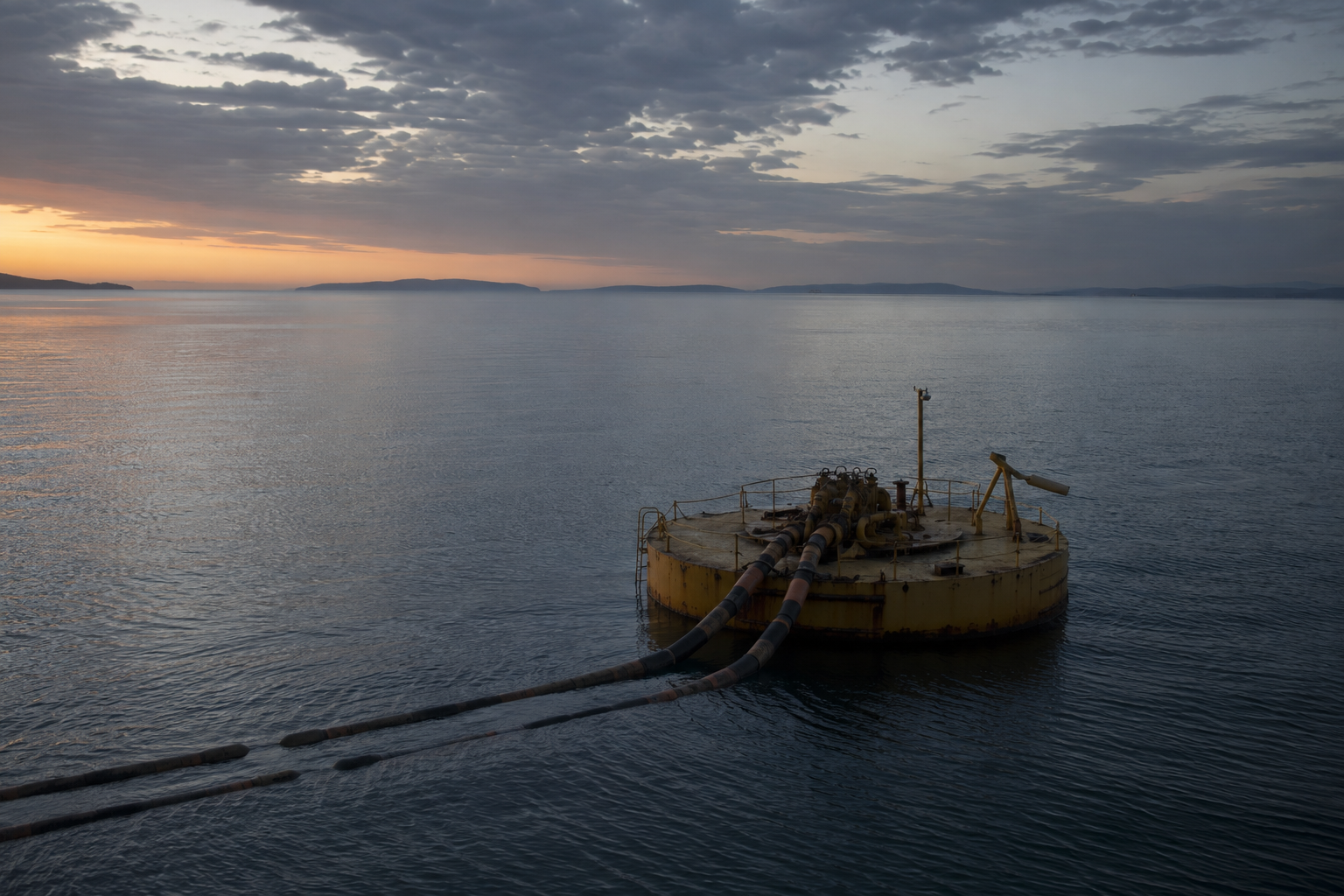
The drones reached the tankers loading Kazakhstan’s oil
On 17 and 19 July drone strikes hit three tankers serving the Caspian Pipeline Consortium’s Black Sea terminal, two of them at the loading berths with Tengiz and Kashagan crude aboard. Loading stopped, and on Sunday Kazakhstan’s foreign ministry called the attacks an encroachment on the country’s economic interests, demanded they end and reserved the right to claim damages.
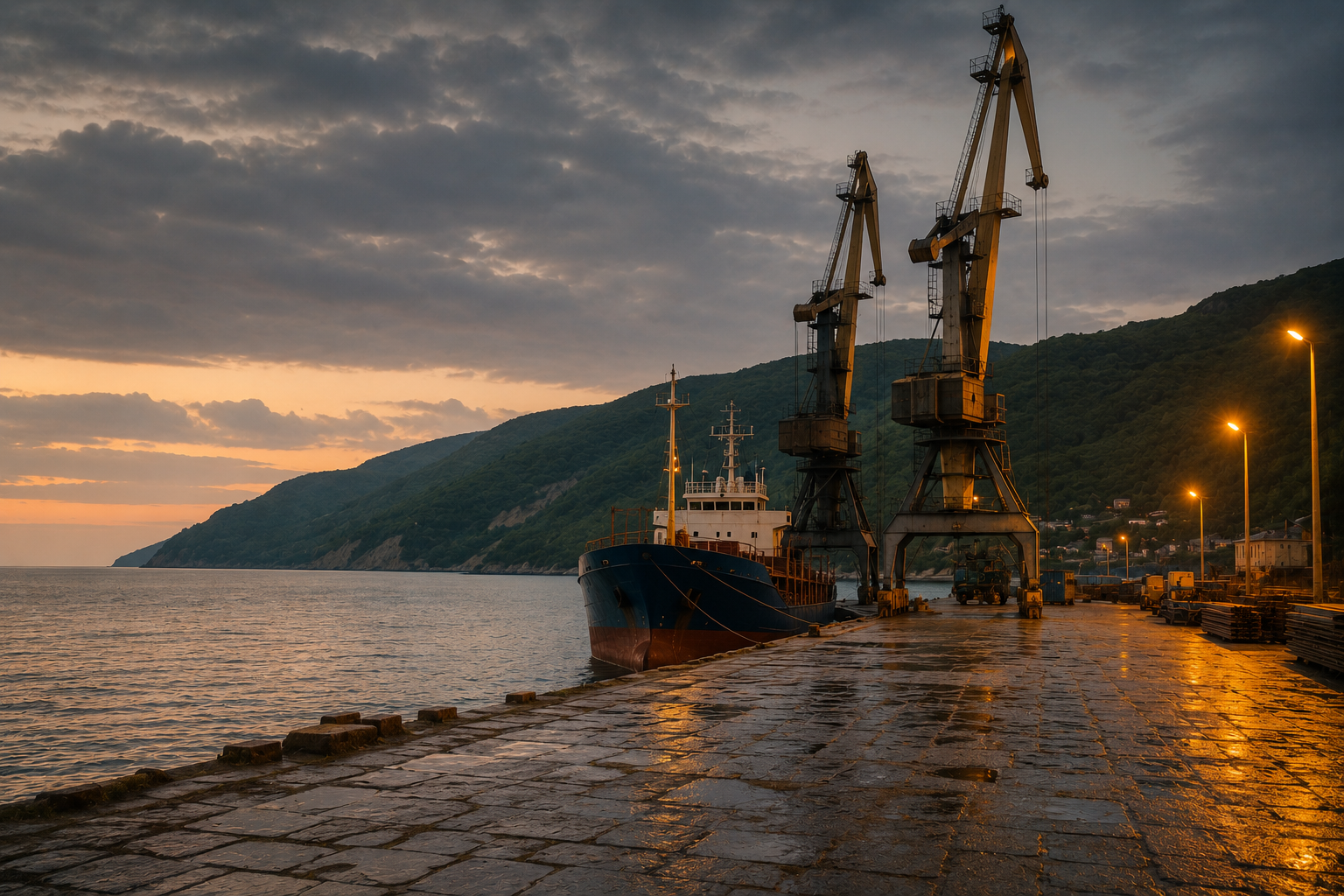
Turkmenistan negotiates its own terminal on the Black Sea
At a business forum in Georgia on 16 July, Serdar Berdimuhamedov said Ashgabat is in talks to establish a Turkmen cargo terminal on Georgia’s Black Sea coast. Add the Damen dredging talks at Turkmenbashi and the Baku transit spine, and the corridor’s quietest player is assembling positions at every gate between the Caspian and Europe.

Kazakhstan asks to host the founding of China's AI order
In Shanghai on 16 July, 29 states signed the agreement establishing the World AI Cooperation Organization. On the 17th, speaking at the WAIC opening, President Tokayev offered Astana for the body’s inaugural meeting and asked for its Central Asia office. Three weeks after joining the US-led Pax Silica bloc, Kazakhstan holds founding papers in both AI systems.

Shanghai hands Kazakhstan a $15 billion signing day
Tokayev’s administration says his working visit to China has produced more than 70 commercial agreements worth over $15 billion, signed in the course of a visit built around Thursday’s talks with Xi Jinping and a round table with the heads of Chinese companies. On Friday the president moves to the World AI Conference. The week now reads as a single Chinese arc: a legal convention on Monday, an order book on Thursday, algorithm governance to close.

The railway the premier called weak signs $400 million with China
A day after Bektenov’s "remains weak" landed on the cabinet record, Kazakhstan Temir Zholy announced a package of agreements signed with Chinese partners in Shanghai, worth about $400 million, part of it denominated in yuan. In the same days, Tokayev flew to Shanghai to meet Xi Jinping.

Kazakhstan switches on money that reports itself
On 18 July the digital tenge becomes legal tender in full circulation, and its defining feature is the mark: the law lets each digital tenge be tagged with a unique identifier, and every movement runs on the National Bank’s platform, so the state can trace the money it issues. Uzbekistan is fighting over whether banks must report large transfers. Kazakhstan has built a currency that makes the question obsolete.

Uzbekistan starts rolling the sheet steel it has always imported
On Monday Mirziyoyev pushed the button on an $839 million casting-and-rolling complex at Uzmetkombinat in Bekabad, the country’s first production of hot-rolled sheet. Two days later, in the middle of a +44 to +46 heat warning, the national grid set a consumption record. The steel week tells one story from both ends: Central Asia’s industrial ambitions are arriving faster than the systems meant to feed them.
A billion dollars keeps the som exactly where it is
Kyrgyzstan’s National Bank has intervened in the currency market nine times this year, always as a seller of dollars, and the disclosed operations alone sum past $1.1 billion. The official rate has sat at 87.45 to the dollar since at least mid-June. A rate that does not move in a month of 11% inflation is a defended line, and the defense is getting more expensive.
The region’s fuel importer starts guarding fuel like an exporter
Kyrgyzstan, which buys over 90% of its fuel from Russia, banned the export of gasoline, diesel and crude on Tuesday, indefinitely: the ban runs until the domestic market is fully supplied, or until the EAEU’s common oil market arrives, whichever comes first. The government says it has asked five countries for help and signed fuel contracts with Belarus and China.
Almaty’s winter project is 26% built, and the premier starts naming names
Prime minister Bektenov used Tuesday’s government meeting to threaten the head of Samruk-Energo with personal responsibility if Almaty’s CHP-3 is not finished by year-end. The gas-conversion project stands at 26%. In June the same warning went to the head of the railways, who is now the former head of the railways.

Kazakhstan’s oil windfall lands on a 3.3-million-tonne hole
A day after Brent’s biggest jump in six years, Kazakhstan’s energy minister told the government that first-half output fell 8.4%, to 45.7 million tonnes. The price came from one war; much of the hole came from the other. And the ministry’s patch for it is the one CAW watches for: deferring maintenance.

Korea courts Mongolia with a golden era and a minerals list
Lee Jae-myung’s state visit to Ulaanbaatar, the first by a South Korean president in 15 years, ended Saturday at Naadam, after a "Golden Era" declaration and a stack of memoranda. He arrived straight from the NATO summit, and the itinerary is the message: defense industry in Ankara, critical minerals in Mongolia, and a Central Asia summit in Seoul this autumn.

Tajikistan counts 17 dead on the Afghan border in six months
Tajikistan’s Anti-Drug Agency says Tajik forces fought 7 armed clashes with Afghan smugglers in the first half of 2026 and "neutralized" 17 Afghan citizens. In the same report, seizures fell 5% and drug crimes came in below last year’s count. The flow is shrinking on paper while the line gets deadlier, and that combination is the story.
Oil at $83 pays Kazakhstan and bills its neighbors
Brent settled at $83.30 on Monday, up 9.6% in what CNN called its biggest one-day percentage gain in over six years, after Washington announced a blockade of Iranian ports and Tehran hit two Emirati tankers in the Strait of Hormuz. Crossings through the strait have more than halved. For Central Asia the same price line runs in two directions at once.

Armenia moves to take its power grid, and the price is the message
The public consultation on declaring Electric Networks of Armenia an overriding public interest closed on 8 July; the government decision is due in mid-July. Documents obtained by RFE/RL put the state’s net offer for a grid that absorbed some $900 million of investment at roughly $360,000. The decision will be read far beyond Yerevan.

Uzbekistan carves out a constitutional enclave for foreign capital
Mirziyoyev has signed the constitutional law on the Tashkent International Financial Center: a district of the capital where English common law applies, a court can seat foreign judges, the regulator’s acts outrank national legislation, and tax exemptions run to 2076. It is the region’s third English-law enclave, and the first anchored in a constitution’s own tier of law.
The Syr Darya treaty is now law in both capitals
Tokayev has signed the law ratifying Kazakhstan’s agreement with Uzbekistan on joint management of transboundary waters, completing a process Tashkent finished in March. The two states that share the river’s lower course now have a standing commission, and a basin that has run on annual improvisation gets its first permanent bilateral machine.

Russia bans all diesel exports, and starts buying fuel itself
Resolution 854 of 8 July extends Russia’s diesel export ban to the producers themselves through 31 July, and deputy prime minister Alexander Novak says the country begins importing fuel this month. For the Central Asian states that run on Russian fuel, the quota survives on paper. The molecules now have a competing buyer.