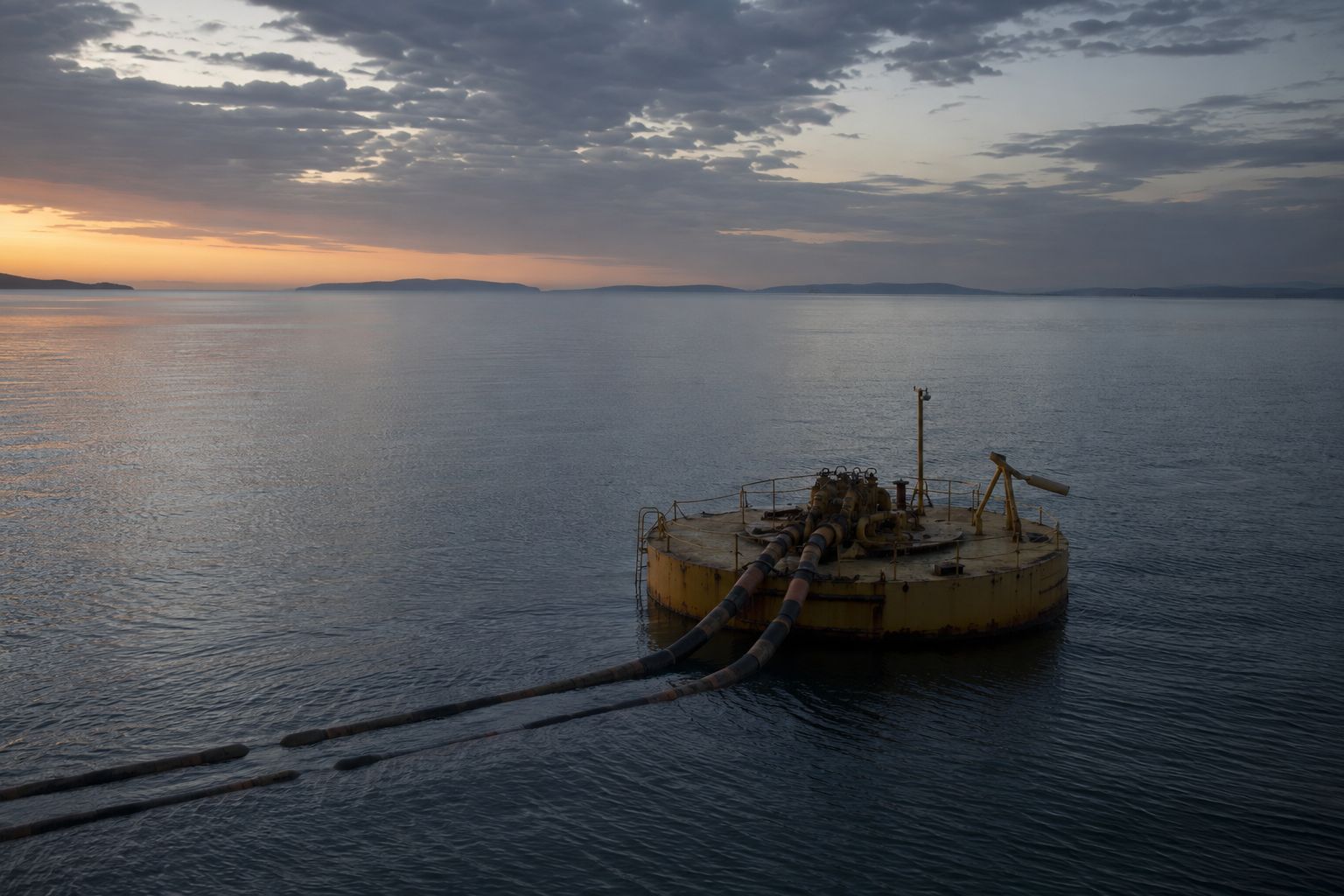
The record first. The 17 July strike set fire to the tanker Nordic Zenith; the crew put it out. On the 19th, drones hit the tankers ASIA and NISSOS IOS as they loaded at the terminal’s single-point moorings. By the consortium’s account, ASIA carried Tengizchevroil cargo and NISSOS IOS carried oil belonging to Kashagan B.V. and KazMunayGas; the crews were international, the fires were extinguished, no oil spilled, and loading was suspended. CPC counted it as the fifth attack on its facilities.
The foreign ministry’s Sunday statement condemns the strikes on vessels engaged in legitimate oil transportation through CPC infrastructure and calls them an "inadmissible encroachment on the economic interests" of Kazakhstan. It says a mechanism agreed by all interested parties for exchanging information on civilian vessels entering the Black Sea to load at CPC terminals was deliberately ignored, endangering crews. Astana demanded an immediate halt, said it is assessing damage, and reserved every remedy international law allows, including compensation claims. Wire renderings of the statement carry the demand as addressed to Ukraine.
Both of Kazakhstan’s oil exits came under fire in the same week: the southern route on paper, the northern route in steel.
The arithmetic is unforgiving. The route through Novorossiysk carries most of Kazakhstan’s crude exports, and July loadings were already trimmed to 1.6 million barrels per day after the Orenburg strike forced Karachaganak to cut output. Every day the berths stand idle now comes out of that reduced number. The cargo hit on Sunday belonged to Tengizchevroil, where Chevron leads, and to the Kashagan and KMG line, which is why the consortium framed the strike as a matter for every shareholder state at once.
For Astana the statement is a first-order move on a board it has tried to stay off. Ten days earlier the same ministry was denying Russian claims that the Omsk-strike drones flew from Kazakh soil; on Sunday it aimed a formal demand up the other azimuth. The construction is careful: the case rests on international law and an ignored deconfliction channel, with the damage claim held in reserve.
What converts next: when loading resumes and at what tempo; whether July’s 1.6 million barrels holds through the month; whether the reserved claim becomes a filing; and whether Kyiv answers a protest from a region it has been courting as a sanctions-compliance partner. The last point is the corridor politics of the season. Brussels has been paying Central Asia for compliance; this weekend the drones billed the region for the war.