Search

A Rio Tinto mine outlives a government: Mongolia and the second deal
Mongolia’s parliament formally instructed the government to secure at least 53% of the economic benefit from the Rio Tinto-operated Oyu Tolgoi mine. Months later Rio Tinto and Ulaanbaatar agreed to cut financing and management costs and set 2027 as the target for the first dividends, and the public documents do not yet show the parliamentary requirement met in full. Madagascar, Bougainville and Juukan Gorge place the Mongolian case inside a wider pattern: Rio Tinto’s mines run for decades while the governments, contracts and communities around them change.
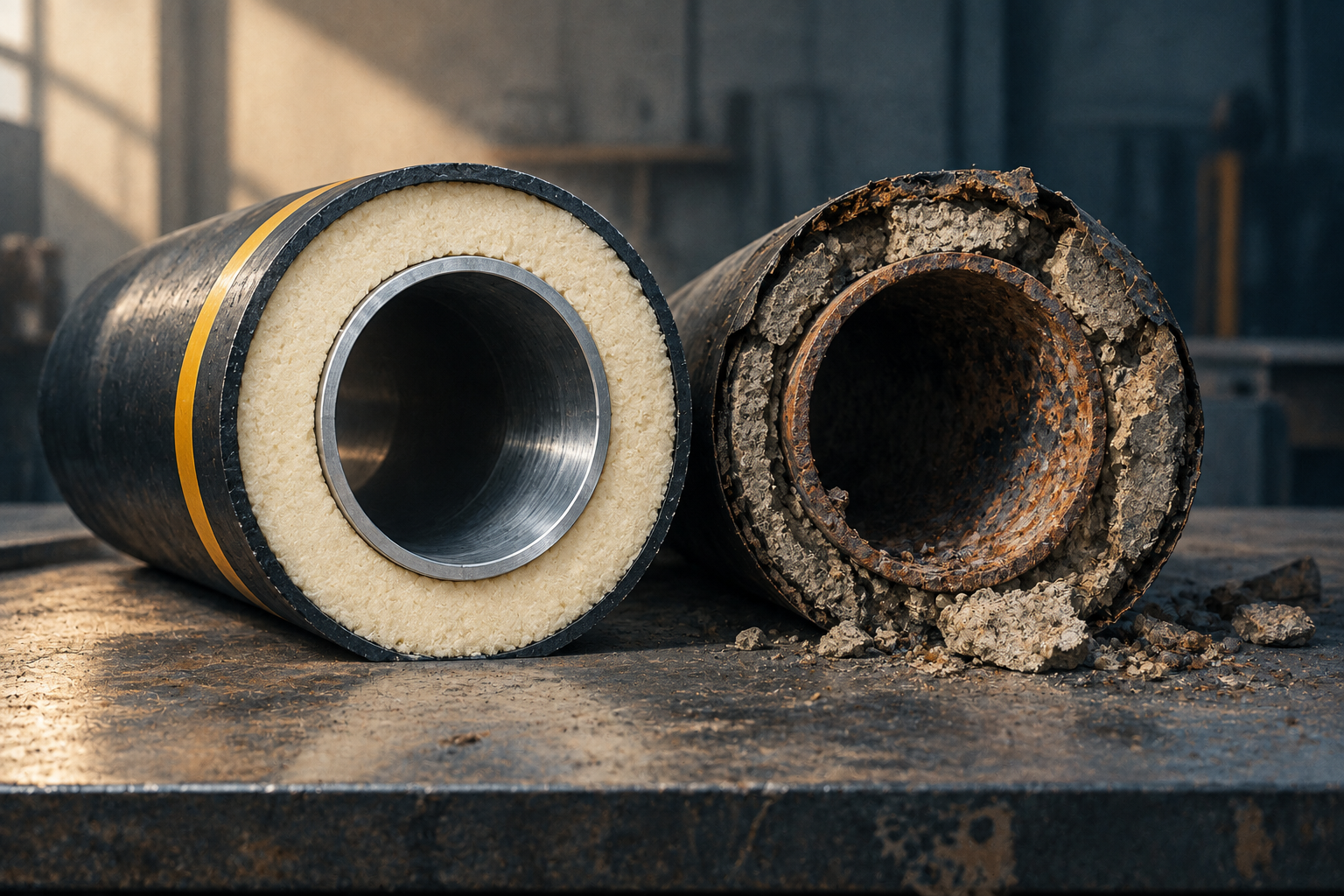
Kazakhstan's utilities overhaul has finished 14 of 347 projects as contractors win 112 complaints against its tenders
A deputy prime minister's review on Friday put the government's own numbers on the national project meant to renew Kazakhstan's utility and power networks by 2029. They show a programme budgeted at 13 trillion tenge and held up at the tender stage.
Trump signs the Graham act without a word, and the gas list's clock now runs to 18 October
The White House recorded the signature of H.R. 5334 on Friday 18 September in a single sentence. Under the law the president has 30 days to raise duties to as much as 100% on the 5 largest buyers of Russian oil or gas, and on CAW's count Kazakhstan and Uzbekistan sit at the edge of that 5.

Uzbekistan's central bank holds 90% of its reserves in gold and now plans to take its bond book beyond US Treasury bills
Abror Mirzo Olimov, deputy chairman of the Central Bank of Uzbekistan, told the first International Forum on Public Asset Management in Tashkent on Friday that the bank held about 439 tonnes of gold worth about $65 billion at the start of September, about 90% of international reserves of more than $72 billion, and that the bank plans to take its fixed-income portfolio of $1.766 billion, about 2.4% of reserves, beyond US Treasury bills into sovereign, subnational and other fixed-income instruments, Gazeta.uz and Spot reported.
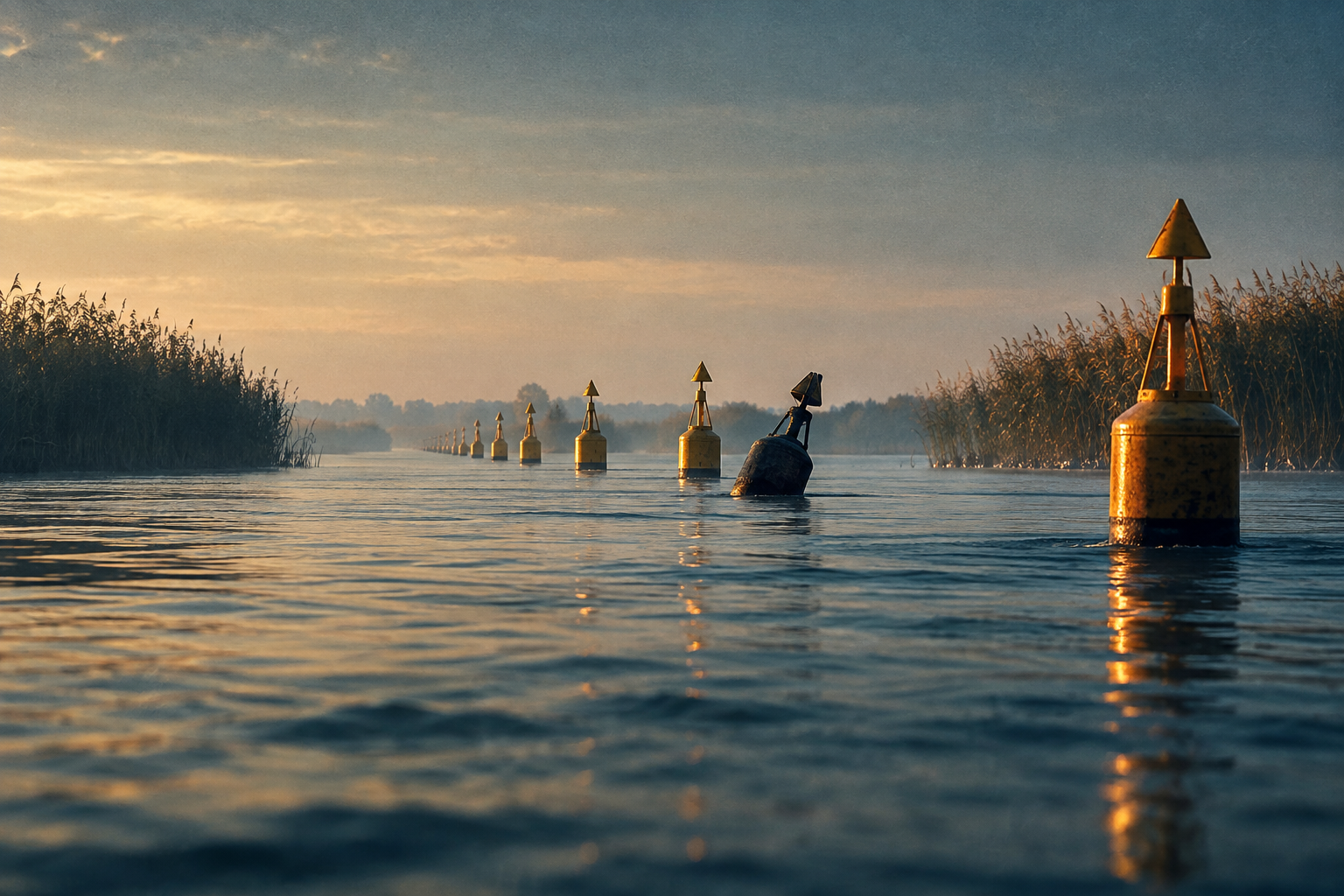
The Black Sea drone war reaches the Danube: a Turkish-owned freighter's captain is killed in the Bystre canal as Moscow claims cargo ships hit on 5 of the last 6 days
The Mariam M, a Tanzanian-flagged general cargo ship in the fleet of UBSM Shipping of Mersin, was hit by a drone in the Bystre canal of the Danube delta on Thursday morning on its way to load wheat at Reni. Ukraine's infrastructure ministry says the captain was killed and 3 crew wounded; Turkish maritime outlets put the dead at 2 and the wounded at 13. Russia's defence ministry, which names no ships, has claimed strikes on cargo vessels in Odesa, Chornomorsk and at sea on the Izmail approach on 5 of the last 6 days, on CAW's count of its statements.
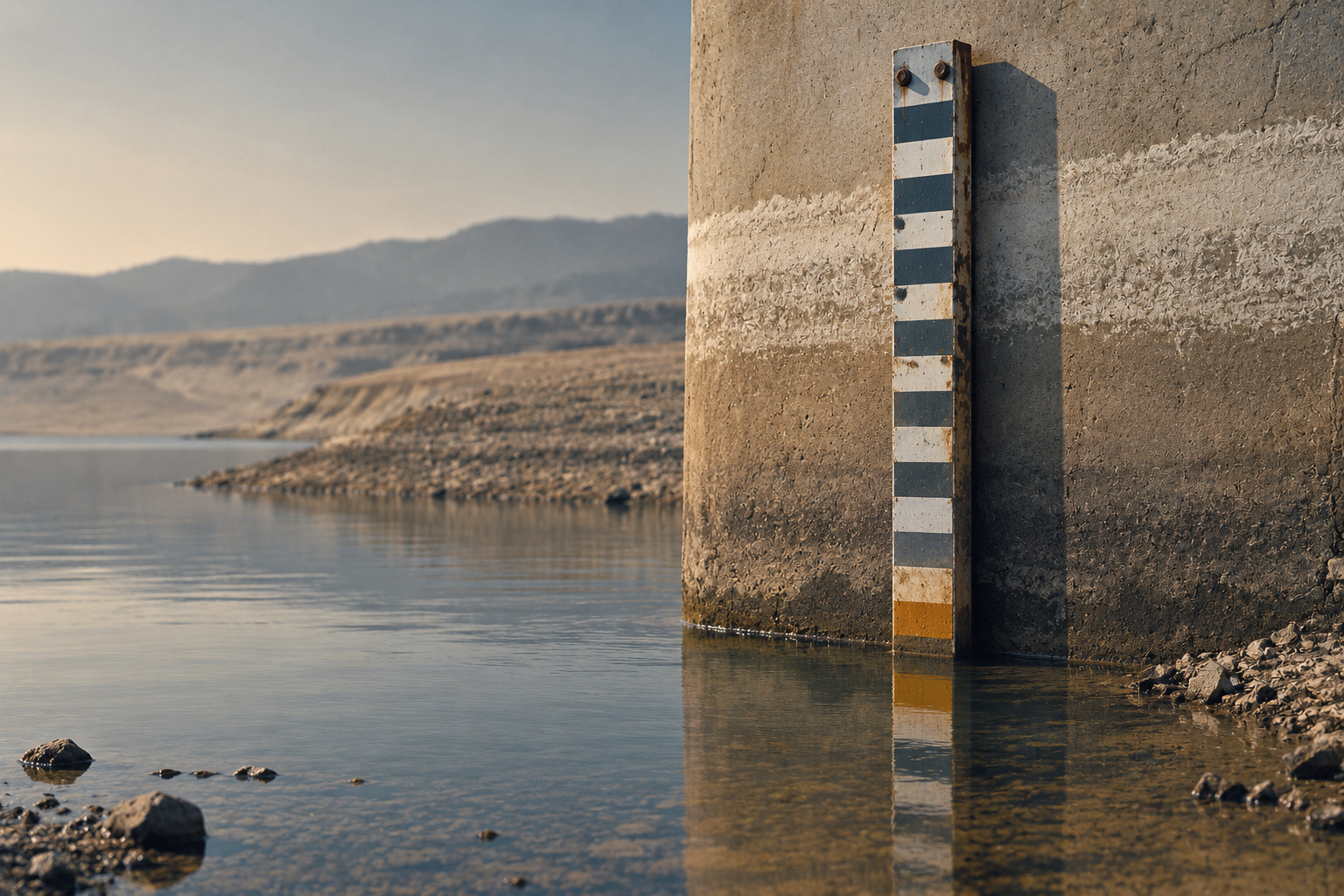
The WMO writes the region's water year down: reservoirs below normal from Kyrgyzstan to Afghanistan, the Aral basin's rivers in decline, glaciers with one of their 3 worst years on record
The World Meteorological Organization's State of Global Water Resources 2025, published on Thursday, records inflows to the reservoirs of Tajikistan, Uzbekistan, Kyrgyzstan and Afghanistan below or well below the 1991 to 2020 normal, a decline in flow across the Aral Sea basin, and the glacier balance of Central Asia in the year to September 2025 among the 3 most negative on record. Globally, 2021 to 2025 was one of the driest runs for river flow since observations began in 1991. Every water instrument the region has put on paper this month is priced to a river the report says is running short.

Washington's new tariff law counts Russian gas by volume, and Kazakhstan and Uzbekistan are closing in on its top five
The House cleared the Lindsey O. Graham Sanctioning Russia and Iran Act for the President on Wednesday with a 262 to 159 vote. It lets him put duties of up to 100% on all goods from the 5 largest buyers of Russian crude or gas. By the volumes on the record, Astana and Tashkent are fourth and fifth on the gas list, with about 1 billion cubic metres or less between them and the buyers behind.

Nurek’s second phase would put $220 million of AIIB debt on Dushanbe’s books as the World Bank’s grants give way to credits
The Asian Infrastructure Investment Bank’s project list carries a proposed $220 million sovereign loan for the second phase of the Nurek plant’s rehabilitation, with a concept review dated 3 July and the World Bank and the Eurasian Fund for Stabilization and Development as co-financiers, Asia-Plus reported on Wednesday. The World Bank has paid for the second phase so far with grants, $50 million in 2020 and $65 million in 2021, and its new country framework turned grants into credits on 1 July.

Kazakhstan’s budget lost 1.7 trillion tenge to the oil it did not pump, and 2027 is written at 480 tenge and $70
The first vice-minister of national economy, Azamat Amrin, put a figure on the year’s lost barrels as the 2027 to 2029 draft went to the Kurultai: 1.7 trillion tenge less for the budget, about 200 billion of it in export duty on the barrels that did not leave, on a production plan cut from 105 million tonnes to 96. The new draft assumes 480 tenge to the dollar against the 540 in the current law, and a $70 barrel against $60.

Mongolia’s parliament fails to make a quorum for a new justice minister and its rewritten fiscal rule; the 2027 draft prints a 2% deficit
Fifty-two of 126 members registered for Thursday’s plenary, 41.3%, and the Speaker moved the sitting to Monday. The Democratic Party sent 1 of its 42 members; the governing party sent 44 of its 68. On the agenda were the replacement of the justice minister sacked on Wednesday and the amendment that takes 2 indicators out of the fiscal rule.

Uzbekistan's central bank holds at 14% against 6.2% inflation, a real rate wider than Astana's or Yerevan's
The board kept the main rate on Wednesday and named the risks it does not control: world prices, the liberalisation of regulated prices and expectations that fall more slowly than inflation. Its target is 5% by the end of 2027, the year the pension draft's changes begin.
Pashinyan tells parliament the Trump route runs from Azerbaijan's border to Azerbaijan's border, and Armenia decides at the gates
On the day the Constitutional Court cleared the TRIPP agreement, the prime minister spent the government hour answering Baku's description of the route and Moscow's description of the price of Europe. He conceded the geography, kept the jurisdiction and moved the base question to Putin.

Seoul's declaration puts the summit on a 2-year clock with Astana next; the presidents' pitches ran from a Kyrgyz dam to a Turkmen gas plant
South Korea and the five Central Asian presidents adopted the Seoul Declaration on Wednesday: summits every 2 years, the second in Astana in 2028, a new industrial ministers' body under a supply-chain memorandum, and a Korea Desk inside each state's government structures to serve Korean companies. No sum appears in the presidential office's readout of the session. Sums came from the presidents at the business summit that followed: Tokayev's $19 billion of commercial agreements, Berdimuhamedov's 17 projects with Korean companies worth over $12 billion, Japarov's 10 business documents with the sums undisclosed.

Brussels puts €12 billion on the Middle Corridor, and Yerevan's court clears the Trump route the same day
Ursula von der Leyen told the European Parliament in Strasbourg on Wednesday that the EU will aim to crowd in up to €12 billion of public and private investment to link the South Caucasus and Central Asia directly to the European market, with a regional connectivity summit to be organised with Bulgaria's prime minister. In Yerevan the Constitutional Court's external relations department told News.am that the framework agreement with the United States on the Trump route is constitutional, and in Seoul Kassym-Jomart Tokayev asked Korea to integrate the Middle Corridor with that route. The corridor is now priced by three parties that do not build it, and its physical bottlenecks did not move.
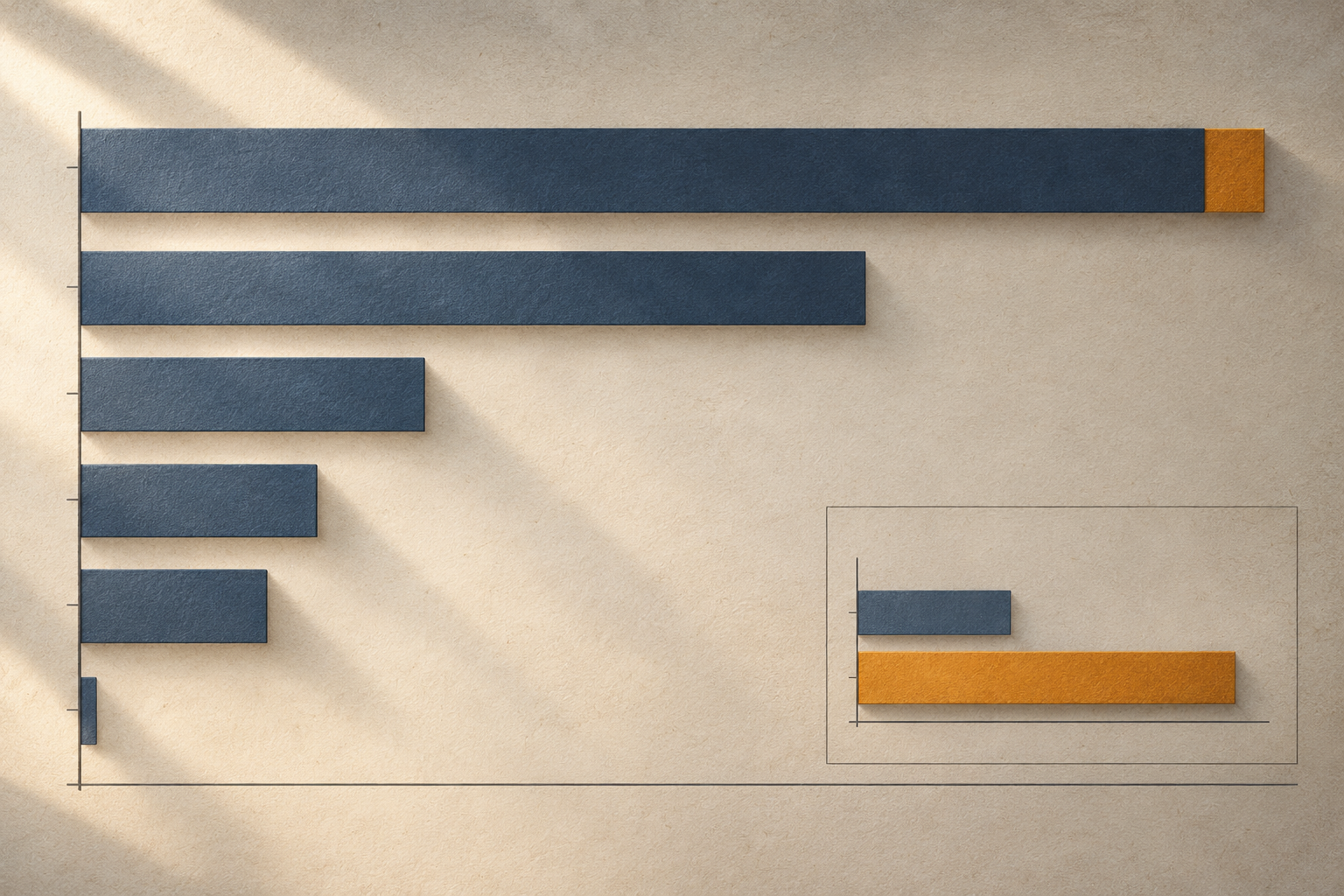
Kyrgyzstan's boom has a creditor: Russian suppliers are owed 52.3 billion roubles by Kyrgyz firms, and the CIS bill runs to 967 billion
Rosstat's count of what companies in CIS countries owe Russian organisations under direct contracts reached a record 967 billion roubles in June, up more than 40% in a year, Izvestia reported on Monday. Kazakhstan's firms account for 401.3 billion, Belarus's for 327.3 billion, Uzbekistan's for 81.7 billion, Armenia's for 65 billion and Kyrgyzstan's for 52.3 billion. The overdue share is 4.5%. Russian firms' own debts to CIS business run to about 506 billion. What remains is the trade credit on which the region's import boom from Russia runs.

Seoul's summit week reaches its declaration with five different baskets on the table
The first Korea-Central Asia summit sits in Seoul on Wednesday with a Seoul Declaration on supply chains and future industries to adopt. The week of bilateral talks that led to it shows what each capital came for: Kazakhstan a status upgrade and $19 billion of commercial agreements, Uzbekistan a $12 billion portfolio, Turkmenistan a named contractor for its canal, Tajikistan 17 documents with one railway agreement among them, Kyrgyzstan 18 documents and a trade office. Korea's instruments are loans and guarantees for Korean equipment. The declaration adds a calendar.
A $1 billion contract for Rogun's right bank appears in the World Bank's procurement plan, with 13 August in the signing column and no contractor named
The Bank's updated procurement plan for the Sustainable Financing for Rogun project, published on 6 September, lists Lot 3A, the remaining right-bank structures, at an estimated $1 billion, Asia-Plus reported on Tuesday. The package it replaces was priced at $1.385 billion and cancelled. A day earlier, in London, the finance minister signed an EBRD investment roadmap to 2030.
Armenia's central bank prices Russia's bans as a glut at home, and Strasbourg votes the alternative market the same afternoon
The Central Bank of Armenia raised its refinancing rate by 0.25 points to 6.75% on Tuesday and listed the restrictions on exports to Russia among the risks, as excess supply on the domestic market. The same afternoon the European Parliament approved, 583 votes to 49, a 2-year suspension of duties on about 80% of Armenia's exports to the EU.

Uzbekistan's finance ministry drafts a 12-year climb in the pension age for a fund the budget is set to top up with 23 trillion soums this year
The Ministry of Economy and Finance has posted a draft presidential decree, UzDaily reported on Tuesday, that would raise the retirement age by 3 months a year from 2028, to 63 for men and 58 for women in 2039. The same ministry's fiscal strategy books a 23 trillion soum budget transfer to the Pension Fund for 2026, up from 16.3 trillion 2 years earlier.

Mongolia signs the Oyu Tolgoi amendments 17 years on: a first dividend dated 2027, as the parliament that spent the coal dividend reopens
Prime minister Uchral announced, with Rio Tinto's Simon Trott beside him, that changes to the 2009 shareholders' agreement had been signed and confirmed, ikon.mn reported on Saturday; the government counts $8.4 billion off the mine's costs and about $4 billion more for Mongolia over its life. The Speaker opened the autumn session on Tuesday by calling it the first dividend in 17 years. The pension rise in this year's budget was paid from coal.