Energy
Resources and climate

Kazakhstan’s oil windfall lands on a 3.3-million-tonne hole
A day after Brent’s biggest jump in six years, Kazakhstan’s energy minister told the government that first-half output fell 8.4%, to 45.7 million tonnes. The price came from one war; much of the hole came from the other. And the ministry’s patch for it is the one CAW watches for: deferring maintenance.

Oil at $83 pays Kazakhstan and bills its neighbors
Brent settled at $83.30 on Monday, up 9.6% in what CNN called its biggest one-day percentage gain in over six years, after Washington announced a blockade of Iranian ports and Tehran hit two Emirati tankers in the Strait of Hormuz. Crossings through the strait have more than halved. For Central Asia the same price line runs in two directions at once.

Karakalpakstan shuts kindergartens as Uzbekistan braces for +46
Uzhydromet has issued an extreme heat warning for 13 to 17 July, with temperatures up to +44 to +46 and dust storms in places. In Karakalpakstan, the country’s driest region, cities and districts began suspending kindergartens on sanitary officials’ orders. The heat is a weather story for a week and an infrastructure story for longer.

Russia bans all diesel exports, and starts buying fuel itself
Resolution 854 of 8 July extends Russia’s diesel export ban to the producers themselves through 31 July, and deputy prime minister Alexander Novak says the country begins importing fuel this month. For the Central Asian states that run on Russian fuel, the quota survives on paper. The molecules now have a competing buyer.

Orenburg is back to a quarter of its normal intake from Kazakhstan's Karachaganak
Two weeks after a drone strike forced Kazakhstan to cut oil output at its giant Karachaganak field, the Russian plant that processes its gas is still running far below capacity. Kazakh officials say Orenburg is taking just 28% of its usual volume, and the Caspian Pipeline Consortium is cutting July exports 6% as a result.
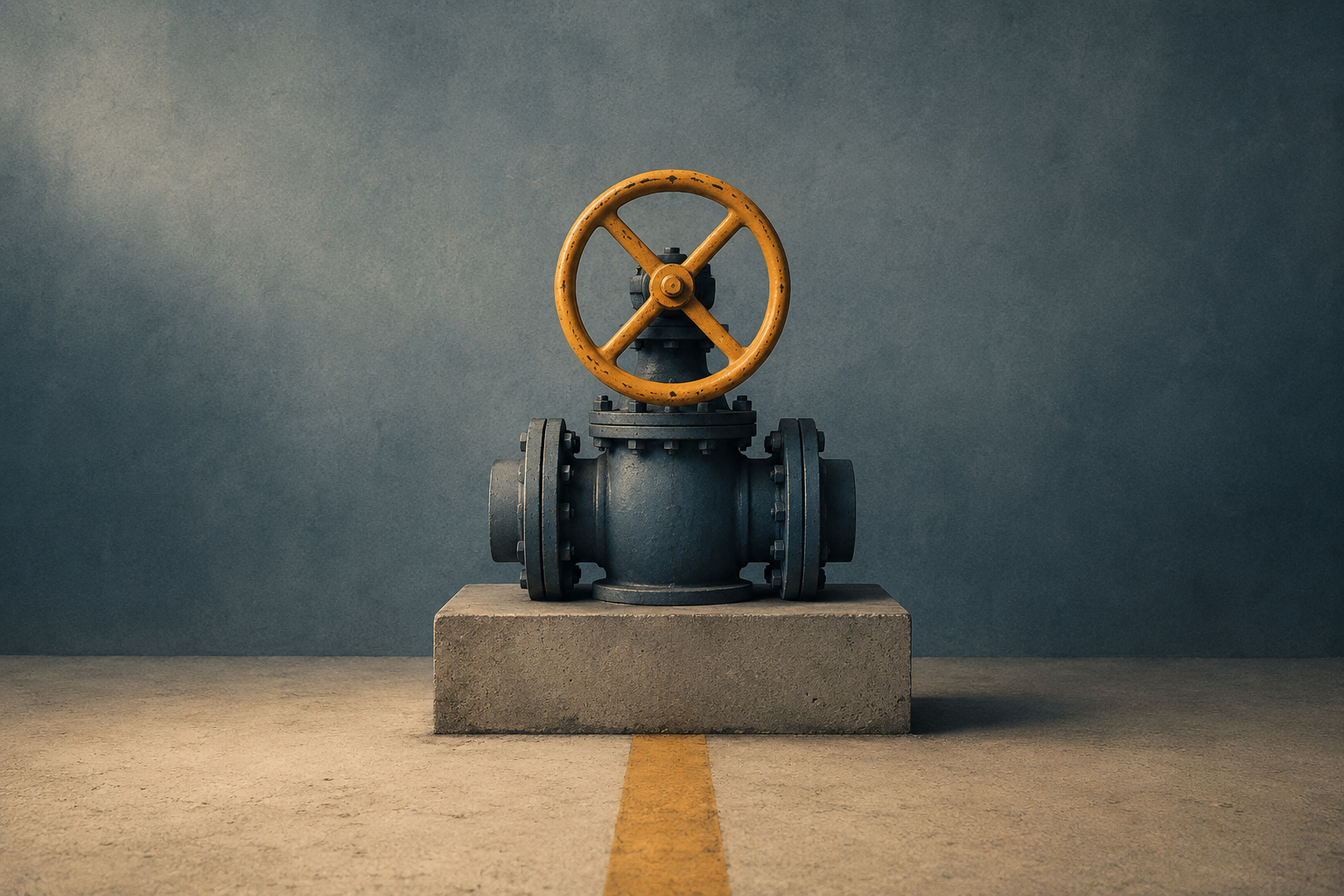
Kazakhstan's oil runs through a Russian switch, and a drone just flipped it
Kazakhstan is Central Asia's largest oil producer, yet on 24 June a Ukrainian drone 170 km inside Russia cut its crude output by a quarter at one giant field. Karachaganak's gas is processed in Russia, at a plant Astana does not control, and when that plant burned, Kazakh oil had to stop with it. The region's energy heavyweight commands its own barrels less than its size suggests.

Ukraine hit Russia's largest refinery, and Central Asia runs on its fuel
On 6 July Ukrainian drones flew some 2,500 km to set fire to the Omsk refinery, Russia's largest and its biggest maker of gasoline. Industry sources say the plant halted its main unit and pulled its fuel from the market. For Kyrgyzstan, Tajikistan and their neighbours, who run on cheap Russian fuel, the war has reached the petrol pump.

Uzbekistan spent $725 million importing gas in five months as its own output slid
Uzbekistan's natural-gas imports rose 84% year on year to $724.7 million in January to May, the state statistics committee reported, while its gas exports to China fell. A country that shipped gas abroad a decade ago now buys it to keep the lights on.
The gasoline Kazakhstan might send Russia would be made from Russian oil
Reuters reported that Kazakhstan agreed to ship 50,000 tons of gasoline to Russia as humanitarian aid. Astana's energy ministry says no formal request has arrived, and the only fuel it might send would be refined from Russian feedstock. That detail decides how to read the story.

Kyrgyzstan asks six countries to keep its petrol flowing
Bishkek has sent official requests for stable fuel supplies to Kazakhstan, Azerbaijan, Uzbekistan, Turkmenistan, Belarus and Russia itself. A country that buys about 90% of its petrol from one supplier is now shopping in every direction at once.
Uzbekistan’s petrol price hits a record as the regional fuel squeeze spreads
AI-92 petrol on Uzbekistan’s commodity exchange reached 13.9 million soums a ton on 29 June, about $1,160 and the highest level ever recorded. The jump lands while Russia restricts fuel exports, Kazakhstan’s biggest refinery sits in maintenance, and Uzbekistan’s own output keeps falling.
Armenia is about to take its national grid from a Russia-linked billionaire under house arrest
Armenia’s government says it will declare the country’s electricity distribution monopoly an asset of overriding public interest in mid-July, the last legal step before it takes the grid from Samvel Karapetyan. The tycoon is under house arrest, his company is fighting in international arbitration, and the offer on the table would let the state acquire a network valued by outside estimates at roughly $360 million for close to nothing.
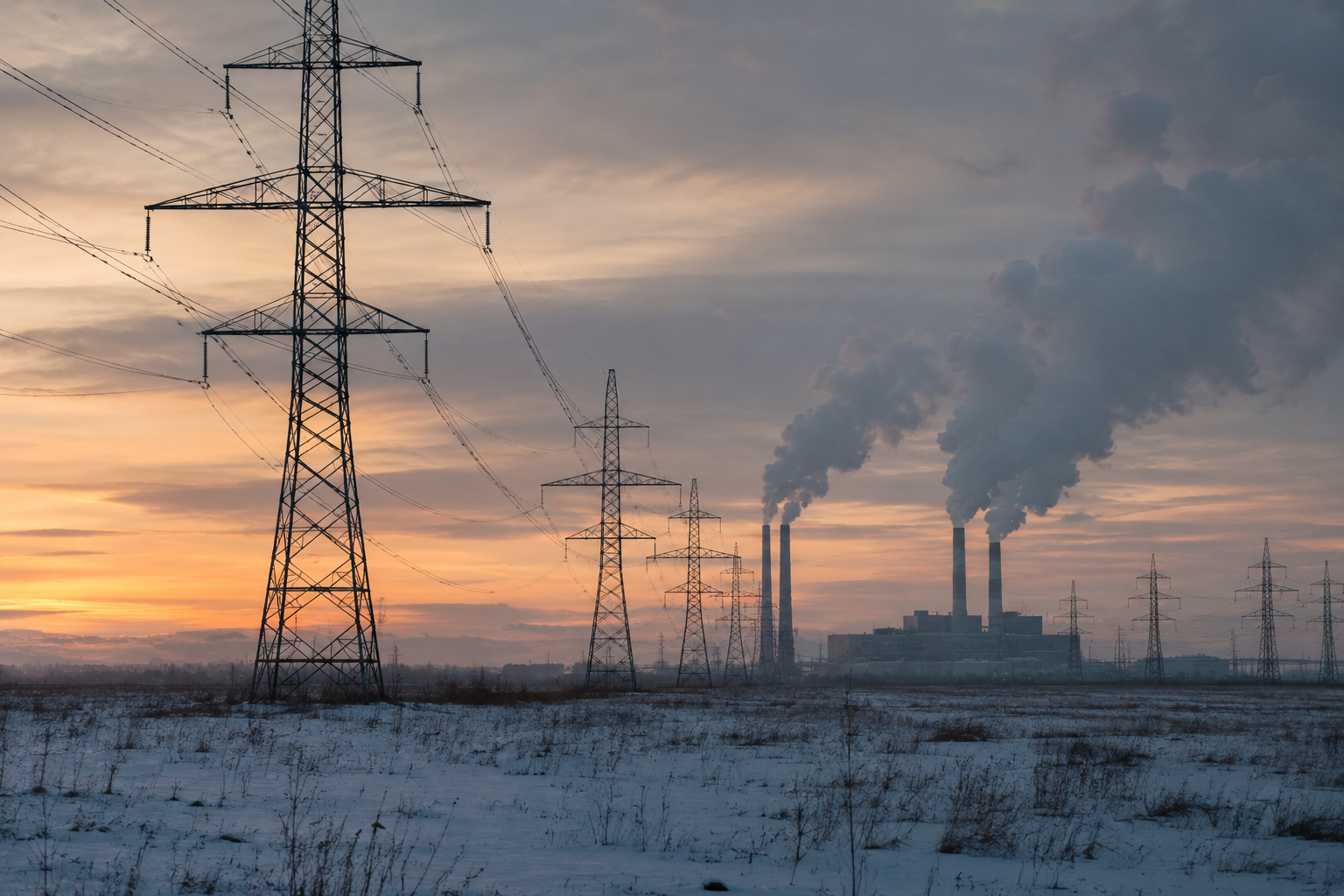
Mongolia’s energy workers begin an indefinite strike, testing a grid that leans on imports
From 8 a.m. on 30 June, energy-sector workers across Mongolia walked out for an indefinite strike after wage talks broke down, their union federation said. Only emergency crews stayed on, leaving a power system that already runs on aging plants and imported electricity under added strain.
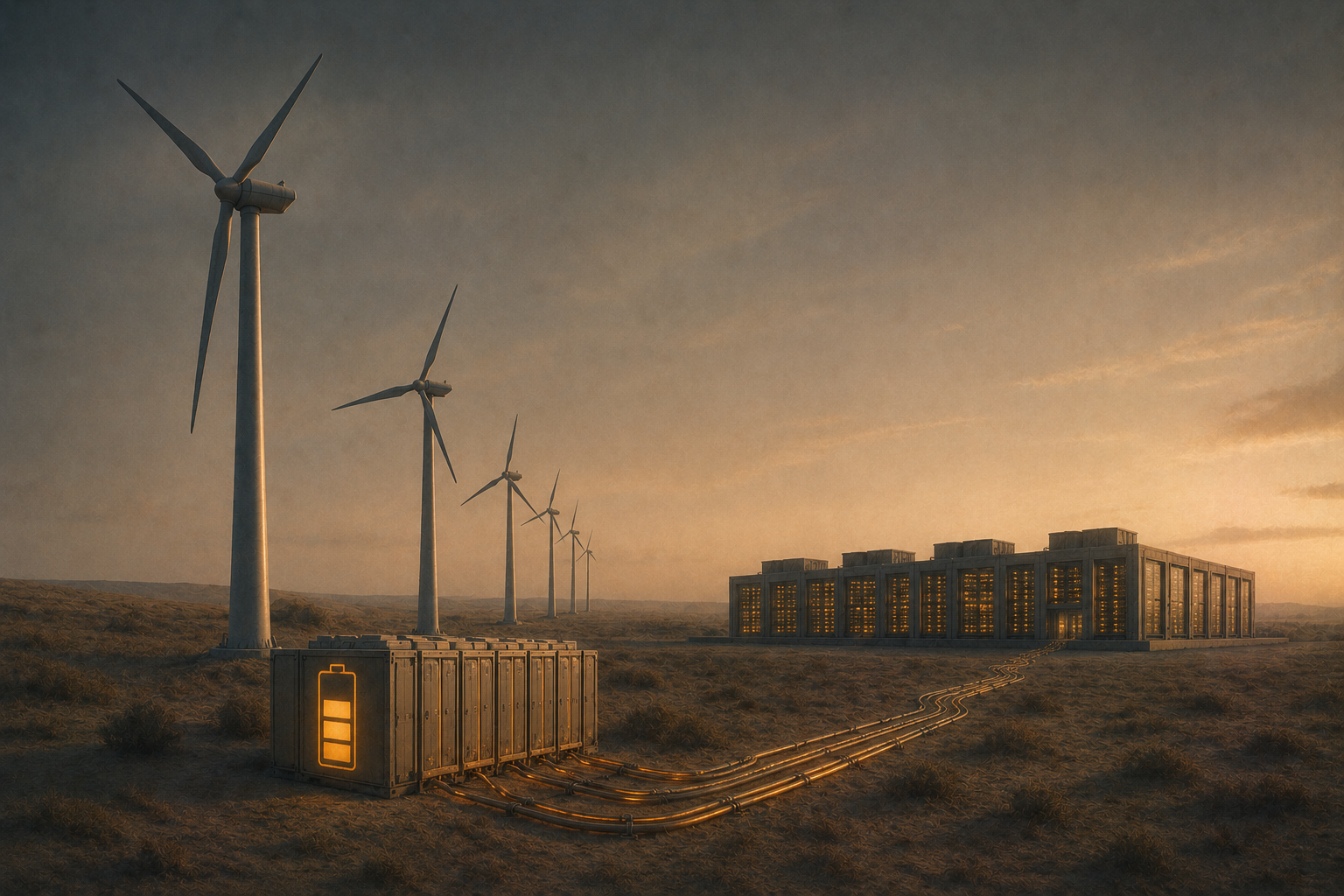
A $1.4 billion Gulf wind farm breaks ground in southern Kazakhstan, aimed at the lights and the data centres
Construction began on 29 June on a 1 gigawatt wind farm in Kazakhstan’s Zhambyl region, led by the Emirati developer Masdar at a cost of $1.4 billion. It is meant to ease southern Kazakhstan’s power shortages, and the same day Masdar signed up to explore round-the-clock clean power for the country’s data centres.

Kazakhstan is Europe’s third-biggest oil supplier now. Its own output is falling
Kazakhstan was the European Union’s third-largest supplier of crude oil in the first quarter of 2026, Eurostat data show, behind only the United States and Norway. It is a prize won from Russia’s exit, and a perch Kazakhstan may struggle to hold, because its own production is sliding.
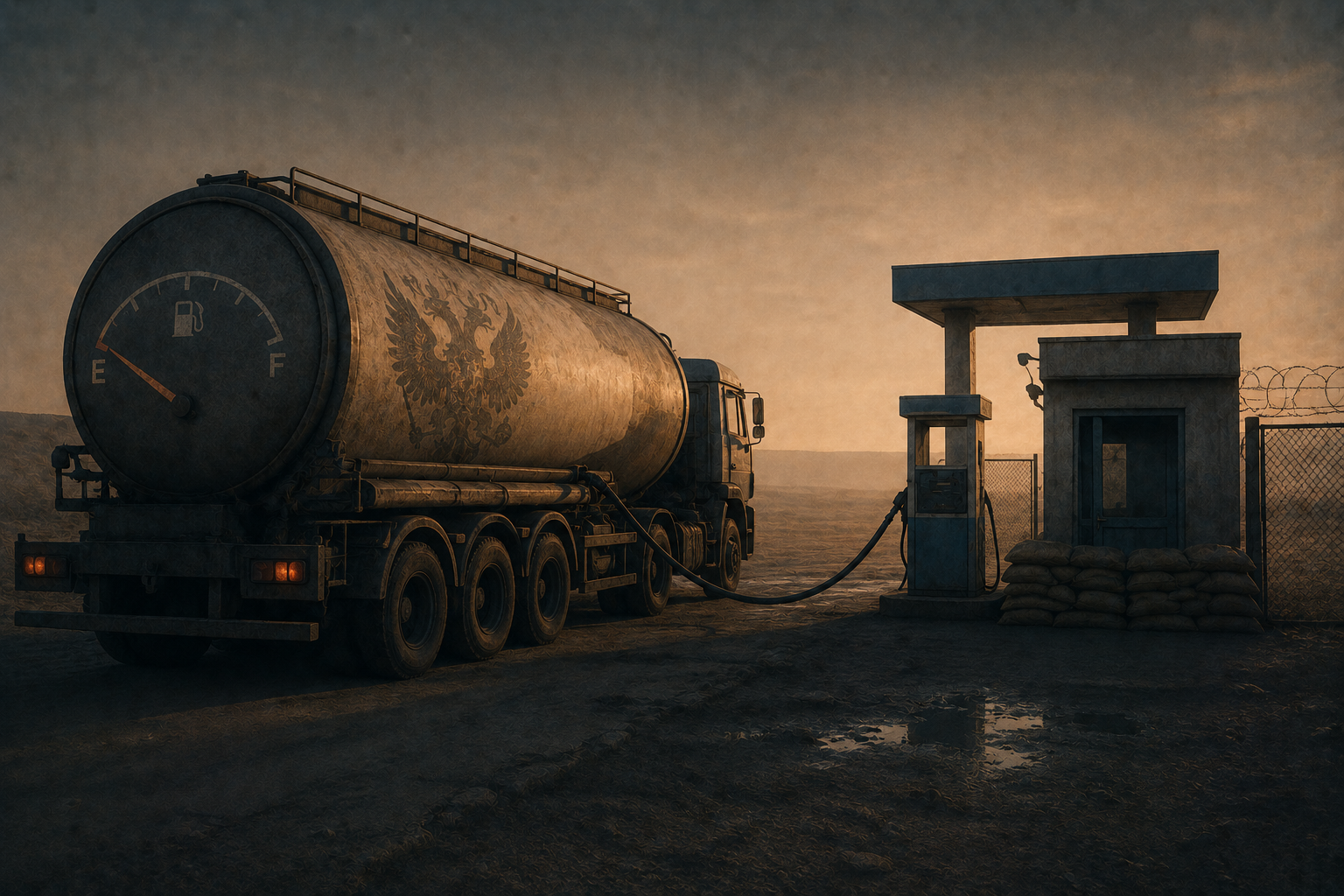
Russia asks Kazakhstan for petrol, and the supplier becomes the supplicant
Russia is in talks to buy about 50,000 tonnes of petrol from Kazakhstan as Ukrainian strikes knock out its refineries one by one. For years Russia was the region’s fuel backstop. That assumption is now running in reverse, and it is reshaping how Astana thinks about its own supply.

Hormuz shut again, and the southern route Kazakhstan is building sits behind the chokepoint
A cargo ship was hit off Oman on 25 June, the UN paused its evacuation of 11,000 stranded sailors, and Iran told vessels to use only its approved lanes through the Strait of Hormuz. For Central Asia the reminder is sharp: the wartime oil premium can return overnight, and the southern trade route Kazakhstan is betting on passes through the strait that keeps closing.
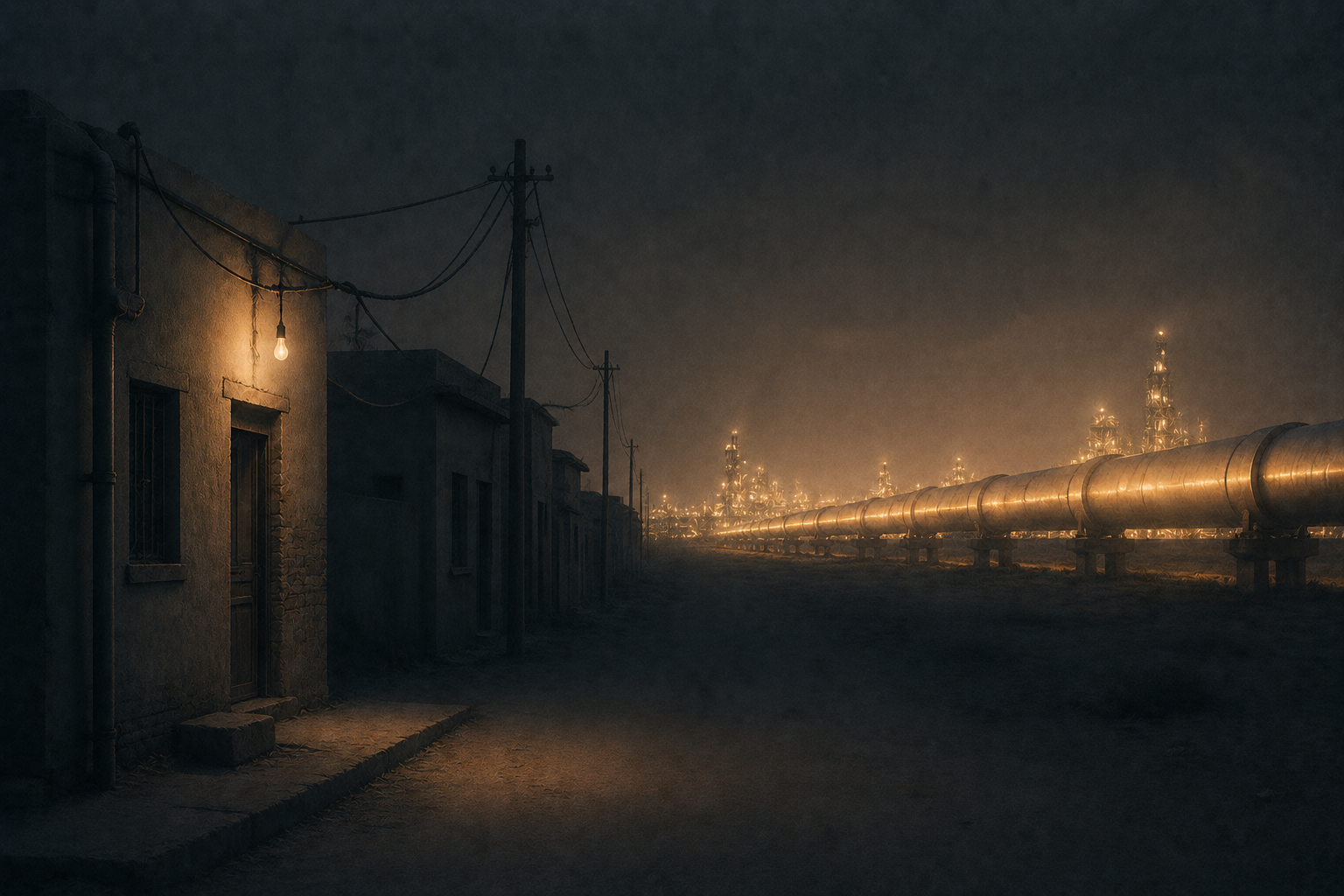
A gas superpower cannot keep the lights on in Mary, so it fired the officials
Turkmenistan holds some of the world’s largest gas reserves. In its Mary Region this month the power went out almost daily in 40-degree heat, a rare street protest followed, and the state’s answer was to dismiss local officials. The lights are still flickering.
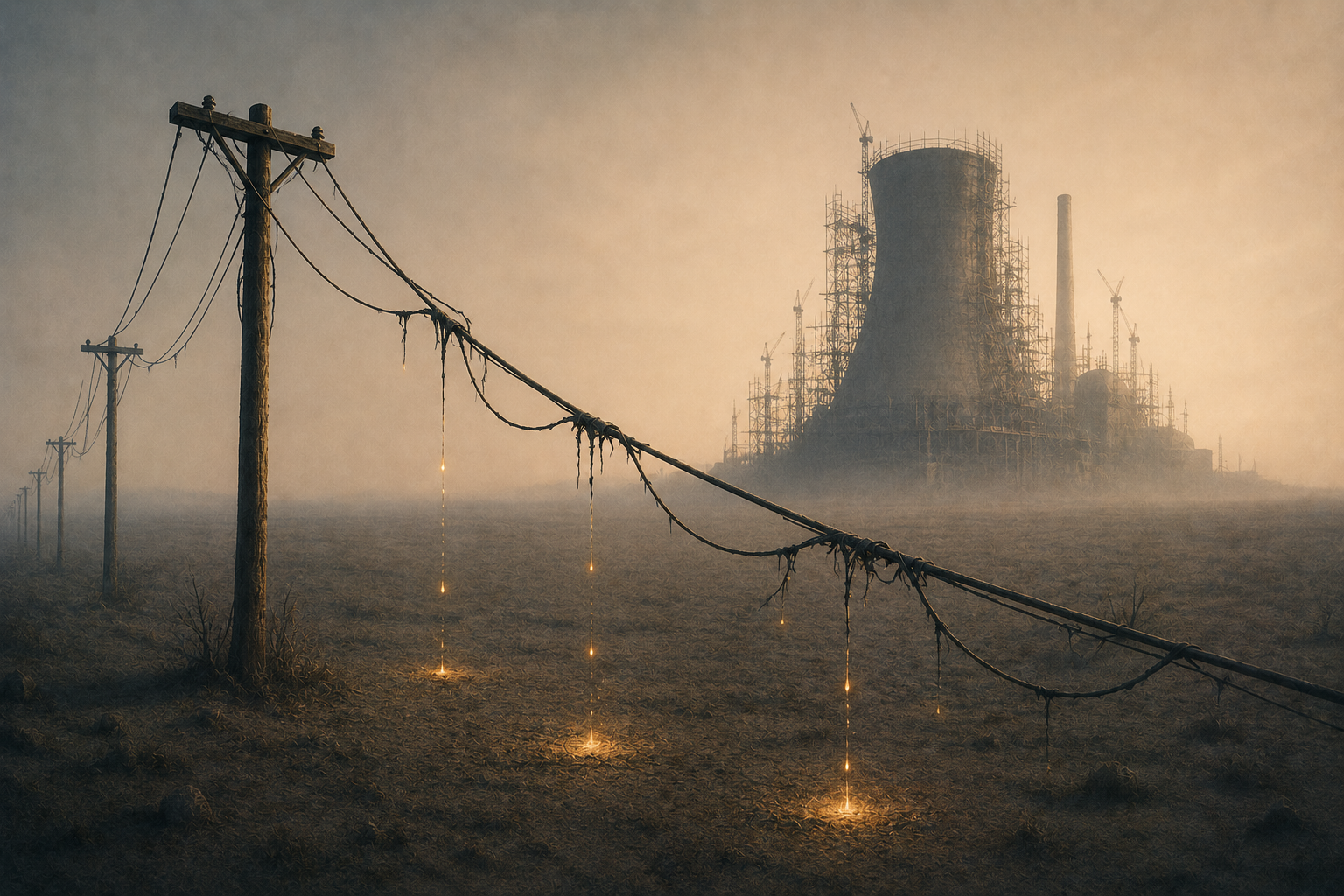
Before the reactors, the wires: Central Asia loses up to a fifth of its power in aging grids
While Astana and Tashkent pour concrete for nuclear plants, the EDB used its Almaty meeting to point at the cheaper problem underneath: aging generation and grids that lose as much as 20% of the electricity they carry.
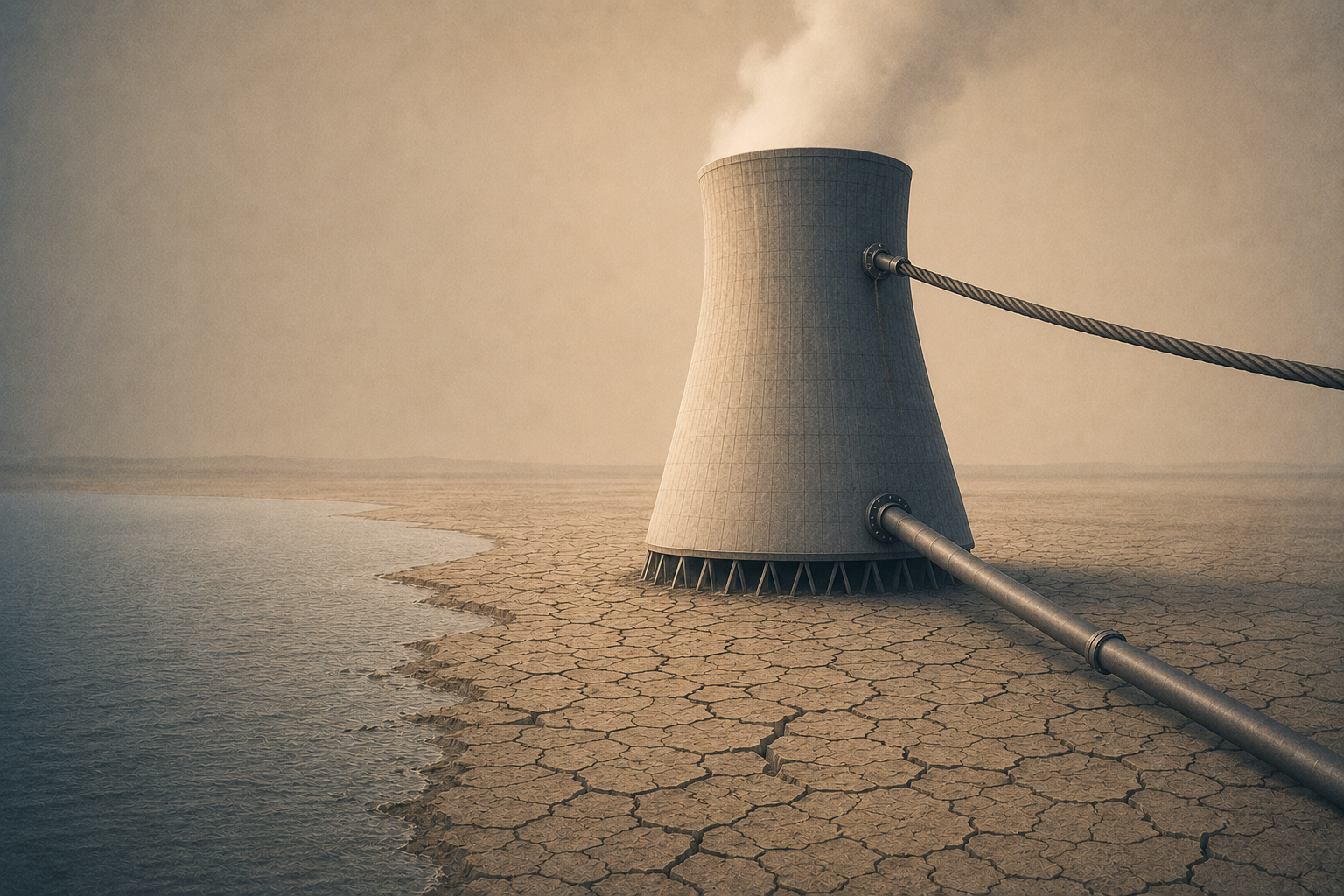
Central Asia is going nuclear on Russian reactors and Russian credit
Uzbekistan has poured the first concrete for its nuclear plant. Kazakhstan has signed a $16.5 billion deal for its own. Both will be built by Rosatom, financed largely by Moscow, and fuelled on Russian terms. The region that talks about loosening its dependence on Russia is pouring four decades of it into the ground.