All News
The latest wire briefs, newest first.

Kazakhstan joins the mediation body China built in Hong Kong
Foreign minister Kosherbayev signed the convention of the International Organization for Mediation in Beijing on Monday, making Kazakhstan a member of the first intergovernmental body dedicated to mediating international disputes. It is headquartered in Hong Kong, it was launched by China in 2025, and its membership list is the point.

Air Astana returns to Dubai after a 3-day suspension
Air Astana will resume UAE flights on 15 July, three days after it turned a Dubai-bound plane around in mid-air and suspended the route. The on-off pattern is becoming the story: the Gulf link now switches state with every turn of the war.

Karakalpakstan shuts kindergartens as Uzbekistan braces for +46
Uzhydromet has issued an extreme heat warning for 13 to 17 July, with temperatures up to +44 to +46 and dust storms in places. In Karakalpakstan, the country’s driest region, cities and districts began suspending kindergartens on sanitary officials’ orders. The heat is a weather story for a week and an infrastructure story for longer.

Uzbekistan’s central bank pushes back on the P2P reporting draft
The Central Bank has formally objected, on bank-secrecy grounds, to the draft that would make banks report large personal transfers to the tax authorities. The State Tax Committee answered over the weekend: no mass control of personal transfers is planned, and P2P transfers between individuals are not in themselves taxable. The comment period is closed and the decision now sits inside the government.

China builds Tajikistan’s answer to its $600 million rebar bill
On 9 July, Emomali Rahmon toured the site of Tajikistan’s largest new metals project, a plant on the Shohkadam iron-ore deposit meant to end the country’s reliance on imported steel. The company on paper is Tajik. The firms building it, supplying its core technology and wiring its power are Chinese, Indian and Austrian.

Kyrgyzstan drops its own price cap after the capped fuel vanished from pumps
Kyrgyzstan's government has removed AI-95 gasoline from price controls it imposed in May, after the capped fuel disappeared from filling stations in Bishkek. The subsidy scheme survives; the hard retail ceiling on the grade it was meant to protect does not.
Orenburg is back to a quarter of its normal intake from Kazakhstan's Karachaganak
Two weeks after a drone strike forced Kazakhstan to cut oil output at its giant Karachaganak field, the Russian plant that processes its gas is still running far below capacity. Kazakh officials say Orenburg is taking just 28% of its usual volume, and the Caspian Pipeline Consortium is cutting July exports 6% as a result.
Kazakhstan signs crypto decree that lets miners run on gas the grid doesn't need
President Tokayev signed a decree on 8 July laying out rules for a regulated digital-asset market, stablecoins, tax breaks and tokenised government bonds. One detail stands out: crypto miners can now be powered by associated petroleum and natural gas when the state doesn't need it for other purposes.

Kyrgyzstan borrows to fix its finances while opening a zone that pays no tax
On 1 July the Asian Development Bank approved another $70 million for Kyrgyzstan, this time to strengthen fiscal management and governance. Days earlier, on the shore of Lake Issyk-Kul, the government had opened a financial zone offering 49 years without tax. Bishkek is borrowing from the development banks to shore up a budget it is hollowing out at home.

Uzbekistan's first census since 1989 finds 810,000 people its estimates missed
Uzbekistan's first full census since Soviet times puts the population at 39 million, some 810,000 above the running estimate, a gap the size of a large city. The new baseline resets the numbers behind schools, water, farmland and the labour force. For the region's largest young society, the recount is a planning shock.

Uzbekistan spent $725 million importing gas in five months as its own output slid
Uzbekistan's natural-gas imports rose 84% year on year to $724.7 million in January to May, the state statistics committee reported, while its gas exports to China fell. A country that shipped gas abroad a decade ago now buys it to keep the lights on.

Russia's new RuID app now stands between Central Asian migrants and the border
From 1 July, visa-free travelers to Russia, including millions of Kyrgyz, Uzbek and Tajik citizens, must file an electronic application through the Gosuslugi RuID app at least 72 hours before crossing and show a QR code at the border. The paperwork is digital; the hold is old.
The gasoline Kazakhstan might send Russia would be made from Russian oil
Reuters reported that Kazakhstan agreed to ship 50,000 tons of gasoline to Russia as humanitarian aid. Astana's energy ministry says no formal request has arrived, and the only fuel it might send would be refined from Russian feedstock. That detail decides how to read the story.

Uzbekistan’s cargo boom is outgrowing its border posts
Cargo turnover grew 43% in the first half of 2026 and transit traffic 35%, the transport minister and customs chief reported on state television. The bottleneck has moved to the border, where the president wants throughput doubled.

Kyrgyzstan asks six countries to keep its petrol flowing
Bishkek has sent official requests for stable fuel supplies to Kazakhstan, Azerbaijan, Uzbekistan, Turkmenistan, Belarus and Russia itself. A country that buys about 90% of its petrol from one supplier is now shopping in every direction at once.

Armenia’s June vote heads to the Constitutional Court, with a 4 July deadline
Seven opposition parties are asking Armenia’s Constitutional Court to overturn the June parliamentary election that returned Nikol Pashinyan’s party to power. The court must finish reviewing the petitions by 4 July, and the election commission has already ordered a recount at several polling stations.
Kazakhstan sets the first Kurultai election for 23 August
Hours after the new constitution took effect on 1 July, Tokayev signed the decree calling elections to the single-chamber Kurultai for 23 August. The campaign for Kazakhstan’s first party-list-only parliament now has a date.
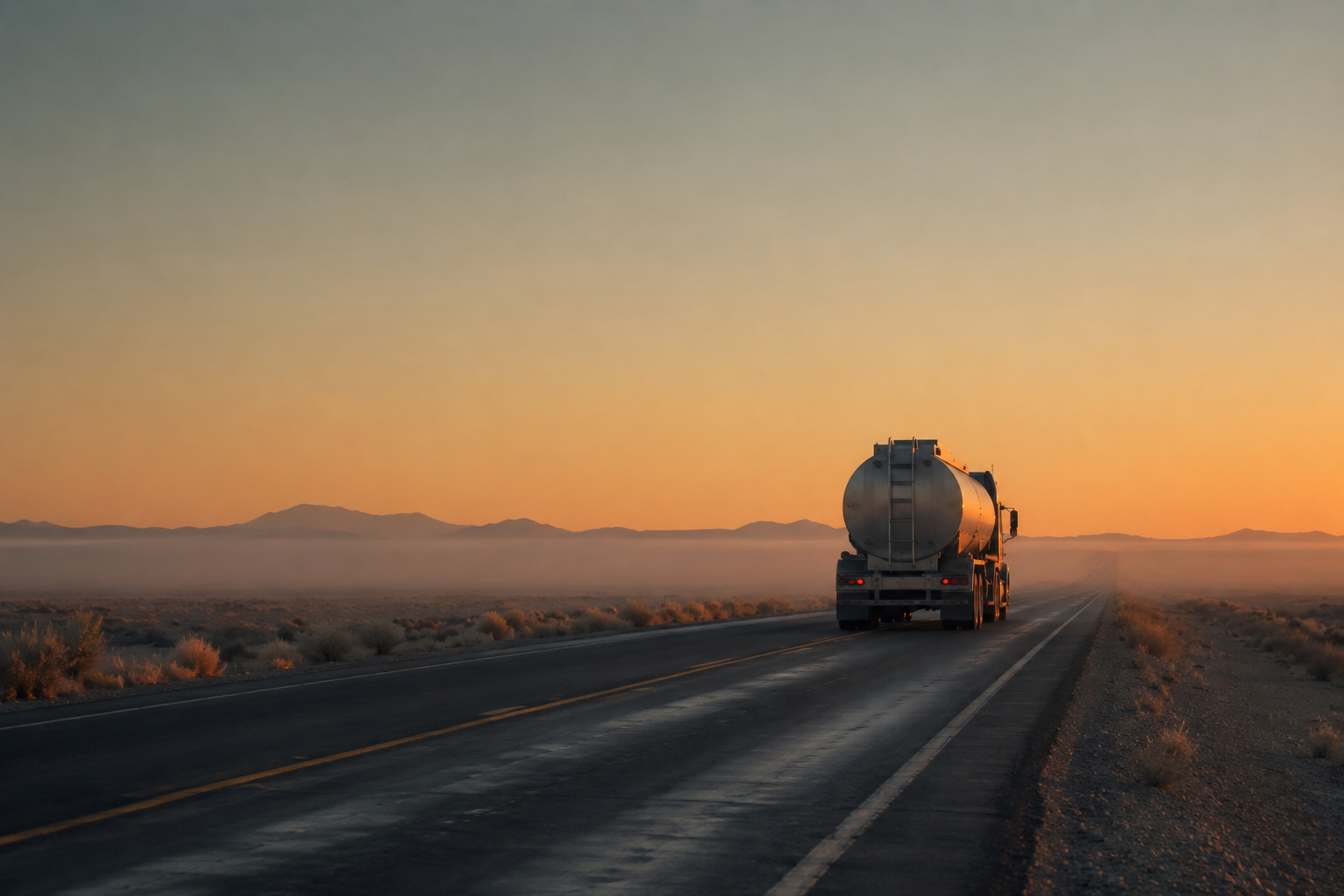
Uzbekistan’s petrol price hits a record as the regional fuel squeeze spreads
AI-92 petrol on Uzbekistan’s commodity exchange reached 13.9 million soums a ton on 29 June, about $1,160 and the highest level ever recorded. The jump lands while Russia restricts fuel exports, Kazakhstan’s biggest refinery sits in maintenance, and Uzbekistan’s own output keeps falling.
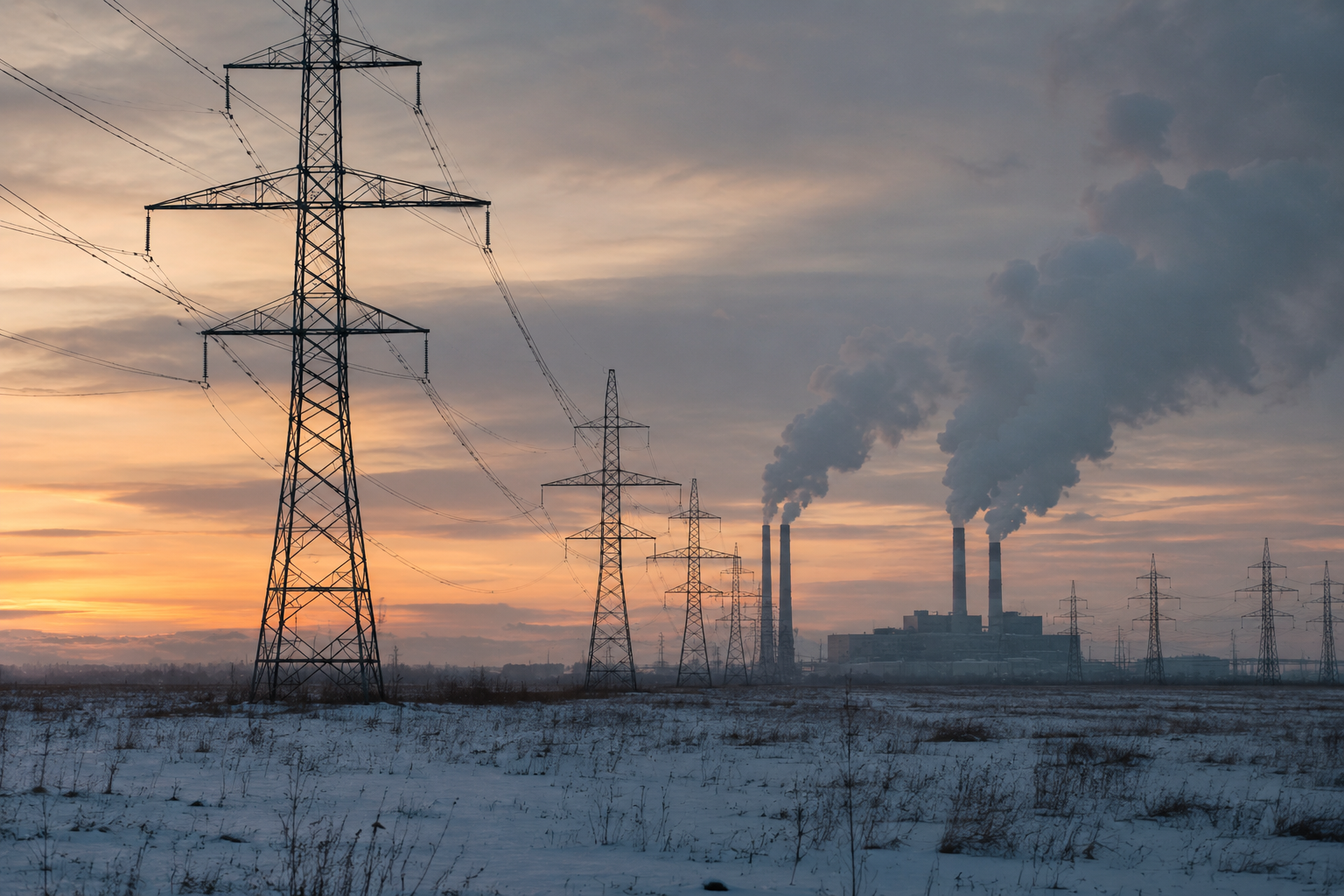
Mongolia’s energy workers begin an indefinite strike, testing a grid that leans on imports
From 8 a.m. on 30 June, energy-sector workers across Mongolia walked out for an indefinite strike after wage talks broke down, their union federation said. Only emergency crews stayed on, leaving a power system that already runs on aging plants and imported electricity under added strain.
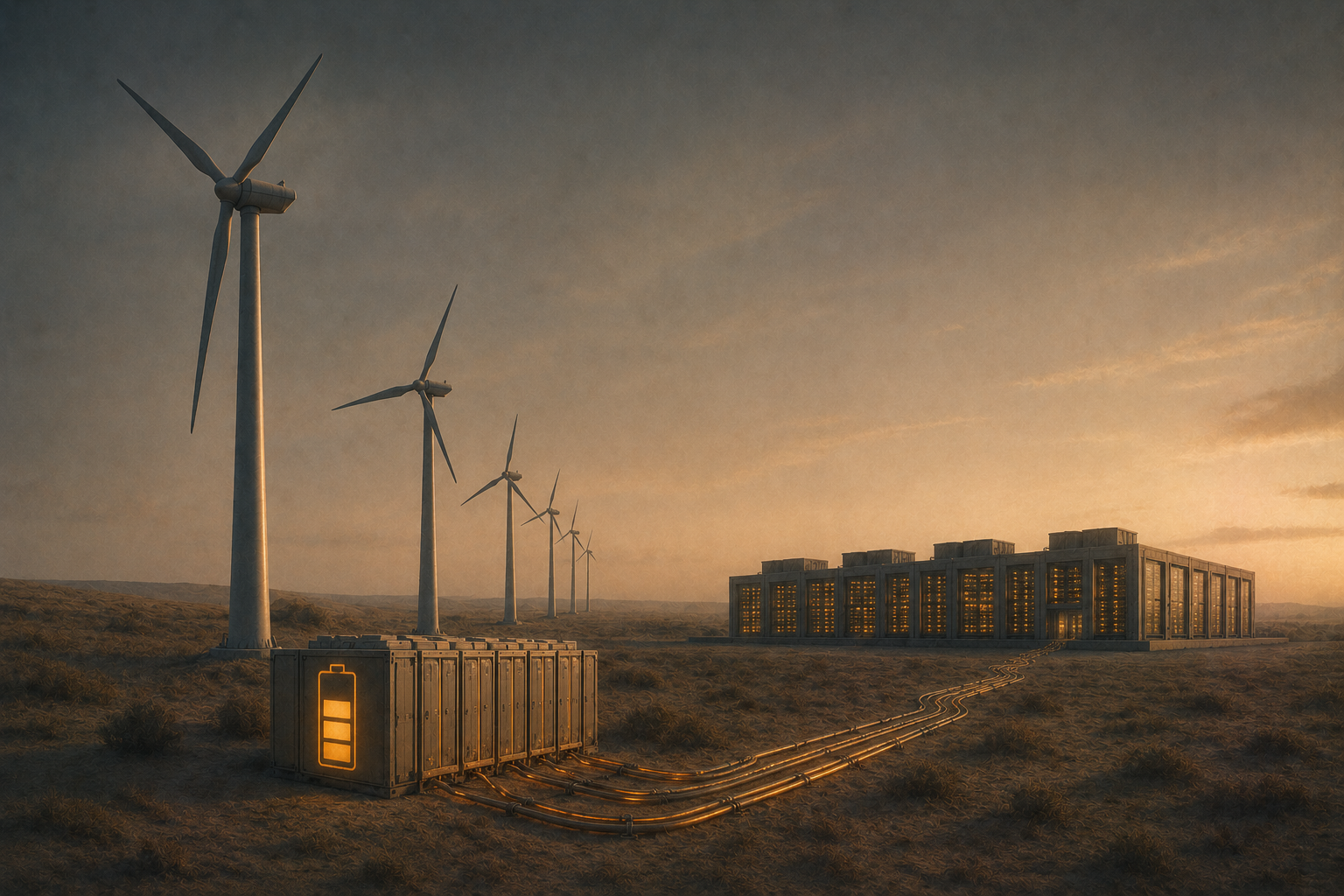
A $1.4 billion Gulf wind farm breaks ground in southern Kazakhstan, aimed at the lights and the data centres
Construction began on 29 June on a 1 gigawatt wind farm in Kazakhstan’s Zhambyl region, led by the Emirati developer Masdar at a cost of $1.4 billion. It is meant to ease southern Kazakhstan’s power shortages, and the same day Masdar signed up to explore round-the-clock clean power for the country’s data centres.