The EBRD project stands on the Alamedin cascade and pairs 20 megawatts of solar capacity with 6 megawatt-hours of storage. It costs €15 million: a sovereign loan of up to €11 million, passed on to the power company Chakan GES, and an investment grant of up to €4 million.
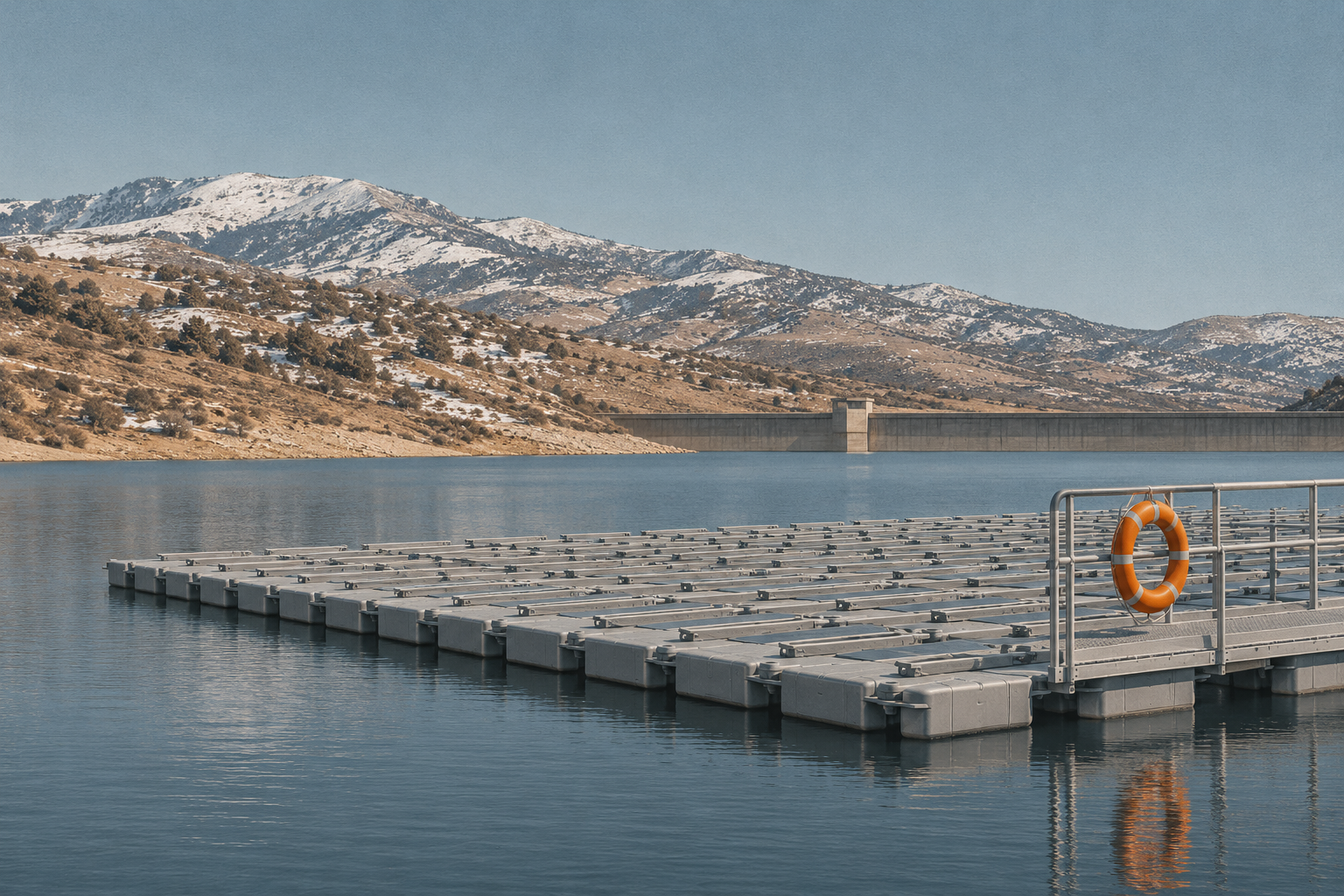
The ADB project is the country’s first utility-scale floating solar plant, on the reservoir of hydropower plant 5 near Bishkek. It is expected to generate about 20 gigawatt-hours a year and is financed by a concessional loan of $19.55 million and a $0.45 million grant from the Asian Development Fund, with $2.02 million from the government.
Electricity consumption has grown by more than 45% since 2012, the ADB said. The plant should avoid about 4,628 tonnes of carbon dioxide equivalent a year.
The World Bank’s board approved a $40 million hydrometeorological modernisation and early warning project for Kyrgyzstan on 30 October, with the Ministry of Emergency Situations as implementing agency and a closing date of 31 December 2032, the bank’s project page shows.