Caucasus
Coverage across the South Caucasus — Georgia, Armenia, and Azerbaijan.

Central Asia's westward corridor runs through Baku, and Baku is fighting Moscow
On 6 July Azerbaijan summoned Russia's ambassador and handed him a protest note over a Russian drone strike on a SOCAR fuel station in Ukraine. It was the latest blow in a dispute that has outlived the settlement both sides signed in April. For Central Asia the quarrel lands close to home: the westward trade routes Astana, Tashkent and Ashgabat are building all pass through the country now at odds with Moscow.

Georgia's surrogacy boom runs on women recruited from Central Asia
An Oxford study published on 16 June maps a quiet labour chain. Clinics in Georgia, short of local surrogates since 2022, now recruit women from Kazakhstan, Uzbekistan, Tajikistan and Kyrgyzstan through Instagram and TikTok. The pregnancies are sold as paid work, and the controls around them sit outside the law.

Armenia's top court upholds the June election as the opposition vows to escalate
On 4 July Armenia's Constitutional Court rejected all seven opposition petitions and let the 7 June result stand, on the last day the law allowed. Nikol Pashinyan keeps his majority and his pro-Western course. Within the hour, five losing blocs answered that the legal fight is over and a political one begins.

Armenia's top court has one day left to rule on the June election
The Constitutional Court retired to deliberate on 1 July and must publish its verdict by the end of Saturday, 4 July, the last day the law allows. Seven opposition forces want the 7 June parliamentary result annulled. Expect the court to uphold it; the interest is in how it reasons, and what the losers do next.

Mirziyoyev ends a 23-year pause in Tbilisi, and Georgia gains a second Central Asian partner
The first Uzbek state visit to Georgia since 2003 brought a declaration of strategic partnership, Georgia’s highest state award and a package of agreements. Kazakhstan signed its own strategic partnership with Tbilisi three days earlier. The western gate of the Middle Corridor is signing up its shippers.

Armenia’s June vote heads to the Constitutional Court, with a 4 July deadline
Seven opposition parties are asking Armenia’s Constitutional Court to overturn the June parliamentary election that returned Nikol Pashinyan’s party to power. The court must finish reviewing the petitions by 4 July, and the election commission has already ordered a recount at several polling stations.
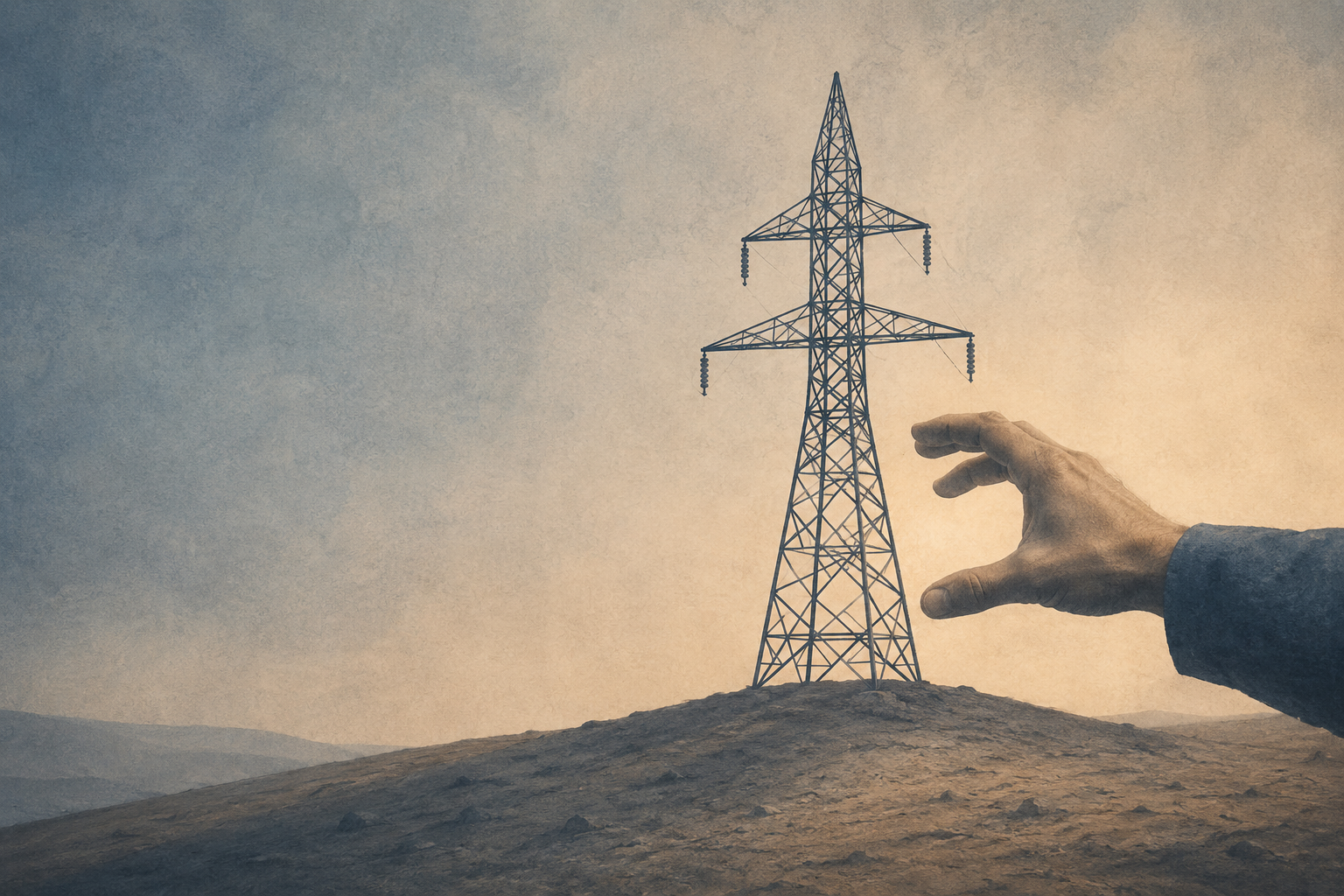
Armenia is about to take its national grid from a Russia-linked billionaire under house arrest
Armenia’s government says it will declare the country’s electricity distribution monopoly an asset of overriding public interest in mid-July, the last legal step before it takes the grid from Samvel Karapetyan. The tycoon is under house arrest, his company is fighting in international arbitration, and the offer on the table would let the state acquire a network valued by outside estimates at roughly $360 million for close to nothing.

Kazakhstan and Georgia sign a strategic partnership, and the Middle Corridor gets a spine
Kazakhstan and Georgia signed a strategic partnership in Astana on 29 June, with the Trans-Caspian corridor at its centre. It binds the two ends of the route that carries Central Asian goods to Europe without crossing Russia, and it quietly extends Kazakhstan into the Caucasus by way of that corridor.

Islamic Development Bank opens its annual meetings in Baku with $2.8 billion in approvals
The IsDB's 51st annual gathering opened in Baku on 16 June under the theme of regional integration. The bank approved $2.8 billion in financing at its board meeting and signed trade finance agreements with Tajikistan on the sidelines.

Two forums, one pitch: the region sells resilience as the war premium fades
In the same week, Tashkent and Baku are both courting global capital on a promise of stability and integration. The timing is telling: with the Iran war ending, the region has to win capital on fundamentals again, after a season when someone else’s crisis did the selling.

Baku opens the Islamic Development Bank’s annual meetings as Gulf money eyes the region
The Islamic Development Bank Group opened its 51st annual meetings in Baku on 16 June under the banner of regional integration. For Central Asia’s member states, it is a week to court Gulf and Islamic capital close to home.
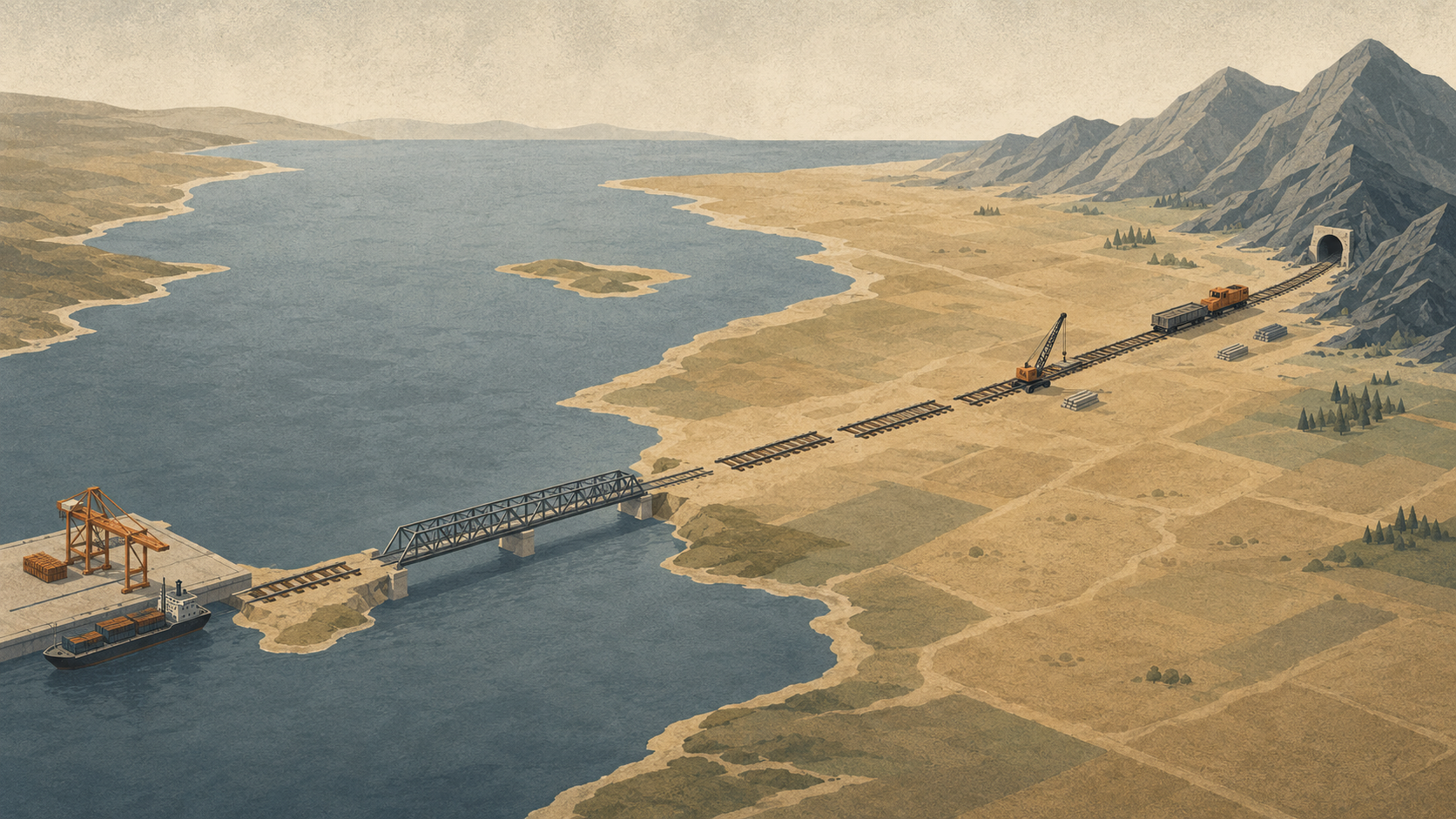
Kyrgyzstan and Georgia reach for a Black Sea link as the China railway advances
On the first visit to Bishkek by a Georgian head of government, Prime Minister Kobakhidze and President Japarov agreed to connect the new China-Kyrgyzstan-Uzbekistan railway to Georgia’s Black Sea ports. The bet is that the Middle Corridor outlasts the war that briefly made it fashionable.

The scramble for the Caucasus, from Washington’s bill to a Chinese-built port
In one week Washington moved against Chinese and Russian sway in Georgia, the foreign ministers of Turkiye, Azerbaijan and Georgia signed a declaration in Istanbul, and a Chinese consortium kept its grip on Georgia’s flagship port. The Caucasus is being contested in real time.
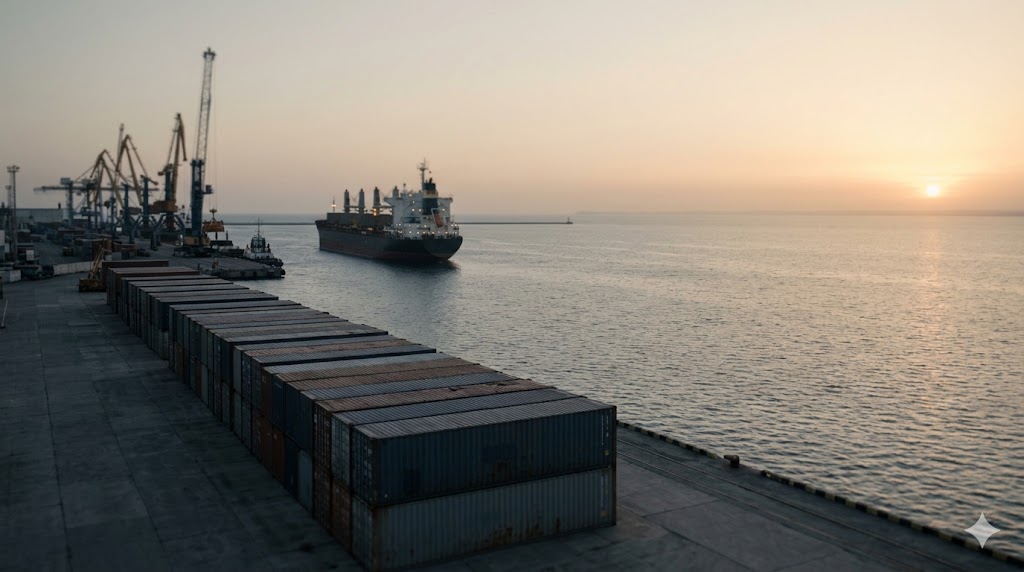
Turkmenistan and Georgia push trade and transit ties in Tbilisi
Turkmen and Georgian officials met in Tbilisi on 10 June to expand trade, investment and transit, with Georgian Railway and Black Sea ports at the centre of the talks.

US House passes a bill on Chinese and Russian influence in Georgia
The US House passed the Countering China’s Control of the Caucasus Act on 8 June, ordering a classified report on Russian and Chinese intelligence activity in Georgia. It is the sharpest sign yet of Washington’s rift with Tbilisi.

The Trans-Caspian pipeline returns to the agenda as Europe’s gas deadline nears
A pipeline idea that has circled the Caspian for thirty years looks newly serious as Europe’s 2027 deadline to drop Russian gas closes in.

Armenia keeps its course, on less than half the vote
Civil Contract will govern alone for a third term on 49.81 percent of the vote, its lowest winning share since Nikol Pashinyan took power. The campaign that delivered it is the part the celebration skips.
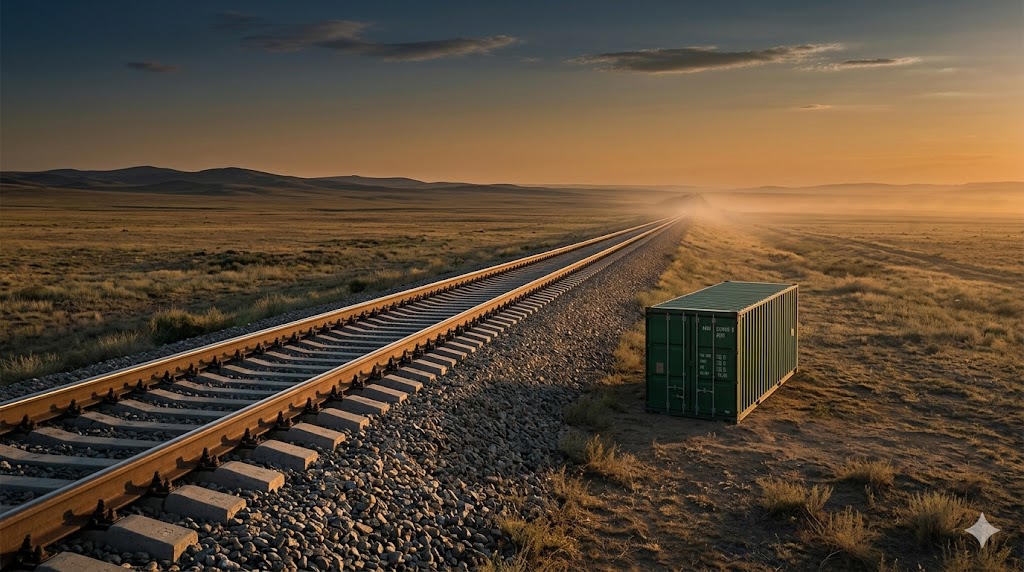
The corridor is booming. It is also far from competitive. A Carnegie reality check
Cargo volumes rose 63% in 2024. The corridor still handles 6% of the Russian route's capacity. A new Carnegie analysis maps the gap between ambition and infrastructure.

Pashinyan wins — and the margin tells the real story
The final results of Armenia’s parliamentary elections have cemented Nikol Pashinyan’s third consecutive term, but the tight mathematical metrics reveal a complex legislative landscape ahead. While his Civil Contract party secured enough seats to form a government single-handedly, it fell short of the constitutional supermajority required to reshape the country's institutional framework. The razor-thin margin shows that while voters backed his westward shift, they refused to hand him absolute domestic power.

Forum week: Baku signed, St. Petersburg celebrated, Riga quietly worked
Three gatherings, one week, one pipeline. A tour of the parallel universes of Eurasian energy diplomacy.