Search
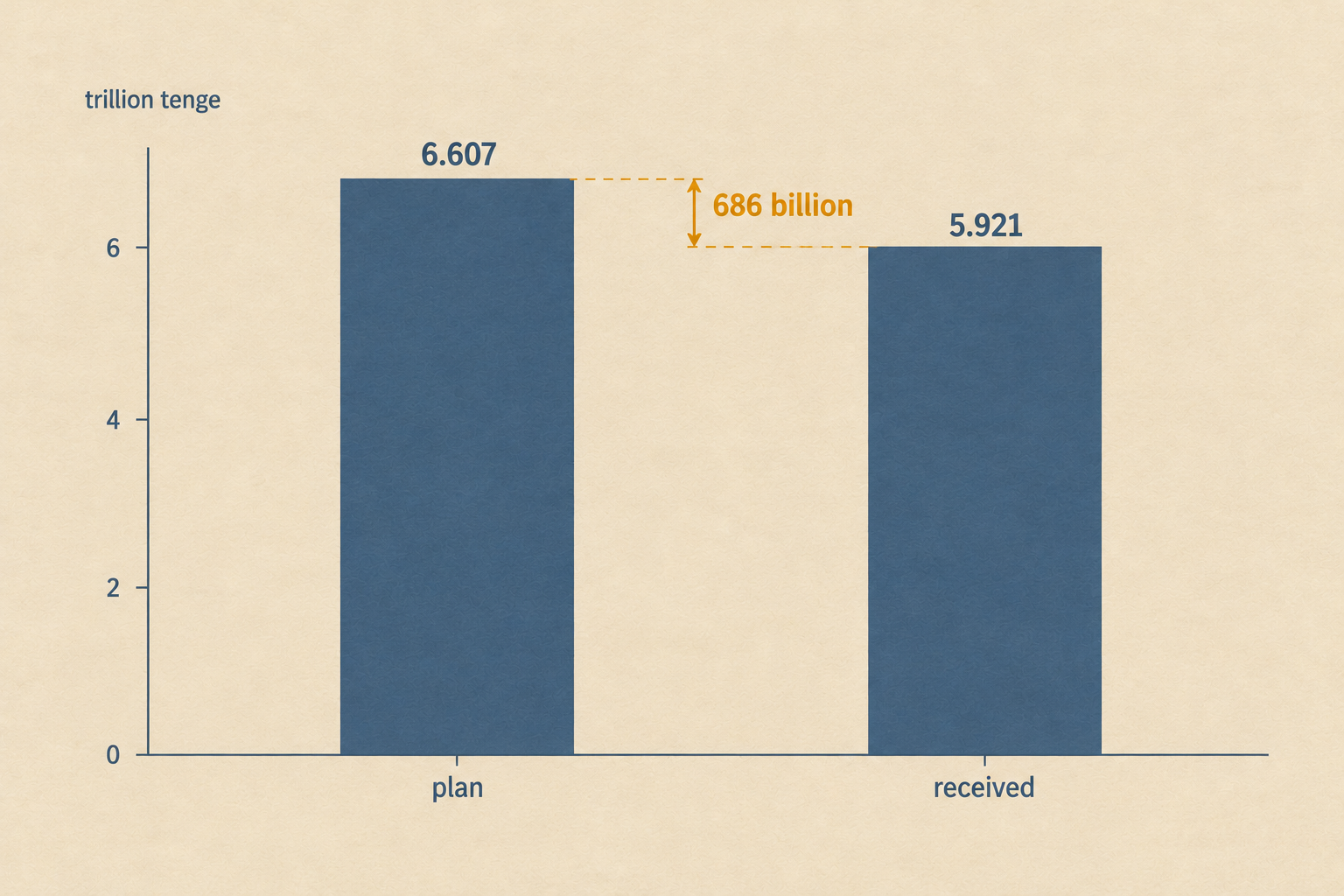
Kazakhstan’s 16% VAT is 686 billion tenge short of plan after nine months
In April 2025 Kazakhstan’s economy minister promised parliament 4 to 5 trillion tenge a year from the tax reform and a self-sufficient budget, with a year of extra inflation as the price. Nine months into the 16% rate, VAT stands at 89.6% of plan, mining taxes outside oil carry the overall plan, and the 2026 VAT estimate behind the 2027 budget is 3 trillion below last year’s plan.

Five Years Ahead: Mongolia books its first Oyu Tolgoi dividend before the mine has paid it
A ₮3 trillion line in the 2027 budget rests on a dividend the company says it will weigh against its year-end cash. The law that was meant to keep such money out of current spending is to be set aside by a one-off law still being drafted. Five years out, the question is what Mongolia does when the copper price sets the number and the Khural has already spent it.
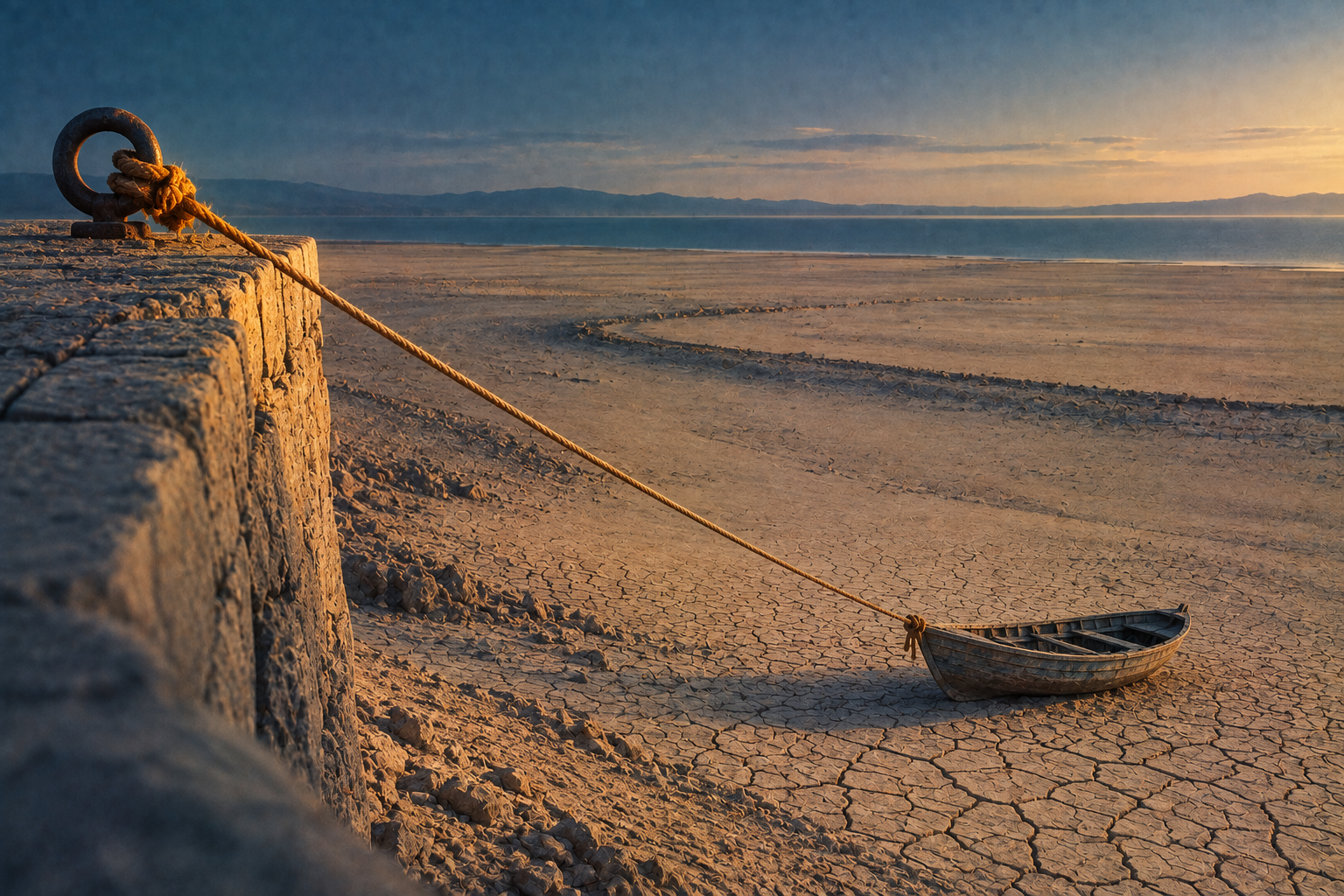
Three summits come to Avaza while the sea beside them is leaving
A volunteer with a camera found a new island off Kulaly days before the presidents arrive on the Turkmen shore. Moscow’s aide names the climate as the cause of the shallowing. The river that feeds the sea is Russia’s.
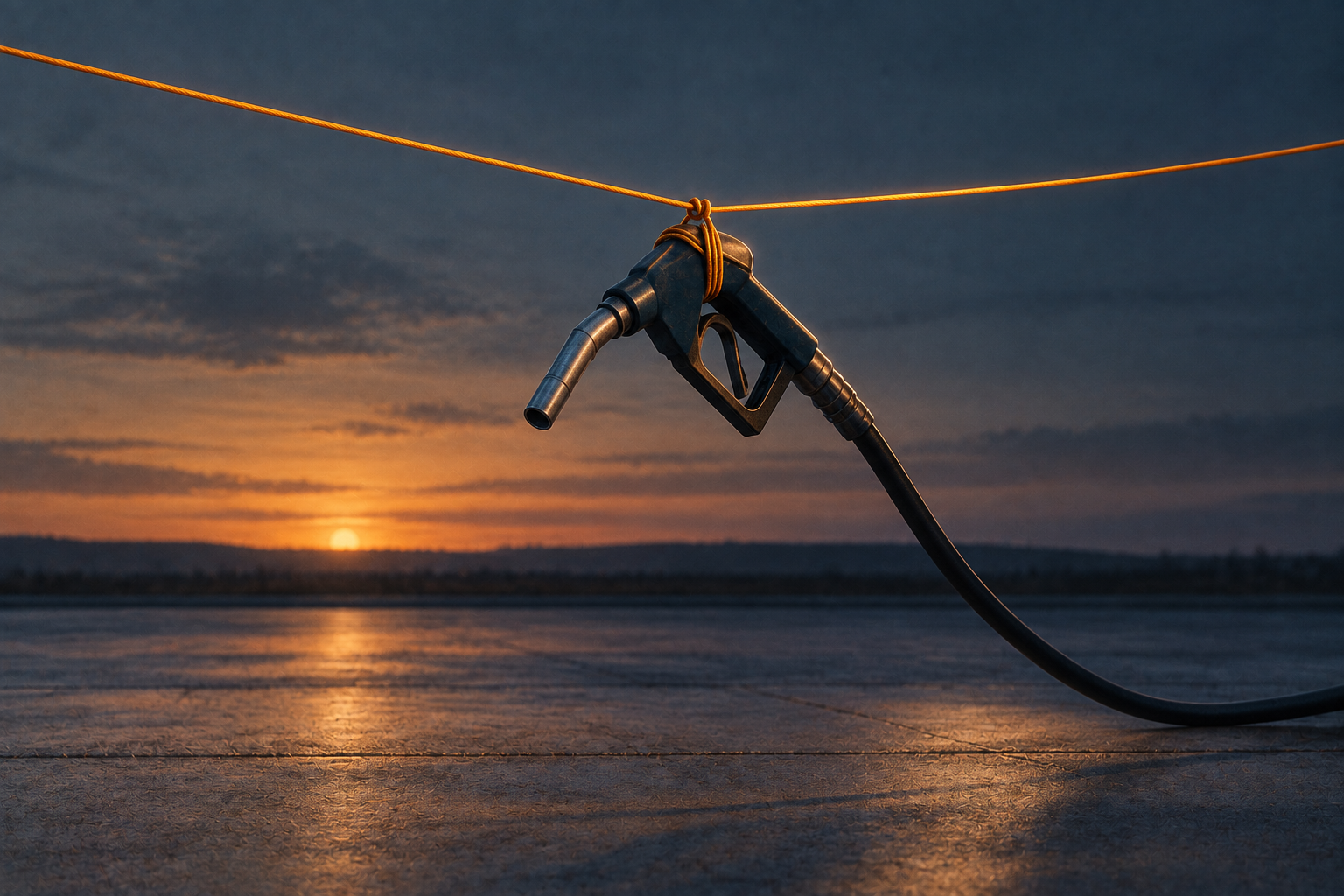
The 84-som promise: Kyrgyzstan’s fuel cap expired, the subsidy did not
In June the state promised petrol at no more than 84.40 som a litre until 30 September. On 1 October the pump said 87.90, the subsidy behind it up to 30.88, and the bill is yours.

Plan, ceremony, tally: how Kazakhstan's investment forums count
In Almaty the plan said "more than 40" documents, the stage showed ten and the evening tally said 50. In Berlin 37 projects became "more than 30" documents and the euros became dollars. Peter Lidovsky on the number every forum produces and nobody audits.
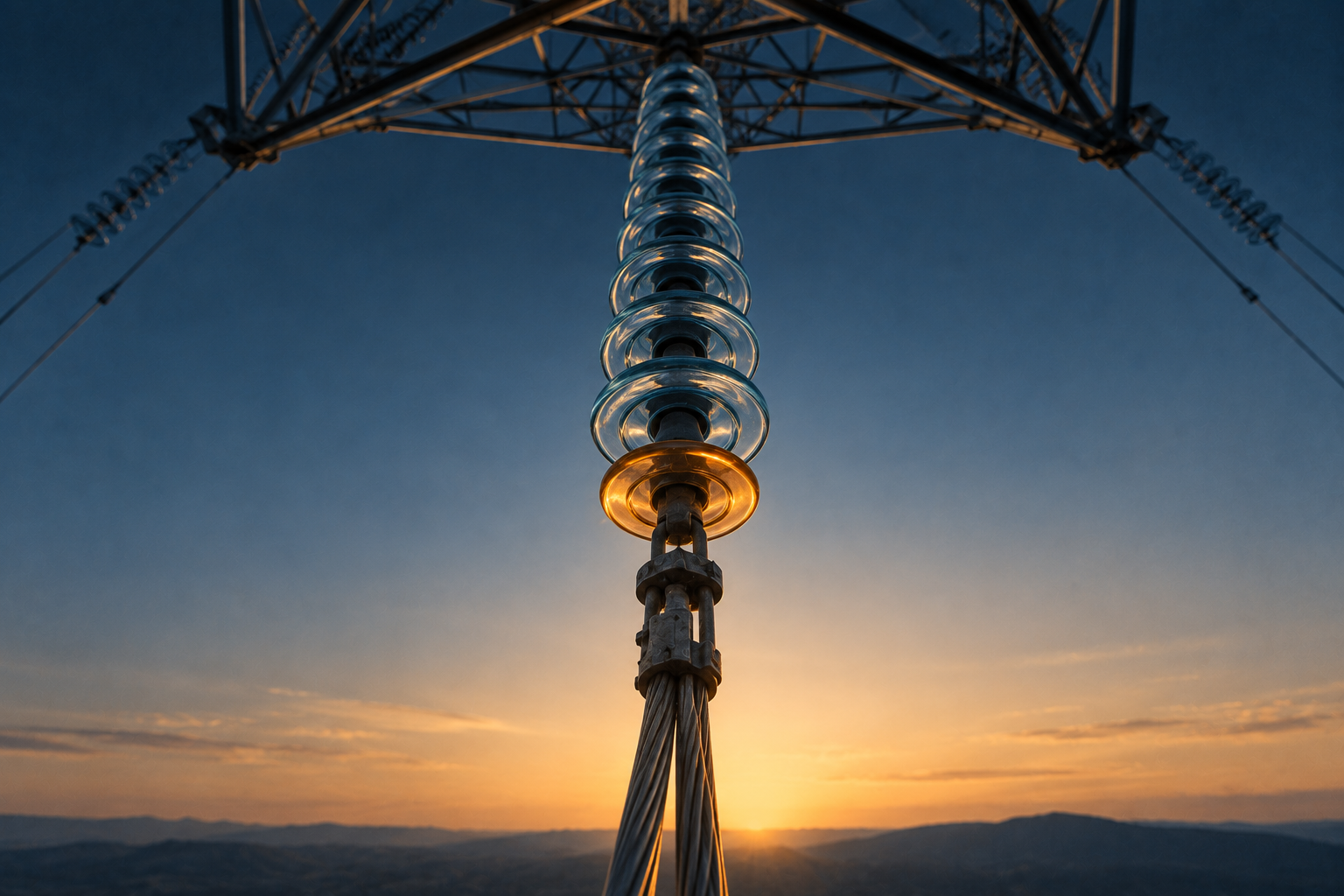
Five Years Ahead: the dawn that will come every dawn
Uzbekistan has approved 57.2 gigawatts of generating capacity for 2035. On Friday the region's grid showed what one new plant does to 4 countries before breakfast.

One abstention, 15 chairs and a date in the law: 3 parliaments count in one week
Astana’s new council produced a single dissenter and no dissent. Ulaanbaatar’s committees voted a budget at half a room. Bishkek’s deputies confirmed, 86 to none, an election day the calendar had fixed for them. The old Commonwealth between the empires knew all 3 arithmetics. The last one ended it.
Five Years Ahead: Tajikistan graduates from grants with a dam unfinished and a bond falling due
The World Bank has decided Dushanbe is too well off for free money. The decision lands with the state’s debt at 16% of output, its largest project years from finished and its only market bond in its last year of repayment.
10 billion cubic metres, 4 years early
Tashkent said its gas would stay home. Astana promised 15 billion cubic metres more of it. Tashkent now imports what its minister had dated to 2030, Astana has nearly tripled its purchases from Gazprom in a year, and since Friday Washington is counting.

A letter about an election, filed under crimes against elections
Kyrgyzstan’s appeal court swapped one article for another. The men who signed the letter will now watch parliament schedule the vote they asked for.

Five Years Ahead: A sky bought for thirty years
Six Chinese fighters at Karshi-Khanabad commit Uzbekistan's air force to one supplier for the life of the airframe. The five-year question is what arrives with them: the missiles, the technicians, the software, the credit and the habit.

31 December, in dollars
Bishkek fixed its fuel wall at $960 a tonne of petrol until New Year's Eve and backdated it to August. In the first month behind it, petrol rose anyway. The resolution says one thing, the statistics another, and one document would settle the difference.

The chamber that begins with children
A supermajority parliament's first announced act is a bill about minors. That choice is the most legible thing about it.

The queue with a warehouse address
Mongolia's regulator says part of August's fuel shortage sat in storage. Fifty years ago America asked the same question, and took eight years to stop asking.

Five Years Ahead: one ring, four sets of numbers
The August blackout found Central Asia's power ring rebuilt in copper and broken in bookkeeping. Which one gets fixed first will decide what the next fault costs.
The summit dated by everyone except its most important guest
Bishkek is closing ten shopping centres, three markets and four underpasses for the first days of September. Beijing has still not said that its president is coming.
The arithmetic of gratitude
On 15 August Ulaanbaatar's drivers stop queuing by their plate numbers and start driving by them. Peter Lidovsky on a city that has scheduled its relief and its restriction for the same morning.

Bishkek pays 86.90 som for petrol the state capped at 79.9
The state fixed a retail petrol price for the summer. By the end of July every surveyed station in Bishkek was above it.
A queue timed to end when the guests arrive
Ulaanbaatar rations petrol by number plate until 15 August. The UN’s desertification summit opens there on the 17th. The gap between those two dates is the most carefully planned thing in Mongolia this month.
Mongolia’s leverage lies in other people’s courtrooms
Shareholders in New York and Québec have twice put a price on the Oyu Tolgoi construction story. One settlement has been approved; the other awaits a hearing. Ulaanbaatar used that story once, in 2022, but has since left it in the drawer. A former government insider says it is time to take it out.