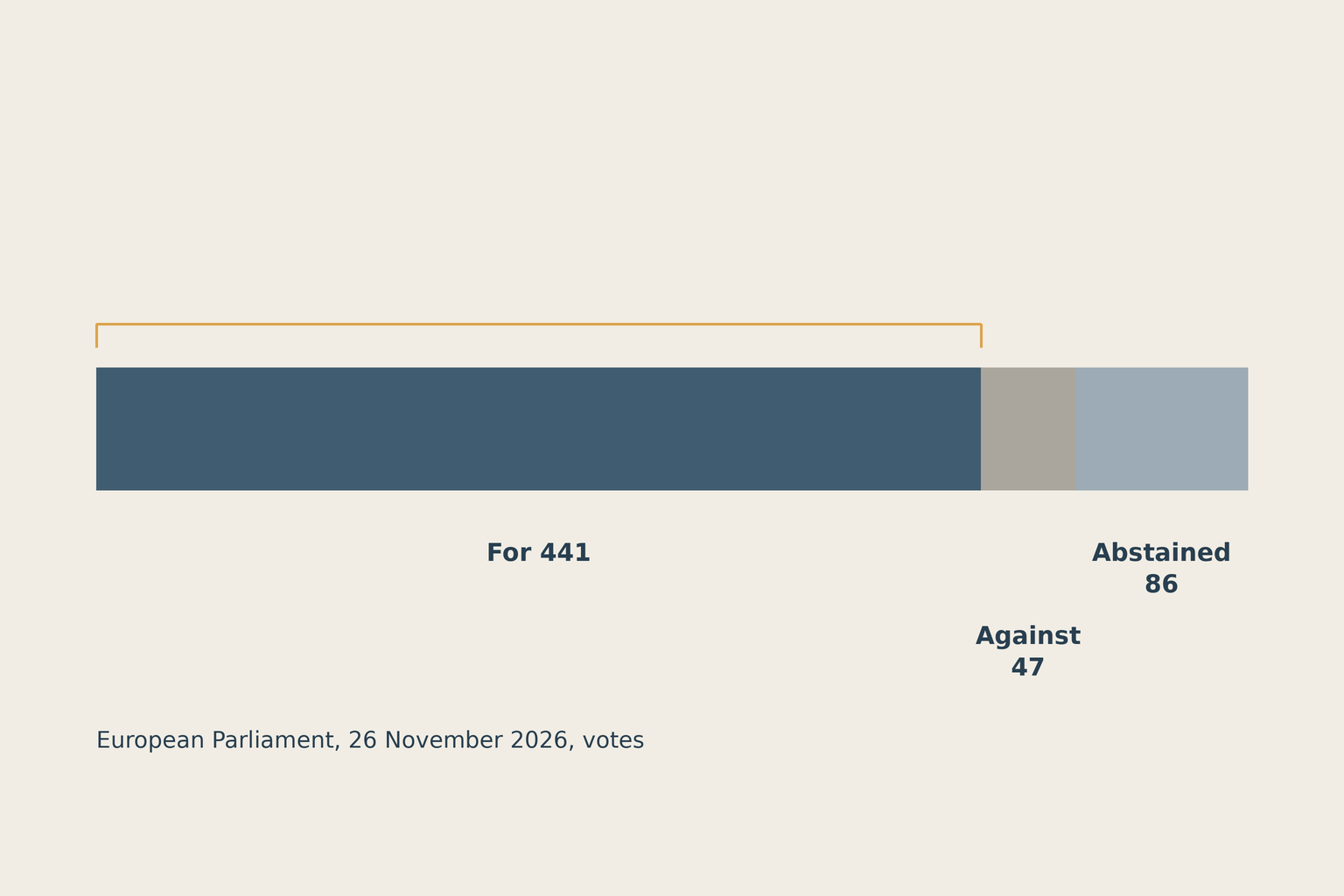
The text is titled “The Case of Paata Burchuladze and Political Prisoners under the Georgian Dream Regime”. It demands the immediate and unconditional release of Burchuladze, Irakli Nadiradze and Paata Manjgaladze along with all political prisoners, Interpressnews reported, and asks that Burchuladze have medical care, legal help, contact with his family and consular access.
MEPs repeated their call for targeted sanctions and visa bans on those they hold responsible for serious human rights violations. The resolution names Ivanishvili, Kobakhidze, Parliament Speaker Shalva Papuashvili and Kakha Kaladze, and adds other senior officials, judges, prosecutors and law enforcement officers.
MEPs added two amendments. One demands the release of former president Mikheil Saakashvili, Giorgi Baramidze, Nika Melia, Elene Khoshtaria and Mzia Amaglobeli, and access to them for independent doctors. The other spells out the sanctions sought: asset freezes and bans on entry into or transit through the EU.
Tbilisi answered the same day. First Deputy Foreign Minister Giorgi Zurabashvili told the EU’s ambassador, Pawel Herczynski, that the resolution was a targeted attempt to spread false narratives about Georgia and that it undermined relations with the EU, the Foreign Ministry said. He asked Brussels again for the full names of the people it considers arbitrarily detained.
The Parliament’s resolutions do not bind the EU’s member states, which decide sanctions by unanimity. Georgia’s Constitutional Court resumes its hearing on banning five opposition parties on 30 November, as CAW reported on 26 November.