Search
Oyu Tolgoi’s ₮3 trillion stays in Mongolia’s 2027 draft after the spending bill is dropped
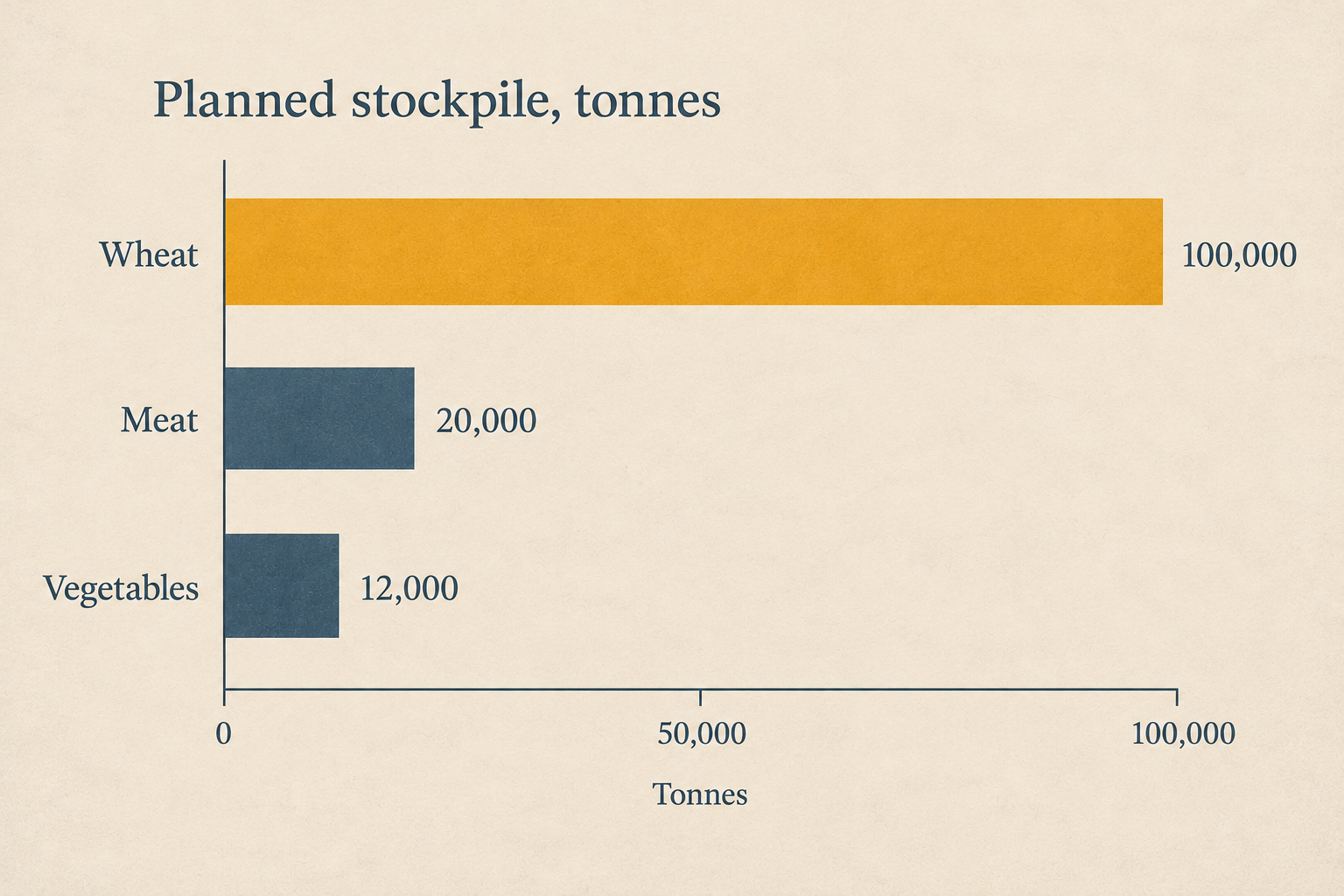
Prime Minister N. Uchral told residents of Sukhbaatar district in Ulaanbaatar on Saturday, a day after his cabinet withdrew a bill to spend ₮2 trillion of the Oyu Tolgoi dividend, that the 2027 budget draft still counts on the ₮3 trillion and will pay it into the Savings Fund. He listed stockpiles of 20,000 tonnes of meat, 100,000 tonnes of wheat and 12,000 tonnes of vegetables.
Jensen Huang proposes Kazakhstan as a hub of physical AI and receives the Order of Dostyk
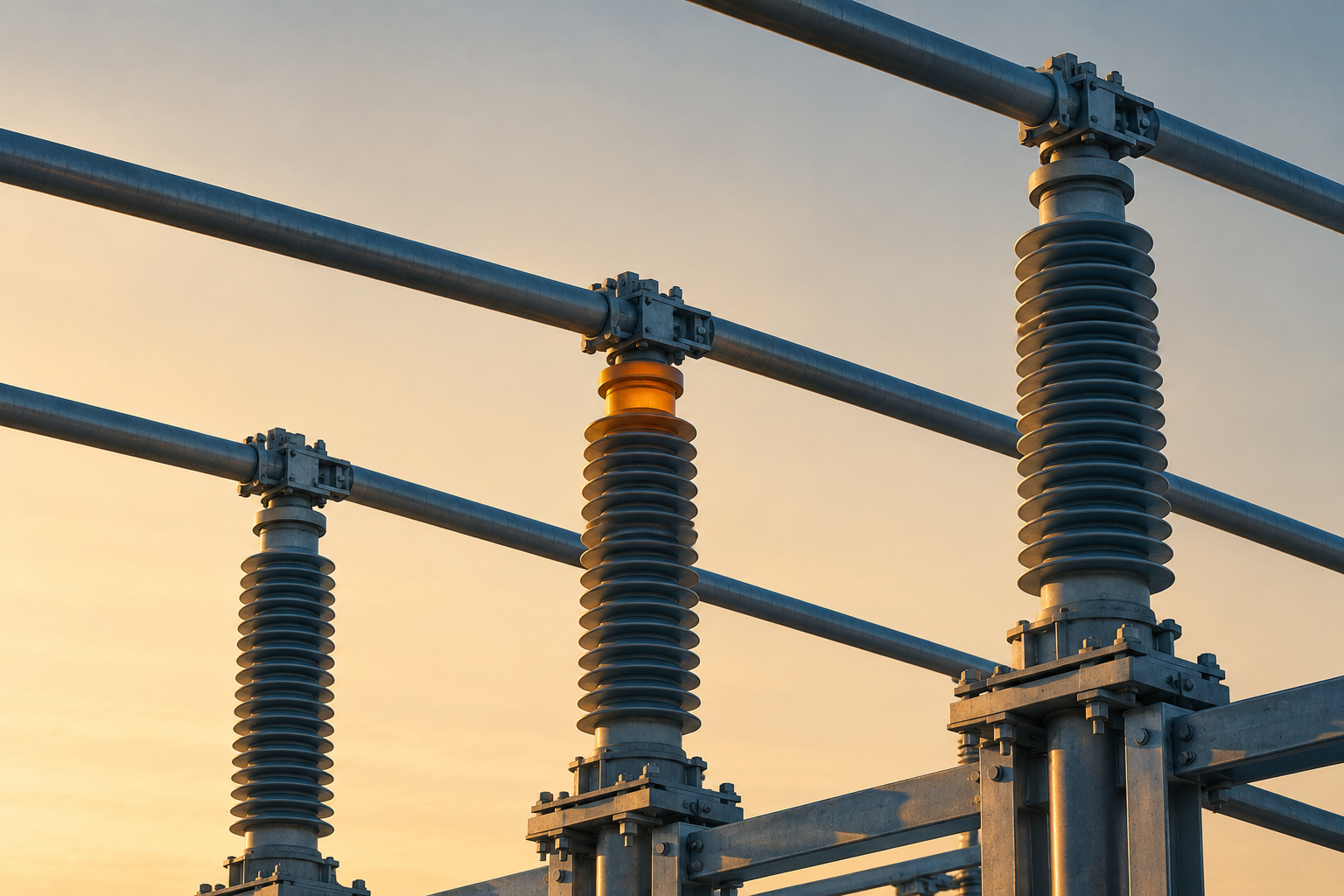
Nvidia’s co-founder and president told President Kassym-Jomart Tokayev in Astana on Friday that Kazakhstan has the energy and the people to become a hub of what he called physical AI. He named Firebird AI, Kazakhtelecom and Higgsfield as the company’s partners in the country. Tokayev awarded him the Order of Dostyk, first class, for his contribution to artificial intelligence in Kazakhstan.
Bektenov lists 22 documents for $4.8 billion at KGIR, two memoranda at $1 billion each
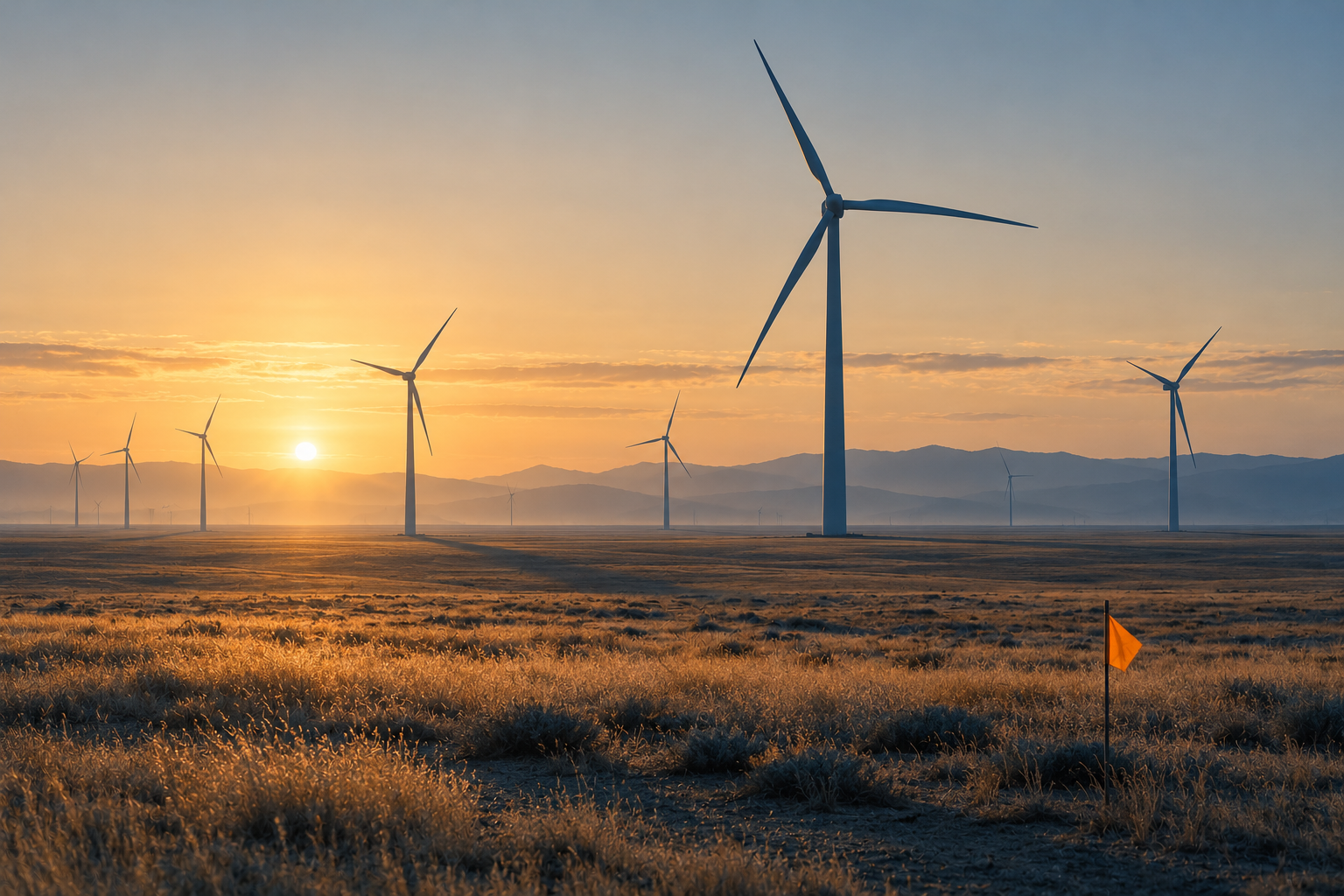
Twenty-two documents worth $4.8 billion were signed on the sidelines of the ninth Kazakhstan Global Investment Roundtable in Shymkent on 22 October, the prime minister’s office said: three investment agreements led by a $730 million wind farm in Kostanay region, and memoranda including $1 billion for a Kuryk port terminal with China’s Guoyou Materials Group and $1 billion for 20 inclusive schools.
ADB grants Tajikistan $63.77 million for health and the pension system’s digital overhaul
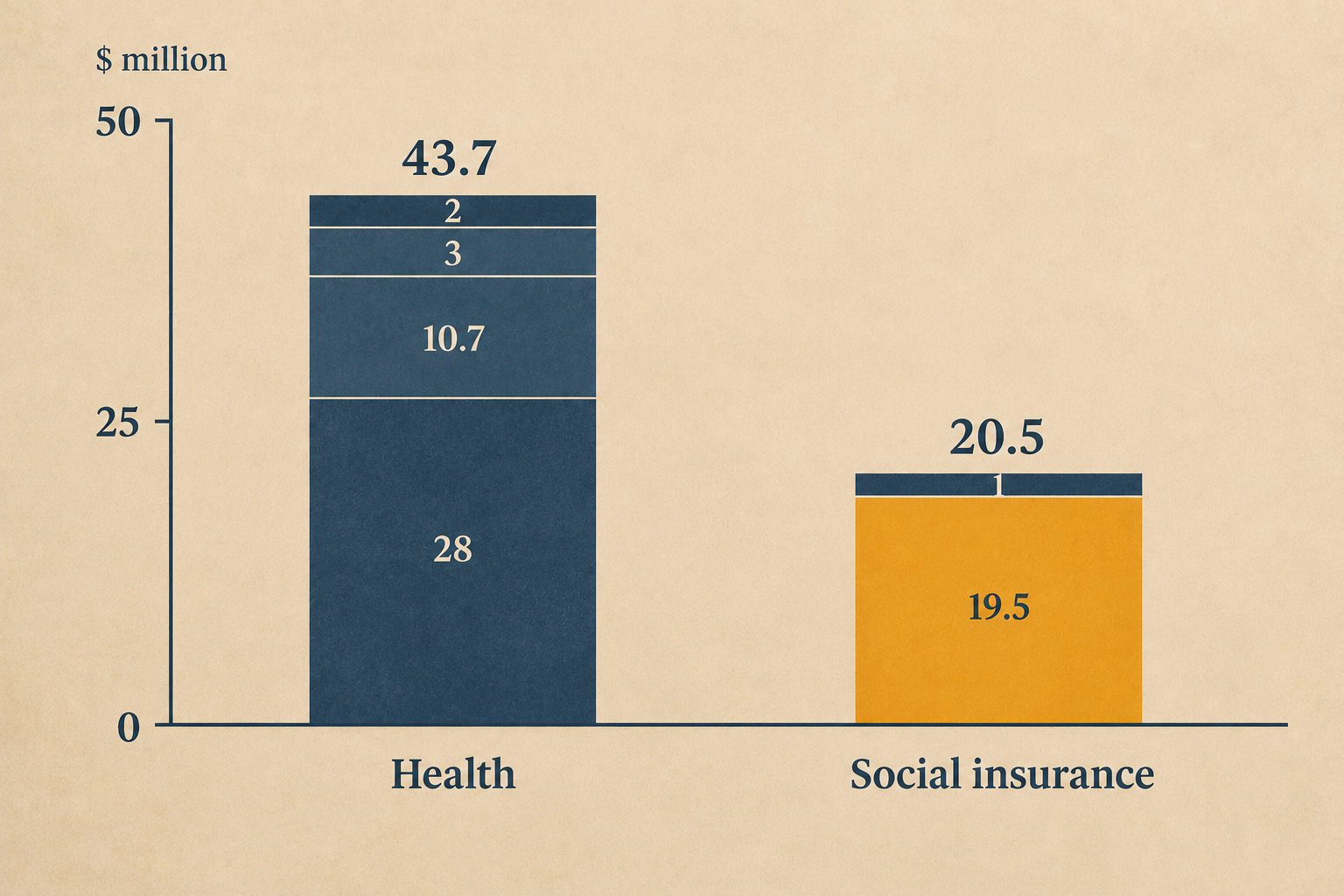
Finance Minister Faiziddin Kahhorzoda and ADB country director Ko Sakamoto signed two grant agreements in Dushanbe on 21 October: $43.7 million for health security and primary care and $20.5 million to digitise social insurance and widen pension coverage, Avesta reported on 22 October citing the bank. The components add up to $64.2 million against the stated total of $63.77 million.

Kyrgyzstan shuts 52 firms and 240 accounts over sanctions risk, envoy tells diplomats
Bakyt Sydykov, the president’s special representative on sanctions policy, briefed foreign heads of mission on 21 October: 52 legal entities have ceased activity, forced liquidation has begun against 57, 25 companies are under inspection and state banks have closed more than 240 accounts, the economy ministry said in a 24.kg report at 16:32 Bishkek. Kroll is being hired to assess sanctions compliance.

Tashkent signs a cooperation agreement with Oppenheimer on possible municipal bonds
The Tashkent city administration signed a cooperation agreement with Oppenheimer & Co.’s investment banking arm on 22 October after discussing access to international capital markets, including a possible municipal bond, the hokimiyat’s press service said. No amount, tenor or timing was named. A day earlier Andijan region had discussed a $300 million eurobond with the same bank.

Mongolia’s Democrats ask whether Oyu Tolgoi’s ₮3 trillion is a dividend at all
The Democratic Party group in Mongolia’s parliament said on 22 October that the ₮3 trillion the government expects from Oyu Tolgoi in 2027 has not been shown to be a dividend by the mine’s board or in its accounts, that a dividend of that size to the state’s 34% would imply ₮6 trillion for Rio Tinto’s 66%, and that the money, if it comes, belongs in the Wealth Fund.

Andijan region plans a $300 million eurobond through its own investment company
A delegation of Andijan region discussed with the US investment bank Oppenheimer raising $300 million on international capital markets through a eurobond issued by Andijon Invest Kompaniyasi, the regional administration’s press service said on 21 October. No tenor, coupon, timing or guarantee was named. The same bank offered in September 2025 to help finance three Andijan projects worth $1.2 billion.
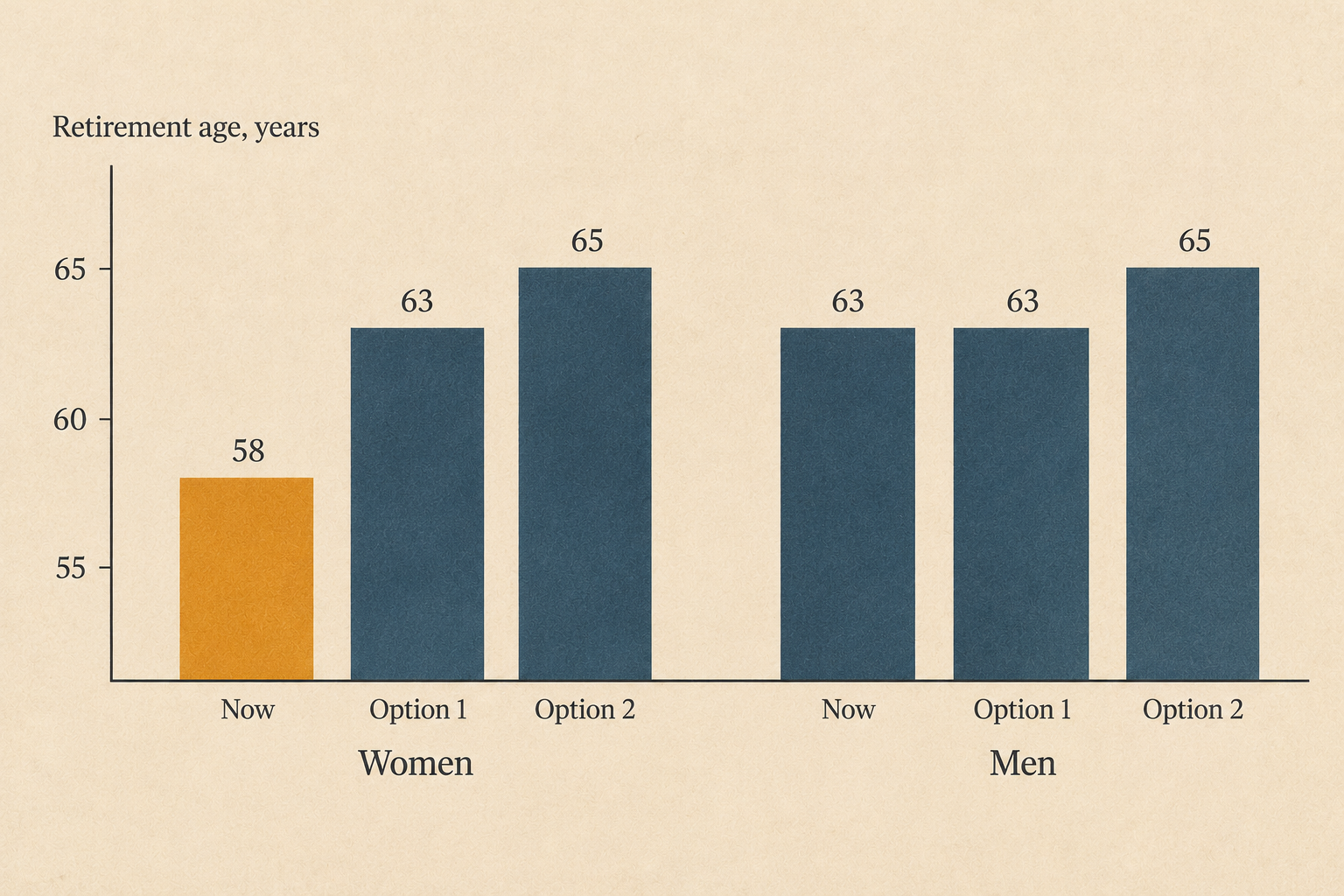
ADB study puts two retirement-age options before Tajikistan, 63 for women or 65 for all
The Asian Development Bank’s country diagnostic study for Tajikistan, dated October 2026, proposes raising women’s retirement age from 58 to 63 or setting 65 for both sexes, and lengthening the minimum contribution period to 30 years. The average old-age pension in 2024 was 22.1% of the average wage. Asia-Plus, which reported the study on 21 October, carried no government response.

KazMunayGas’s Romanian arm tripled its nine-month profit to $269 million at 97% refinery load
KMG International earned $269 million in January-September, 219% more than a year earlier, on EBITDA of $469 million, up 73%, the national company said in Kapital’s report on Tuesday. Petromidia processed 4.087 million tonnes of crude, 14,670 tonnes a day, and the group’s retail companies sold 2.272 million tonnes of fuel.

Tashkent clears VEON’s Perfectum deal with conditions on tariffs and speed
A special commission approved the purchase of Rubicon Wireless Communication, the company behind Perfectum, by VEON’s UAE-registered holding for about $207 million including about $93 million of assumed debt, Spot reported on Tuesday from the committee’s Telegram channel. Perfectum must run as a separate operator for at least three years and keep its 5G fixed-wireless tariffs for a year.
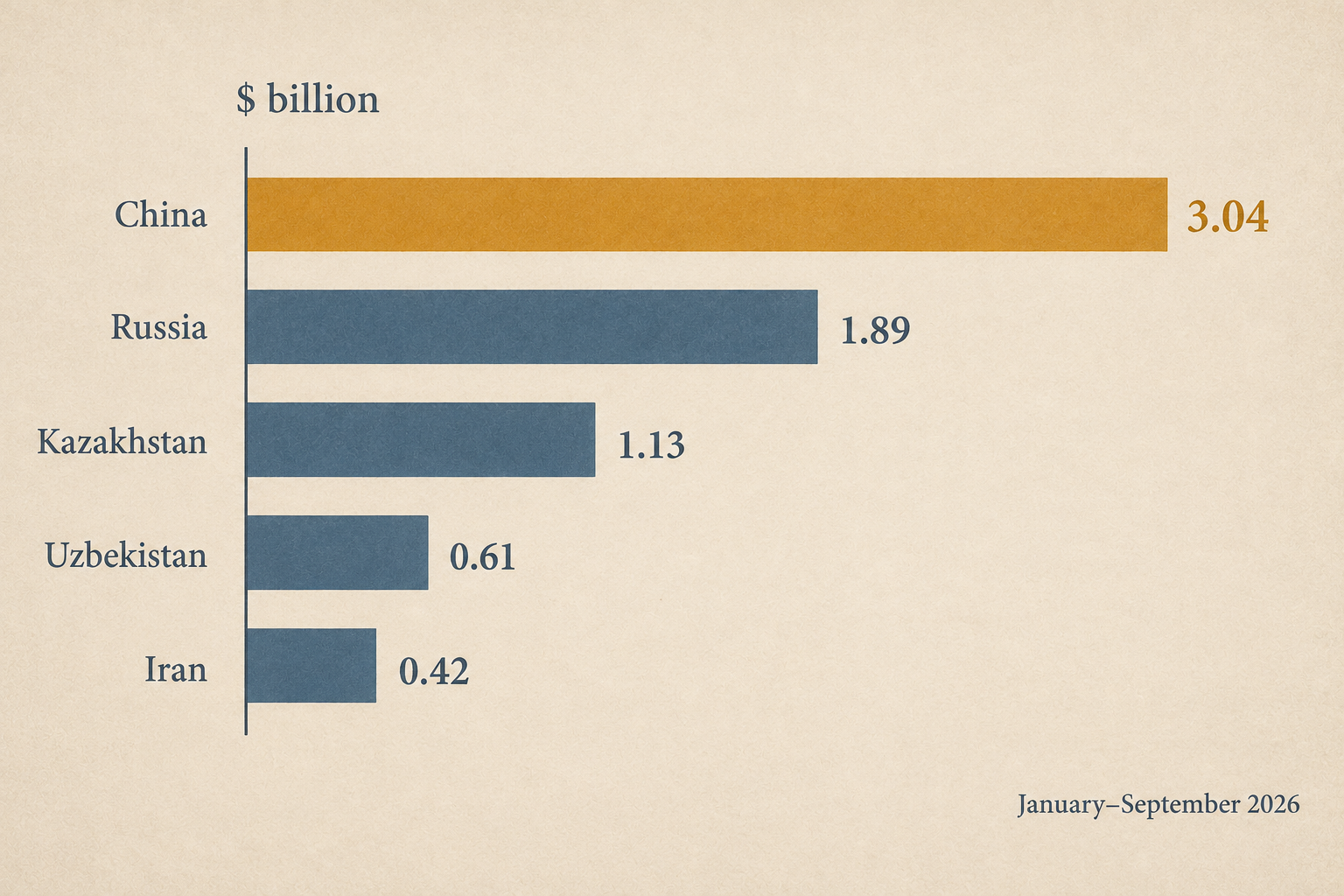
Tajikistan’s trade deficit reached $6.31 billion in nine months as imports grew 40.8%
Imports of $8.48 billion ran 3.9 times above exports of $2.17 billion in January-September, by the Statistics Agency’s figures as Asia-Plus presented them on Tuesday, and the deficit widened from about $4.19 billion a year earlier. China took 30.5% of exports and supplied 28% of imports, with Russia, Kazakhstan and Switzerland next.

Mongolia’s finance minister defends ₮2 trillion of Oyu Tolgoi’s dividend for power plants
Finance minister Z. Mendsaikhan told the Khural’s budget committee on Tuesday that ₮1 trillion of next year’s Oyu Tolgoi dividend goes to the savings fund under the National Wealth Fund law and ₮2 trillion to a stalled project to build thermal power plants in ten provinces. A deputy asked by what legal basis the ₮2 trillion had been put on the spending side.
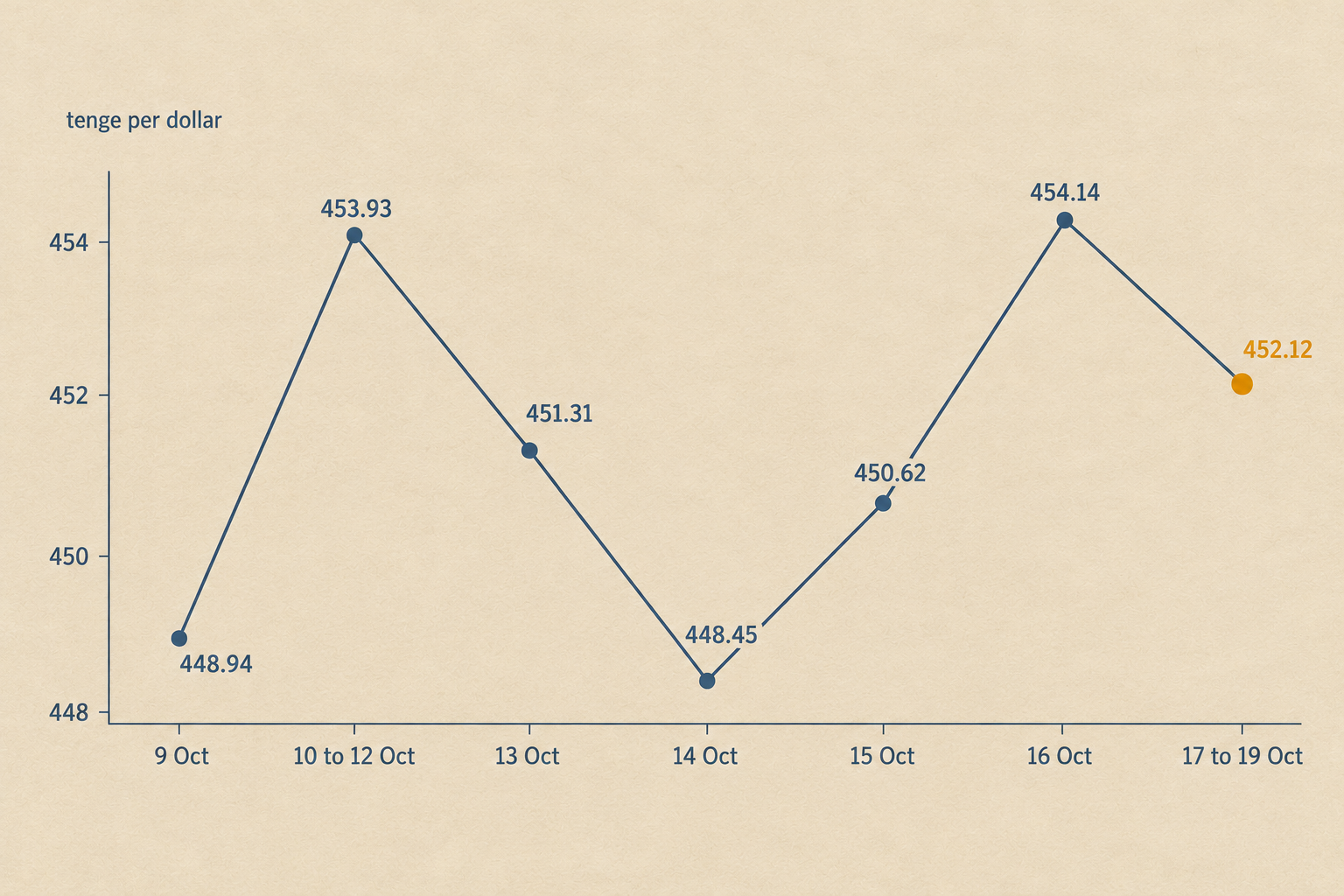
Kazakhstan’s official rate falls to 452.12 tenge for Saturday and holds through Monday
The National Bank set the official rate at 452.12 tenge to the dollar for Saturday 17 October, 2.02 below Friday’s 454.14, and the same figure stands for Sunday and Monday in the bank’s daily series. The euro went to 508.95 and the yuan to 67.62, with the rouble unchanged at 5.41.

Tashkent will index heating tariffs to inflation from May 2028, with a 10% ceiling a year
Centralised heating tariffs in Uzbekistan are to be indexed every year from 1 May 2028 by the annual inflation rate but by no more than 10%, deputy economy and finance minister Khurshed Mustafayev said on 14 October, Spot reported on Thursday evening. The same mechanism has applied to household electricity and gas tariffs since the start of 2026, he said.

Yerevan declares ENA an overriding public interest and sets up a railway group with Russia
Armenia’s government recognised 100% of the shares of Electric Networks of Armenia, or ENA, owned by the Tashir group, as an overriding public interest at its sitting on 15 October, the status Armenian law requires before the state can take property, News.am reported. Tashir’s owner Samvel Karapetyan leads the opposition Strong Armenia alliance. Nikol Pashinyan the same day set up a working group with Russia on the railway concession.
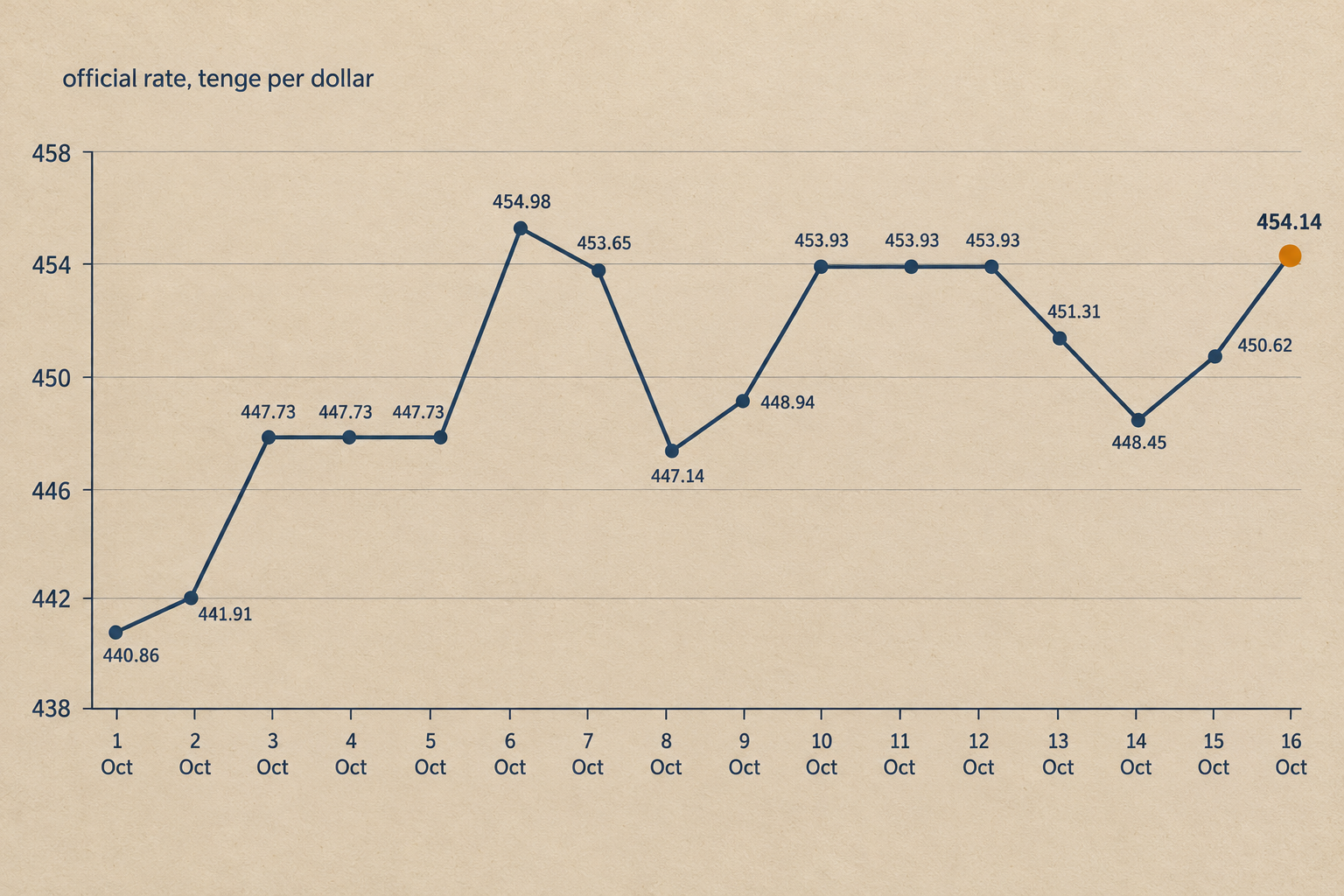
The tenge falls to 454.14 as analysts polled by the National Bank cut inflation forecasts
The National Bank set the official rate at 454.14 tenge to the dollar for 16 October, up 3.52 from Thursday’s 450.62 and the third rise in a row. Its October survey of 14 forecasting organisations lowered the median inflation expectation for 2026 from 10% to 9.5% and raised the Brent assumption for the year to $88.4 a barrel.

Kazakhstan’s 2027 budget passes first reading with 19.9 trillion tenge of own revenue
Kazakhstan’s parliament approved the draft republican budget for 2027 to 2029 in first reading on 14 October by 128 votes with 8 abstentions, Kapital reported. The draft puts 2027 own revenues at 19.9 trillion tenge and spending at 30.2 trillion, with 5.5 trillion more in transfers, and the co-rapporteur said the VAT rise to 16% has yet to bring the revenue expected.

Kazakhstan and Azerbaijan switch on a 380 km Caspian cable and sign a Middle Corridor pact
Kassym-Jomart Tokayev and Ilham Aliyev opened the Trans-Caspian fibre-optic line between Sumgayit and Aktau online on 15 October, a 380 km cable on the seabed with a capacity above 400 terabits a second, Report said. In their presence the two governments exchanged a signed agreement on the Middle Corridor and restated a $1 billion trade target, Akorda said.
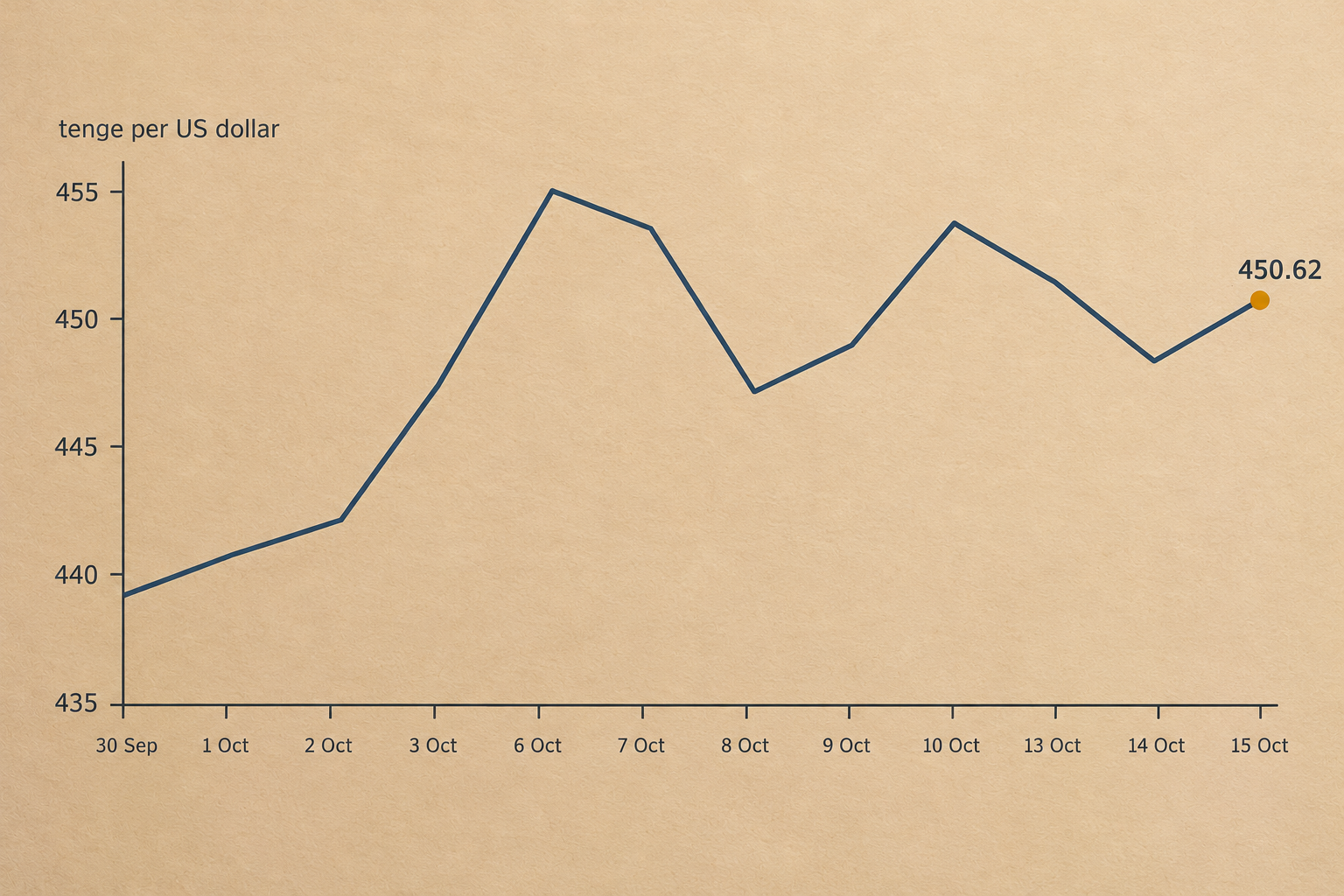
The tenge’s official rate steps back to 450.62 for 15 October after two days of gains
The National Bank of Kazakhstan set the official rate at 450.62 tenge to the dollar for 15 October, 2.17 weaker than Wednesday’s 448.45, by its daily series. The two preceding days had taken the rate down from the 453.93 that held over the weekend and Monday.