The Kazakh figure is real and the ranking is genuine. By official count, cumulative Dutch direct investment in Kazakhstan has climbed past $125 billion over three decades, ahead of the United States and China, with hundreds of Dutch-registered firms on the books. Read it next to the annual flow and the picture sharpens. Dutch investment into Kazakhstan in 2025 was about $4.6 billion.
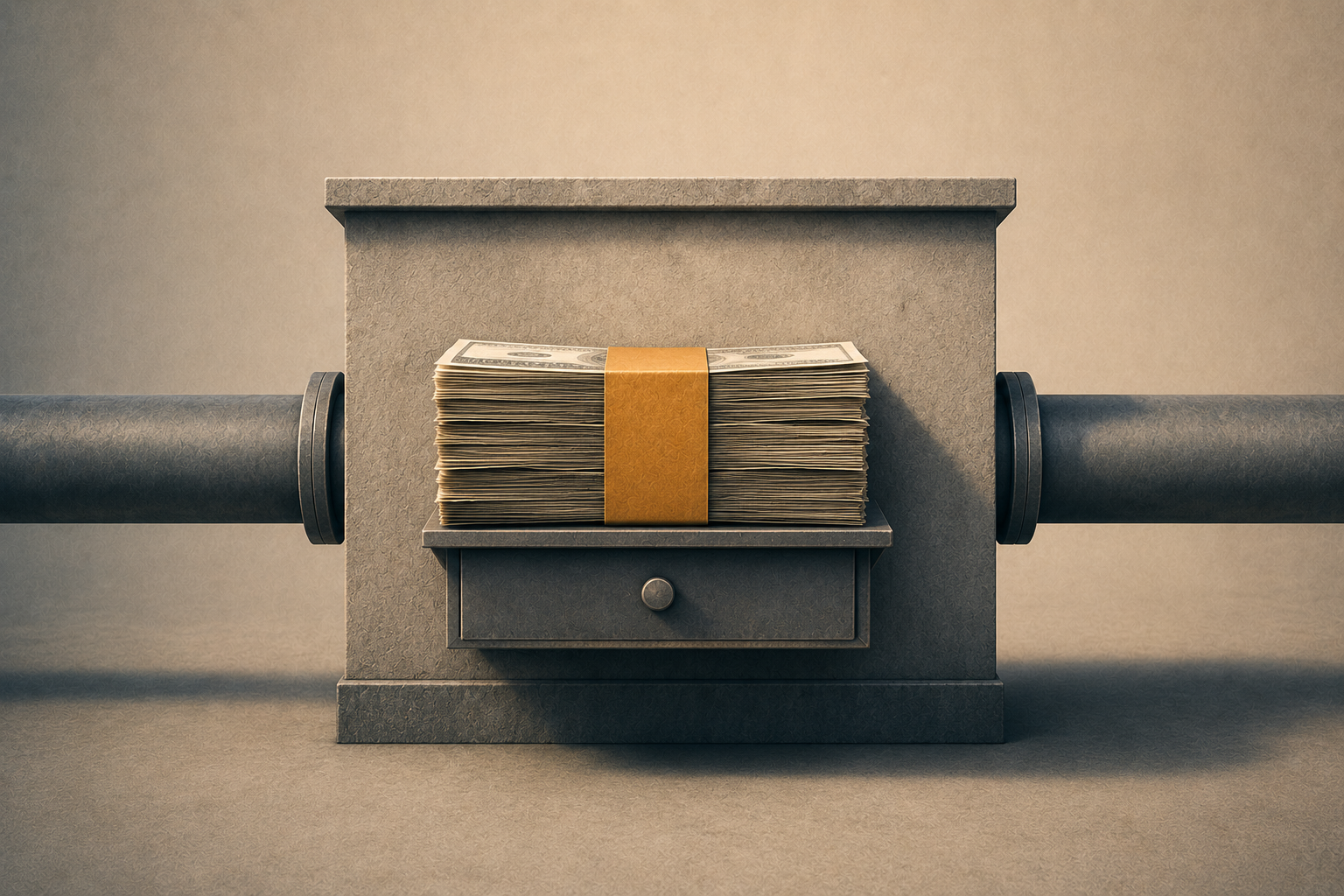
The gap is the story. The Netherlands sits at the top of investor tables in dozens of countries for one reason: it is the favoured jurisdiction for holding companies and special-purpose entities, the legal address through which multinationals route capital for tax and treaty reasons. A large share of what registers as Dutch money in Kazakhstan is the corporate plumbing of firms headquartered elsewhere, the oil majors that operate Kazakhstan’s largest fields among them.
None of this makes the investment fake. The capital is in the ground, in Tengiz, Kashagan and Karachaganak, in pipelines and processing trains. The point is whose money it is and what it is for. Most of it is hydrocarbons booked through Amsterdam, and most of it has sat there for years. The investment Astana spent its week in Brussels courting is a different animal: capital for processing, technology and value-added chains, the part that has always been harder to attract than money for oil.
The stock is enormous. The yearly inflow is ordinary.
That is why the headline number flatters. When Kazakhstan and the EU say European investment runs to $210 billion, the sum is led by exactly this kind of stock, legacy energy capital wearing a European address. The new pledges from Brussels, the graphite plant, the off-take processing, the minerals centre, are the part still unbuilt, and they will not show up in the Dutch column for years, if they show up at all.
For a monitor the lesson sits in the flow rather than the stock. The $125 billion measures where Kazakhstan has been: an oil economy financed through European holding structures. Whether the figure ever comes to mean something else depends on the processing investment Astana keeps asking for and has not yet booked.