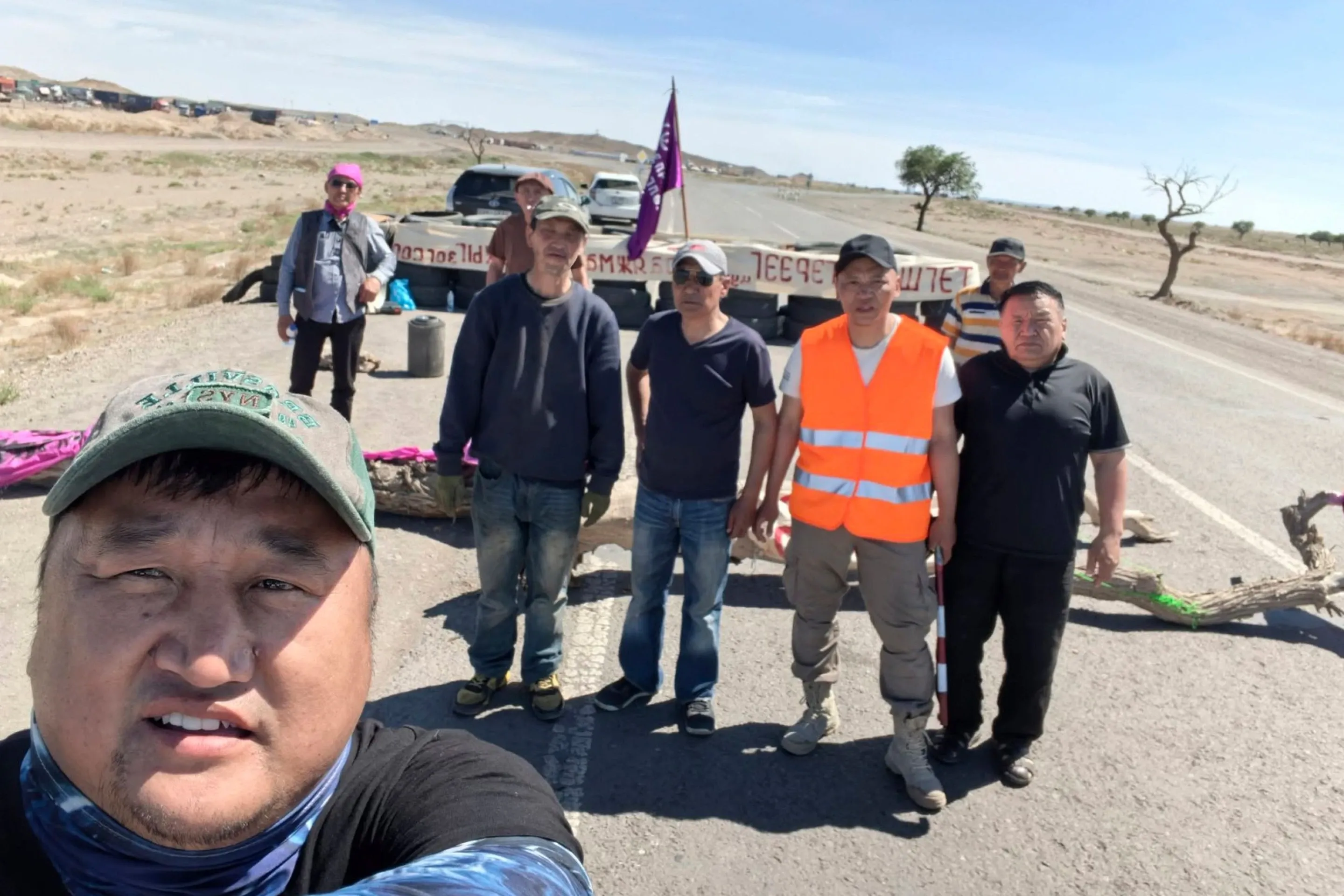
Rio Tinto resumed copper concentrate exports from the Oyu Tolgoi mine on 18 June, Bloomberg reported, after protesters lifted a blockade that had stopped trucks reaching the Chinese border for part of the previous day. The demonstration, organised by the Radical Reform movement on 17 June, turned out to be the short, attention-seeking action it might have been, rather than the start of a sustained campaign. Rio's shares, which slipped about 1% in Sydney during the disruption, steadied.
The underlying dispute is unchanged. Mongolia holds 34% of Oyu Tolgoi through state-owned Erdenes Mongol and since March has pressed Rio to reopen the project's commercial terms, seeking accelerated dividends and a share of returns closer to 60%. A separate suit over about $450 million in alleged tax underpayments is before the courts. National elections next year, with copper near record prices, keep the political pressure live.
The blockade lifted in a day. The question of who profits from Mongolia's copper did not.
For copper markets the all-clear matters: Oyu Tolgoi is ramping toward becoming the world's fourth-largest copper mine by 2030, and almost all its concentrate moves to China. A one-day stoppage is a tremor, not a rupture. But the speed with which the road was blocked, and the size of the demand behind a small group of protesters with a banner and a wall of tyres, is the signal worth keeping. Resource-revenue disputes of this kind are a regional pattern, not a Mongolian exception, and CAW will return to that pattern in analysis this week.