Mongolia’s deputy prime minister, Nyamtaishir Nomtoibayar, and Kazakhstan’s agriculture minister, Aidarbek Saparov, chaired the session. The protocol covers transport and logistics, geology and mining, agriculture, culture, education, science, tourism, health, information technology, the environment, climate and disaster risk, and the two sides agreed to study cooperation inside a special economic zone and to support proposals that lift turnover, Montsame reported.
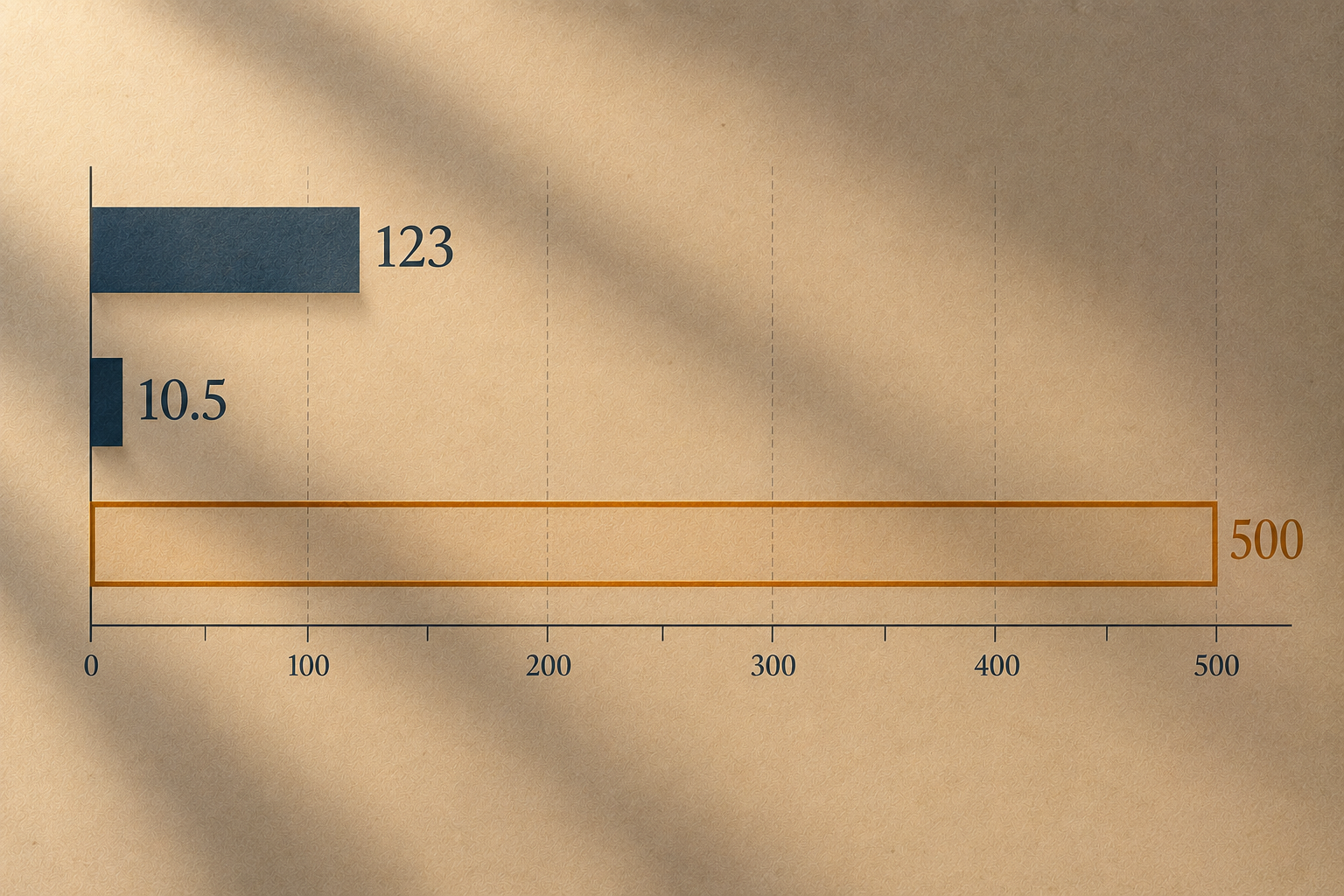
The trade is one-sided and small. On the Kazakh ministry’s count 2025 turnover grew 7.7% to $133.5 million, of which Kazakhstan exported $123 million and imported $10.5 million; Kazinform printed a different series, up 32% in 2025 and another 11% in the first seven months of 2026, and the two are not reconciled on any page. Kazakhstan sees room for grain and milled products, vegetable oil, rice, fruit, vegetables and farm machinery; Mongolia named wool, cashmere, hides and meat.
The protocol covers transport and logistics, geology and mining, agriculture, culture, education, science, tourism, health, information technology, the environment, climate and disaster risk, and the two sides agreed to study cooperation inside a special economic zone and to support proposals that lift turnover, Montsame reported.
The instrument behind the target is the EAEU’s interim trade agreement with Mongolia, in force since 22 July with preferences on about 400 tariff lines, which Nomtoibayar said must now be matched by the removal of sanitary, technical and customs barriers and by easier transit. Mongolia’s digital minister, Nomin, proposed joint work on telecoms routes and an international network gateway through the two countries, and agencies signed memoranda on emergency training, including mountain rescue, and on standards and conformity assessment.
What the protocol does not carry is a date for the $500 million or a route for the goods. Mongolia’s imports from Kazakhstan reach it through Russia or China, and the fuel that Ulaanbaatar is short of this autumn, which CAW reported on Thursday, was not on the agenda the two ministries published.