“We have the opportunity to supply from Azerbaijan, Iran, and Russia. We are using all opportunities,” Simonyan said, adding that relations with Azerbaijan “will develop even further” and the two countries would trade with each other.
“When I said we would buy gas, everyone in the National Assembly was so alarmed,” he said. “We’ll buy gas and oil. We’re already buying gasoline.” Asked whether substantive negotiations were under way, he said he did not have that information and was “more concerned with humanitarian issues”.
Russian gas for Armenia would cost $300 per thousand cubic metres against $177.5 now, a rise of 69%, in the four governments’ report of 20 October on the consequences for Armenia of suspending the 2014 EAEU treaty. The report takes $177.5 as the current price. ARKA separately gives $165 as the base contract price at the Armenian border, without reconciling the two figures.
Central Bank governor Martin Galstyan told Hetq, in an interview ARKA relayed on 29 October, that his 16 September remark about an “apocalyptic” scenario described an outcome “extremely unlikely but could have a major impact”, outside the bank’s main scenarios, and that a 69% rise in the gas price would prompt a monetary response “aimed at returning inflation to our target”.
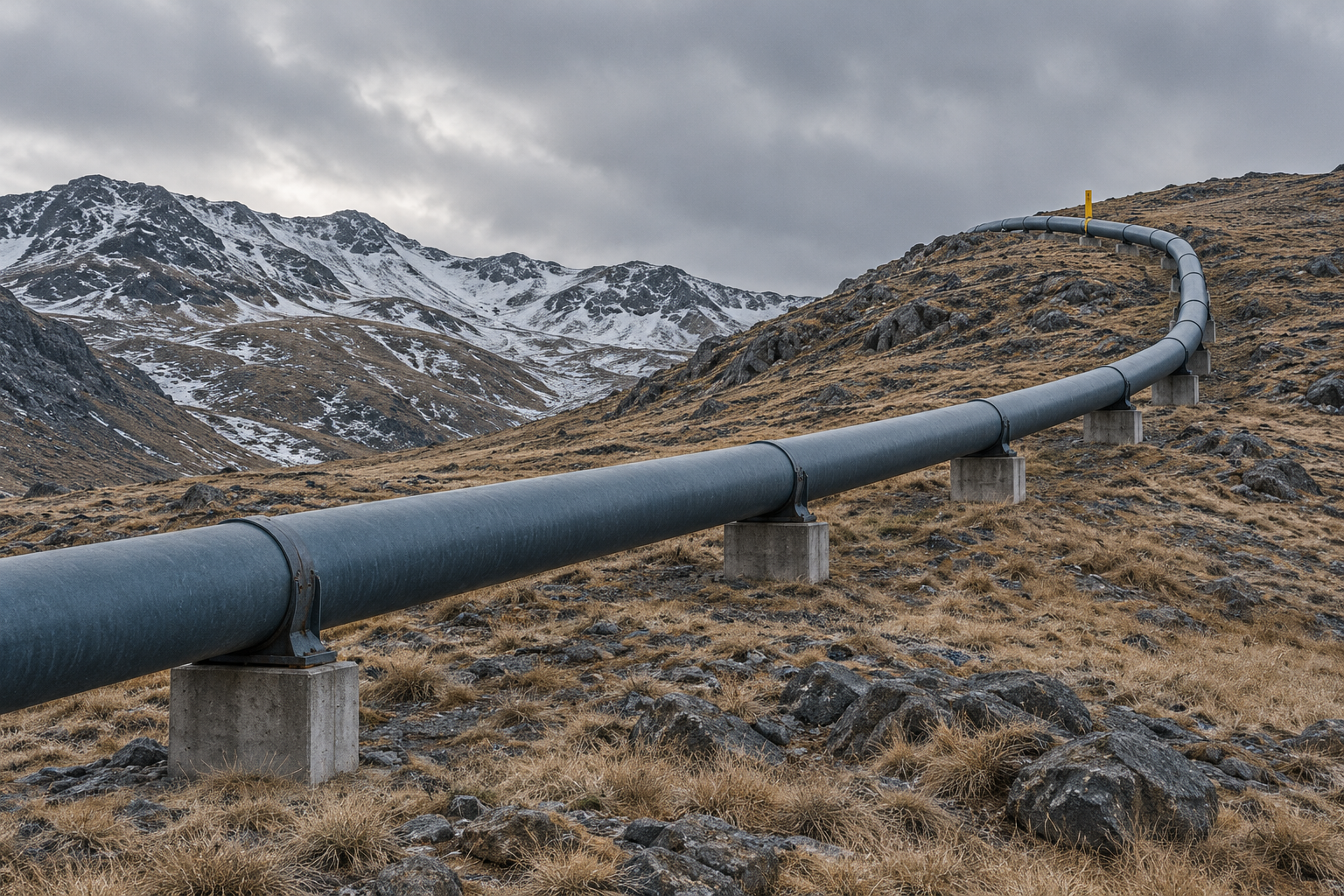
Armenia receives Iranian gas under a gas-for-electricity arrangement, and Russian gas arrives through Georgia. No gas has flowed between Armenia and Azerbaijan since the early 1990s, and Azerbaijan’s gas exports in January to August went to eight countries, none of them Armenia, according to its State Statistics Committee, as CAW reported on 27 October. Foreign minister Ararat Mirzoyan said on 21 October that Armenia knows of no legal mechanism for suspending the treaty.