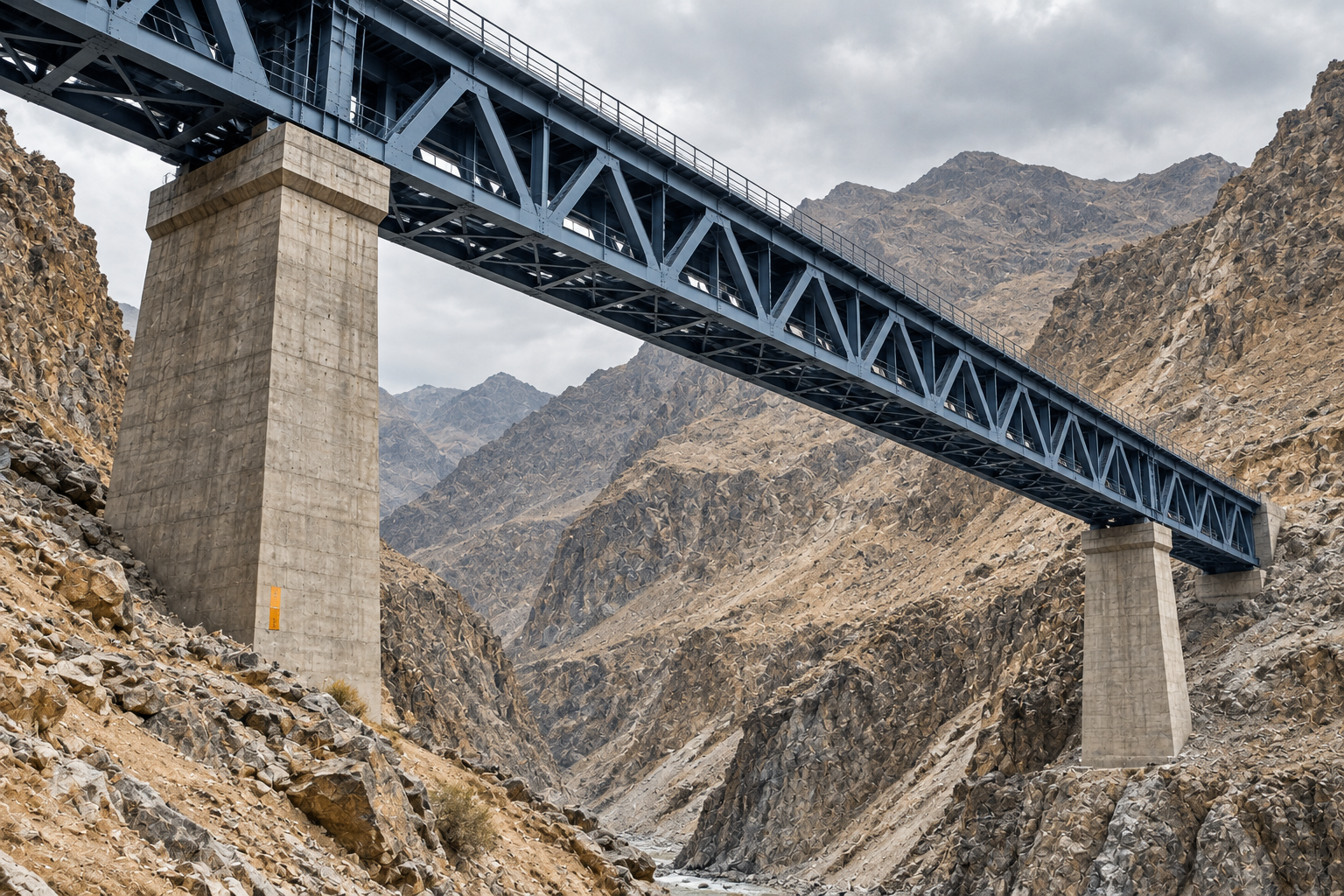
The TRIPP vote came at 13:41 Yerevan time in the 105-seat National Assembly, Armenpress reported. Civil Contract voted for ratification, and the opposition Strong Armenia and Hayastan factions voted against. Armenpress dates the signing of the framework agreement on strategic cooperation concerning the Trump Route for International Peace and Prosperity to June 2026, and Mirzoyan had presented it to the chamber the day before.
The terms are the ones Mirzoyan set out on 27 October, as CAW reported on 28 October. Armenia holds 26 percent of the TRIPP Development Company and the American side 74 percent for an initial 49 years, the American stake stays under US government ownership and management at all times, and a 50-year extension would lift Armenia’s share from 26 to 49 percent. The company’s charter and shareholders’ agreement are still to be negotiated.
Four minutes later parliament ratified the Charter of the Board of Peace by 90 votes with 8 abstentions. Civil Contract and Strong Armenia voted for it and Hayastan abstained.
Pashinyan signed the charter in Davos on 22 January, the Constitutional Court found its obligations constitutional on 15 September, membership runs for three years and contributions are voluntary, and none had been paid as of 27 October, Armenpress reported.
Mirzoyan was asked at a briefing the same morning about former CSTO secretary general Nikolai Bordyuzha’s call to expel Armenia, which froze its membership in February 2024, for not taking part or paying dues, and replied: “We stopped participating in the work of that organization long ago and froze our membership.” “If other member states of the organization or its secretariat are making comments, it is in vain. We will not change our position, and we do not see ourselves returning to the CSTO,” he said.
Answering MP Garnik Davtyan at the government’s question hour that evening, Pashinyan said: “The text of the new Constitution will be published soon, and we will begin discussions with the people of the Republic of Armenia, including parliament. Of course, there will first be a public discussion over the coming months, after which the remaining stages will proceed in accordance with the established procedure.”
He drew a line for Baku in the same answer. “We are clearly telling Azerbaijan that we do not intend to discuss the Constitution with them, and it is unacceptable to us that certain issues are being exploited and, in particular, giving our opposition ammunition,” he said, adding that the constitution is Armenia’s internal affair.
Mirzoyan took the argument one step further when Deputy Speaker Aram Vardevanyan asked why the peace treaty’s signing had been tied to constitutional change when no such condition appears in the August 2025 documents or the initialled agreement. Azerbaijan’s legal concerns could be addressed through the signing and ratification of the agreement itself, Mirzoyan replied, and relations, trade and transport links could continue while the question stayed open.
“Let the draft Constitution be published, give your approval, and let us ask the people. Let us put the Constitution to a referendum,” he told the opposition benches.
“I am making a political proposal again: let us present the draft Constitution, and you can say here that you condemn this draft Constitution, that it is bad,” he said. “If the people say no to the Constitution, we will resign and leave.”
Pashinyan also dismissed the search for a guarantor of TRIPP, in reply to MP Knarik Harutyunyan. “I advise everyone looking for guarantors to familiarise themselves with Armenia’s history over recent decades and the history of the Armenian people over almost the past 150 years. In every instance where there have been guarantors, it has ended in disaster for Armenia and the Armenian people,” he said, and asked the chamber who the guarantor of Ukraine’s security is.
Baku had not answered by the morning of 29 October, and Azerbaijan’s own account of the treaty remains President Ilham Aliyev’s of 27 October, that his side drafted it and sealed the new situation at the White House.
The day’s votes and the evening’s pledge run on different clocks: the route has a ratified framework and a company still to be chartered, the constitution has a promise of publication and no text. Vardevanyan’s question, where the constitutional condition came from when neither the August 2025 documents nor the initialled treaty contains it, drew the answer that the treaty’s own signing and ratification could meet Baku’s legal concerns, which leaves the condition where Yerevan says it has always been, in Baku’s demands and outside the documents.