Law enforcement in Dushanbe has dismantled an illegal operation that allegedly manufactured counterfeit pharmaceutical products, including children's medicines, the city police department said. The seized goods included syrups passed off under well-known brands such as Nurofen, Paracetamol, Lazolvan and Theraflu. Investigators said the products were made in unsanitary conditions and distributed with falsified branding. A 42-year-old Dushanbe resident, Otabek Dadachonov, has been detained on suspicion of organizing the operation.
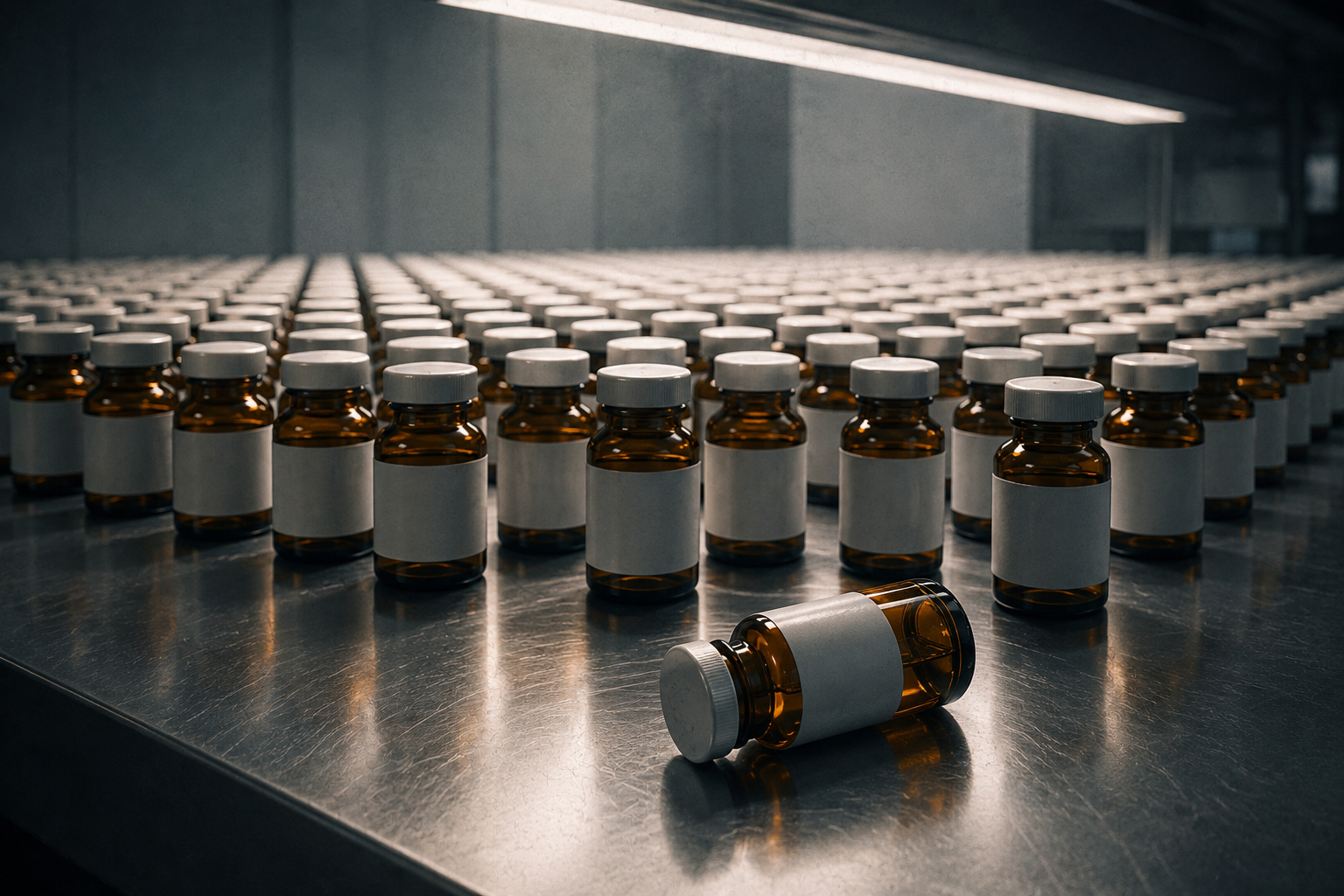
The scale of the seizure is the part that matters for public health. Police confiscated around 35,900 bottles of syrup, more than 405,000 packages and labels, over 600 kilograms of raw materials, and the production equipment. Numbers like that describe a manufacturing line built for distribution, not a backroom hobby, and they raise the obvious question of how much already reached pharmacy shelves and households before the raid.
35,900 bottles, 405,000 labels, 600 kilograms of raw material. This was a production line, not a backroom.
Counterfeit medicine is a chronic risk across lower-income markets with stretched regulatory capacity, and children's formulations are among the most dangerous to fake. The case is a credit to the police work that caught it and a warning about the gap that let it run. For Tajikistan, where the health system is thin and oversight resources are limited, the problem is regulatory as much as criminal: catching the workshop matters, and so does the inspection regime that determines whether the next one runs for months before anyone notices.